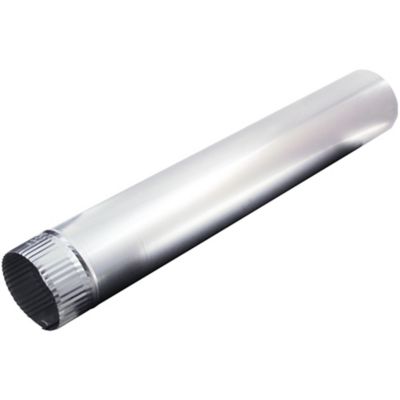
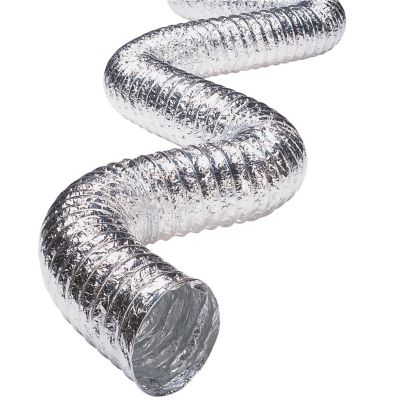
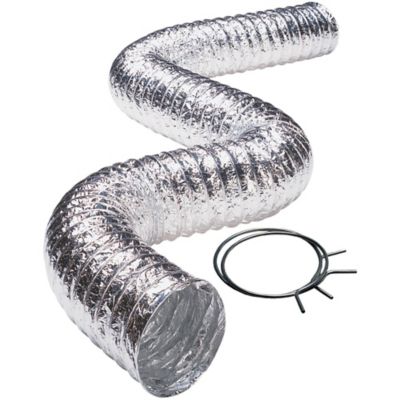
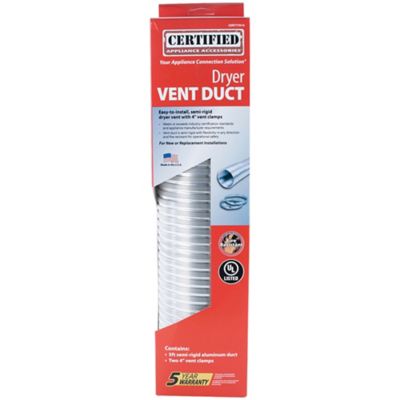
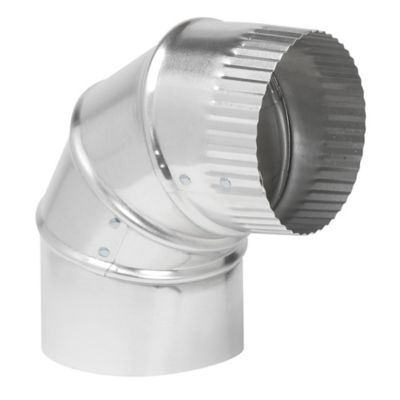
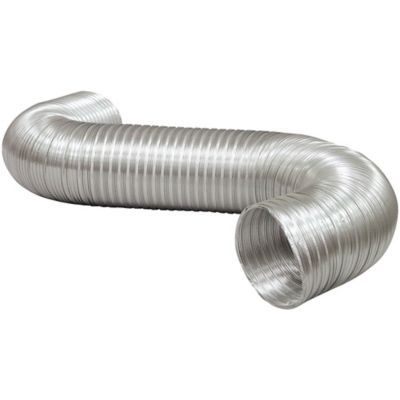
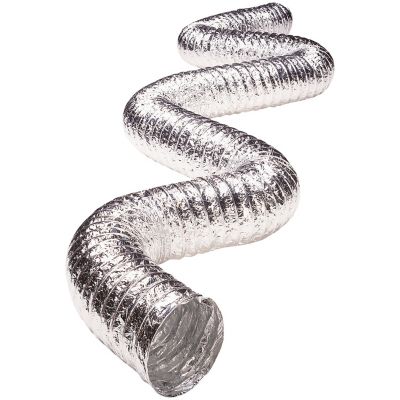
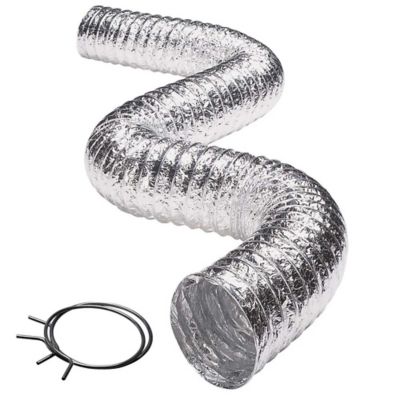
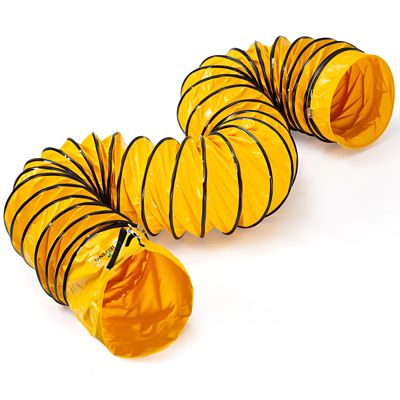
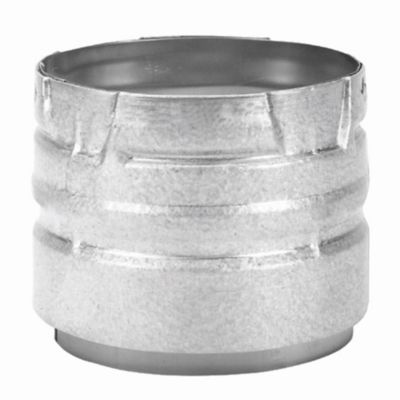
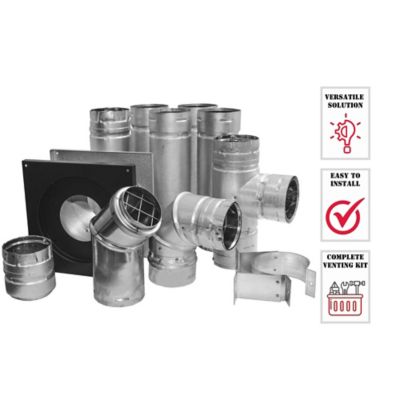
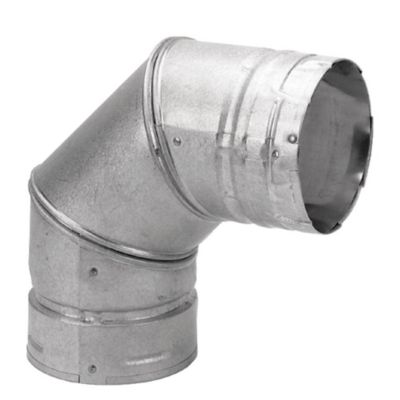
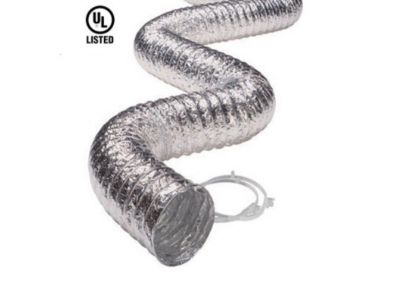
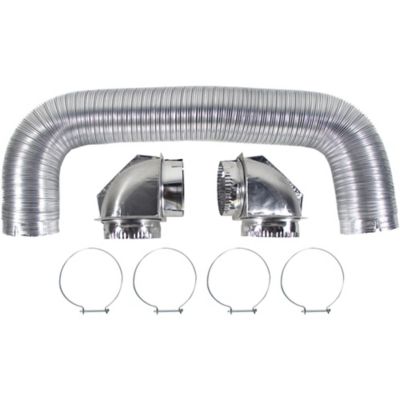
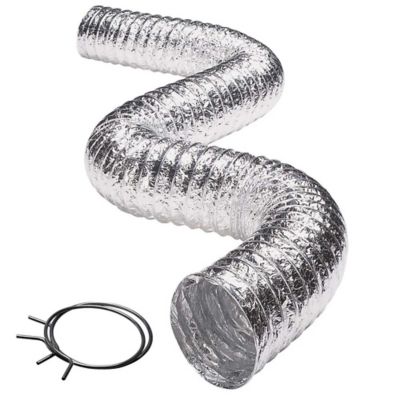
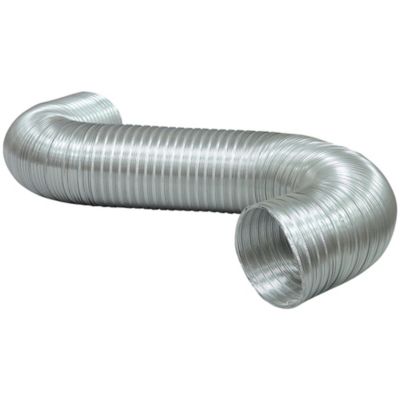
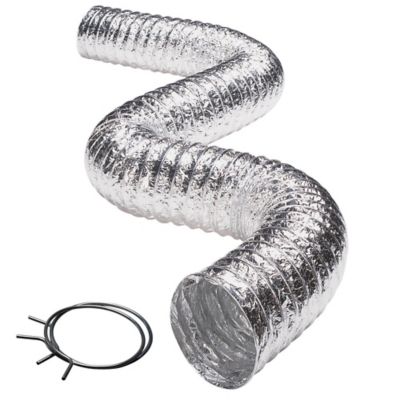
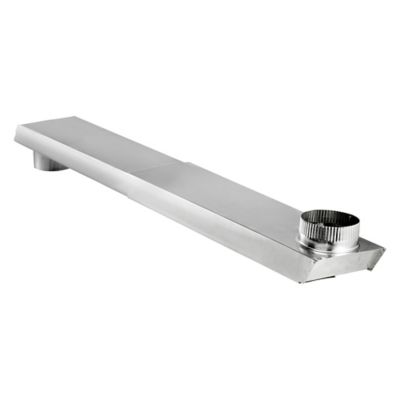
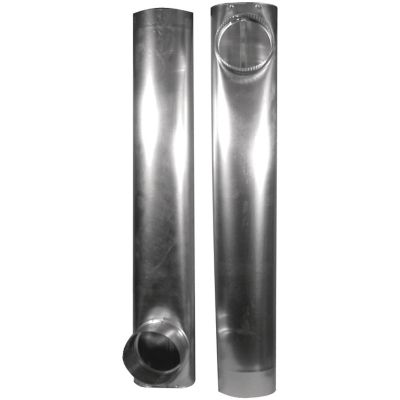
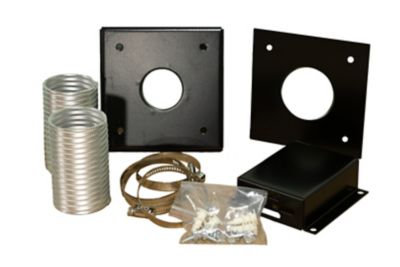
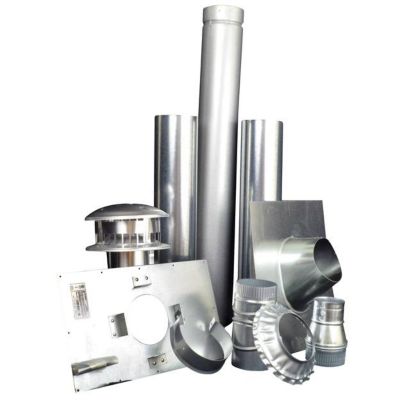
Ducting accessories are the connecting, fastening, sealing and airflow-control parts that help a duct system work as intended. Clamps hold flexible duct connections in place, splice collars join compatible sections, and sealants help close gaps where air could escape. Dampers manage airflow, while hangers and supports keep the run from sagging or pulling against equipment connections. Those small details matter whether the setup serves a bathroom exhaust fan, a basement workshop or a ventilation system in an outbuilding. A loose connection above a workbench can rattle every time a fan starts, and a poorly supported stretch of flexible duct can droop enough to restrict air movement. The right accessories help address those trouble spots without making the system harder to inspect or service. Fit starts with more than the number printed on a duct section. Nominal diameter, actual connection dimensions, duct shape and the type of connection all affect how parts meet. Round and rectangular ductwork have different fitting requirements, and flexible duct does not attach exactly like rigid metal duct. On flexible duct connections, a clamp generally secures the inner liner to a compatible collar; insulation and the outer jacket need their own proper closure. A clamp provides mechanical support, but the joint may still need an approved sealant to limit leakage. Splice collars also need enough engagement on both sides to support the connection rather than leaving duct ends barely hanging on. Reducers and transitions connect different sizes or shapes, though a smaller passage can add resistance and should suit the system design. For homeowners handling straightforward maintenance, property managers looking after several buildings and tradespeople completing a ventilation job, compatibility is often what separates a tidy connection from one that needs attention again. Accessories matched to the duct material, equipment instructions and installation requirements help keep those connections secure and accessible.
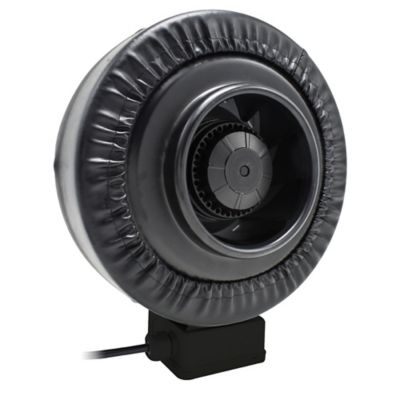
Materials and construction make a difference in how ducting accessories hold up around vibration, moisture and everyday wear. Galvanized steel is common in general ventilation fittings, while stainless steel can offer added corrosion resistance where the application calls for it. Metal thickness, band width and fastening hardware all influence how a connection handles its workload. Worm-drive clamps tighten a metal band around a compatible duct connection, but more force is not always better: excessive tightening can damage a flexible liner or distort a light-gauge fitting. A properly sized clamp leaves room for adjustment without relying on an oversized band wrapped awkwardly around a small connection. Sealing materials deserve the same attention. Duct-rated foil tape and mastic serve different purposes, and their labels should identify suitable substrates and applications. Ordinary cloth-backed utility tape is not a substitute for an approved duct seal. Adhesion also depends on a clean, dry surface, so dust, oil and loose residue can undermine an otherwise sound joint. Vibration-isolating couplers serve another role, helping reduce vibration transfer between compatible equipment and connected ductwork. They do not replace proper fan support, and they cannot make up for an undersized or sharply bent duct run. When paired with
Inline Duct Fans, connectors, clamps and isolation components need to match the fan’s connection size and intended application. A fan tucked above a utility room may need space around its connections for service, while a workshop installation may need accessible supports that keep ductwork clear of storage shelves and moving equipment. Backdraft dampers help limit reverse airflow when a fan stops, but their mounting position and opening resistance must suit the system. Gravity-operated and spring-loaded designs behave differently, and a damper that does not open freely can restrict exhaust. Balancing dampers have a separate purpose: adjusting airflow through a branch. Neither type should be treated as interchangeable with a fire or smoke damper required by building codes. Each accessory has a job, and matching that job to the system matters more than simply matching the diameter.
Intended use is especially important because not every duct accessory belongs in every air-handling setup. General room ventilation, clothes dryer exhaust, cooking exhaust and dust collection each have different requirements for materials, connections and maintenance access. Dryer exhaust, for example, needs connections that follow the appliance instructions and local code; fasteners projecting into the airflow can catch lint, and screens can create blockage risks. Grease-laden exhaust, combustible dust and chemical fumes call for components specifically suited to those hazards rather than ordinary ventilation fittings. In a farm shop or garage, moving air out of the building does not automatically make a system suitable for welding fumes, fuel vapors or fine airborne dust. That distinction helps keep a simple ventilation project from taking on a job it was never built to handle. For everyday systems, care largely comes down to keeping connections sound, supports secure and airflow paths clear. Accessible joints make it easier to spot a loose clamp, split liner, lifting tape edge or damper that has begun to stick. A faint buzz near a ceiling connection might come from vibrating metal, while a sag behind a cabinet can put strain on a collar that once fit snugly. Repeatedly tightening the same joint may not solve the underlying problem if the duct lacks support or the fitting is the wrong size. Flexible duct performs best when supported as specified, with unnecessary compression and sharp bends kept out of the run. Rigid sections also need proper support so their weight does not rest on a fan housing or a short connector. Cleaning methods should match the accessory material, with care around rubber isolation sections, adhesive seals and moving damper parts. Leaving room to reach those components can make routine upkeep far less of a chore than working around permanently boxed-in connections. Whether the work involves replacing a worn connection or finishing a new duct run, well-matched accessories help create an orderly system with firm joints, manageable vibration and fewer places for air to leak. Those are practical benefits in a house, shop or work building where ventilation needs to do its job without demanding constant attention.