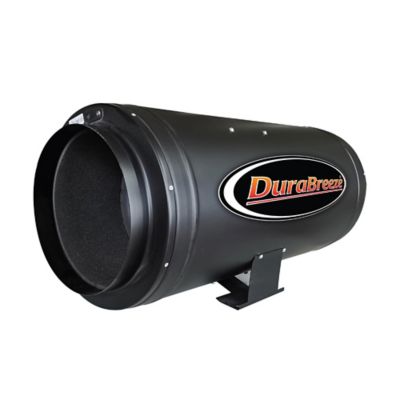
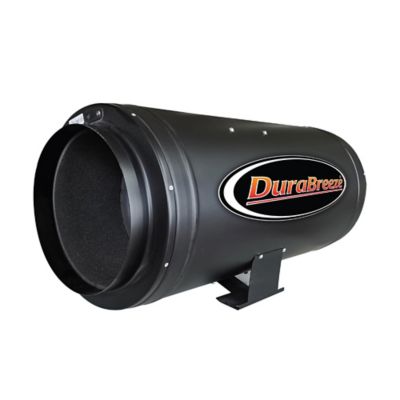
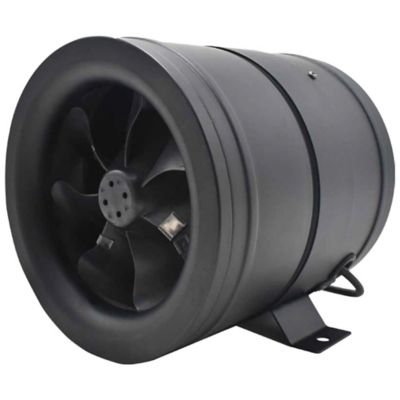
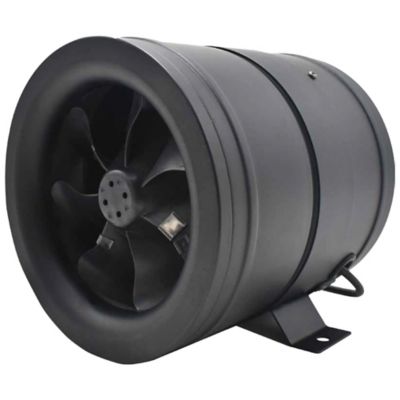
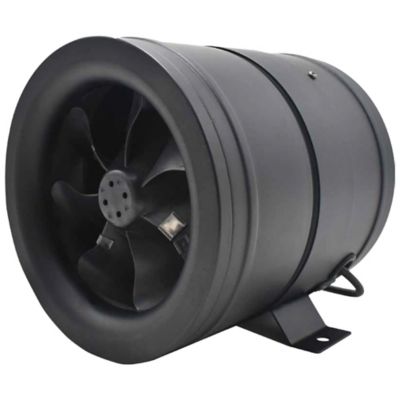
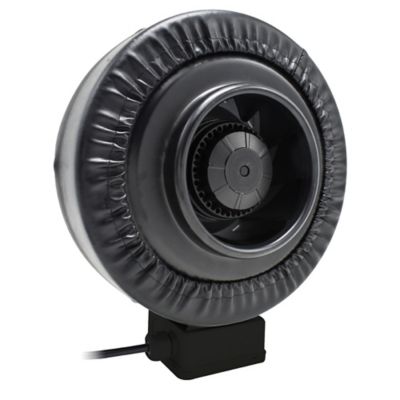
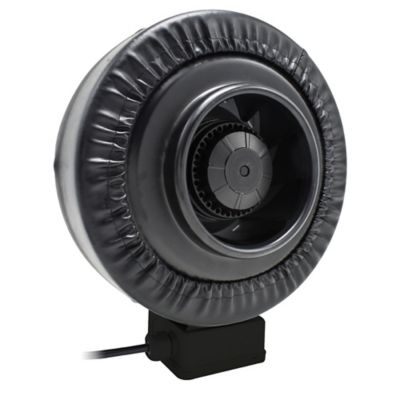
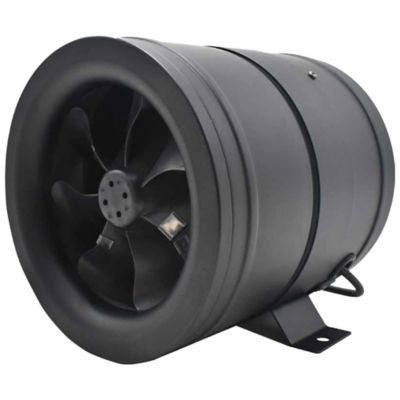
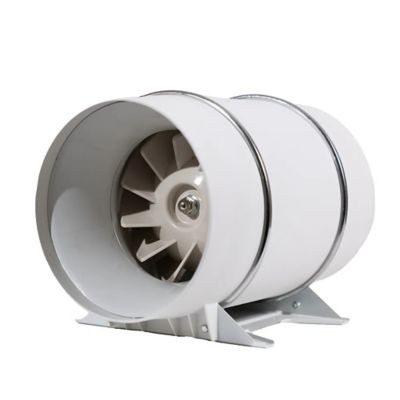
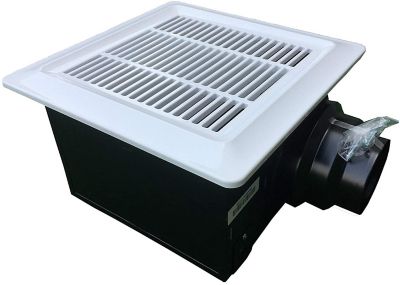
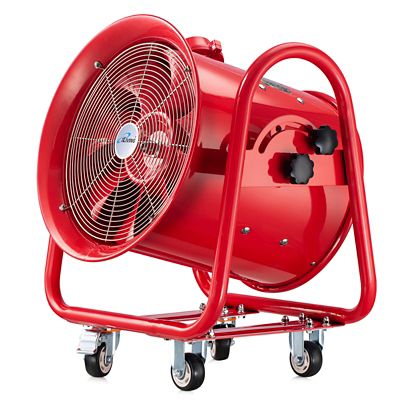
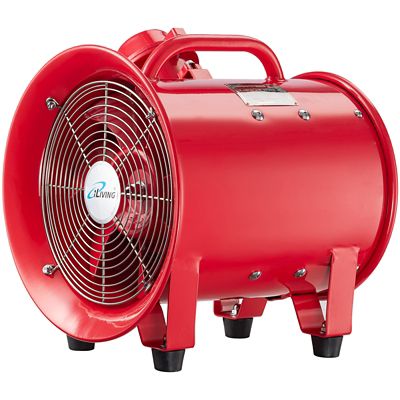
Duct fans are a practical way to improve airflow when a heating, cooling, or exhaust system does not quite reach every part of a home, barn, workshop, greenhouse, or other outbuilding. These mechanical ventilation fans fit inside round or rectangular ductwork, connect to a duct run, or sit directly over a floor, wall, or ceiling register to help move air where it needs to go. A register booster fan can pull more conditioned air into a back bedroom that stays stuffy, while an inline duct fan can push air through a longer run to help ventilate a bathroom, attic, basement, crawl space, workshop, or enclosed growing area. They can also help remove warm, damp, smoky, or stale air instead of simply circulating it. During the warmer part of the year, a duct fan may help move hot air away from a loft, tack room, or enclosed work area; during the cooler months, it can help distribute heated air more evenly and reduce those chilly corners that never seem to catch up with the thermostat. They are especially handy in older homes, converted barns, additions, and farm buildings where ductwork is long, rooms are separated by several walls, or the original HVAC system was not designed for the current layout. The right fan depends on the job. Start by measuring the duct opening or register, including its shape and diameter, and confirm that the fan is made for that size. A fan that is too small may not move enough air, while one that is too large can create unnecessary noise, vibration, or resistance in the duct. Airflow is usually listed in CFM, or cubic feet per minute, which indicates how much air the fan can move. Larger rooms, longer duct runs, and spaces with more bends generally need stronger airflow, but the CFM rating should be considered alongside the duct size and the system’s static pressure. An inline fan installed in the middle of a duct run is often a good fit for moving air over distance, while a register booster is a simpler choice when one room has weak airflow and a nearby outlet is available. For general circulation around a shop, shed, or livestock area, explore related
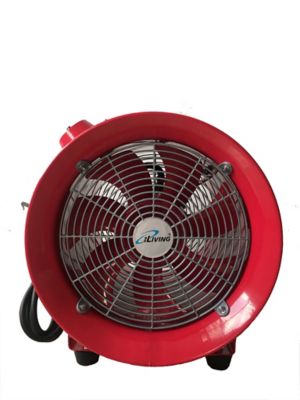
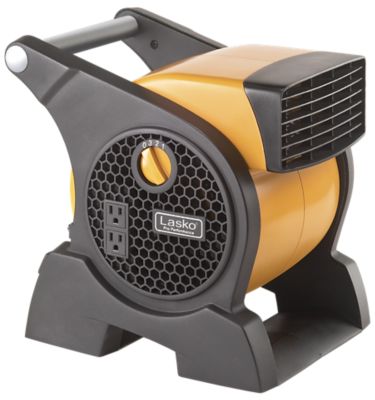
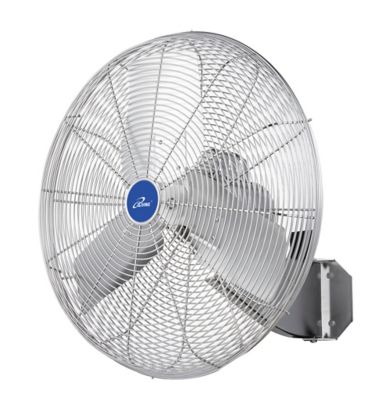
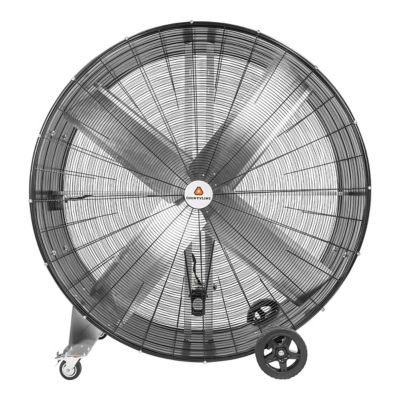
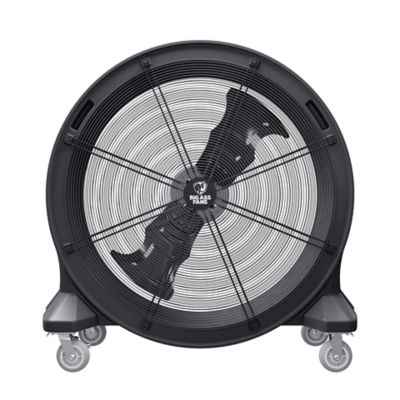
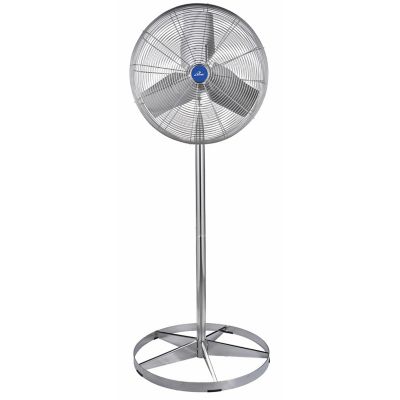
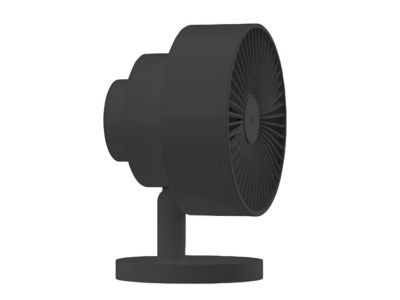
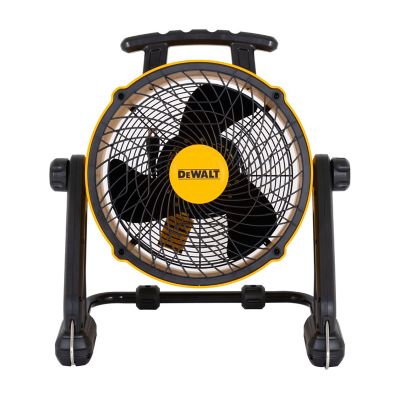
Utility Fans for additional airflow options that do not require duct installation.
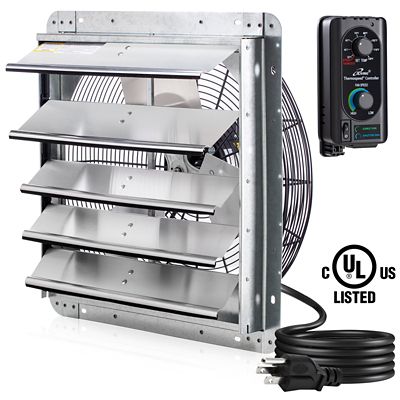
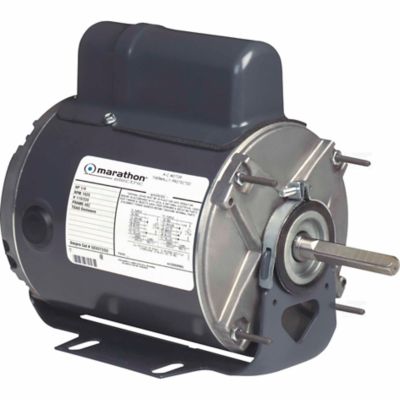
When comparing duct fans, pay attention to the motor, control method, operating sound, and installation requirements as much as the airflow rating. AC motors are often a straightforward, budget-conscious choice, while electronically commutated motors may offer quieter operation and improved energy efficiency, which can matter when a fan runs for long stretches. Variable-speed controls allow you to run the fan gently when a little circulation is all that is needed and increase airflow when a room becomes humid or overheated. Some models include thermostats, humidity sensors, timers, or automatic controls that turn the fan on when conditions reach a set point. Those features can be useful in a bathroom, greenhouse, basement, or animal-care area where moisture and temperature change throughout the day. A built-in humidity control, for example, may help exhaust damp air after a shower or during a stretch of wet weather, while a thermostat can help move warm air away from an enclosed attic or bring more conditioned air into a far-off room. If a fan will be used near dust, sawdust, bedding, feed, or other airborne material, look for a design and installation location suited to that environment, and keep grilles and duct openings clean so buildup does not restrict airflow. For exhaust applications, make sure the duct path vents safely outdoors and does not discharge moisture, fumes, or odors into another enclosed space. Always check electrical requirements, use the proper outlet and wiring, and follow the installation instructions; areas exposed to water or high humidity may require equipment rated for that setting. Mount inline fans securely with suitable supports, and use vibration-reducing connections where recommended to keep rattling from traveling through the ductwork. A fan placed over a register should sit flat and leave the vent unobstructed. It also helps to keep return-air paths open, since pushing more air into a room without giving air a way back can limit performance. Think about the everyday experience, too: a quiet fan is a better choice for a nursery, bedroom, office, or living space, while a more powerful unit may be appropriate for a busy shop where background noise is less noticeable. Duct fans are not usually chosen as a traditional gift, but they can make a thoughtful, useful present for someone fixing up a farmhouse, finishing a workshop, building a greenhouse, or improving ventilation in a hunting cabin. Whether the goal is a more comfortable room, drier air, fewer odors, or steadier airflow through a long duct run, matching the fan to the space and the work it needs to do will make the installation more effective and dependable.