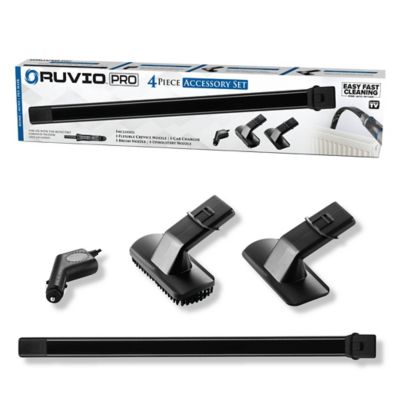
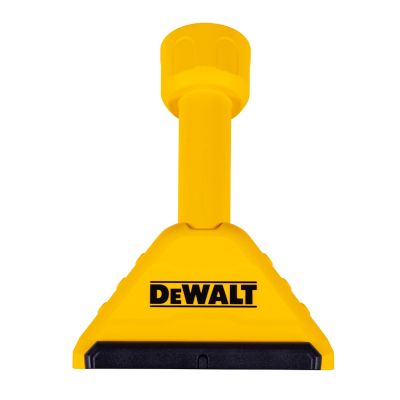
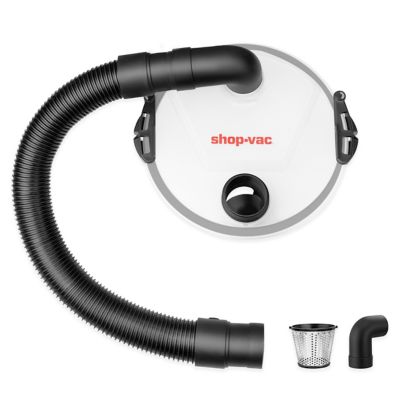
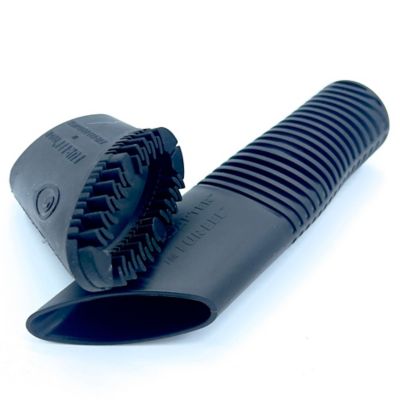
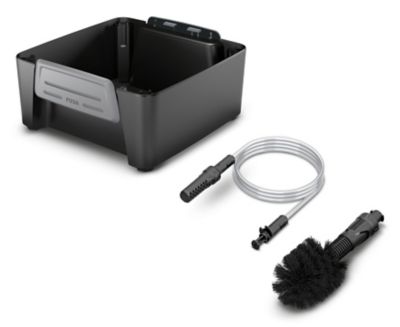
Vacuum accessories help a compatible vacuum reach tight spots, clean different surfaces and collect the kinds of everyday mess that come with a busy home or work space. Hoses, extension wands, floor nozzles, brushes, bags and filters each have a part in how the machine handles a chore. The right combination can put crumbs under the kitchen table, grit along the mudroom wall and pet hair on the truck seat within easier reach. A narrow crevice tool gets into seams and corners where a wide floor head cannot sit flat, while an upholstery attachment covers cushions and fabric seats with a smaller working surface. Soft brush attachments help loosen settled dust from suitable surfaces, though delicate finishes still need care and a check against the surface manufacturer's cleaning directions. Wider nozzles cover open areas with fewer passes, and a swivel connection can make it easier to work around chair legs without dragging everything out of the room. For folks cleaning a farmhouse, tending rental property or keeping a garage tidy, that variety means one compatible machine can handle more of the regular rounds. Reach matters just as much as attachment shape. An extension wand can save some bending along baseboards or help reach overhead cobwebs, while a flexible hose gives more room to move around shelving and vehicle interiors. Long reach has a trade-off, though: extra hose length, tight bends and narrow adapters can restrict airflow. A setup suited to the space and the vacuum often works better than the longest connection possible. Surface contact matters, too. Smooth nozzle edges and clean bristles help keep grit from dragging across a finish, while an attachment suited to carpet may not behave the same way on sealed wood or tile. Vacuum accessories are most useful when their shape, reach and cleaning action match both the mess and the surface underneath it.
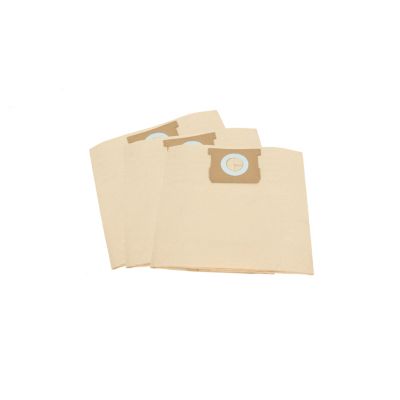
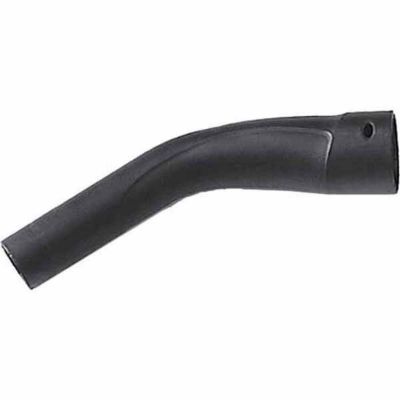
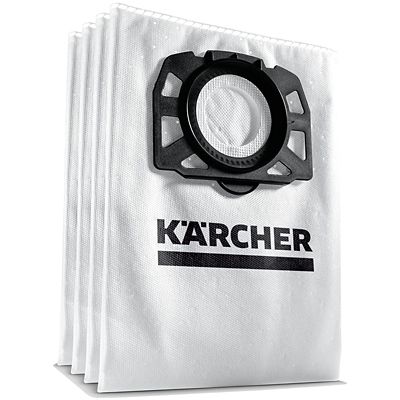
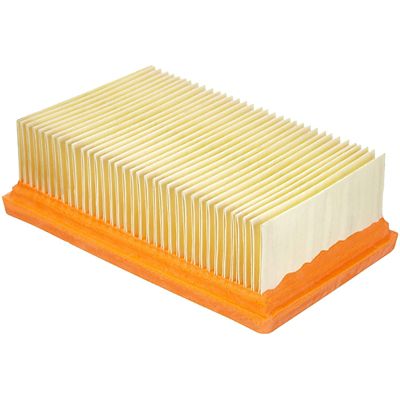
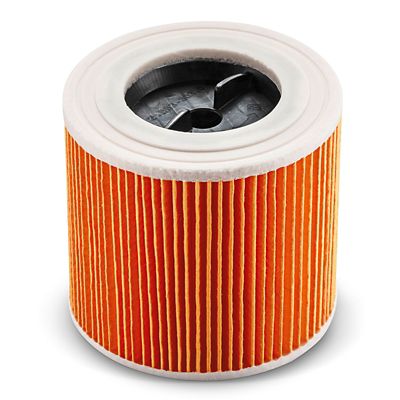
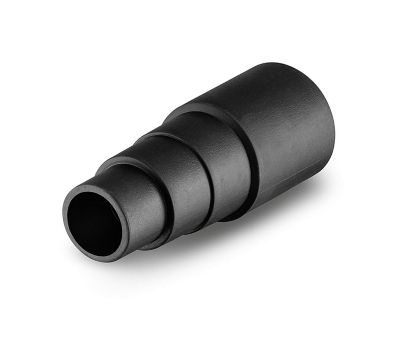
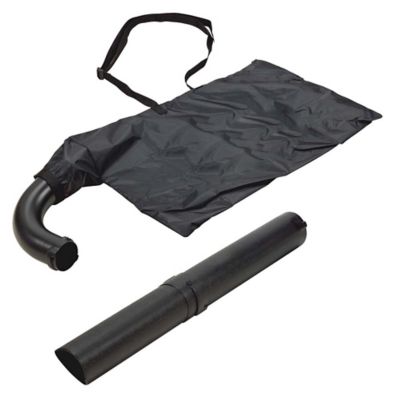
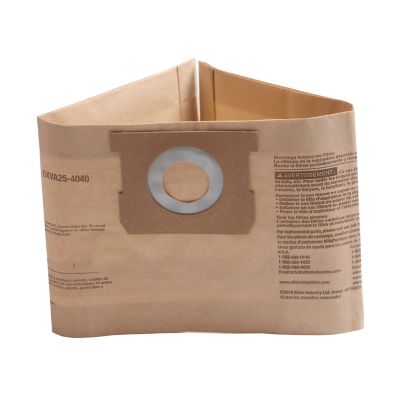
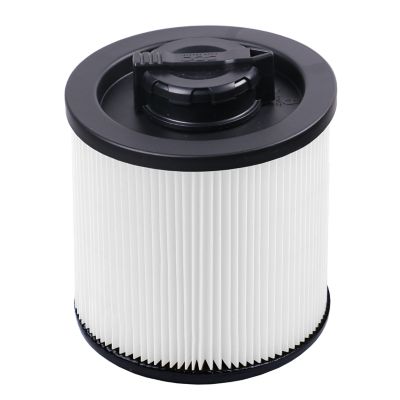
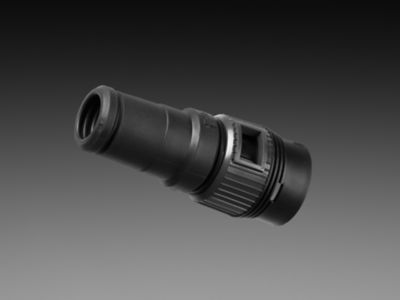
Fit starts with the vacuum's make, model and connection style, not just whether two openings look about the same size. Hose cuffs and attachment ports may have inside or outside diameter measurements, and a friction-fit connection differs from a locking tab, threaded collar or other fastening system. Even similar-looking parts can leave an air leak or pull apart when the hose rounds a corner. Matching dimensions and manufacturer compatibility information help keep those connections snug without forcing them together. Powered attachments need an additional match for electrical connections and machine requirements; a fitting hose alone does not establish compatibility. Materials also affect how an accessory feels during a full round of cleaning. Molded plastic tools keep weight down for overhead work and repeated lifting, metal extension tubes offer a firm reach, and flexible cuffs allow some movement at the connection. Ribbed hoses bend around obstacles, but their weight, stiffness and resistance to kinking vary. A hose that moves comfortably around a pickup cab may be more practical there than one chosen mainly for a long stretch across the shop floor. Bags and filters deserve the same attention as the tools on the hose end because they help manage collected debris and protect the machine as designed. Their dimensions, sealing surfaces and filtration specifications need to match the vacuum. A high-efficiency filter does not turn every machine into a sealed system, and filtration claims depend on the complete setup. Wet pickup is another separate consideration: only a vacuum rated for liquids, with the collection and filter arrangement specified by its manufacturer, belongs on that job. Paper collection bags and dry-pickup filters are not automatically suitable for water. Ordinary household and shop vacuums also are not a catchall for hot ash, combustible material or hazardous dust. Cleanup involving those materials calls for equipment and procedures specifically rated for the task, rather than an attachment that simply fits.
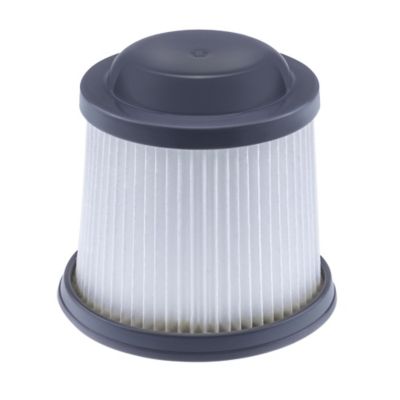
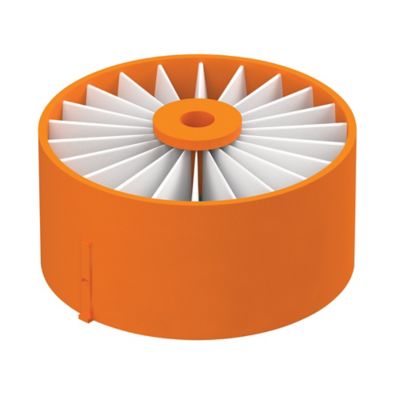
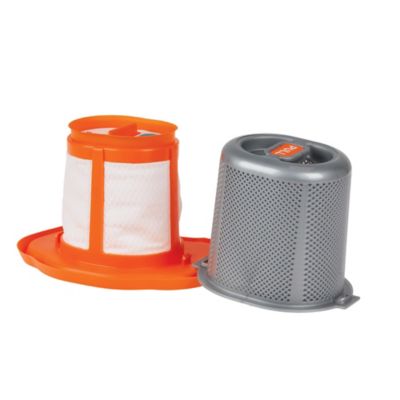
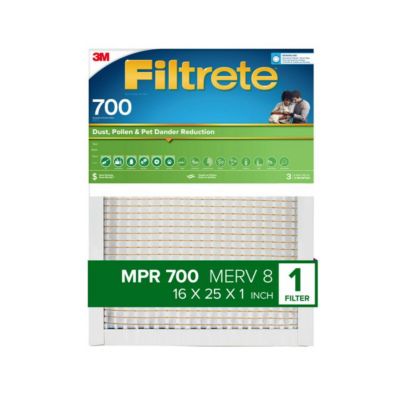
Good accessory care keeps everyday cleanup from turning into a struggle with weak pickup, tangled brushes or a hose that will not stay connected. A bag filled beyond its marked limit, a clogged filter or a wad of pet hair lodged in a nozzle can reduce airflow even when the motor sounds normal. Collection capacity and replacement intervals vary with the machine and the material coming through it, so the manufacturer's limits matter more than a fixed schedule. Washable filters need the cleaning method and drying time specified for them; not every filter can take a rinse, and damp components do not belong back in a dry-pickup setup. With the vacuum turned off and disconnected from power, accessible tools and hose openings can be checked for trapped debris, cracked cuffs and worn seals. Clearing those trouble spots helps air move through the intended path instead of leaking around a loose joint. Storage makes a difference between chores as well. A hose resting in a broad loop is less likely to develop a sharp kink than one pinched beneath a heavy toolbox, and keeping small attachments together saves hunting through the garage when the truck needs cleaning. Brushes stored with their bristles free from pressure keep their working shape better than those crushed beneath heavier gear. Replacement parts are worth considering when a nozzle edge becomes rough, a latch stops holding or a hose develops a split; tape and force are no substitute for a sound connection. Around a workshop, vacuum pickup and building ventilation serve different purposes.
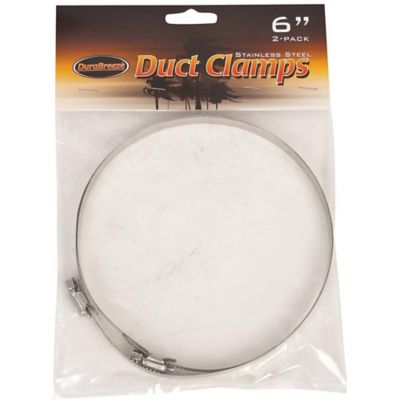
Ducting Accessories belong in the conversation about routing air through ductwork, while vacuum attachments need to match the vacuum's own system. Keeping those jobs straight helps avoid mismatched connections. Whether the regular chore is gathering crumbs around a breakfast bench or reaching dirt beneath a workbench, well-matched accessories make the machine easier to handle and keep cleanup focused on the task at hand.