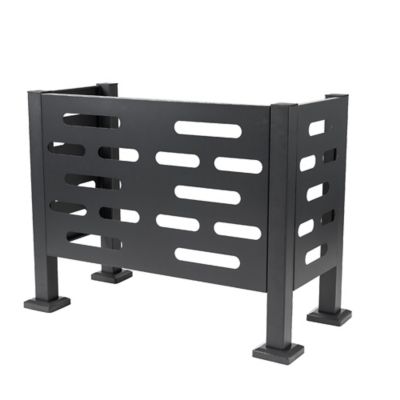
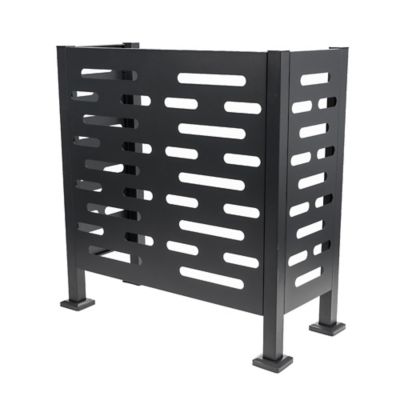
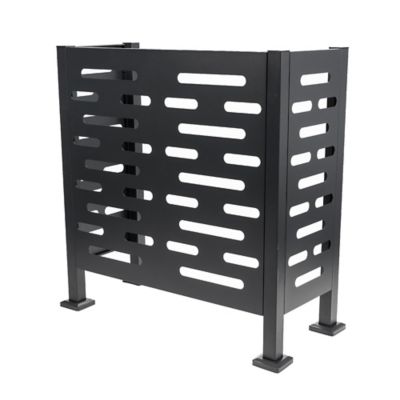
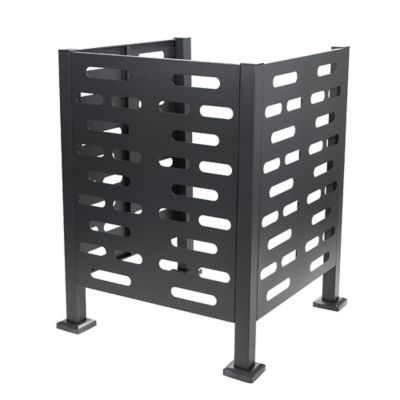
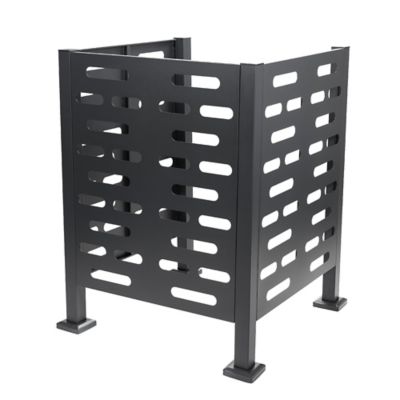
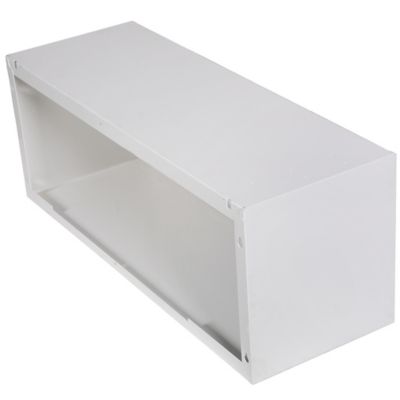
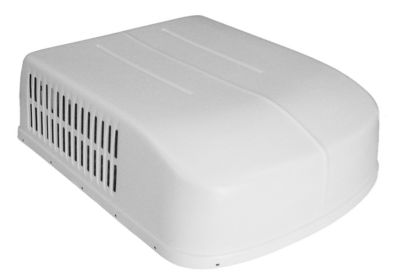
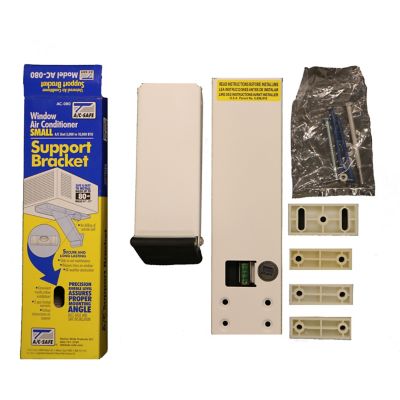
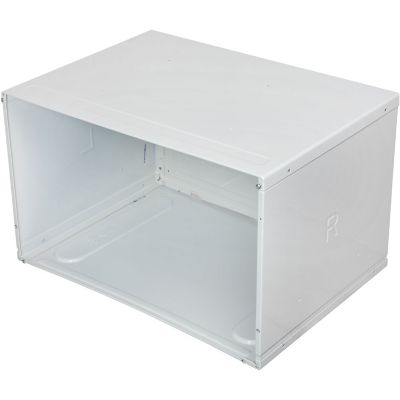
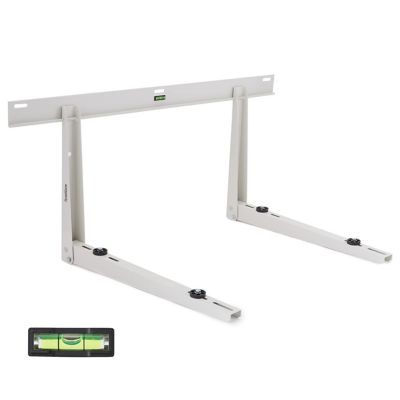
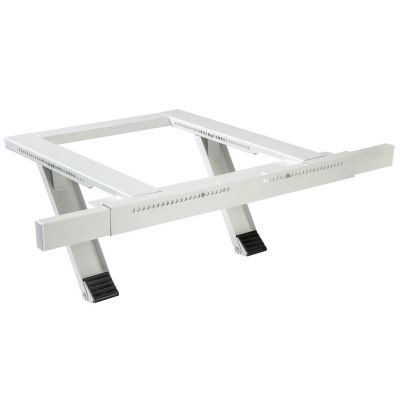
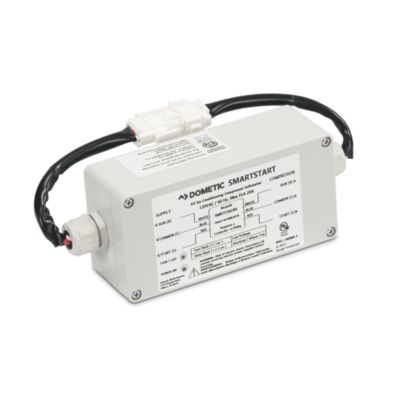
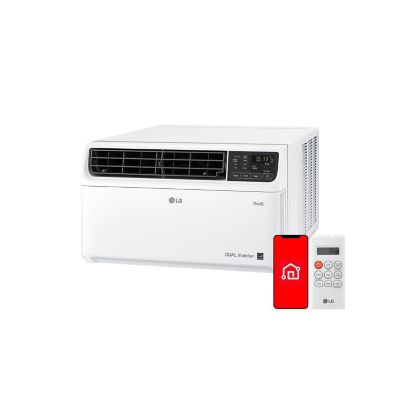
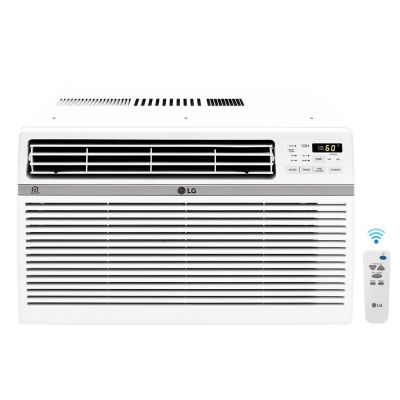
Air conditioner accessories help make cooling equipment easier to install, more comfortable to use and better prepared for changing weather. The right accessory depends on the kind of air conditioner you have and the job you need it to do. A window unit may need a sturdy support bracket, replacement side panels or foam weather seals to close the gaps around the frame. These additions can help steady the unit, reduce drafts and keep outdoor heat, dust and insects from finding a way indoors. Portable air conditioners commonly use window vent kits, exhaust hoses, adapters and sealing panels to direct warm air outside instead of letting it drift back into the room. For a mini-split system, line set covers can give exposed refrigerant lines a cleaner finished look while helping shield them from sun, rain and accidental bumps along an exterior wall. Central air systems may call for an equipment pad to keep the outdoor condenser raised above damp soil, gravel or standing water, along with weather-rated electrical connections and other installation supplies suited to the system. Before buying, check the air conditioner’s model information, measurements and installation requirements. A few minutes spent measuring the window opening, line route or equipment footprint can prevent the aggravation of an accessory that almost fits but leaves a gap, puts strain on the unit or cannot be secured properly. If you are looking for components that replace worn or damaged cooling-system pieces, visit
Air Conditioner Replacement Parts for additional options.
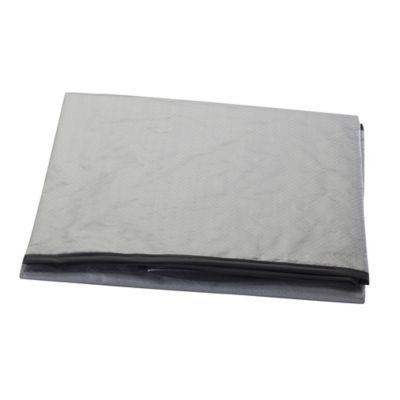
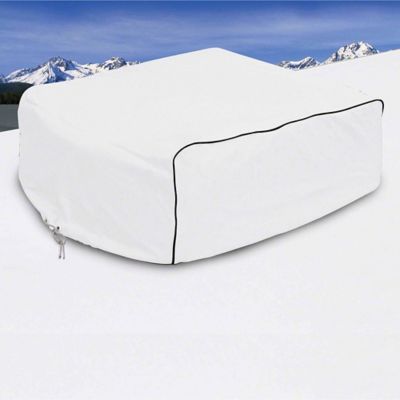
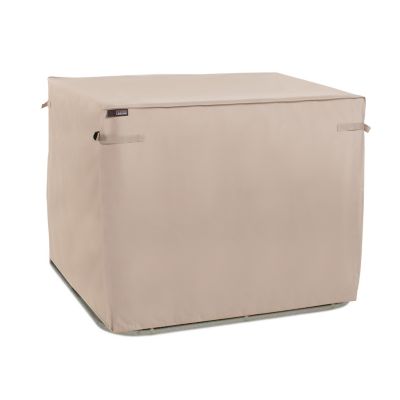
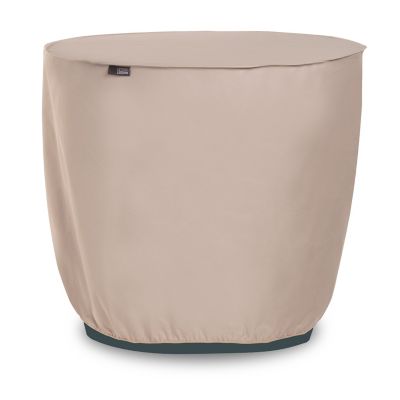
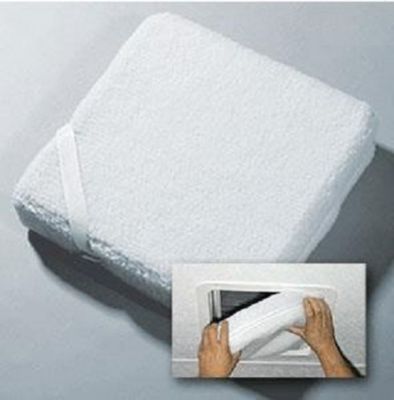
Weather sealing is one of the simplest ways to get more from an air conditioner, especially in rooms where you can feel warm air around the edges of a window unit. Foam strips, insulation panels and replacement side curtains can help close small openings that otherwise allow cooled air to escape. A snug seal also helps quiet rattling and cuts down on the whistling sound that can come from a narrow crack when the wind picks up. Support brackets are worth considering for larger window units or installations where the sill alone is not enough to carry the load; a properly fitted bracket helps transfer weight safely and keeps the unit from shifting. Outdoor covers serve a different purpose. When cooling season winds down, a cover made for the outdoor portion of an air conditioner can help protect it from leaves, ice, snow and blowing debris during the cooler months. Covers should be sized for the equipment and secured according to the manufacturer’s directions, with enough ventilation and drainage to avoid trapping unwanted moisture. For central systems, an equipment pad can help maintain a level base and reduce contact with wet ground, while coil-cleaning supplies and fin-straightening tools can support routine upkeep when used carefully. Bent fins can restrict airflow, and dirt packed into the coil can make a system work harder, so gentle cleaning and a light touch matter. Turn the equipment off before cleaning, keep water away from electrical connections and follow the air conditioner manufacturer’s instructions. Work involving refrigerant, hard-wired electrical connections or major mounting changes is best handled by a qualified professional, particularly when the unit is installed on a high wall, near a roofline or in a spot that is difficult to reach safely.
Comfort and convenience matter just as much as installation, especially in farmhouses, workshops, hunting cabins, garages and other spaces that may see wide temperature swings. A programmable or smart thermostat can make it easier to set a cooling schedule around work hours, sleeping hours and time away from home, while compatible remote controls may help manage a unit without crossing a hot room or dusty shop floor. Check compatibility before purchasing, since not every control works with every type of system or wiring setup. Line set covers, conduit and protective channels can also be useful when an installation runs along a porch, siding or outbuilding wall, helping organize the route and guard exposed lines from weather and everyday wear. When choosing accessories, look for durable materials, accurate sizing, secure fasteners and instructions that match your equipment. In a rural home, dust, pollen, pet hair and yard debris can put extra demands on cooling equipment, so accessories that support clean airflow and a tight installation can be especially helpful during the warmer part of the year. They can also make a practical housewarming gift for someone fixing up a cabin, finishing a workshop or getting a spare room ready for guests, though the best choice will always depend on the recipient’s air conditioner and setup. Whether you are sealing a window unit before another stretch of warm weather, tidying the exposed lines on a mini-split or protecting an outdoor condenser as leaves begin to fall, the right air conditioner accessories can help keep the space more comfortable and the equipment better prepared for the seasons ahead.