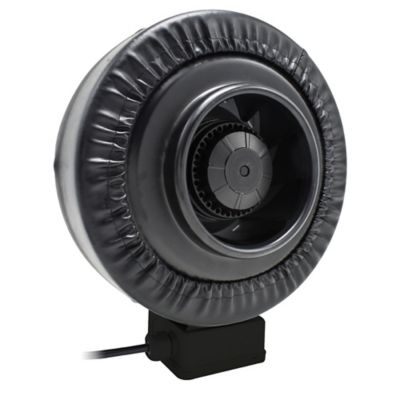
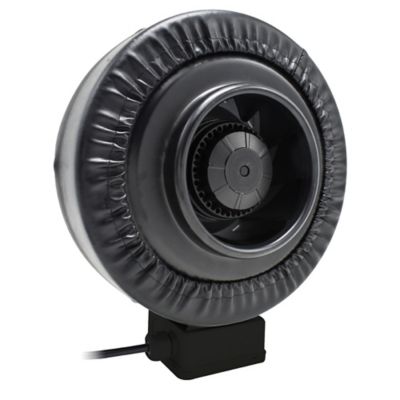
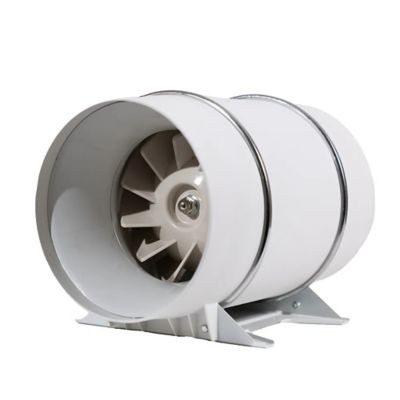
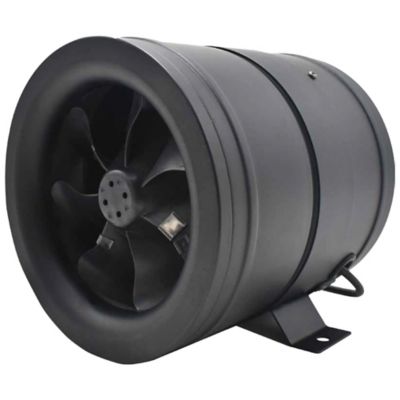
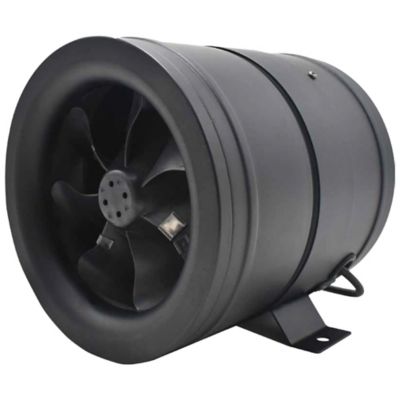
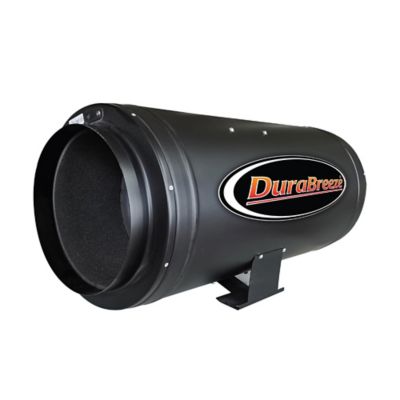
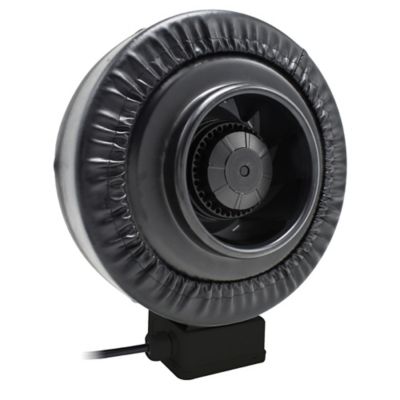
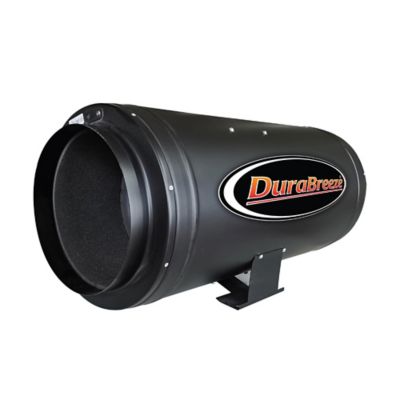
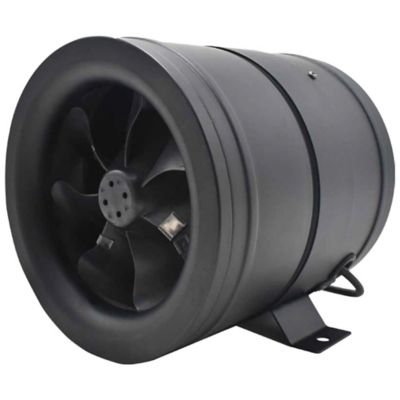
Inline duct fans are a practical way to improve airflow through existing round ductwork when a standard vent does not quite move enough air. Installed directly inside the duct, these compact fans pull air through the center of the pipe and push it along the run, helping overcome long duct lengths, bends, filters, grilles, and other sources of resistance. Depending on the setup, an inline duct fan can help move heated or cooled air between rooms, improve bathroom ventilation, reduce lingering kitchen odors, manage humidity, or exhaust warm air from enclosed spaces. They are also commonly used with grow tents, workshops, storage areas, equipment closets, garages, and other places where steady air movement matters. During the cooler months, better ventilation can help reduce damp, stale air in a tightly closed home, while adjustable airflow can help keep utility rooms, outbuildings, and hobby spaces more comfortable as weather conditions shift. Many models use mixed-flow or centrifugal-style blades to provide strong airflow without taking up the wall or ceiling space required by a traditional exhaust fan. Some are designed for quieter operation, making them a good fit for bedrooms, offices, laundry rooms, and other areas where a loud motor would be a nuisance. For a broader selection of ventilation options, browse
Duct Fans suited to different duct sizes and airflow needs.
Choosing the right inline duct fan starts with checking the diameter of the duct it will connect to. Common sizes include 4-inch, 6-inch, and 8-inch ductwork, though larger and smaller options are available for specialized systems. The fan and duct should match so the connections seal properly and air can move efficiently; using reducers or makeshift connections may create extra turbulence and noise. Airflow is typically listed in CFM, or cubic feet per minute, which describes how much air the fan can move. A smaller room or short duct run may only need modest airflow, while a long run with several elbows, a screen, a filter, or a backdraft damper may require more capacity to deliver useful air movement at the outlet. Keep the intended job in mind rather than choosing by CFM alone. A fan used to exhaust a humid bathroom has different demands from one used to circulate air through a grow tent or boost air through a heating and cooling system. Variable-speed controls are helpful when full power is not needed all the time, allowing you to run the fan gently for steady ventilation or increase airflow when moisture, heat, or odors build up. Temperature and humidity controls can add convenience in spaces where conditions change throughout the day. Noise ratings, power cord length, mounting options, and access to replacement parts are also worth reviewing, especially when the fan will be installed in a hard-to-reach ceiling, attic, crawl space, or utility area.
Inline duct fans can be useful for homeowners, renters with approved installations, farm and ranch families, workshop owners, greenhouse growers, and do-it-yourselfers who are improving airflow one room at a time. They can help a bathroom clear steam after a shower, move warm air away from an equipment cabinet, or freshen a closed-up shed before it becomes musty. In a home with a distant bathroom or laundry room, an inline fan may help strengthen an underperforming exhaust path when the existing ductwork is properly sized and routed. In agricultural and outbuilding settings, ventilation can help manage heat and moisture, though animal housing and fuel-burning areas require careful planning and equipment suited to those conditions. These fans also make a useful practical gift for someone setting up a workshop, finishing a basement, building a hobby room, or tending plants indoors. Installation should follow the manufacturer’s instructions, with the fan supported securely so its weight does not pull on the duct or electrical connection. Seal joints with materials made for ductwork, keep the airflow direction pointed toward the exhaust or supply end, and leave enough access for cleaning dust and debris from the housing and blades. Any wiring, hardwiring, or installation near moisture should be handled according to local codes and, when needed, by a qualified electrician. With the right diameter, airflow rating, controls, and installation plan, an inline duct fan can quietly handle the everyday work of moving fresher air where it is needed most.