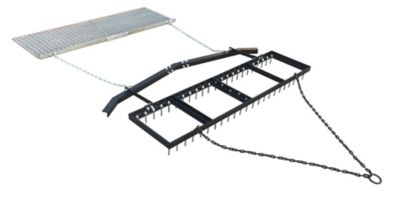
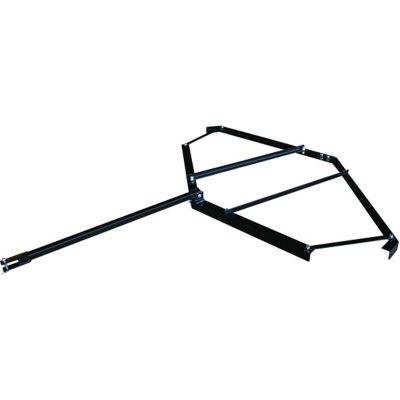
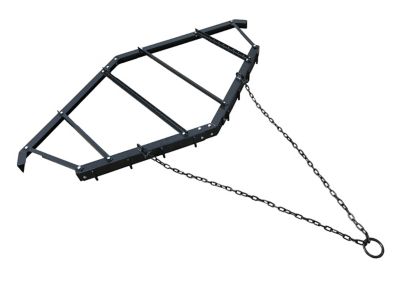
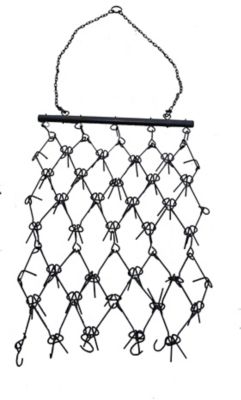
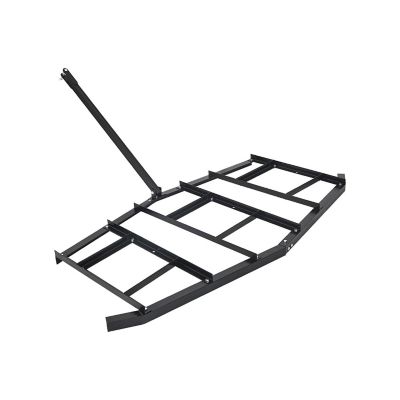
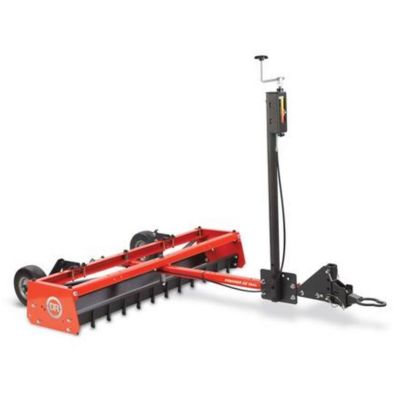
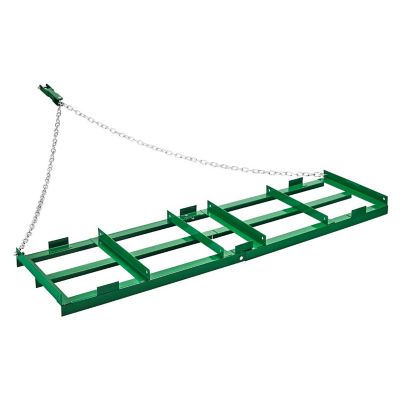
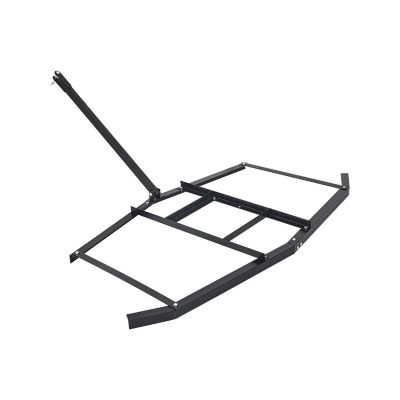
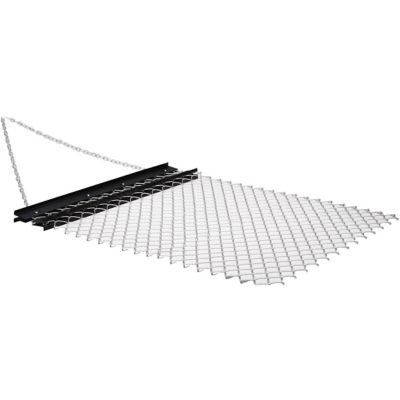
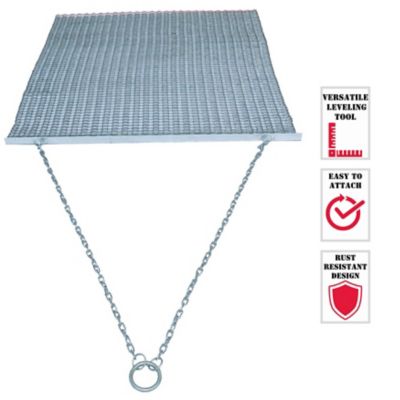
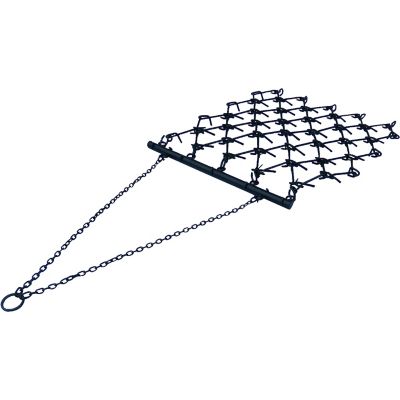
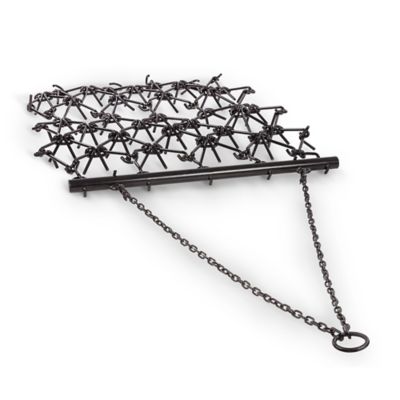
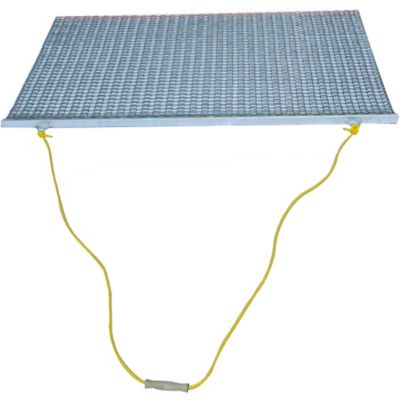
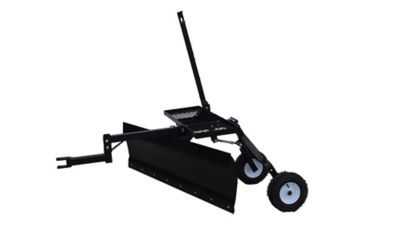
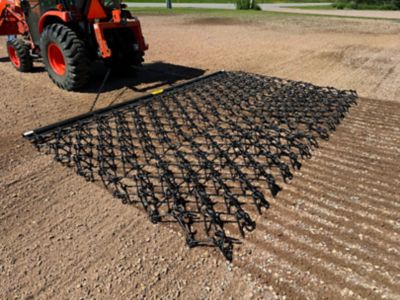
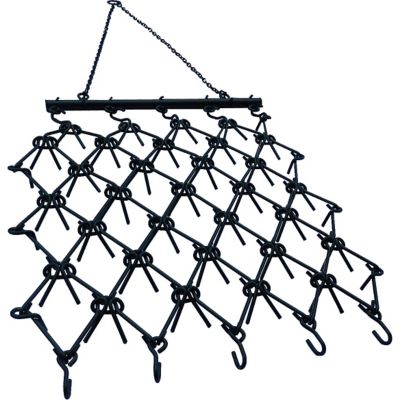
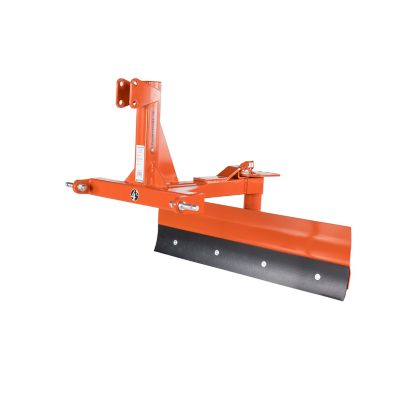
A driveway drag is a tow-behind tool that spreads and levels loose gravel, dirt, or crushed stone on an unpaved driveway. As it travels over the surface, its bars, mesh, or teeth move material from raised spots toward shallow ruts and depressions, helping smooth the path between the road and the house, barn, or equipment shed. It’s a practical fit for property owners who want to maintain an established drive without bringing in heavier grading equipment for every touch-up. Driveway drags generally work best where there’s enough loose surface material to redistribute; they don’t create fresh gravel or repair a failing driveway base. Deep potholes, exposed subsoil, and badly compacted ridges may call for additional material or more substantial groundwork before a drag can make much difference. Choosing a suitable setup starts with the driveway itself: its width, length, surface material, curves, and slope all affect how a tow-behind tool handles the job. A broad working width can cover an open lane with fewer passes, while a narrower frame may be easier to maneuver between gateposts, beside a fence, or around a tight turnaround. Overall width matters as much as working width when the route includes narrow entrances or limited storage space. The towing vehicle is another big part of the fit. Depending on the design and towing requirements, a driveway drag may pair with an ATV, UTV, lawn tractor, or compact tractor, but compatibility comes down to the vehicle’s approved towing capacity, hitch arrangement, traction, and braking ability. A drag moving loose stone can put a different load on a vehicle than its resting weight suggests. Matching the connection style and checking turning clearance helps keep the setup suited to everyday property work. For a long gravel approach, a short lane to the barn, or an equipment parking area, the right match balances coverage with control rather than simply choosing the widest or heaviest frame.
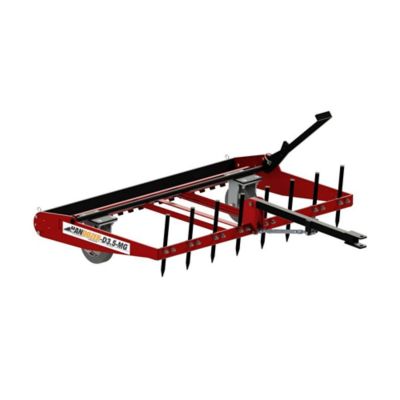
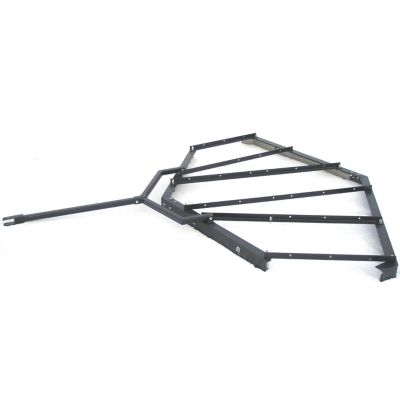
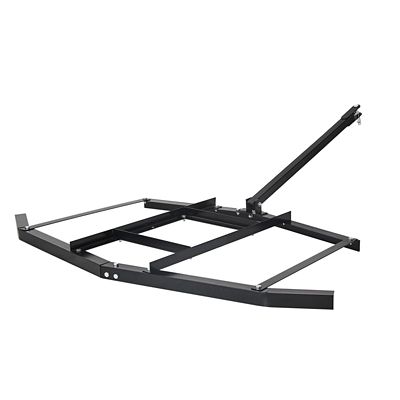
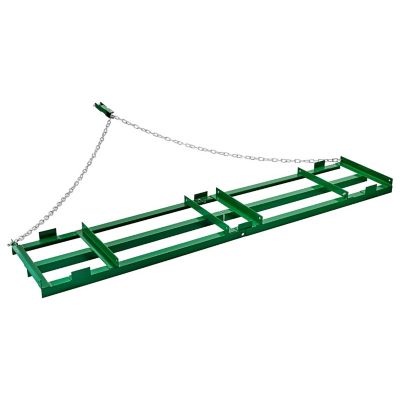
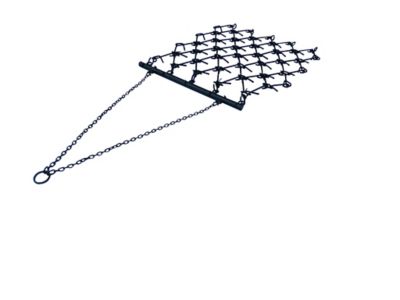
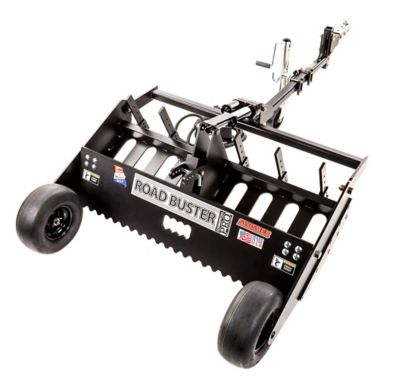
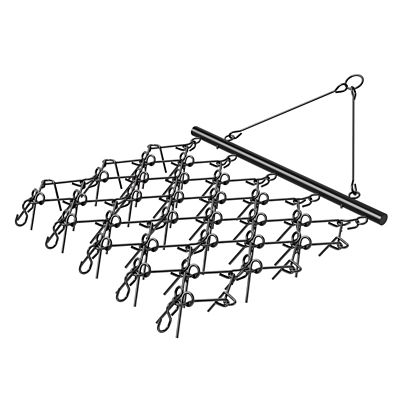
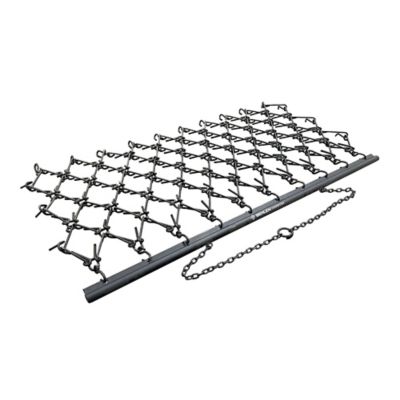
Construction affects how a driveway drag engages the surface and how much attention it needs over its service life. Steel frames and working bars provide weight and rigidity, while chain or mesh sections can follow smaller changes in the ground. A rigid frame generally holds its shape across minor dips, whereas a more flexible design rides closer to the existing contours. Neither approach suits every driveway, so the surface and the kind of maintenance needed matter more than appearance alone. Straight leveling bars help spread loose material, and designs with teeth or tines can provide more bite where the surface needs loosening. Tooth shape, spacing, and working depth influence how aggressively a tool disturbs the driveway. Fine stone and loose screenings behave differently from larger crushed rock, and an aggressive setup can move more material than a light touch-up requires. Added weight is an option only on designs built to accept it, within the maker’s limits; a heavier load isn’t automatically a better match. Frame joints, welds, hitch points, and replaceable wear parts deserve attention because they take the strain as the drag crosses uneven ground. Protective finishes help limit corrosion, though contact with stone will gradually wear exposed working surfaces. The shape left behind matters, too. A driveway should look even without losing the slope or crown needed for drainage. Flattening every high spot indiscriminately can change where water travels, especially beside a ditch, culvert, or building entrance. Along the sides,
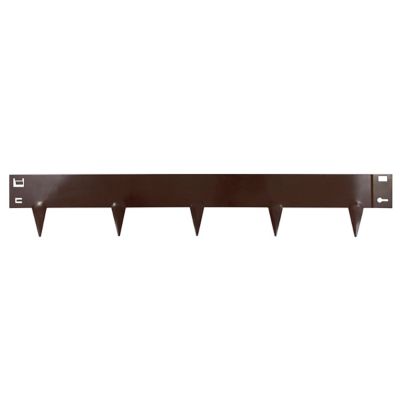
Driveway Edgings can help define boundaries and contain loose stone, depending on their height, placement, and construction. A drag needs enough clearance to work without catching those edges or pulling material into adjoining grass. Gates, concrete aprons, utility covers, and transitions to paved surfaces also affect the working space. These details help determine whether a broad, rigid tool or a smaller, more flexible setup makes more sense for the property.
Everyday usability often shows up in the small details: how easily the hitch connects, how the tool follows a curve, and whether there’s room to turn around at the far end of the lane. A straight farm entrance offers a different working space from a winding driveway with trees close to both sides. Repeated tire tracks near a mailbox, shallow washboard ridges along an approach, and loose gravel pushed toward the shoulders can each call for a different degree of surface engagement. Results depend on the material beneath the drag as well as the tool itself; firmly packed ground may resist a light frame, while a loose layer can shift readily. Controlled travel speed and overlapping coverage generally give the working sections more opportunity to redistribute material than fast towing. Sharp turns can swing a drag beyond the towing vehicle’s path, making clearance especially important around posts, parked equipment, and buildings. For households maintaining several unpaved areas, transport and storage features can be just as useful as working width. Some designs offer transport wheels or folding sections, while others need a clear place to rest between jobs. Care stays fairly straightforward, but it makes a difference over time. Removing packed dirt, tangled grass, and trapped stones allows a closer look at the frame and moving connections. Hitch pins, clips, chains, bolts, and wear surfaces need regular inspection, particularly after contact with an obstruction. Bent components, cracked welds, or stretched links warrant attention before another pass down the driveway. Lubrication belongs only where the manufacturer calls for it, and storage off the ground helps reduce prolonged contact with moisture. A driveway drag that fits the towing vehicle, works with the existing surface, and is manageable to store can become a practical part of routine upkeep. For homeowners, acreage owners, and folks tending barn lanes or equipment yards, that means a tool matched to the ground they actually maintain.