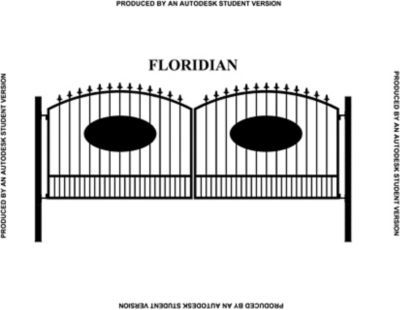
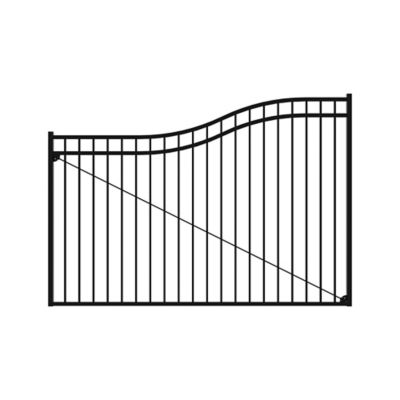
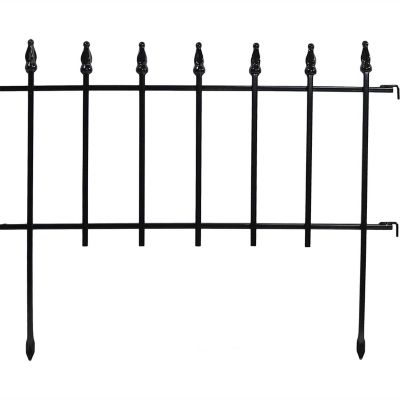
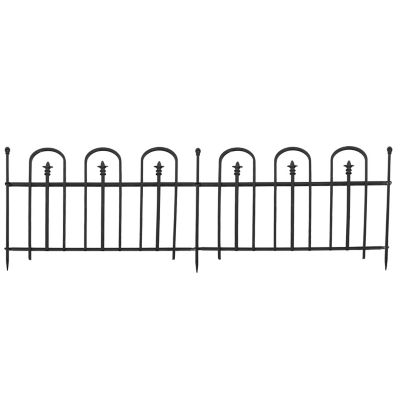
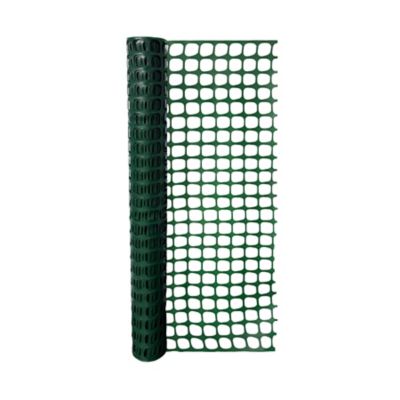
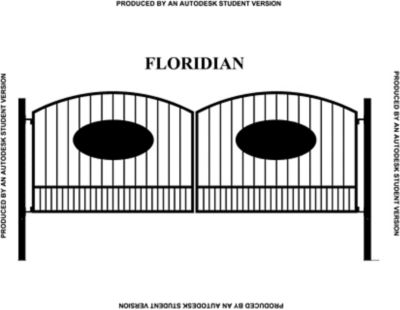
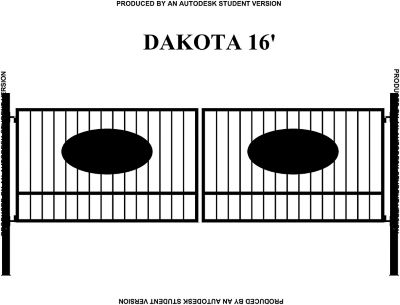
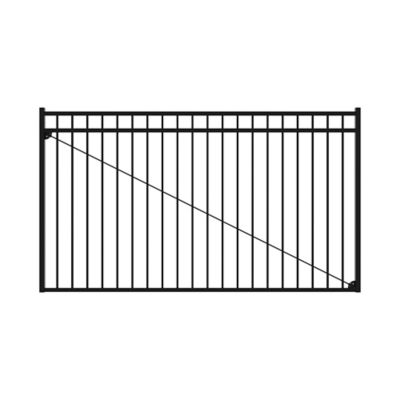
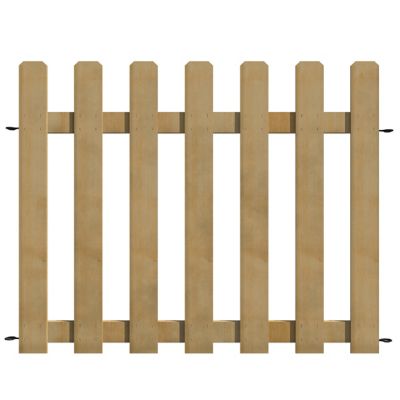
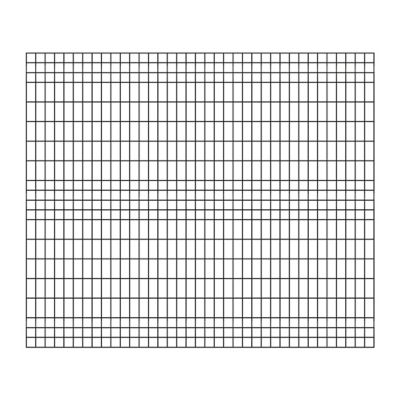
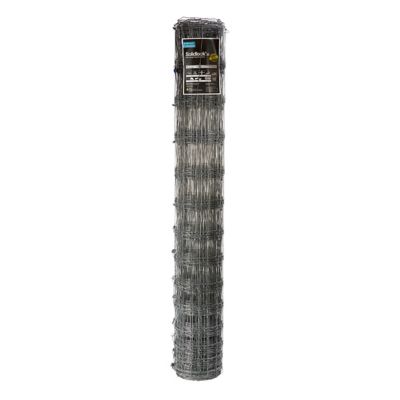
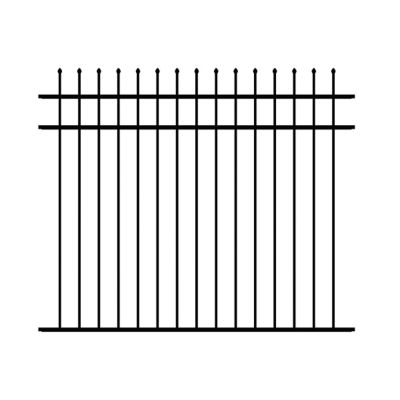
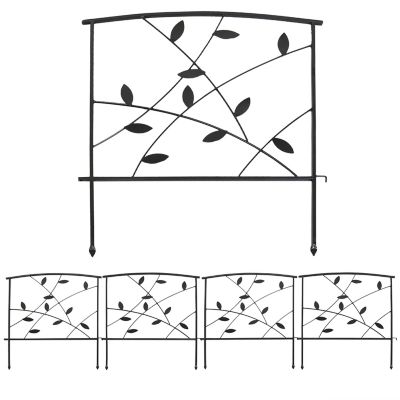
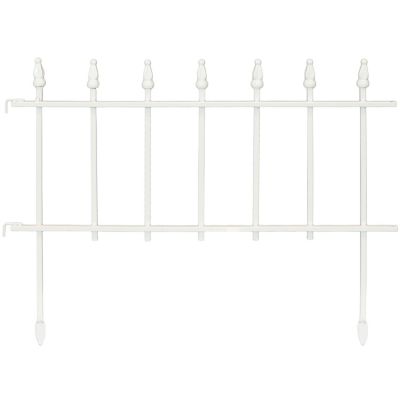
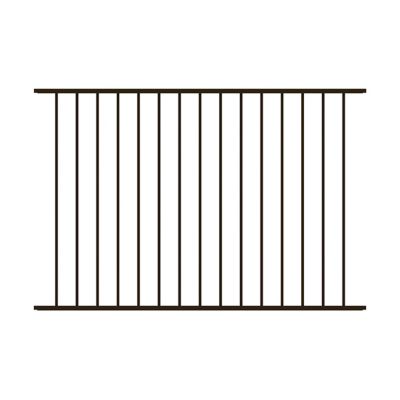
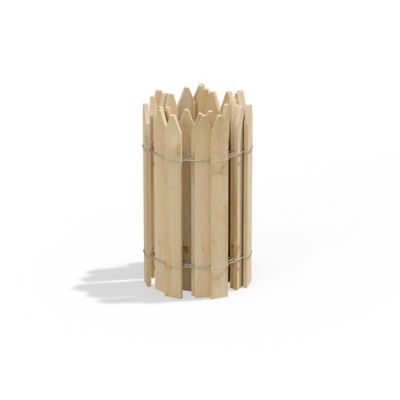
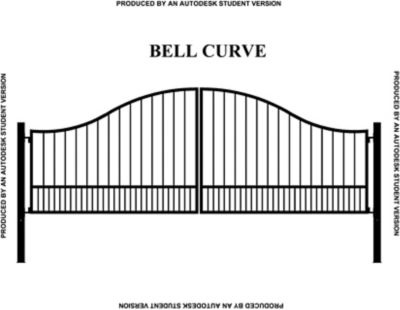
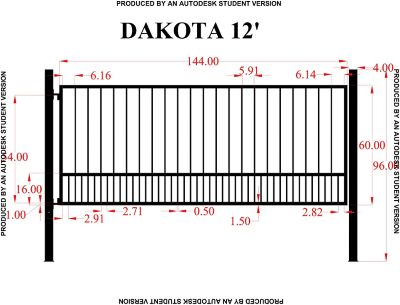
Driveway fences define the entrance to a property, help direct vehicle access, and give the front boundary a finished look. Paired with a properly fitted gate, they can also help manage access to the yard and create a boundary for pets or livestock when the design suits the animals involved. The right setup depends on what sits beyond the entrance. A long farm lane carrying feed deliveries and livestock trailers calls for a different arrangement than a short gravel drive beside a house. Open rail fencing keeps views across the property, while closely spaced boards offer more screening from passing traffic. Metal picket styles create a clear boundary without hiding the house, and wire fencing can connect an entrance to a larger pasture or animal enclosure. Material choice affects both appearance and upkeep. Wood brings a familiar farmstead look and allows for several rail and board arrangements, though it needs attention to splits, loose fasteners, and finish condition. Steel provides strength for gates and fence sections, with protective coatings helping limit corrosion. Aluminum generally weighs less than steel, which can matter when choosing a gate that gets opened by hand several times a day. Vinyl offers a smooth, consistent appearance and needs cleaning rather than painting, but its connections and supports still deserve regular checks. A driveway fence can match the rest of the property line or mark the entrance with a different style while keeping the same height or color. Where the yard calls for more screening, options in
Private Fences can help carry that enclosed look beyond the driveway. For homes with children or pets, fence height, bottom clearance, opening size, and latch placement matter more than appearance alone. No fence or gate replaces supervision, and an entrance designed mainly for curb appeal may not provide suitable containment.
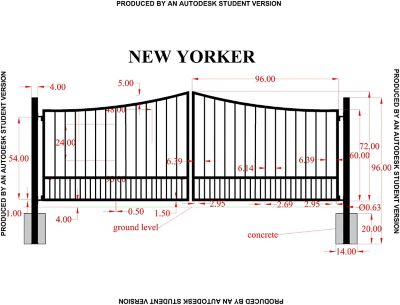
A good driveway fence layout leaves enough room for the vehicles that actually visit the property, not just the pickup parked there every evening. Gate width should account for mirrors, trailer fenders, turning angles, and the space needed to straighten out before passing through. A narrow entrance off a busy road can be especially awkward when a truck and trailer cannot pull clear of traffic before someone opens the gate. Setting the gate farther inside the property may create room to stop, provided the placement follows local requirements and leaves the needed access clear. Swing gates need unobstructed space through their full arc, while sliding gates need room alongside the opening and a suitable support arrangement. A sloped driveway adds another consideration: a gate that clears the ground when closed may drag as it swings uphill. Double gates can divide a wide opening into smaller leaves, but the center meeting point, drop rods, and stops need to work together without leaving a troublesome gap. Fence height and spacing should follow the purpose of the boundary. A low rail fence may neatly mark the drive but will not contain a determined dog, and large openings can be unsuitable for small animals. Where horses or livestock are nearby, look at the fence from the animal’s side as well as from the road, paying attention to sharp edges, projecting hardware, and spaces that could catch a head or hoof. Keep sightlines open where the driveway meets the road so drivers can see approaching traffic and people walking along the shoulder. Before settling on a layout, confirm property lines, easements, local fence rules, and any requirements affecting emergency access. Have underground utilities located before digging postholes. Those checks help keep an entrance from interfering with a utility corridor, a neighboring drive, or the room a delivery driver needs to turn.
Posts, hinges, latches, and connections do much of the hard work in a driveway fence, even when the rails or panels catch the eye first. Gateposts carry moving weight, so their size, setting depth, footing, and bracing should suit the gate span, soil, and installation requirements. A gate attached to an undersized post can sag or pull out of alignment, leaving the latch hard to close and the bottom edge scraping the drive. Matching the hinge and latch arrangement to the gate’s weight and direction of travel helps the entrance work smoothly through daily trips to the barn, school drop-offs, and delivery stops. For a hand-operated gate, consider whether someone carrying a feed bucket can reach and work the latch without an awkward stretch. A separate walk-through opening can keep routine foot traffic away from the vehicle gate when the layout allows. Powered entrances bring another set of requirements, including compatible controls, entrapment protection, a way to open the gate during a power interruption, and installation that follows the manufacturer’s directions and applicable safety standards. Children should stay clear of moving gates and their controls. Ongoing care is straightforward but worth making part of regular property checks: tighten loose fittings, inspect welds and connections, clear debris from moving parts, and address damaged coatings before corrosion spreads. Wood components need checks for rot or splitting, especially around fasteners and near the ground. Keep hinges and other moving parts maintained according to their instructions rather than applying the same treatment to every material. Leave access for mowing or trimming along the fence without forcing equipment against posts. A well-planned driveway entrance balances appearance with everyday work: room for the hay trailer, a gate that closes without a shove, clear views at the road, and a boundary suited to the people and animals behind it.