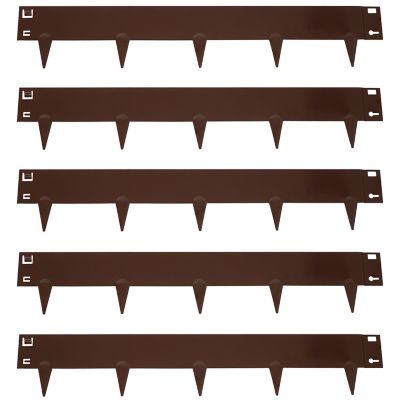
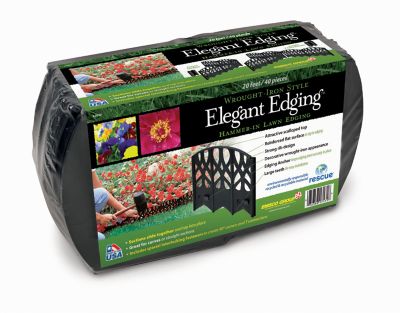
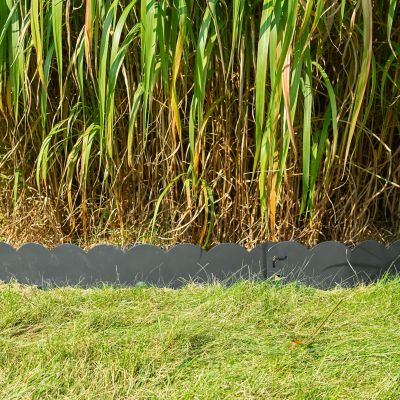
Driveway edging creates a defined border between a driving surface and the lawn, planting beds, or open ground beside it. Along a gravel drive, that boundary helps keep loose stone from spreading into the grass; beside concrete or asphalt, it gives the edge a finished look and helps separate turf from pavement. The right border can also hold back adjacent mulch and make trimming along the driveway less of a chore, though grass control still depends on edging depth, joints, and regular upkeep. On a country property, those benefits show up in everyday ways: fewer stones scattered toward the mower, a clearer line beside the walk to the house, and a tidier entrance where visitors pull in. Driveway edgings range from low-profile strips that nearly disappear into the landscape to substantial blocks that form a visible curb. Stone and cobblestone offer weight and texture, brick and concrete pavers create orderly lines, and metal edging provides a narrow boundary without taking up much space. Flexible plastic, vinyl, and rubber borders suit different layouts, especially where a drive bends around a bed or follows a sweeping approach. These materials serve different purposes, so a border meant to separate grass from gravel should not be mistaken for a barrier that can stop a vehicle or support a tire. Homeowners tending a small front drive, acreage owners keeping a long gravel lane contained, and folks freshening up an entrance near a barn all have different needs. The driveway surface, surrounding soil, drainage, and traffic matter more than looks alone. A straight stretch beside a level lawn calls for a different fit than a sloped entrance where rain carries loose gravel downhill. Height matters, too: a taller border holds more material, while a lower edge leaves less in the way of doors, boots, mower decks, and routine yard work. A well-matched border looks like it belongs with the house and grounds while standing up to the work that happens nearby.
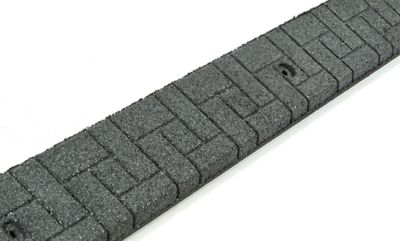
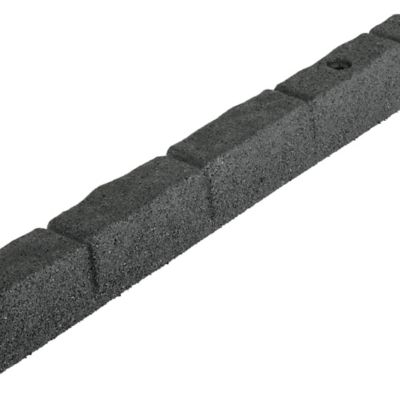
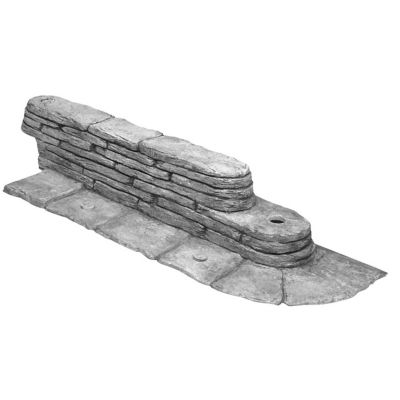
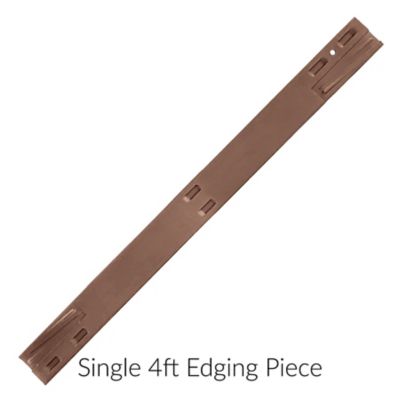
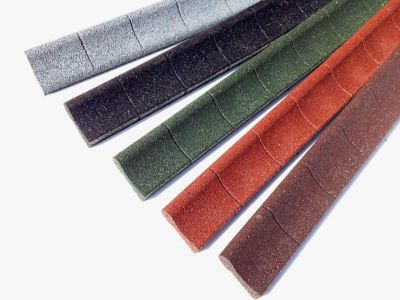
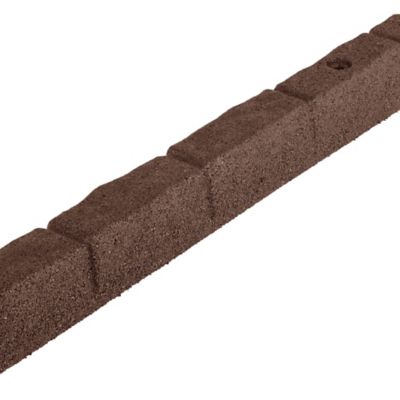
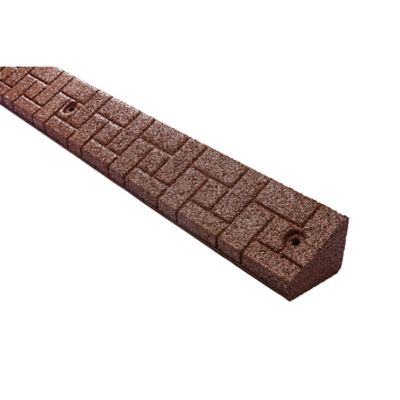
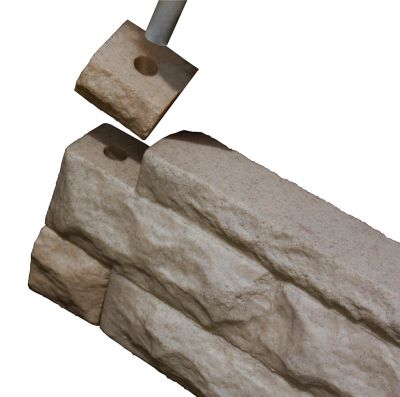
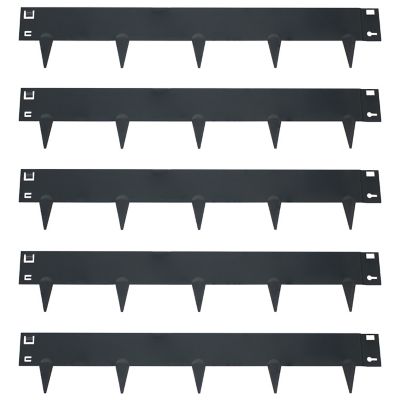
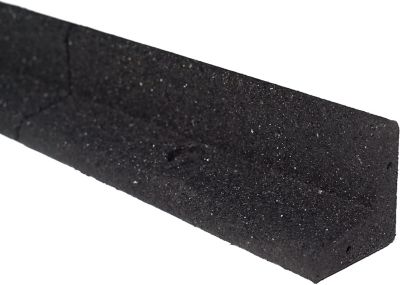
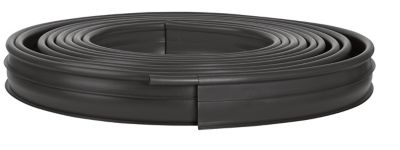
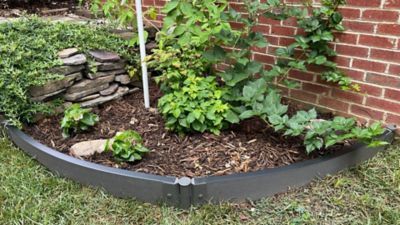
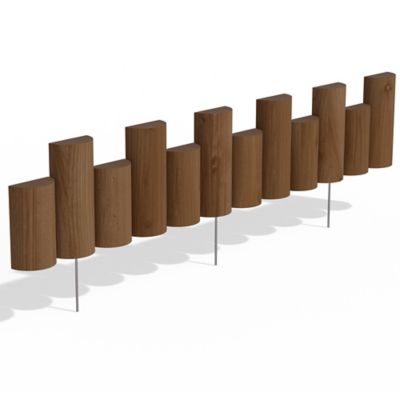
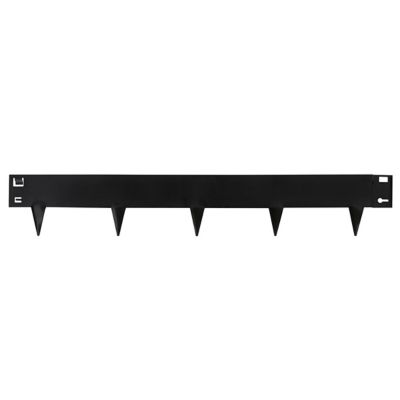
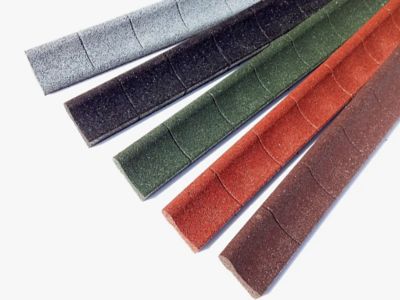
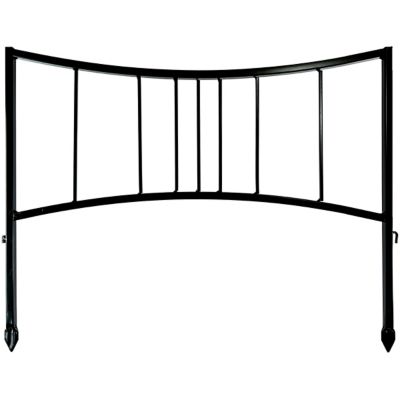
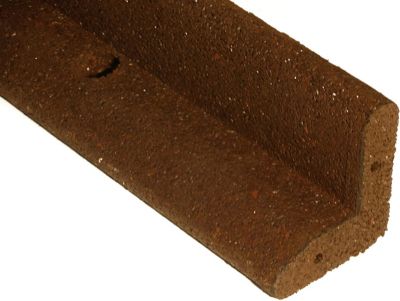
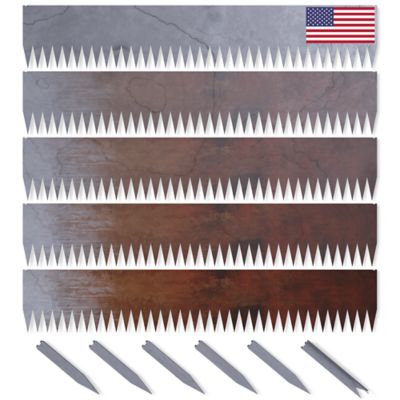
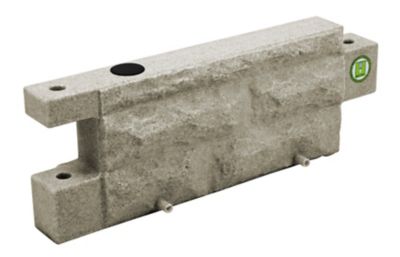
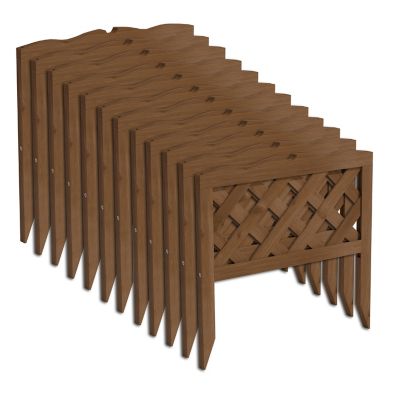
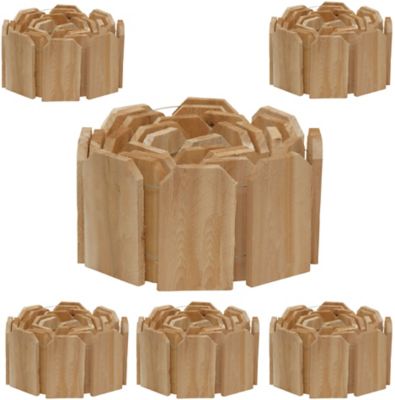
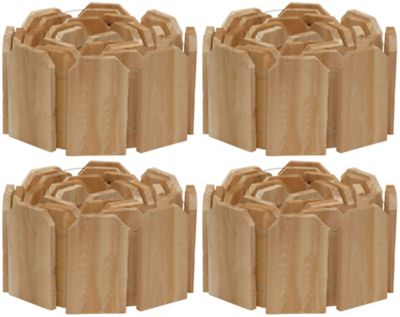
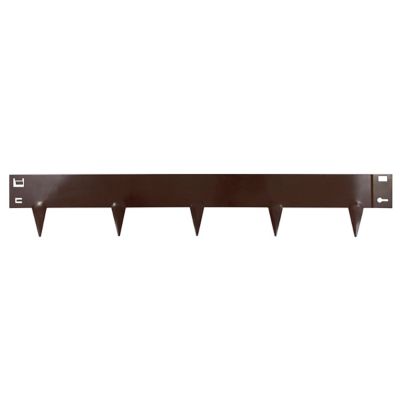
Material choice shapes both the appearance of driveway edging and the attention it needs over time. Natural stone and cobblestone bring irregular texture and a substantial feel that sits comfortably beside gravel, pasture fencing, and established trees. Their weight helps them stay put, but a sound base is still important, especially where soil settles or freezes. Uneven pieces can accommodate subtle changes in a border’s shape, although they need careful fitting to form a consistent edge. Brick and concrete pavers offer more regular dimensions for straight runs, repeating patterns, and clearly outlined curves. Their joints and base deserve attention because gaps can collect soil and sprout weeds, while movement underneath can leave individual sections tilted. Where freezing weather is common, suitability for freeze-thaw exposure is an important material consideration. Steel edging provides a slim dividing line and can suit both straight and curved layouts, depending on its thickness and design. Protective finishes affect how steel handles moisture, and scratches may need attention according to the manufacturer’s care directions. Aluminum resists rust and is lighter to handle, though resistance to bending depends on its profile and thickness. Neither material should be assumed to tolerate vehicle contact unless it is rated for that purpose. Plastic and vinyl edging are generally light and flexible, making them practical for winding borders where a rigid piece would leave awkward angles. Their long-term performance depends on sun exposure, temperature changes, anchoring, and the amount of gravel or soil pressing against them. Rubber edging offers another option for a softer-looking boundary; some versions contain recycled rubber, with composition and intended placement varying by design. For a more natural-looking transition beside planting beds or a rural entrance,
Wooden Edgings can complement nearby posts, rails, and timber features. Wood in contact with soil needs an appropriate ground-contact rating, and moisture, insects, and local conditions affect its service life. Across all these materials, color, texture, edge shape, and overall size help tie the driveway into the rest of the property without making the border the center of attention.
Fit is about more than the distance from one end of the drive to the other. Edging length, installed height, thickness, connector style, and anchoring requirements all influence how a border settles into place and holds its line. Flexible sections need enough support to maintain smooth curves, while rigid sections need dimensions that work with corners and changes in direction. On gravel drives, the amount of edging above ground determines how much loose material it can help contain, but the portion below ground and the support behind it matter just as much. An attractive curb sitting on soft, unprepared soil can shift after a hard rain or a season of freezing and thawing. Areas near a mailbox, gate, or turnaround deserve particular attention because tires may track closer to the edge when a pickup swings wide or a trailer backs in. Where wheels are likely to cross the border, a load-rated, properly supported system is a better match than light landscape edging. Raised edges also change how water moves, so drainage paths need to remain open rather than trapping runoff against the driveway or sending it toward a building. That consideration becomes especially noticeable during stretches of rain or melting snow. Routine care varies by material, but common needs include clearing packed leaves from the border, returning scattered gravel to the driving surface, checking for loose stakes or connectors, and resetting sections that have lifted or leaned. A border close to mowing height needs enough clearance for the mower’s path, and any exposed metal top should have an edge design suited to its placement. Where snow removal is part of property upkeep, plow clearance and border visibility also affect the best fit. For a driveway that sees muddy boots, feed deliveries, family vehicles, and plenty of trips between the house and outbuildings, edging earns its place by keeping the transition between surfaces clear and manageable. The strongest match balances material, support, drainage, and everyday traffic with a look that feels at home on the property.