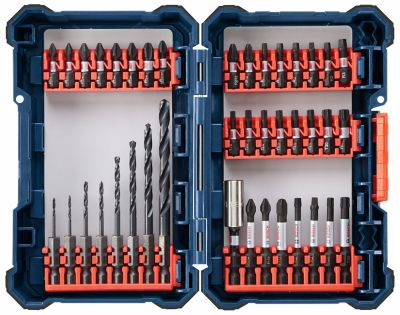
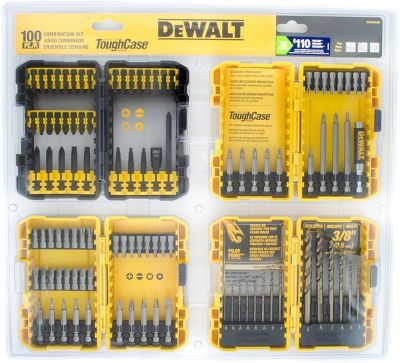
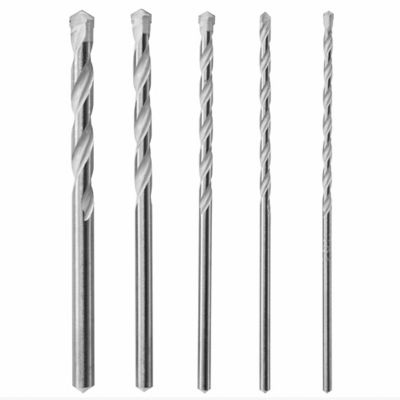
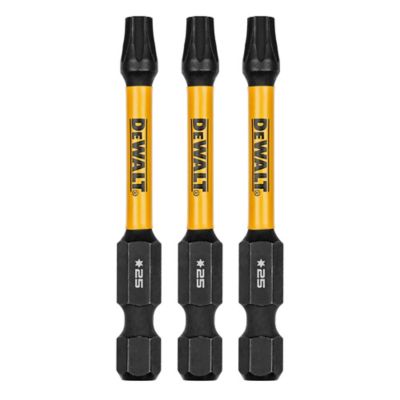
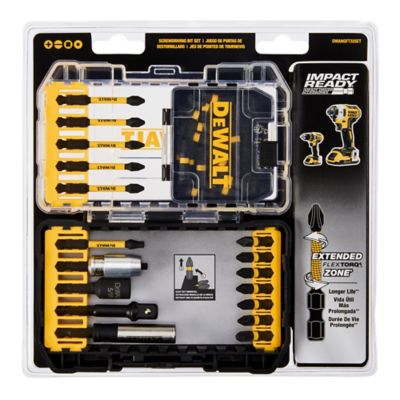
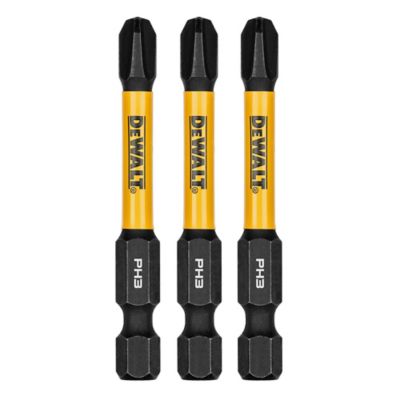
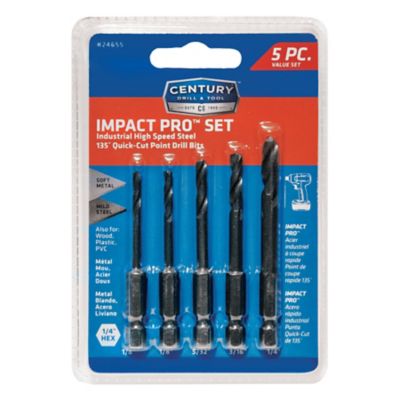
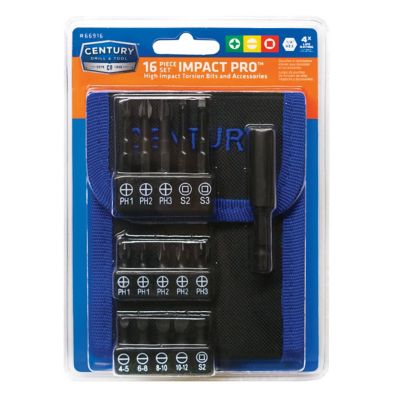
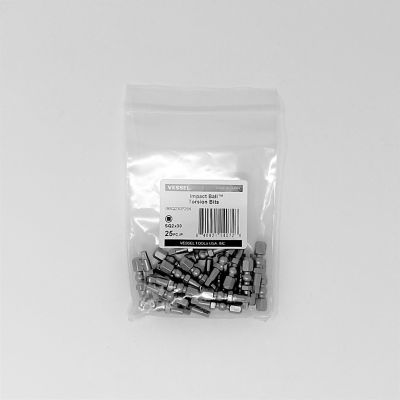
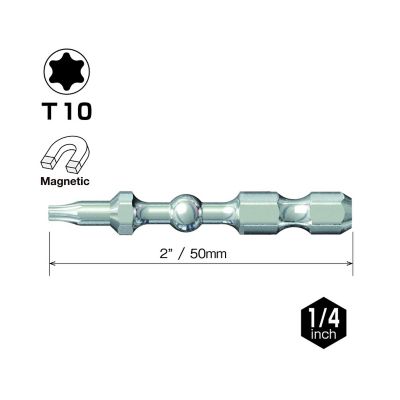
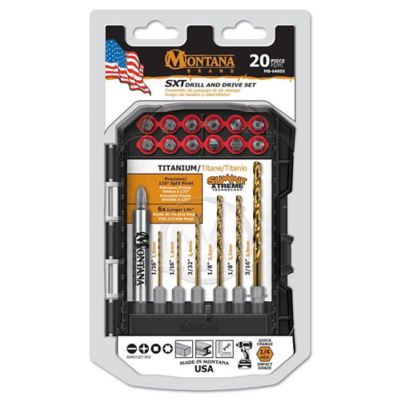
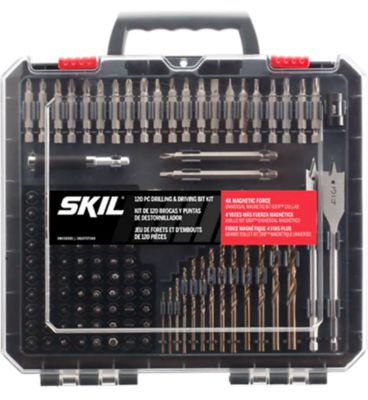
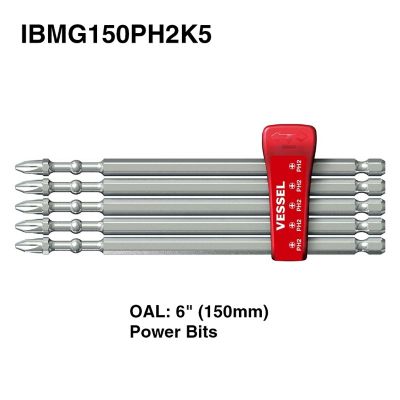
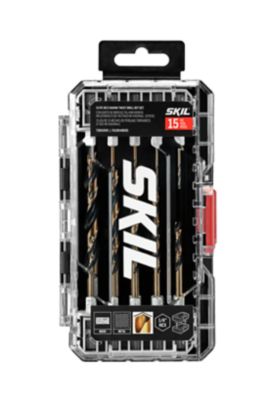
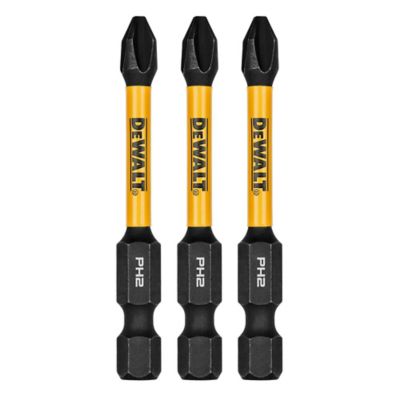
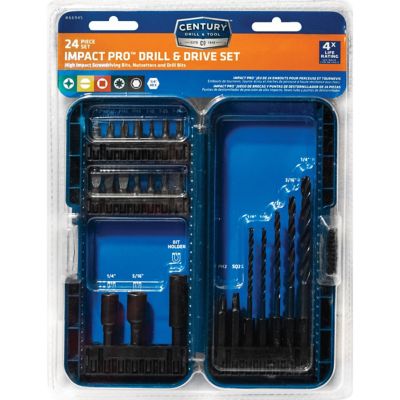
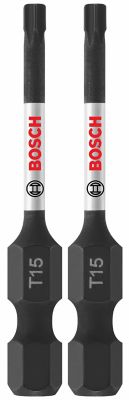
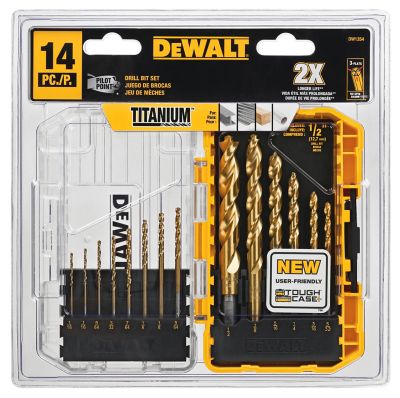
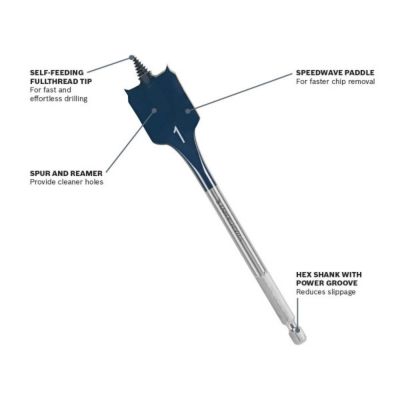
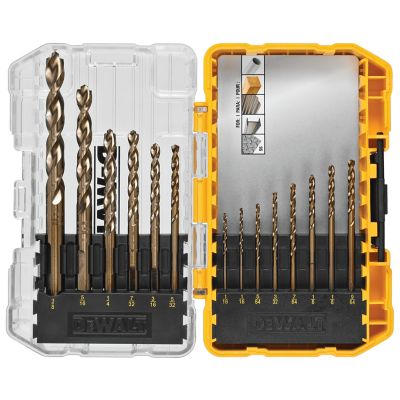
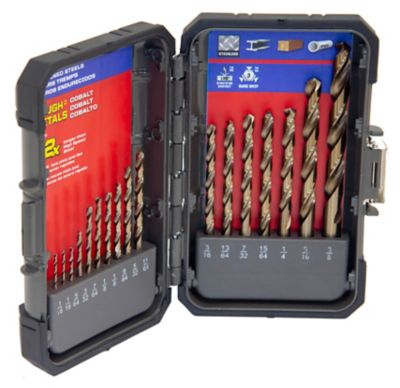
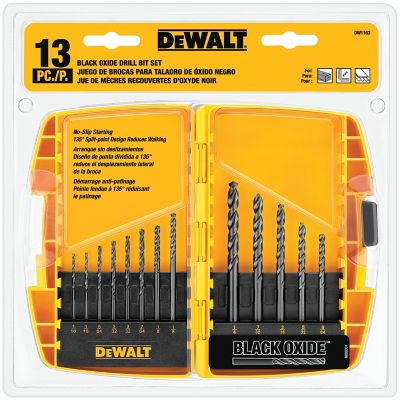
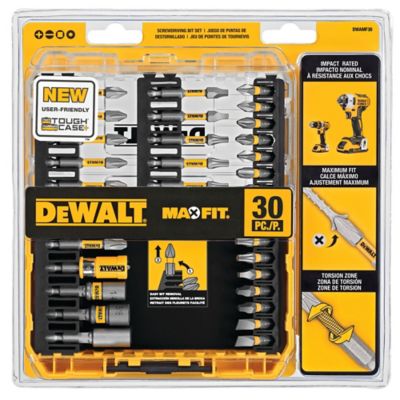
Impact driver drill bit sets bring together bits for drilling holes, driving fasteners, or both, depending on the assortment. For work with an impact driver, the important distinction is an impact rating: the bit must be designed for the tool’s repeated bursts of rotational force, not simply shaped to fit its chuck. Around a farm shop, garage, or equipment shed, that matters when a job moves from boring pilot holes in lumber to fastening boards or attaching hardware. Materials and construction play different roles across these tasks. S2 tool steel and other alloy steels are common in driving bits because the balance of hardness and toughness helps them handle demanding fastening work. Some impact-rated driving bits have a torsion zone, a section designed to flex under load and absorb peak torque rather than pass all that stress directly to the tip. Drill bits need cutting edges suited to the material being bored. High-speed steel is common for general drilling, while cobalt-bearing high-speed steel can offer better heat resistance for suitable metalworking applications. Those material descriptions alone do not establish impact compatibility; the manufacturer’s rating still matters. Titanium nitride and other surface treatments can help reduce friction and wear in certain applications, but a coating does not turn a standard drill bit into an impact-rated accessory. It also does not make a bit suitable for every surface. Wood, sheet metal, and harder metals place different demands on cutting geometry, speed, and support. A useful assortment reflects the work ahead, whether that means small pilot holes for cabinet hinges, clearance holes in a bracket, or screw-driving bits for assembling a feed-room shelf. The strongest fit comes from matching bit construction, intended material, and tool compatibility, rather than judging a set by its piece count alone. Several frequently needed sizes can earn more space in a tool bag than a larger assortment with little connection to everyday repairs. Clear size markings and a straightforward case layout make those differences easier to spot before the work begins.
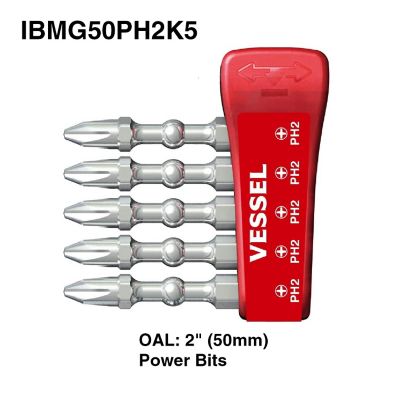
Fit starts at both ends of the bit. Many impact drivers accept a 1/4-inch hex shank, but the shank style and retention groove still need to match the tool’s chuck requirements. A round-shank drill bit intended for a conventional drill chuck is not a direct fit for that connection. At the working end, screw-driving bits must match the fastener’s recess type and size. Phillips, square, star, and slotted profiles are not interchangeable, and a tip that almost fits can slip, damage the screw head, or wear down before the job is finished. A snug match helps transfer force cleanly, especially when driving a run of screws into framing lumber or reaching hardware along a stall partition. Bit length changes access, too. Short bits keep the setup compact, while longer bits can reach past a hinge leaf or into a recessed fastening point. Extra reach can help around obstructions, though it also calls for steady alignment and enough room to keep the tool square to the fastener. Magnetic holders and quick-change extensions can make fastening work easier when their ratings and connections suit the application; they do not replace a secure mechanical fit. Shoppers considering
Impact Driver Sets alongside bit assortments can compare the tool’s chuck specifications and recommended accessories before building out a working kit. The task matters just as much as the connection. An impact driver can handle certain drilling jobs with properly rated bits, but a conventional drill often offers better speed control for drilling metal or making holes where finish and placement matter. An impact driver’s rotational blows also differ from the forward hammering action of a hammer drill, so masonry work requires the appropriate tool and bit combination. For lighter hardware, small screws, and softer materials, control matters more than maximum torque. Power settings, pilot-hole requirements, and fastener instructions help determine whether the setup suits the job. A set earns its place when its sizes, profiles, and lengths cover actual tasks without requiring a near match.
Service life depends on how the bits meet the work and how they travel between jobs. A bit rattling loose beside sockets and fence hardware can pick up damaged cutting edges or become hard to identify when its markings wear. A fitted case keeps sizes separated and makes a missing piece easier to notice before heading out to a repair. Positive bit retention matters in a portable kit, while readable labels help when several similar diameters sit side by side. Duplicate driving tips can be practical for frequently encountered screw heads, especially when more than one person shares the shop tools. For drilling bits, the spread of diameters often matters more than repeated sizes, particularly when work includes both pilot holes and larger clearance holes. Moisture, packed chips, and lingering debris can shorten service life, so clean, dry storage belongs in the same conversation as steel composition and coatings. Metal drilling generates heat, and appropriate cutting speed and lubrication, where recommended, help protect the cutting edge. Forcing a dull bit can create more heat without making useful progress. Rounded driving tips, chipped edges, cracks, or a bent shank are signs that a bit no longer belongs in the working lineup. A sharp, properly seated bit and a firmly supported workpiece make a better pairing than extra pressure on the tool. Eye protection remains important around flying chips and broken fragments, whether the job is at a bench or beside a gate. These sets suit property owners, mechanics, maintenance crews, woodworkers, and anyone whose repair list regularly includes screws, brackets, and pilot holes. They can also make a practical gift for someone setting up a shop or filling gaps in an established tool kit, provided the assortment matches the recipient’s tools and usual projects. A compact case with familiar fastening profiles may suit routine repairs, while a broader selection of impact-rated drilling and driving accessories can support more varied work. The lasting value is straightforward: the right fit, useful sizes, and a case that keeps the next bit easy to find.