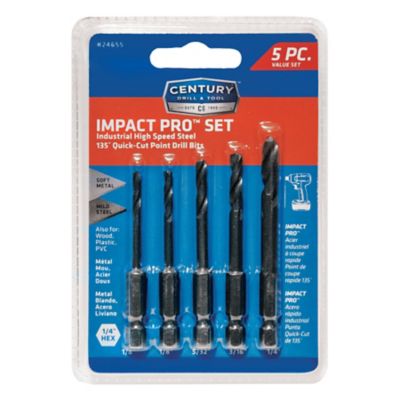
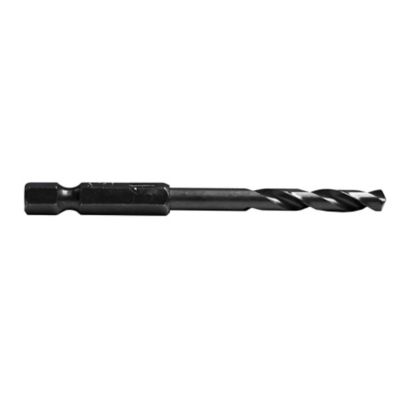
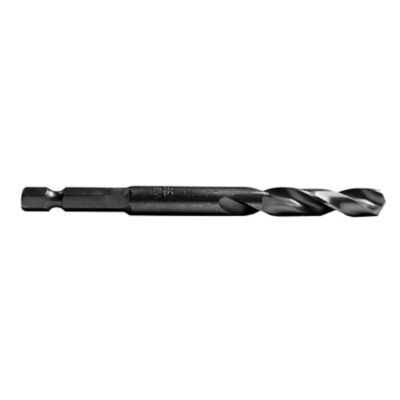
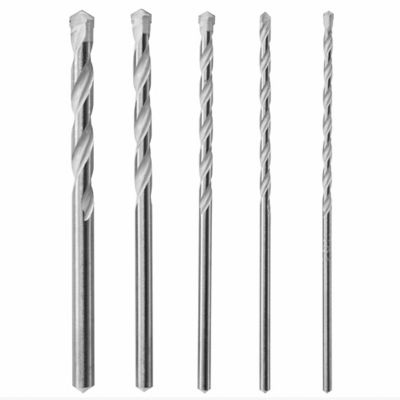
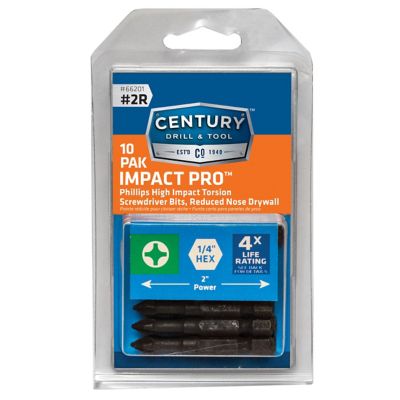
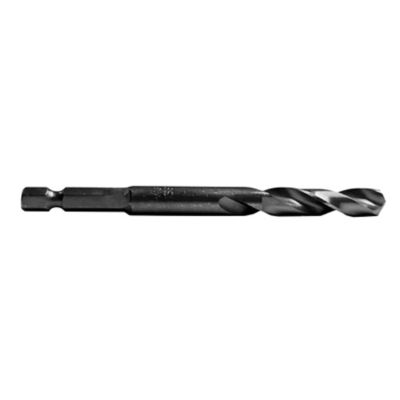
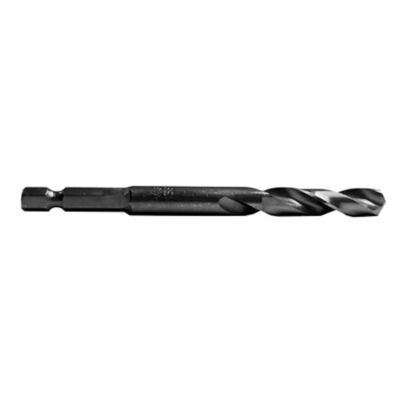
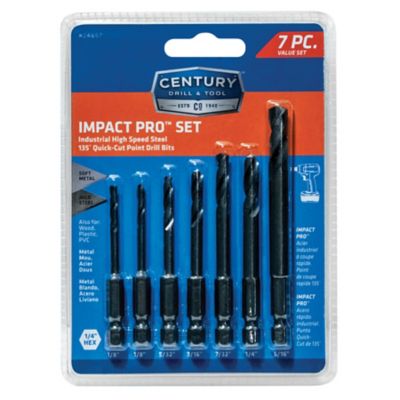
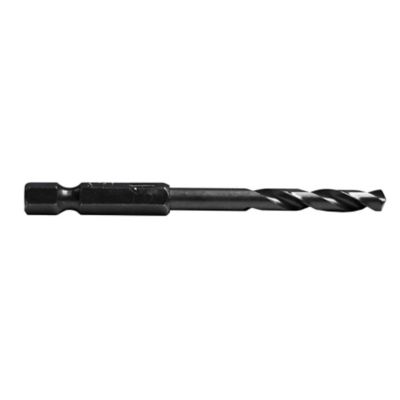
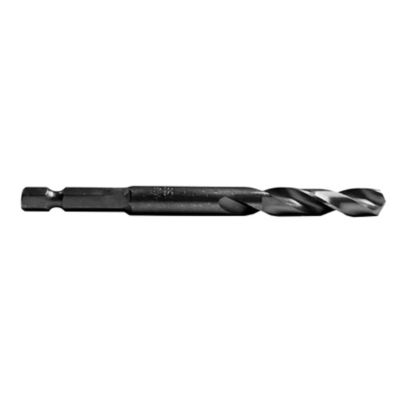
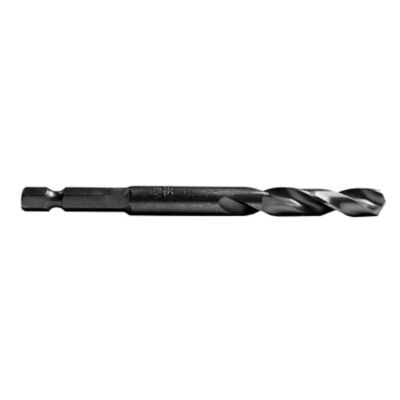
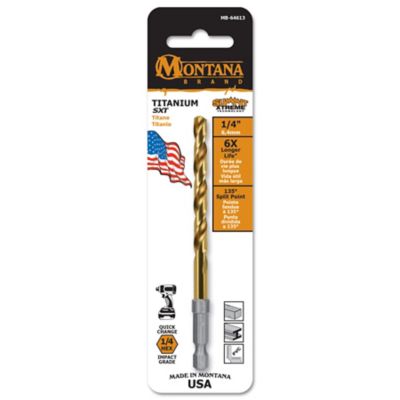
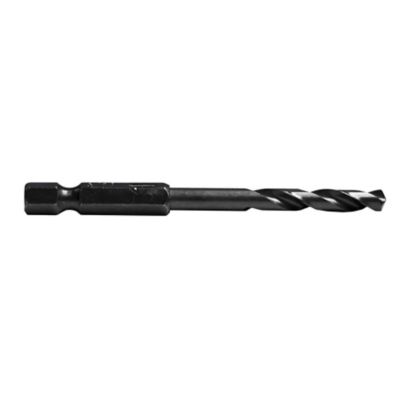
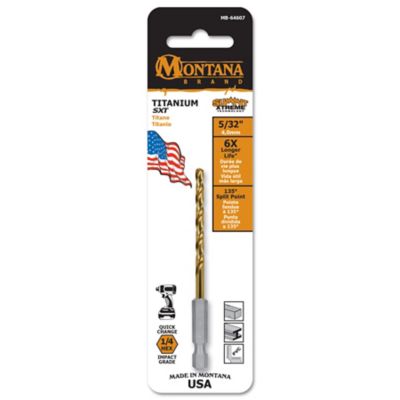
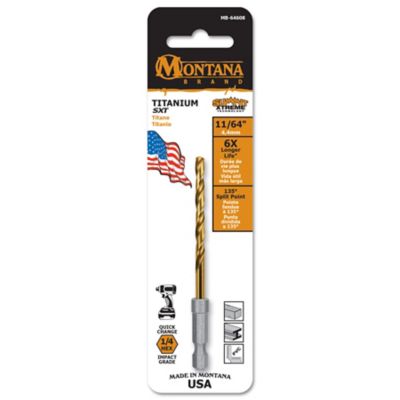
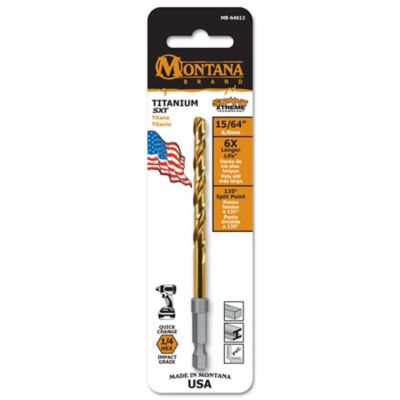
Drill bits for impact drills are drilling accessories that must match both the tool’s chuck and its operating action. For an impact driver, that means bits explicitly rated for repeated rotational impacts, typically with a 1/4-inch hex shank that locks into the driver’s quick-release collet. Impact-rated bits have steel construction and shank designs intended to withstand sudden torque loads. Some include a torsion zone that flexes under load, although this feature is especially common on driving bits and does not appear on every drilling bit. A hex shank alone does not establish an impact rating, so the manufacturer’s markings and tool compatibility matter more than appearance. Around the farm, shop, or garage, these bits can come in handy for drilling pilot holes in fence boards, preparing mounting holes for shelving, or making repairs where an impact driver is already part of the tool kit. Drilling bits cut holes, while driving bits engage screw heads; the two serve different jobs even when they fit the same tool. There is also an important difference between an impact driver and a hammer drill. An impact driver delivers rotational blows to help turn a fastener or bit, while a hammer drill adds a forward hammering action for compatible masonry work. Bits intended for one tool are not automatically suitable for the other. Round-shank bits generally belong in a compatible drill chuck, and SDS-shank masonry bits require the matching SDS tool. Matching these details helps prevent loose fit, damaged shanks, and work that stalls halfway through a hole. For anyone fitting out a workbench or carrying tools between a barn and equipment shed, the right combination starts with the tool type, the material, and the hole size—not simply whether a bit snaps into place.
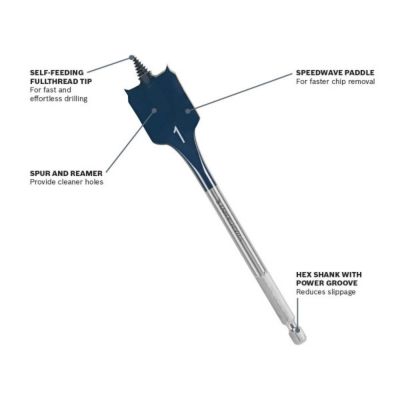
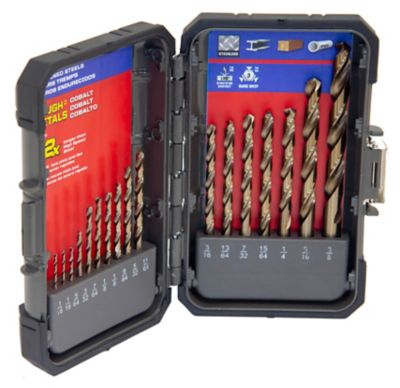
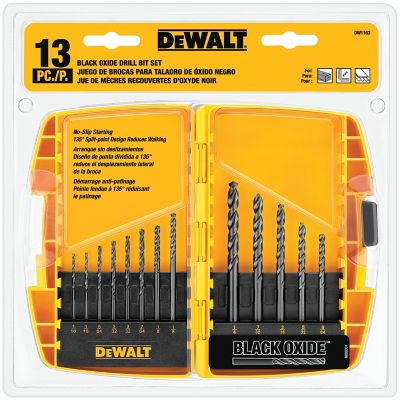
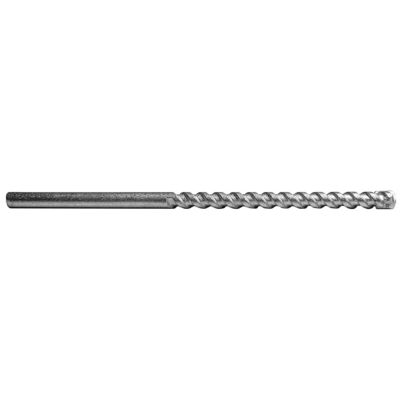
Material and cutting geometry make a real difference once the bit meets the work. High-speed steel is common in general-purpose drilling bits, while cobalt-alloy high-speed steel can offer greater heat resistance for suitable metalworking applications. A titanium-based coating may reduce friction and wear on certain bits, but it does not turn an ordinary bit into an impact-rated accessory or make every material a good match. The underlying steel, cutting edges, and stated application still count. In wood, twist bits can handle many pilot-hole and general drilling tasks, while impact-rated spade or auger designs may suit larger openings when the tool manufacturer permits them. Larger bits demand more torque, and an aggressive feed screw can pull a bit into lumber faster than expected. Knots, embedded nails, and the thickness of a fence rail or framing member all affect how a drilling job feels. For metal brackets, angle iron, or sheet metal, the bit needs a cutting geometry and construction appropriate for that material. Impact-rated step bits can suit certain thin-metal applications, but their steps have thickness limits and do not replace a twist bit for every hole. Stainless steel and other tougher metals call for particular attention to bit specifications, speed, and cutting lubricant recommendations. Masonry is a separate consideration: concrete, brick, and block generally need a suitable masonry bit and the drilling action specified for the material, rather than an assumption that any impact-rated bit will do. Diameter also deserves a close look. A pilot hole for a screw is not necessarily the same size as a clearance hole for a bolt, and softwood and hardwood can call for different pilot-hole sizing. Bit length matters, too. Extra reach helps with recessed work, but a longer bit can flex more easily and may be harder to keep square. The shortest suitable length often gives better control, particularly when lining up hardware on a gate or drilling through a narrow bracket.
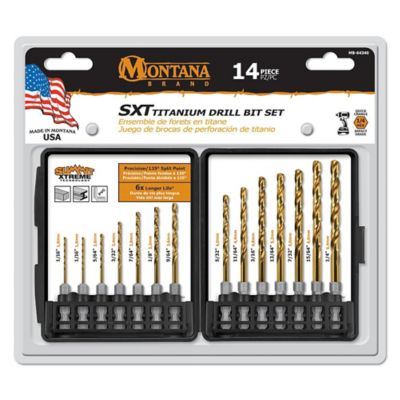
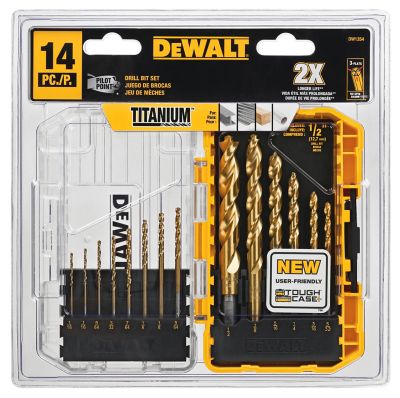
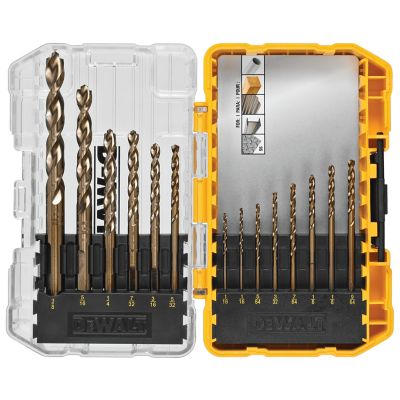
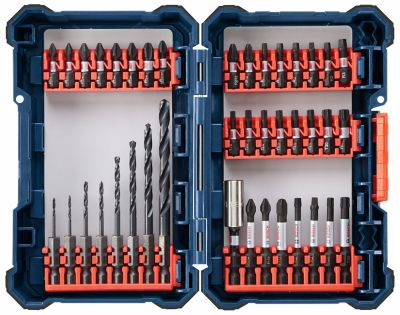
A practical assortment of drill bits for impact drills reflects the work that happens most often, whether that means small pilot holes for repairs, several common bolt-hole diameters, or a few larger sizes for shop projects. Clearly marked sizes and an organized case make it easier to grab the right bit without balancing a handful of loose steel on the tailgate. Separate spaces for drilling and driving accessories also help keep a screw-driving tip from getting mistaken for a hole-cutting bit. For tasks better suited to steady rotary drilling,
Drill Bits For Cordless Drills is a related category to consider alongside impact-rated options. A drill/driver’s adjustable speed and conventional chuck can be a better match for some materials, bit shapes, and hole-finishing needs. Whichever tool handles the job, bit care has a lot to do with service life. Packed flutes, dull edges, and excessive heat can make even a straightforward hole take longer and leave rougher results. Clearing chips as the bit manufacturer recommends, applying suitable cutting lubricant for metal when called for, and avoiding excessive pressure help the cutting edges do their work. A securely supported workpiece matters as well; a loose bracket can spin, and an unsupported board can split or tear at the exit hole. Eye protection belongs with drilling work, with hearing protection appropriate to the tool and setting. Afterward, removing chips and moisture before storage helps keep cutting surfaces and shanks in better shape. Bits with cracks, bent shanks, or chipped cutting edges should come out of service rather than go back into the case. Keeping the shank clean also helps the bit seat properly in the tool. Whether the next task is hanging a gate latch, repairing a feed-room shelf, or fitting hardware at the bench, well-matched bits make the tool kit more useful without filling it with sizes and shapes that never earn their place.