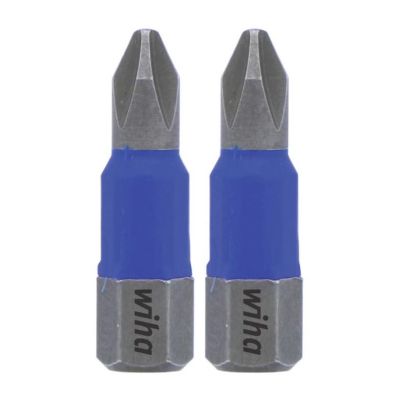
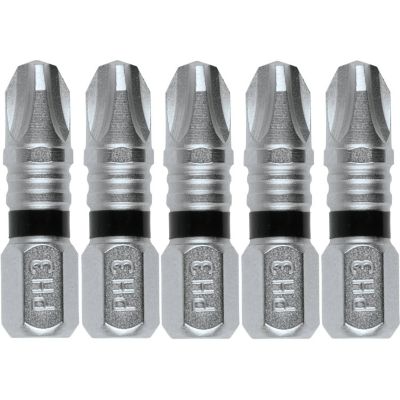
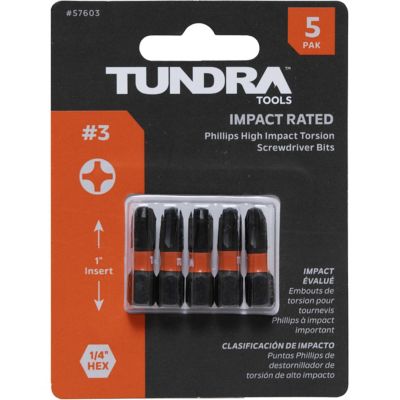
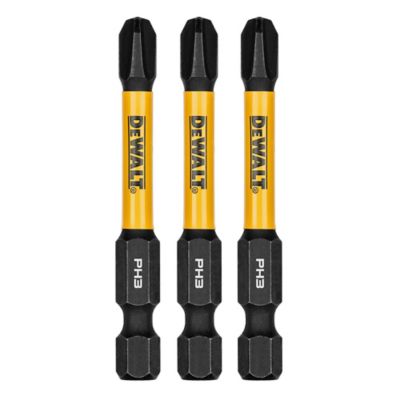
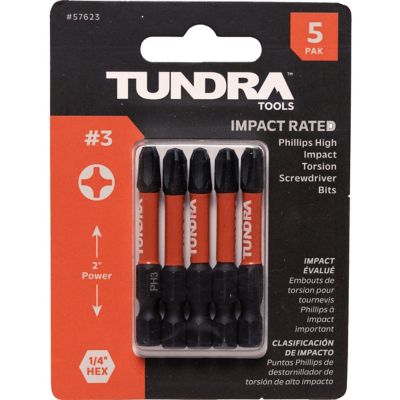
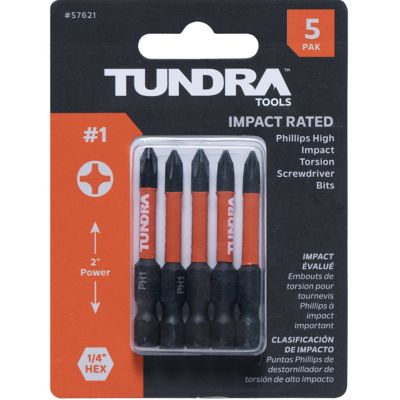
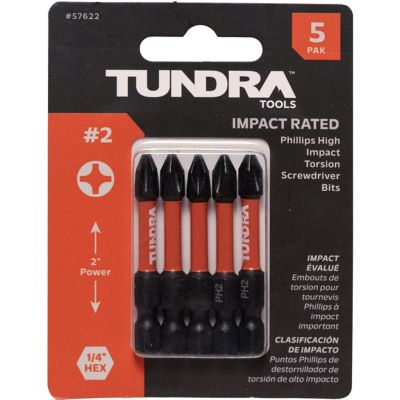
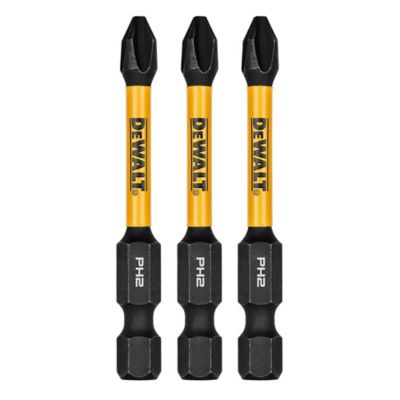
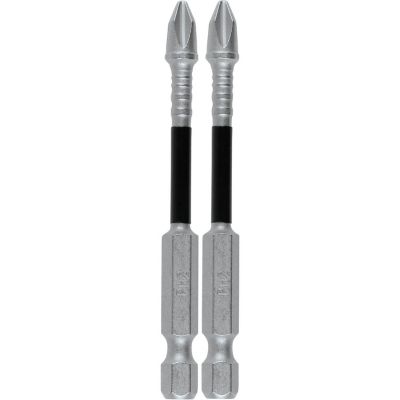
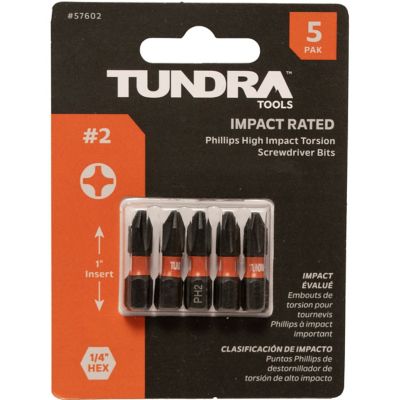
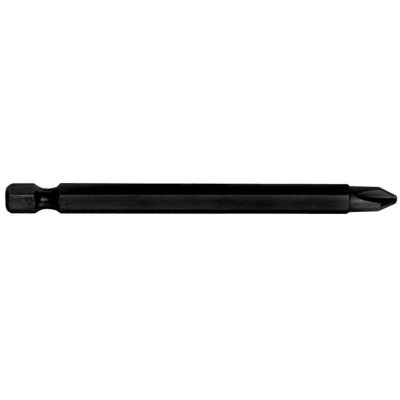
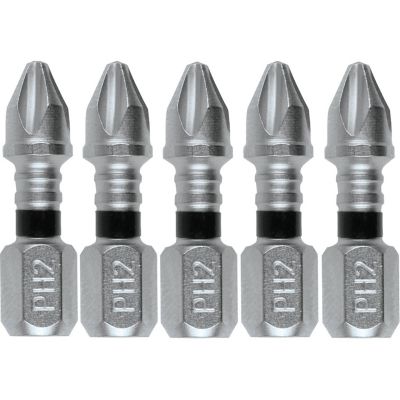
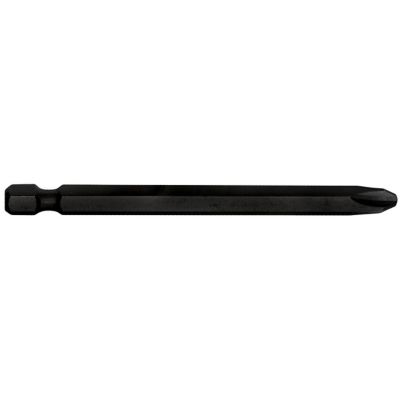
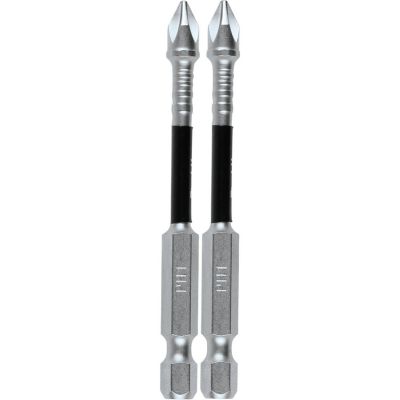
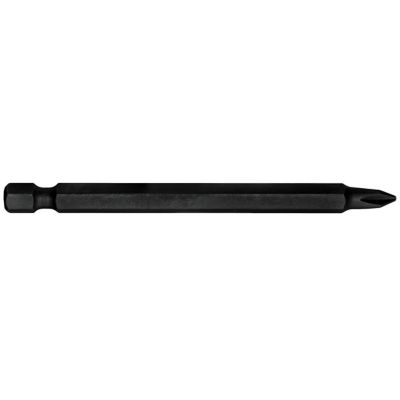
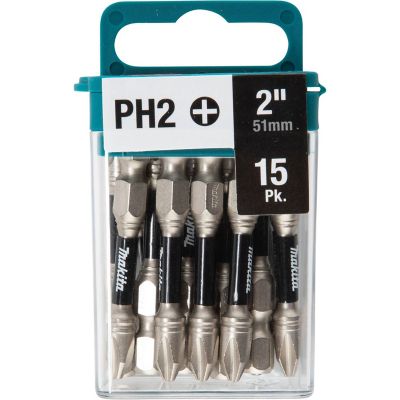
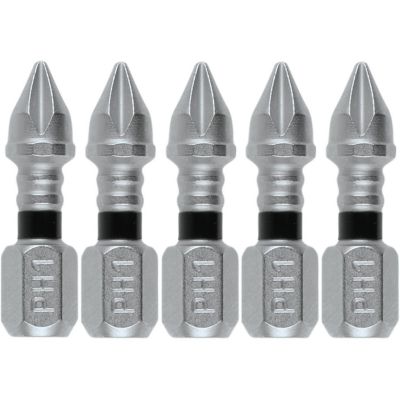
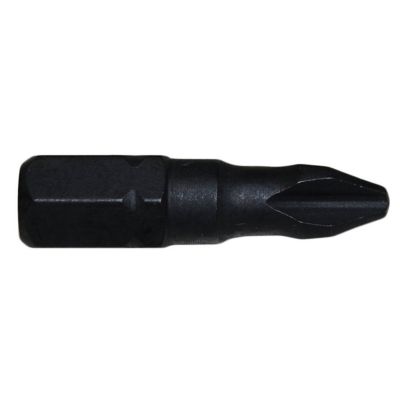
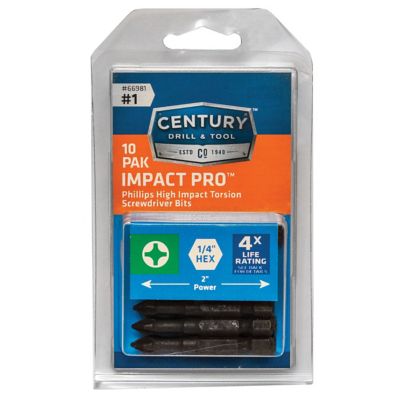
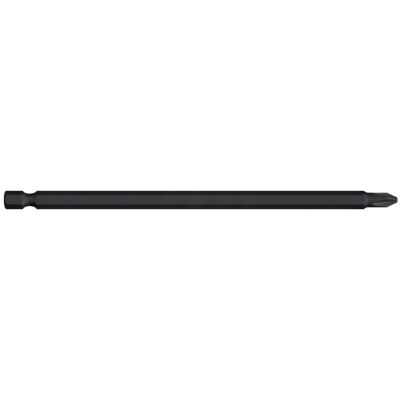
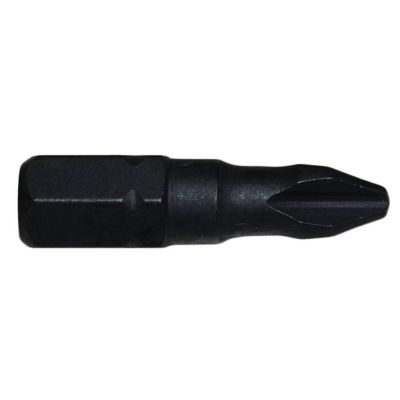
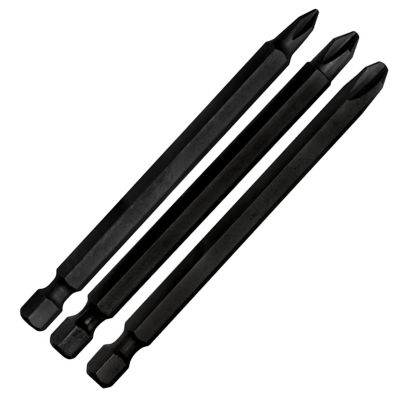
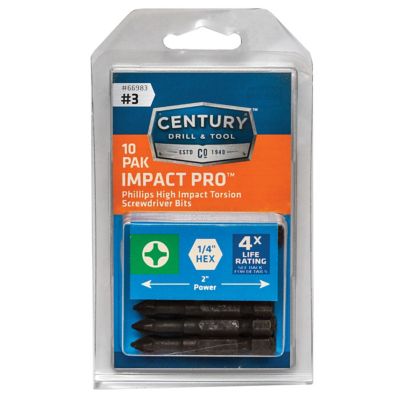
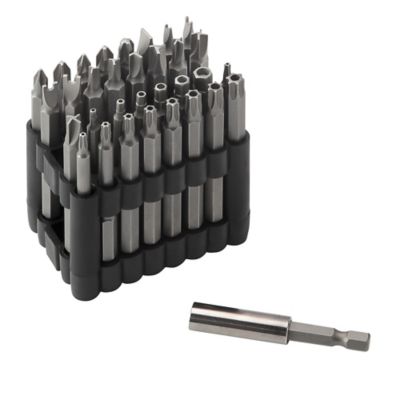
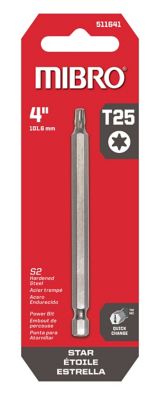
Phillips impact bits are cross-tip screwdriver bits built to handle the repeated twisting blows of an impact driver while driving Phillips-head screws. That combination makes them a practical part of a tool bag for fence repairs, shop projects, household maintenance, and work around the barn. Unlike a standard screwdriver bit, an impact-rated bit is engineered to tolerate the sudden torque loads that come with impact driving. Many designs have a narrowed torsion section that flexes slightly under load, helping spread stress instead of concentrating it at the tip. Alloy steel, controlled heat treatment, and the shape of the bit all play a part in how it holds up through repeated fastening. S2 steel is one material found in screwdriver bits, though the steel designation alone does not establish whether a bit is impact-rated. The manufacturer’s rating matters more than appearance: A dark finish may help resist corrosion, but black coloring by itself does not prove impact compatibility. Most Phillips impact bits have a 1/4-inch hex shank, a common connection for impact-driver chucks and compatible bit holders. The Phillips tip fits the familiar cross-shaped recess found in many wood screws, sheet metal screws, and general-purpose fasteners. Phillips #2, often marked PH2, is a common size for everyday fastening, while smaller or larger recesses call for their corresponding tip sizes. A bit that nearly fits can still slip and chew up a screw head, especially when the driver starts delivering stronger impacts. A properly matched tip seats snugly and transfers turning force through the recess rather than riding on its edges. For someone tightening hinges on a feed-room door or fastening brackets beneath a workbench, that fit can make the difference between a screw that seats cleanly and one that becomes a removal job. Phillips impact bits belong alongside other drive shapes in the broader selection of
Impact Driver Bits, with the fastener’s recess determining which style belongs in the chuck.
Bit size, length, and connection style are worth considering together because a bench project and an awkward repair rarely offer the same working room. Short insert bits generally work with a compatible holder and keep the setup compact, while longer power bits can provide clearance past a hinge leaf, cabinet frame, or bracket. A screw tucked just inside a shelving upright may be easier to reach with a longer bit, but extra length also requires attention to alignment. The best length provides enough reach without adding more extension than the job calls for. Some bits have shanks designed for direct engagement in a quick-change chuck; others depend on a holder, so the connection needs to match the tool. When a holder or extension sits between the driver and bit, that accessory should also be rated for impact use. Magnetic holders can help keep a steel screw in place while starting it, particularly when one hand is steadying a board, although magnetism does not replace firm engagement between the tip and screw head. Phillips and Pozidriv recesses can look similar at a glance, but their geometry differs, and their bits are not interchangeable for proper fastening. Even within Phillips sizes, choosing by appearance alone can leave too much play. The tip should settle fully into a clean recess with little wobble. Packed dirt, paint, or rust can prevent that seating and make a sound bit seem like the wrong size. Around a farm shop, where a box of hardware may contain several screw styles, checking the head before reaching for the driver helps prevent needless damage. An impact rating does not make a bit unbreakable, nor does it make an impact driver the right choice for every screw. Small hardware, brittle materials, and delicate assemblies often call for a lower-torque tool or a hand screwdriver. For fastening into wood or metal, the screw type, pilot-hole requirements, and tool settings matter just as much as the bit.
The way Phillips impact bits wear tells a good deal about the demands of the work. Repeated slipping can round the tip’s edges, while driving at an angle puts uneven pressure on both the bit and fastener. Phillips screws can cam out, meaning the tip climbs out of the recess under load; a snug fit, straight alignment, and steady forward pressure help limit that tendency. Once the edges become rounded or the tip shows chips, cracks, or twisting, replacing the bit helps keep the next row of screws from turning into a string of damaged heads. Extra pressure is not a remedy for a worn tip. For repeated jobs such as attaching storage hooks, assembling utility shelving, or replacing hardware on wooden gates, keeping the needed Phillips sizes organized makes it easier to reach for the proper fit rather than the closest-looking bit. Clear size markings and separate storage slots are helpful when gloves, sawdust, and fading daylight complicate a simple repair. Care is straightforward: Wipe away debris after the job, keep bits dry, and follow the manufacturer’s recommendations for corrosion protection. A damp tool bag left in a cold shed can encourage rust, even on bits with a protective surface treatment. Letting wet tools dry before closing the case helps protect both the tips and their markings. Bits should stay separate from loose abrasive debris that can collect in the bottom of a toolbox, and they should serve as driving accessories rather than punches or pry tools. Eye protection belongs with impact-driving work because damaged bits or fasteners can shed fragments. These small accessories make sense for homeowners, maintenance crews, woodworkers, and folks who handle their own repairs around an acreage. They can also be a useful gift for someone building a tool kit, provided the sizes and shank styles suit that person’s driver and usual fasteners. Whether the task is securing a loose latch before colder weather or putting together another shelf in the garage, well-matched Phillips impact bits help keep everyday fastening work moving.