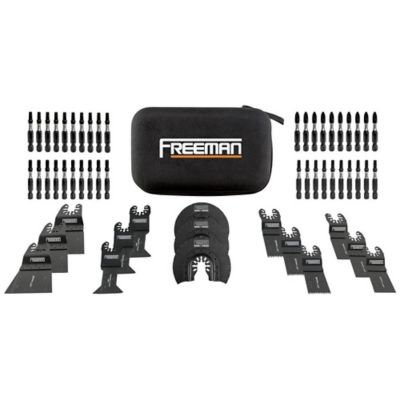
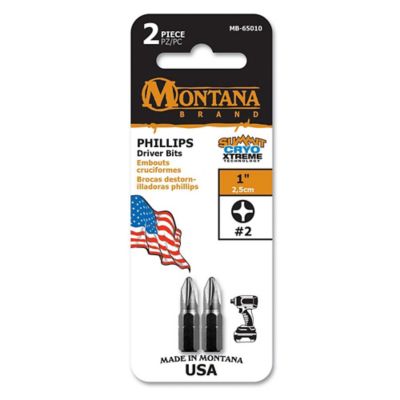
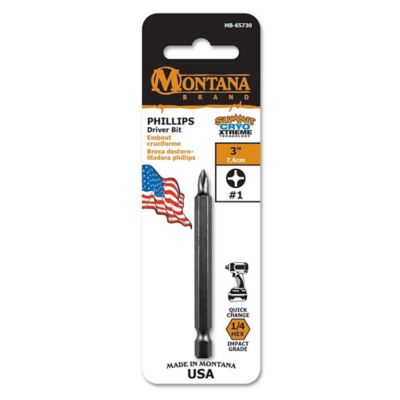
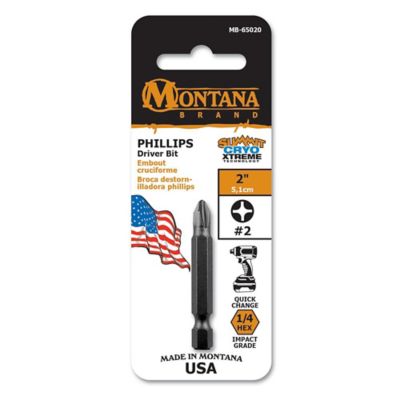
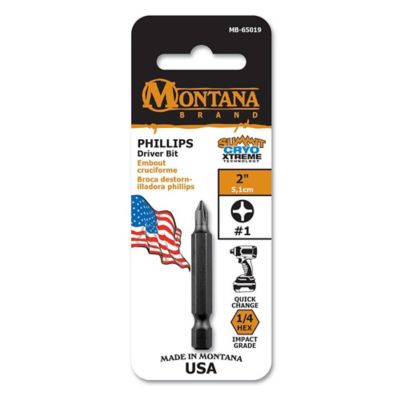
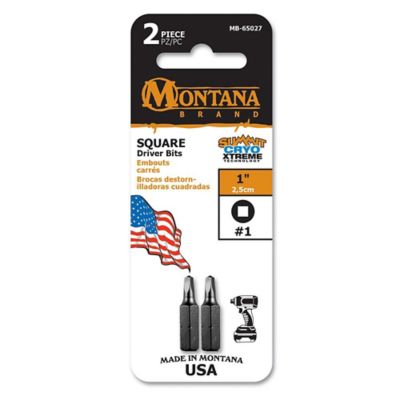
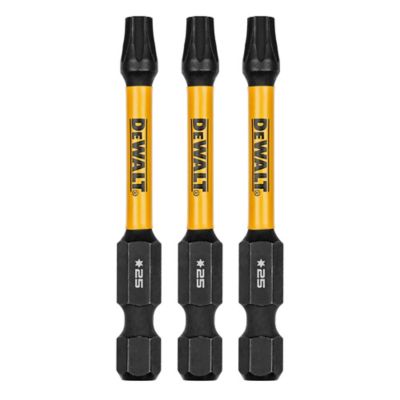
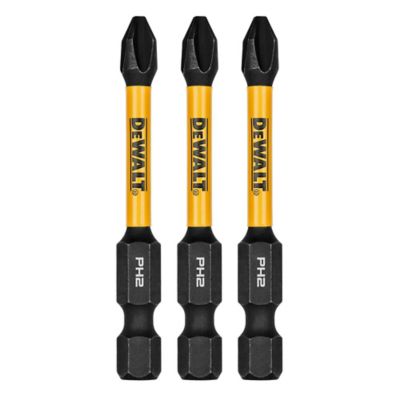
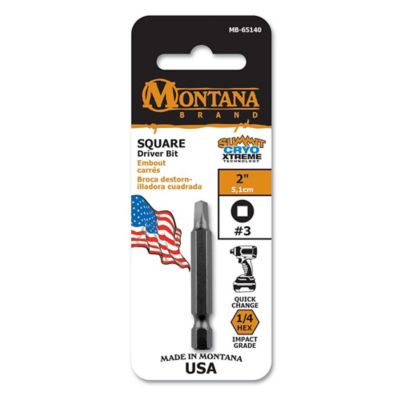
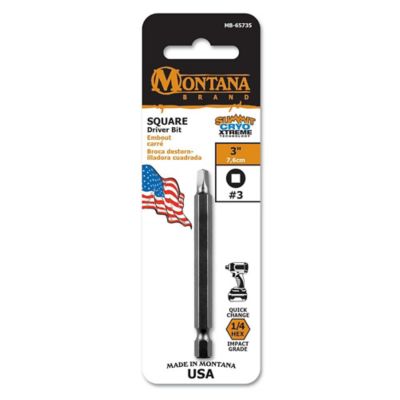
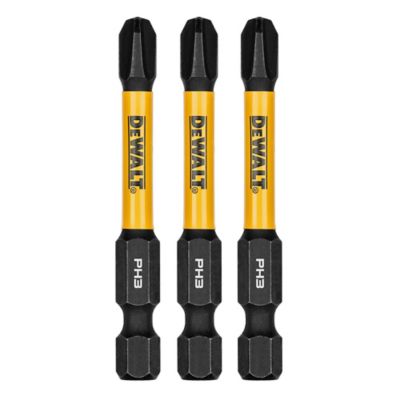
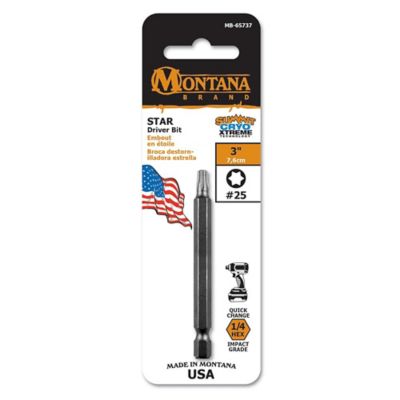
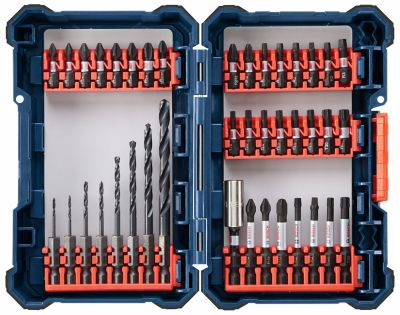
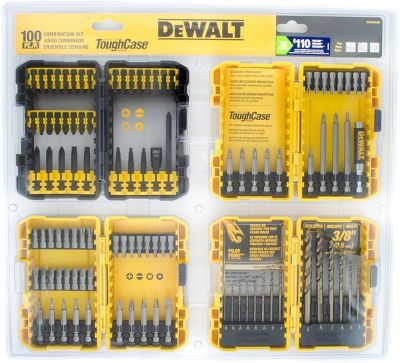
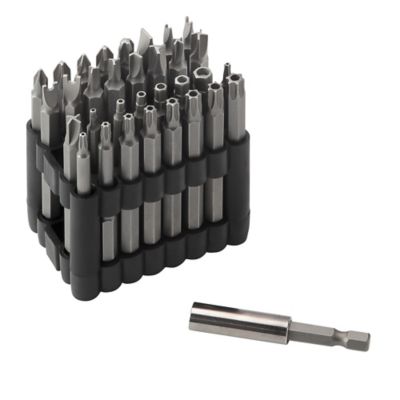
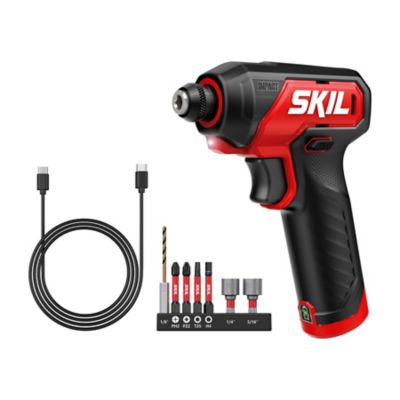
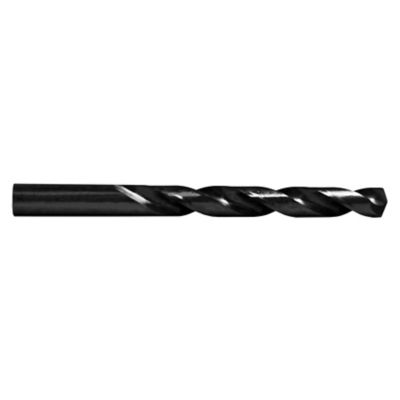
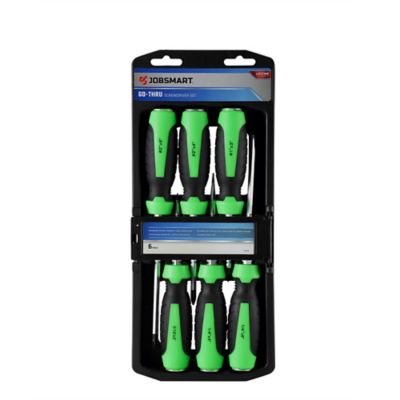
Impact driver bits are fastening accessories built to handle the repeated rotational blows an impact driver delivers as resistance increases. Compared with ordinary screwdriver bits, impact-rated bits are engineered to balance hardness with enough toughness to withstand sudden twisting loads. That difference matters when a screw draws tight against a fence rail, a shelving bracket seats against a wall stud or a fastener pulls two boards together on a workbench. Shock-resistant tool steel and controlled heat treatment help the bit resist wear without becoming overly brittle. Some designs also feature a torsion zone, a section of the shank that flexes under load to help manage stress before it reaches the tip. These features support longer working life, but no bit is immune to damage from excessive torque, poor alignment or the wrong screw-head fit. A dark coating or colored band alone does not establish impact suitability; the manufacturer’s impact rating is the important distinction. For folks handling farm repairs, carpentry, equipment upkeep and everyday shop projects, the right bits help keep fastening work moving without chewing up screw heads. They belong in the conversation anywhere repeated screw driving is part of the job, from hanging storage hooks in a tack room to securing boards on a utility project. Impact driver bits are primarily for driving and removing compatible fasteners, rather than boring holes. Even when drilling accessories share the same hex-shank connection, they serve a different purpose and need their own suitability check. The material receiving the fastener matters, too: wood, metal and manufactured panels call for appropriate screws and a level of driving force that suits the connection. A bit’s impact rating describes its intended tool application, not permission to drive every fastener at full power. Small screws, finished surfaces and delicate fittings can need a lighter touch than a heavily loaded framing connection.
Fit starts at both ends of the bit: the shank must match the tool connection, and the tip must match the fastener recess. Compatibility with
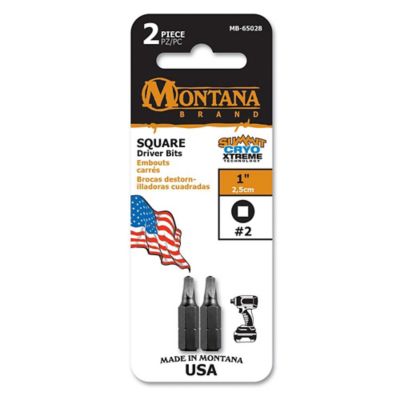
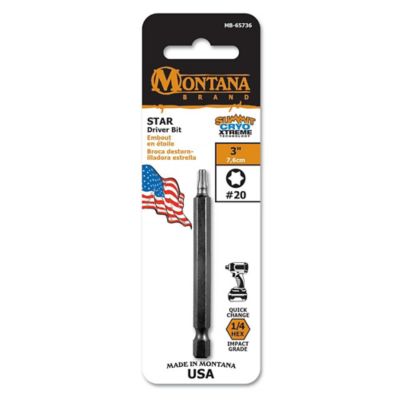
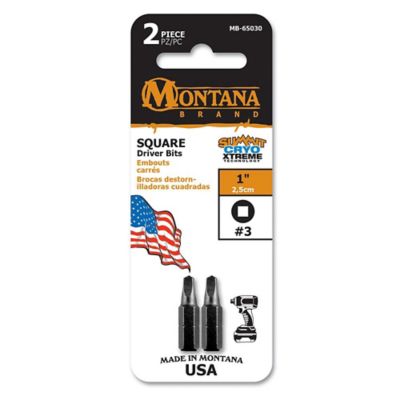
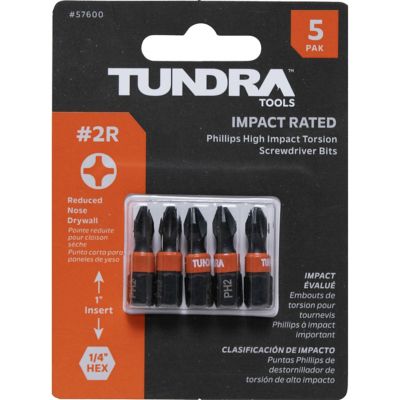
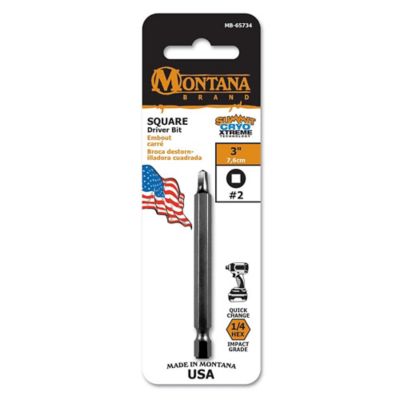
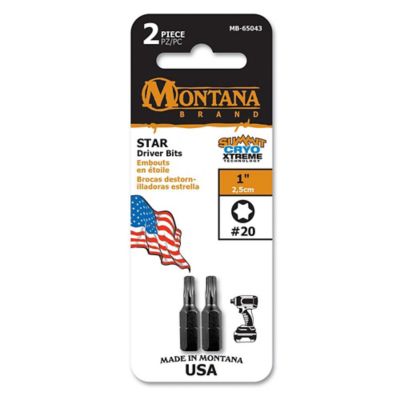
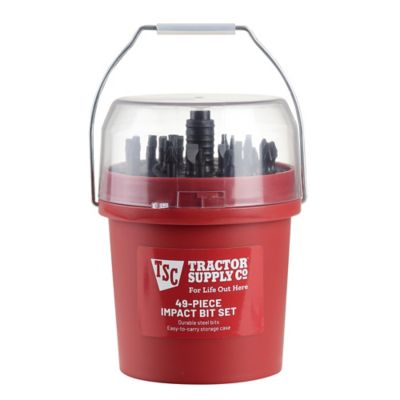
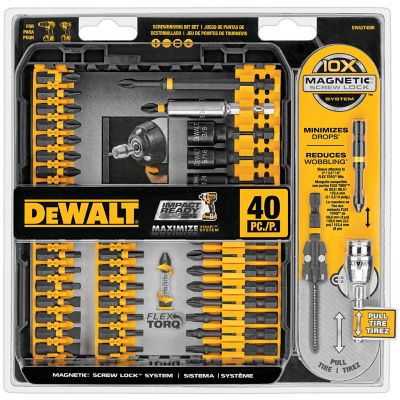
Impact Driver Tools commonly involves a 1/4-inch hex shank, although the tool’s stated collet and accessory requirements still apply. Short insert bits generally sit in a compatible bit holder, while longer power bits can connect directly when their shank design suits the collet. At the working end, Phillips, square, star, slotted and hex profiles each match particular screw heads, with multiple sizes within those families. A tip that looks close but rocks in the recess can slip under load, damaging both the screw and the bit. Correct engagement helps reduce cam-out, the tendency for a bit to climb out of the screw head while turning. That is especially useful when driving a row of screws into a barn partition or working where replacing a damaged fastener would mean taking an assembly apart. Bit length changes access as much as reach. A shorter setup can fit into tighter spaces and keep the working end closer to the tool, while a longer bit can reach past a bracket, recessed opening or other obstruction. Extra reach does not increase torque capacity, and a long bit still needs straight alignment with the screw. Magnetic holders can help retain compatible steel fasteners during positioning, while locking holders provide mechanical bit retention; those are separate features worth distinguishing. Impact-rated nut setters serve external hex-head fasteners, and socket adapters connect compatible sockets within the limits stated by their manufacturers. An impact rating on an adapter does not make an ordinary socket suitable for impact work. Bit sets bring several drive profiles, lengths or repeated sizes together, making them practical for jobs with mixed hardware. For repetitive work, several bits in the same frequently needed size can be more useful than a case filled mostly with unfamiliar profiles.
Good working habits and sensible storage help impact driver bits stay ready for the next repair. A fully seated tip and a straight approach give the bit its best chance of transferring force without slipping sideways. That can make a noticeable difference when fastening a hinge to a wooden gate or setting screws along a shop bench, where one rounded recess can interrupt an otherwise straightforward job. Pilot holes, fastener instructions and the tool’s speed or torque settings also affect the result; the bit is only one part of the fastening setup. Extra hammering after a screw is seated can damage the recess, break the fastener or strain the bit without improving the connection. Rounded corners, chipped tips, cracks and a bent shank are signs that a bit no longer belongs in demanding fastening work. Bits with damaged working ends can turn a small repair into a screw-removal chore. Clean tips engage more fully than recesses packed with sawdust, paint or metal debris, and wiping away residue before storage helps make wear easier to spot. A dry case with marked compartments keeps drive sizes separated and helps limit rust from lingering moisture. Protective finishes can slow corrosion, but they do not eliminate the need for care. Cases that hold bits firmly also keep small accessories from disappearing into the bottom of a toolbox or rolling across a truck bed. Eye protection remains important because bits and fasteners can shed fragments under stress. For a ranch hand, contractor, maintenance worker or homeowner with a busy workbench, a thoughtfully matched assortment can earn its place beside the driver. It can also make a practical gift for someone who regularly builds, fixes or maintains things, especially when the drive profiles match the hardware already common around their place. The most useful assortment is the one that fits the tool, reaches the work and seats properly in the fasteners the job calls for.