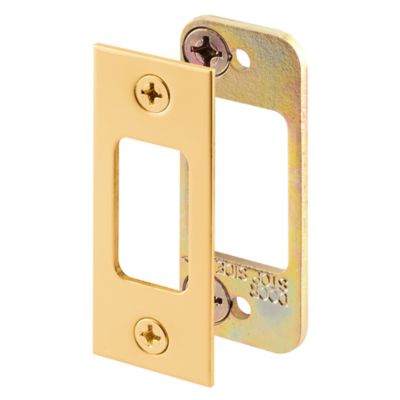
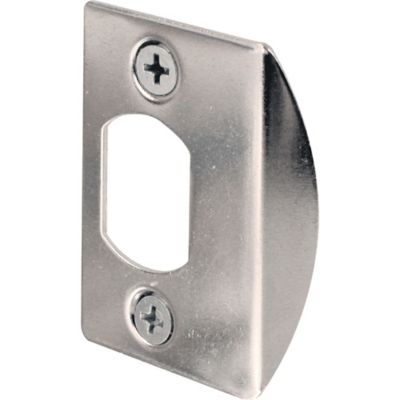
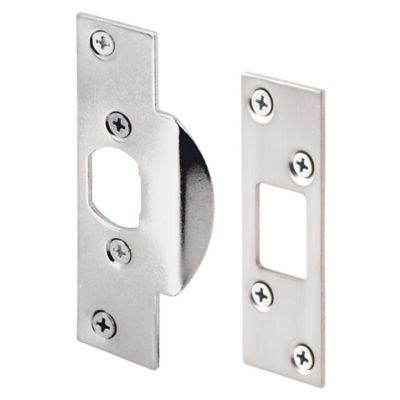
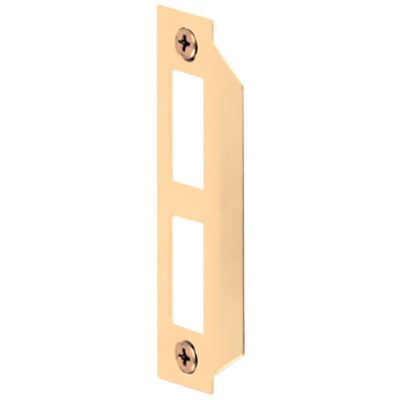
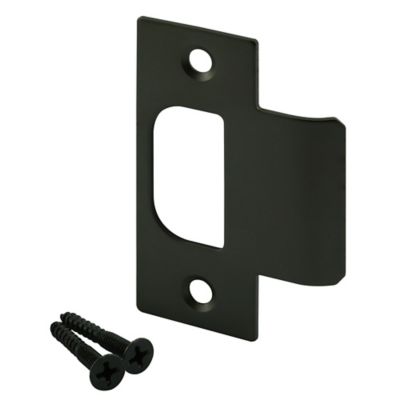
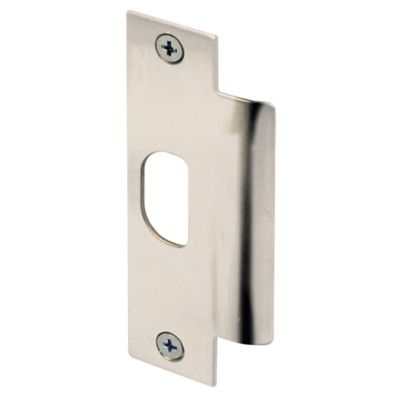
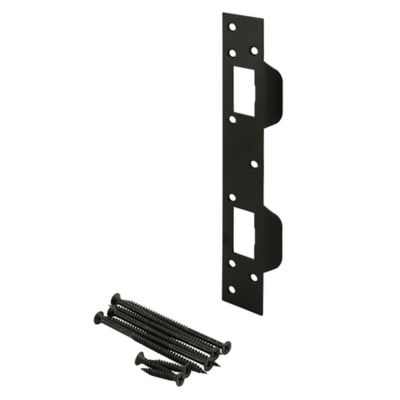
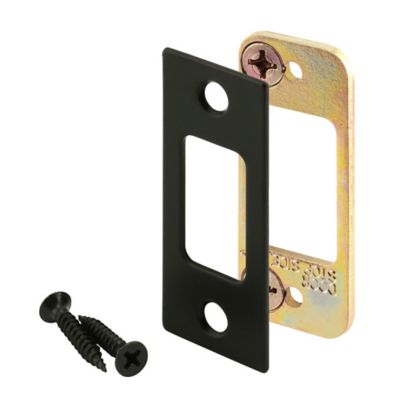
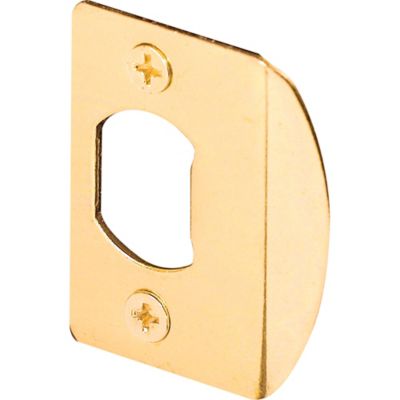
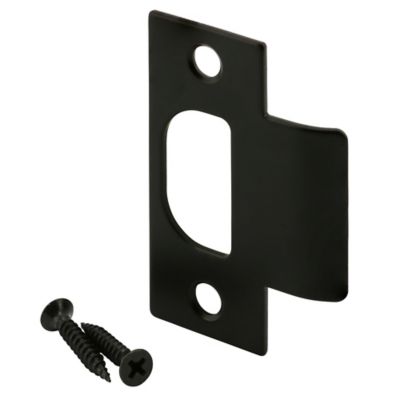
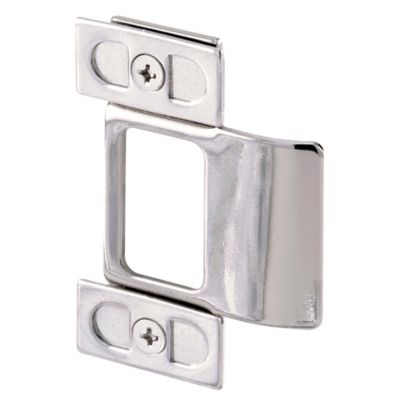
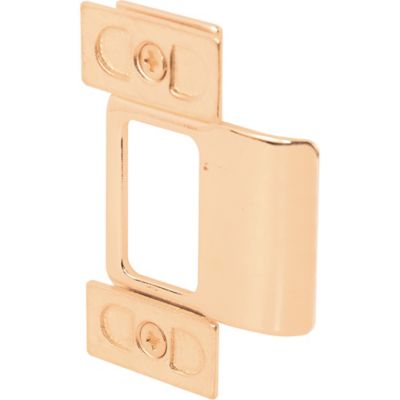
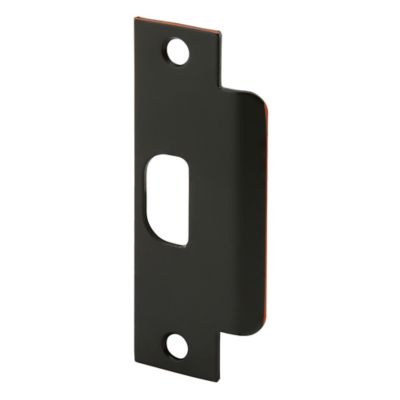
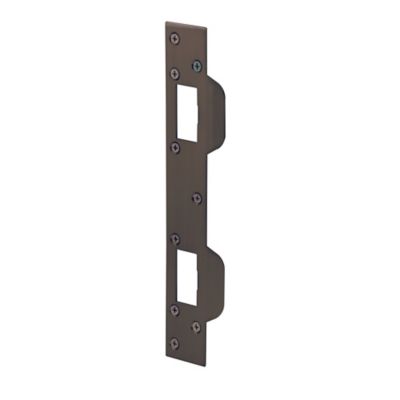
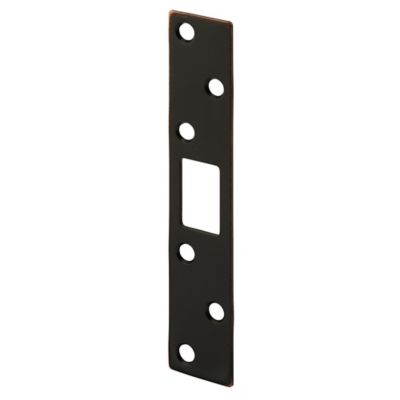
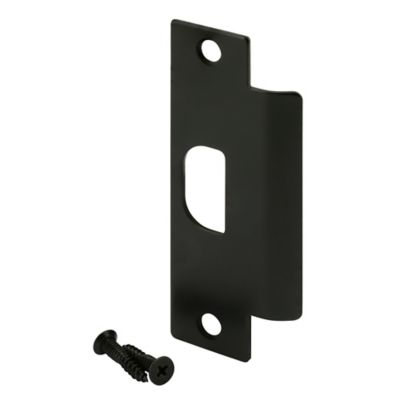
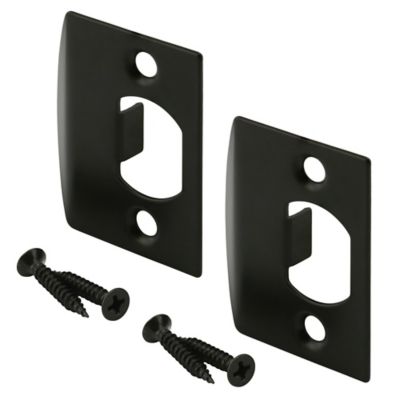
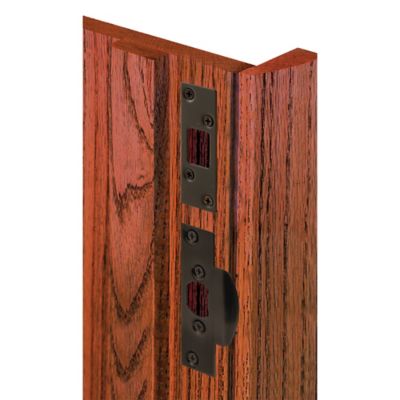
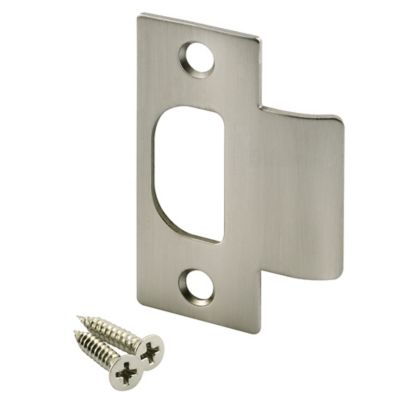
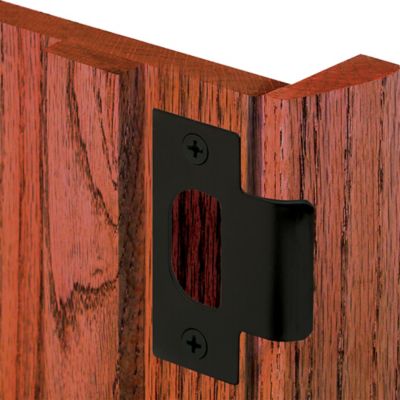
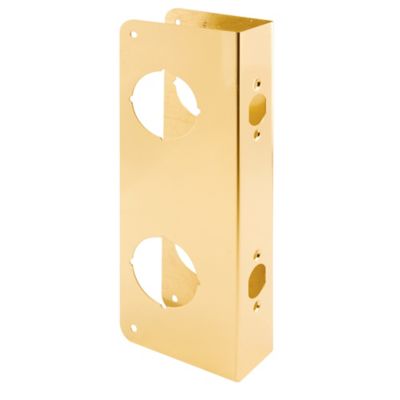
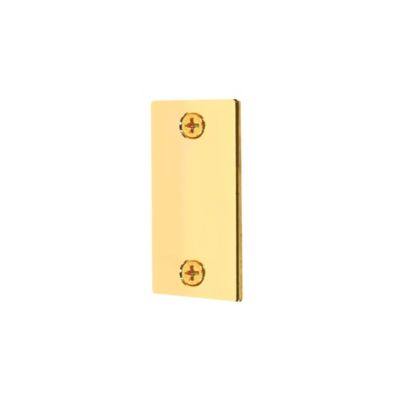
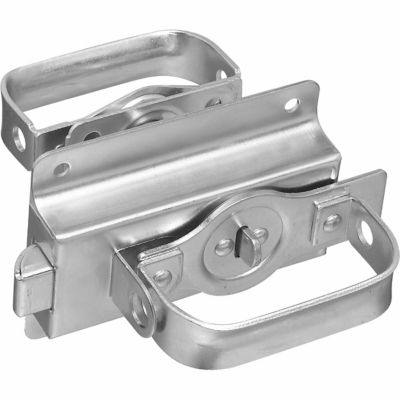
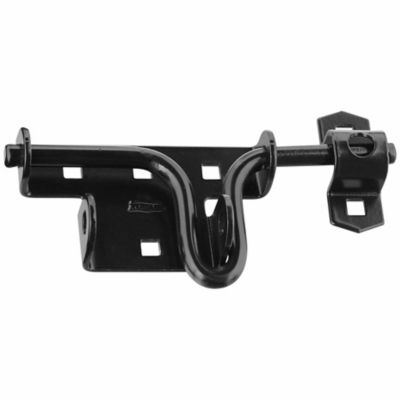
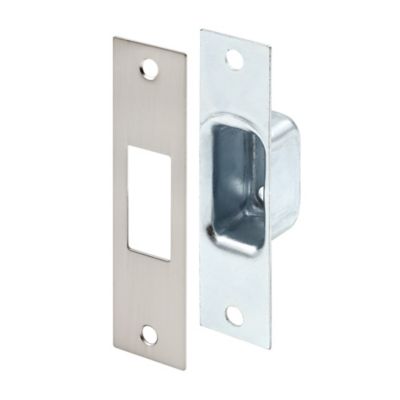
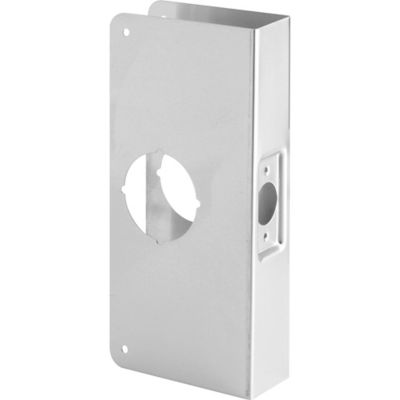
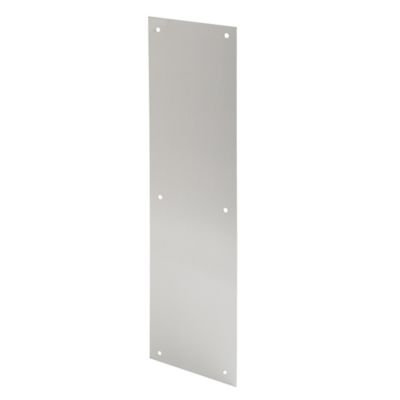
Door strike plates are the small but important pieces of hardware that help a door close, latch, and stay in place. Mounted to the door frame, a strike plate has an opening that receives the spring latch from a doorknob or the bolt from a deadbolt. When the door is shut, the latch or bolt passes through the plate and into the frame, helping hold the door closed. A worn, bent, loose, or poorly matched strike plate can make a door rattle in the wind, refuse to latch, scrape against the frame, or require a hard pull to close. Replacing the plate is often a simple way to freshen up an entry door, bedroom door, shop door, tack room, shed, or other frequently used doorway without replacing the whole lockset. When choosing one, start by identifying whether it is meant for a regular latch, a deadbolt, or both. Check the shape and size of the existing plate, the location of the screw holes, the depth and shape of the opening, and the thickness of the door frame. A full-lip strike has a curved edge that covers more of the wood around the opening, while a T-strike has a T-shaped profile that may suit certain metal or narrow frames. A deadbolt strike is built around the larger, deeper bolt opening and is generally made for the added force and reach of a deadbolt. Adjustable strikes include a movable tab or piece that can help reduce a little door movement and rattling after the door is closed. Finish matters, too. Match the strike plate to the visible door hardware when appearance is important, or choose a durable finish that fits the practical needs of a barn, utility room, mudroom, or workshop. Stainless steel and other corrosion-resistant materials can be useful in damp areas, while a sturdy steel plate is a sensible choice for busy exterior doors. For a country home, it is worth looking at every entry point, including the back door that opens toward the pasture, the garage entry used with muddy boots, and the side door that gets extra use during haying, gardening, or firewood season. A dependable strike plate helps the latch meet the frame cleanly and gives the doorway a finished, cared-for look.
Before installing a door strike plate, close the door slowly and watch where the latch or deadbolt meets the frame. If the opening is only slightly off, the plate may be able to cover the existing marks, but a larger mismatch usually means the plate needs to be repositioned. Hold the new plate against the frame, center the latch or bolt in its opening, and mark the screw holes with a pencil or pen. Tapping a small nail or screw into each mark can create a pilot hole and help keep the screws from wandering, especially in older or dry wood. If the existing holes are stripped, shift the plate slightly when possible or repair the wood before reinstalling it. Use screws suited to the plate and frame, and tighten them firmly without driving so hard that the plate bends or the wood splits. On an exterior door, longer screws may help anchor the strike through the doorjamb and into the framing behind it, provided they are appropriate for the construction and do not interfere with wiring, plumbing, or other hidden materials. A loose door frame should be addressed rather than covered up with a new plate. For a latch that sits just a little high or low, careful adjustment of the plate location may be enough. In some cases, the edge of the opening can be lightly filed to improve the fit, but remove only a small amount at a time and test the door often. If the old opening has become too large or the wood is damaged, wood filler or a small wood repair may provide a better base for new screws. After installation, open and close the door several times, test the latch, and check that a deadbolt extends fully without forcing the key or handle. A door should close with a steady push, not a shoulder shove. I have seen a simple strike plate adjustment turn a stubborn back door from a daily chore into a smooth, one-handed close, which is especially welcome when carrying feed buckets or bringing groceries in from the truck. If you are updating several doors, make a quick list of the latch style, plate shape, finish, and screw-hole spacing for each opening before shopping. More door-related options can be found with
Door Security Hardware, including hardware for improving the fit and function of entryways around the house, garage, workshop, and outbuildings.
Door strike plates are useful for homeowners, landlords, renters who are permitted to make hardware repairs, maintenance crews, and anyone caring for an older property. They can also make a practical housewarming gift for someone settling into a farmhouse, buying a first home, or fixing up a hunting cabin. A small hardware upgrade is easy to overlook until a door begins sticking during damp weather, rattling as the wind picks up, or failing to catch after the frame shifts with age. During the warmer part of the year, many folks leave doors open more often while moving between the yard, garden, and shop, making worn latches and loose plates easier to notice. As the cooler months arrive and doors stay closed more often, a properly fitted plate can help keep an entryway working smoothly when drafts, wet boots, and daily traffic put it to the test. For barns, sheds, and utility buildings, confirm that the replacement hardware suits the door material and the surrounding frame; a plate made for a wood jamb may not be the right fit for a metal frame. Consider the amount of use the door receives, whether the opening is exposed to rain or dust, and whether the hardware needs to coordinate with an existing knob or deadbolt. Keep the original plate nearby until the replacement has been measured, since even similar-looking plates can differ in lip shape, hole spacing, or opening dimensions. If a door continues to sag, bind, or miss the frame after the strike is adjusted, the hinges, jamb, latch, or overall frame may need attention as well. A strike plate cannot correct every door problem, but the right one, installed squarely and secured to sound material, can make a noticeable difference in everyday use. From a busy mudroom to a quiet guest room, a well-matched door strike plate is a modest repair that supports a smoother close, a cleaner-looking frame, and a more dependable doorway.