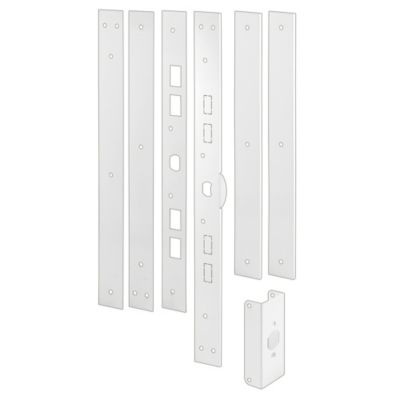
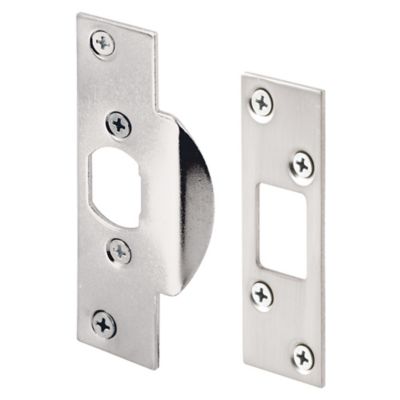
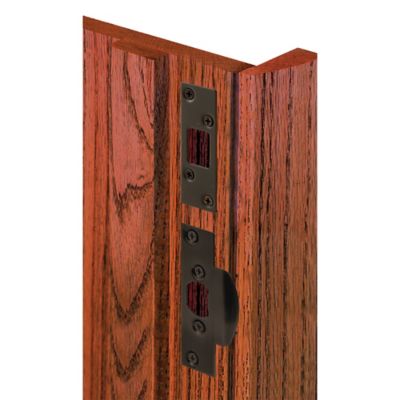
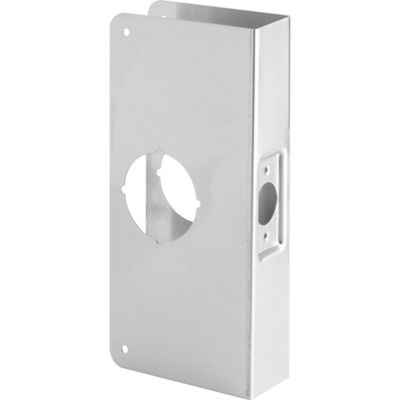
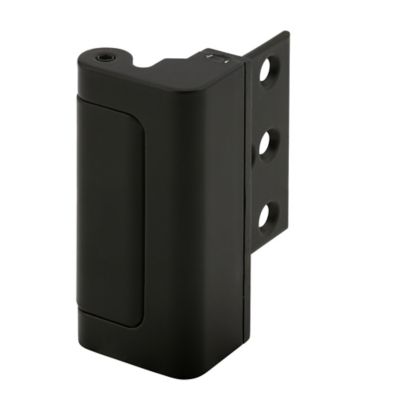
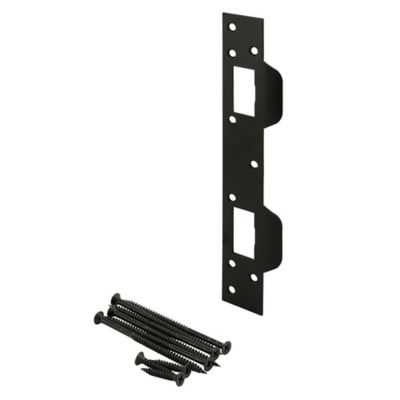
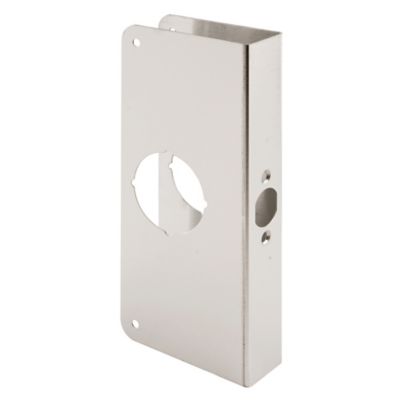
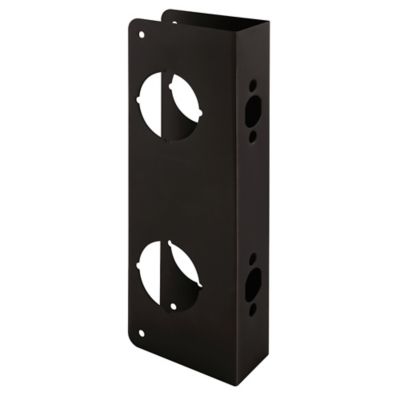
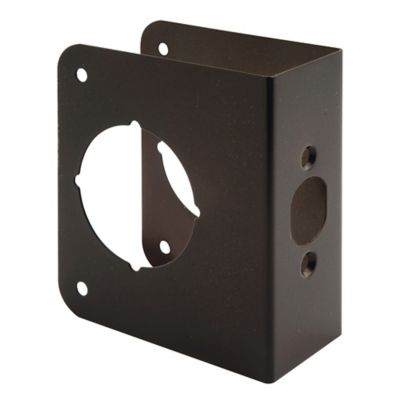
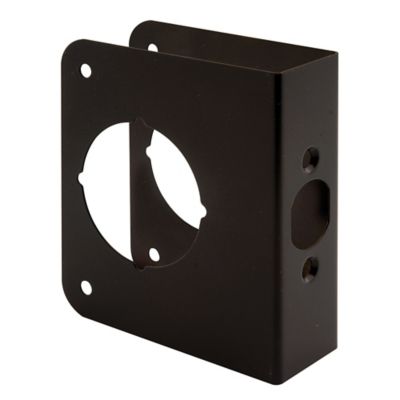
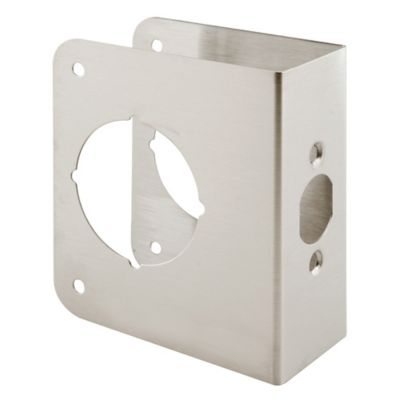
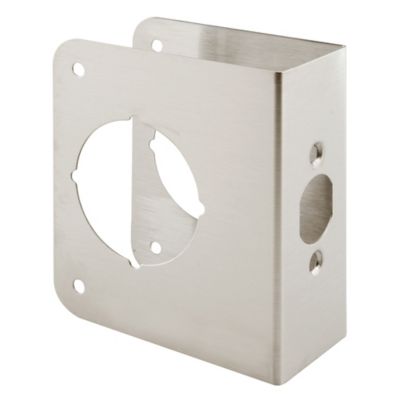
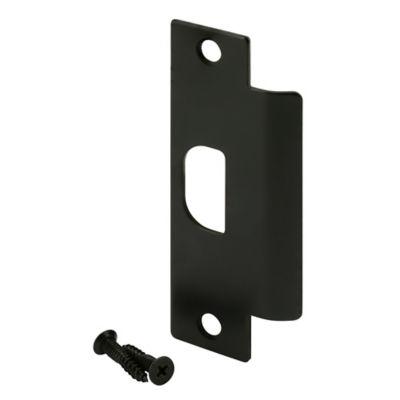
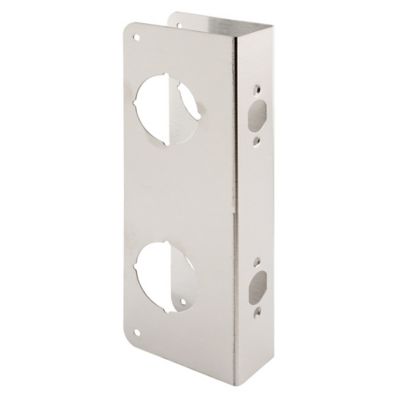
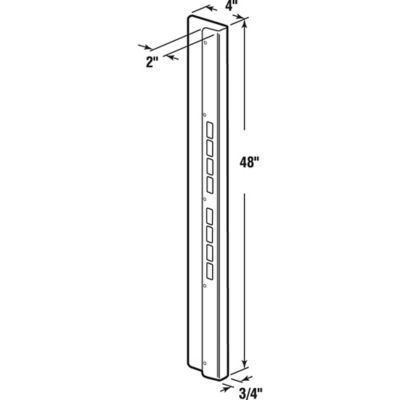
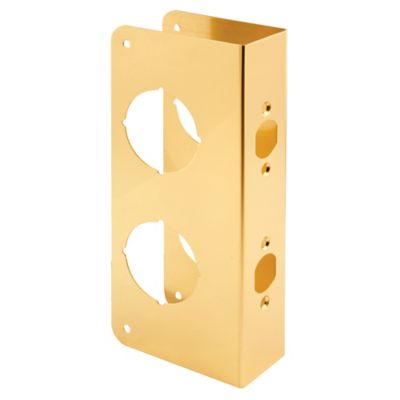
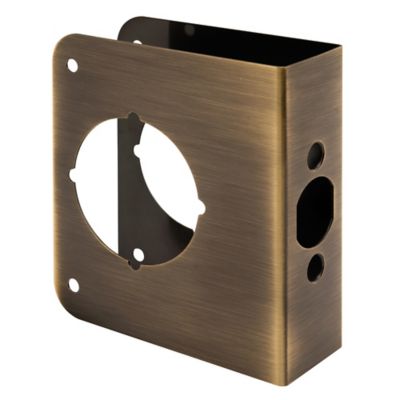
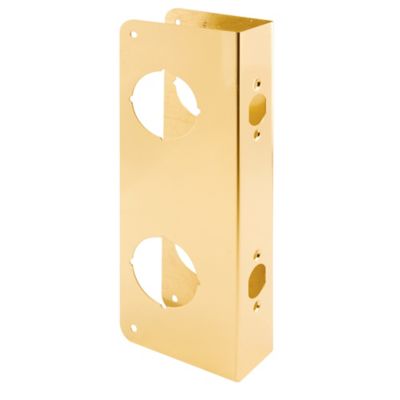
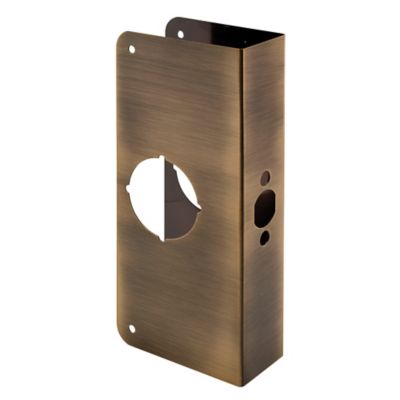
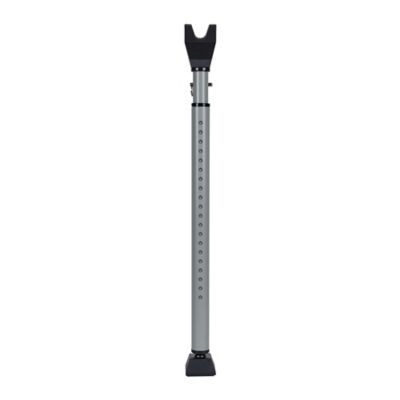
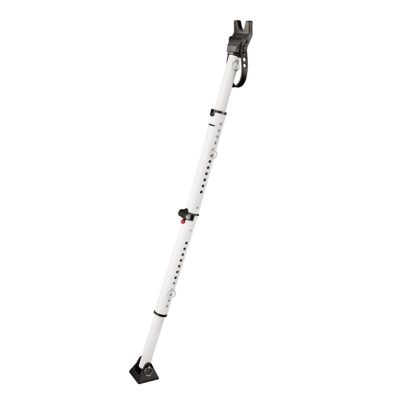
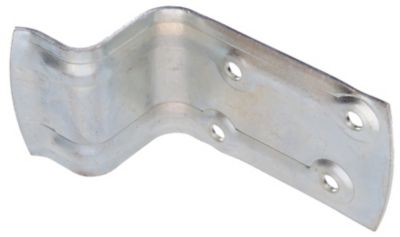
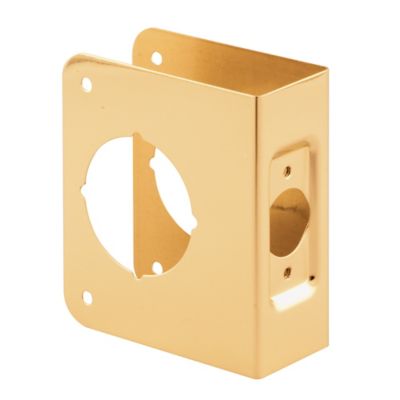
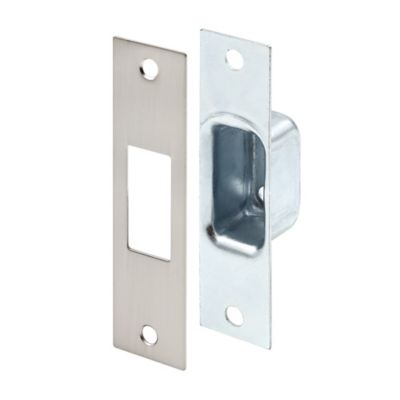
Door frame reinforcement kits are hardware sets designed to strengthen the points where a door, its locks and its frame meet. Often made from steel, these kits help spread force across a larger area instead of leaving a small strike plate and a few short screws to carry the load. That matters because a solid deadbolt can only do so much when the wood around it splits or the fasteners pull free. Depending on the design, a kit may include a long jamb reinforcement plate, metal shields for the door edge, hinge reinforcement hardware and longer mounting screws. Each component addresses a different part of the entry: the jamb plate supports the area that receives the latch or deadbolt, door-edge shields reinforce the wood around the lock openings, and hinge hardware strengthens the attachment on the opposite side. Together, compatible components can help an entry resist forced entry, though no reinforcement kit makes a door impossible to breach. For a farmhouse front entrance, a side door near the driveway or a personnel door at a workshop, the goal is the same: strengthen vulnerable connections while keeping the door easy to open, close and lock during everyday use. Door frame reinforcement is different from adding another lock. It supports the structure around the locking hardware, so the existing lock has a stronger foundation. It also differs from a door security bar, which braces an opening rather than reinforcing the frame itself. Homeowners, property managers and folks responsible for outbuildings may consider these kits when improving an existing entry without replacing the entire door assembly. The best match depends on the condition of the door and frame, the construction behind the jamb and the areas that need additional support. A broad kit may address several weak points, while a jamb-focused set concentrates on the lock side. Neither approach replaces sound framing, a properly fitted door or a functioning lock.
Fit is where the details count with door frame reinforcement kits. Door thickness, jamb dimensions, hinge placement and the spacing between the latch and deadbolt all affect whether a set will work with an opening. A plate with fixed lock openings needs to line up with the existing hardware; a mismatch can keep the latch from catching or the deadbolt from extending fully. The gap between the door edge and the jamb matters, too, since added metal takes up space. A shield that looks slim on its own can still cause rubbing if the door already fits tightly. Some components sit on the surface, while others require recessing into the wood, and those differences affect both installation and the finished appearance. Inward-swinging and outward-swinging doors may call for different hardware, and double doors, sidelights, metal frames and other less straightforward assemblies need components intended for their construction. For entries where the main concern is the wood surrounding the latch and deadbolt,
Door Jamb Reinforcement Kits focus on that part of the frame. Longer screws are another important consideration, but length alone does not establish a strong connection. Some kits include screws around 3 inches long to reach beyond the jamb into supporting wood framing; the appropriate fastener length and type depend on the assembly and the manufacturer's requirements. Secure anchoring matters more than simply replacing every screw with a longer one. Oversized pilot holes, split wood or overtightened fasteners can undermine the connection or pull a jamb out of alignment. Materials behind the frame also matter, particularly around masonry openings or entries with limited wood backing. A renter may need permission before altering an entrance, and a fire-rated door assembly requires hardware and installation methods that preserve its rating. When the framing is concealed or the opening has an unusual layout, a qualified installer can help establish whether the planned reinforcement suits the structure.
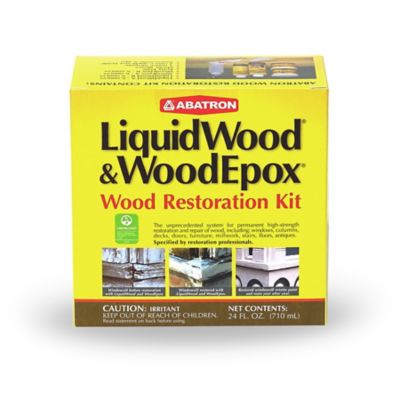
Materials and construction influence how door reinforcement hardware holds up to everyday traffic as well as an attempted forced entry. Steel is common because it provides strength in a relatively thin profile, but metal thickness is only part of the picture. Plate length, bends, hole placement, screw layout and the amount of sound framing engaged all contribute to performance. A longer jamb shield can spread a load beyond the immediate lock opening, while a door-edge wrap can support the narrow section of wood left around a bored lock hole. These parts serve different purposes, so a heavy strike plate is not automatically a substitute for hinge reinforcement or a shield around the lockset. Painted, plated or powder-coated finishes can help limit corrosion and give visible hardware a tidy appearance alongside existing locks and hinges. Smooth edges and well-seated fasteners matter at a busy entrance where sleeves, bags and hands pass close to the frame. Day-to-day operation offers useful clues about the whole assembly: a door should latch without being slammed, and the deadbolt should turn without having to lift the handle or lean against the panel. Reinforcement is not a fix for a sagging hinge, a badly split jamb or deteriorated framing. Those underlying problems need attention so the added hardware has a sound base. Routine care is generally straightforward and should follow the hardware maker's directions, including checking for loose fasteners, damaged coatings and interference at the latch or hinges. Wiping exposed metal with a suitable cloth and keeping latch openings clear can help preserve the finish and smooth operation. At a house entrance carrying a steady stream of work boots, grocery bags and feed-store errands, convenience still counts alongside security. The same is true of a workshop entry that gets opened and locked several times a day. A well-matched door frame reinforcement kit adds support at vulnerable points without creating a daily wrestling match at the handle. The practical result is an entry with stronger connections, compatible hardware and the clear, unobstructed operation needed for both routine access and a safe exit.