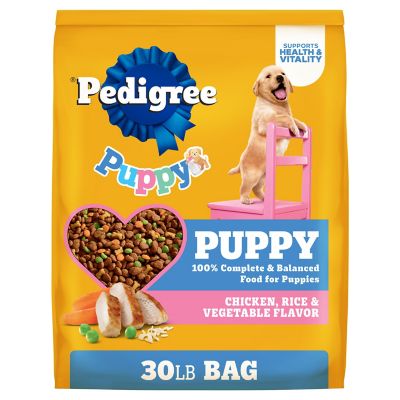
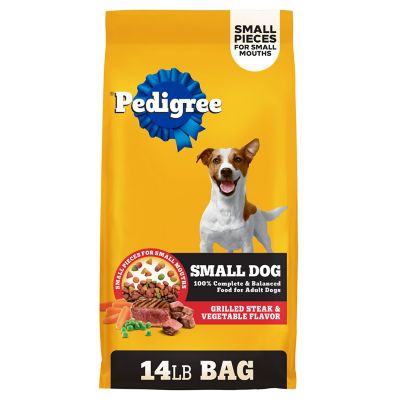
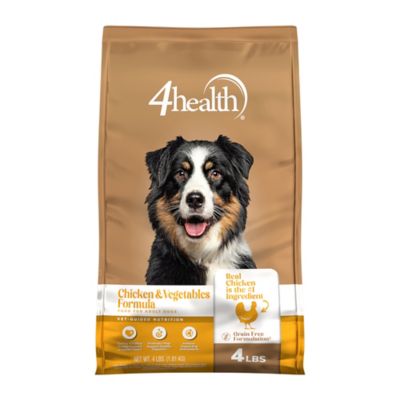
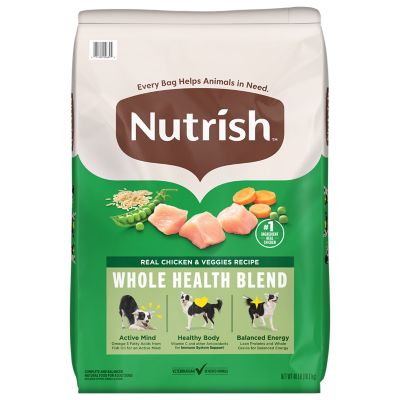
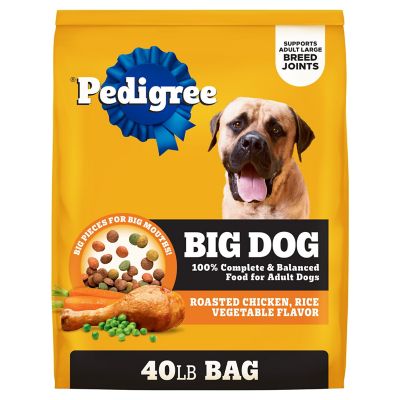
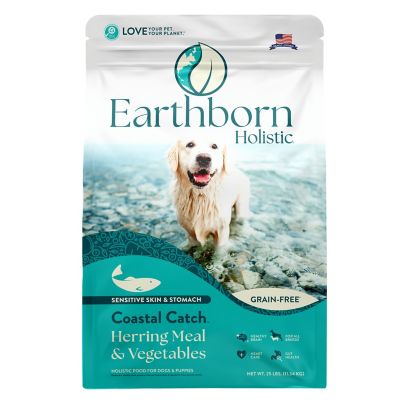
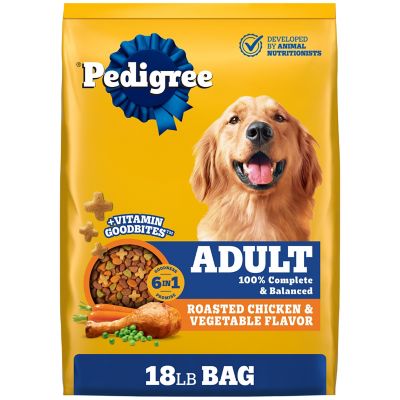
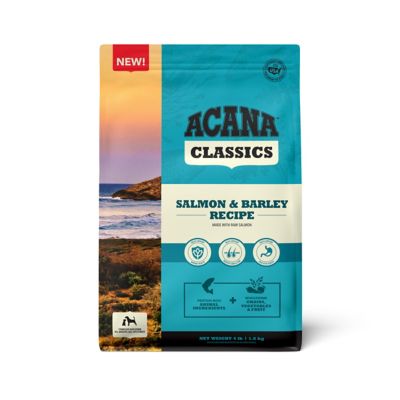
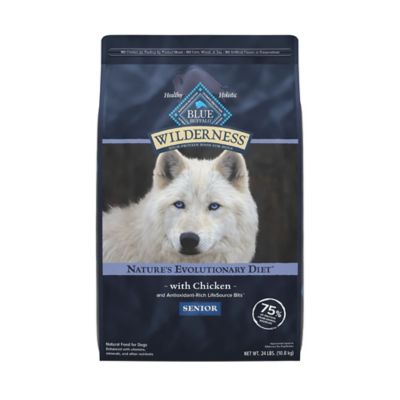
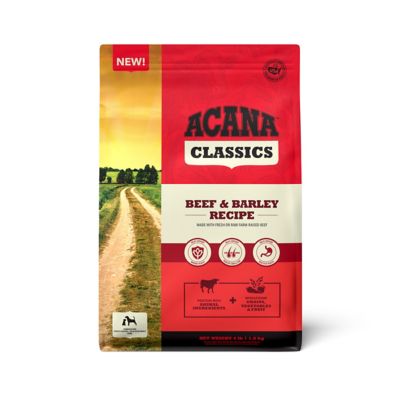
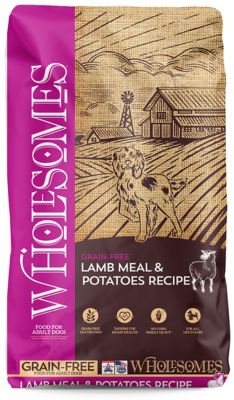
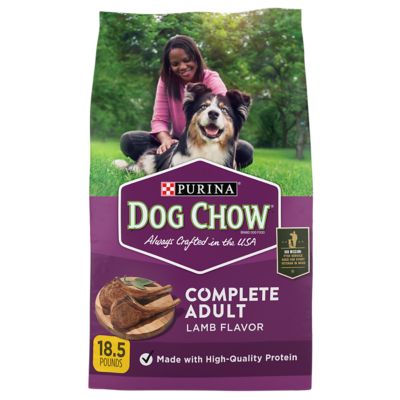
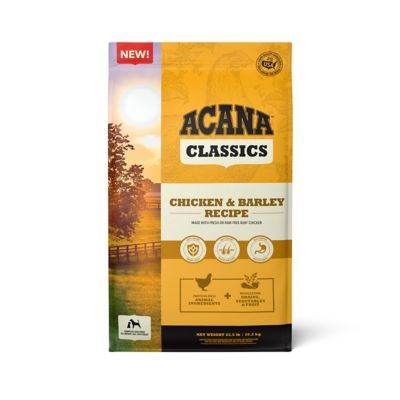
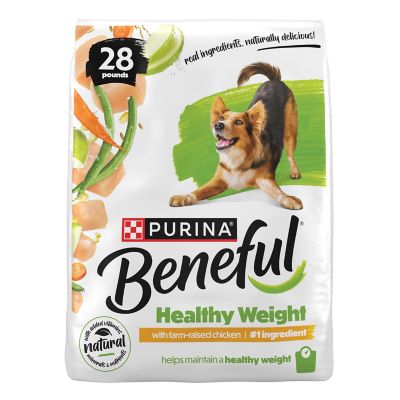
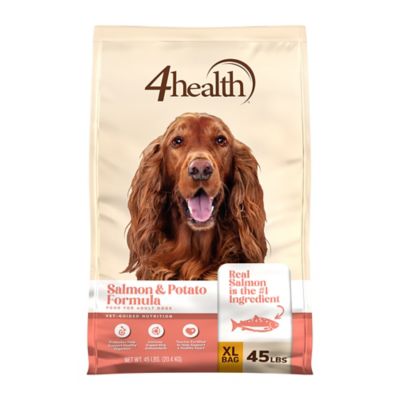
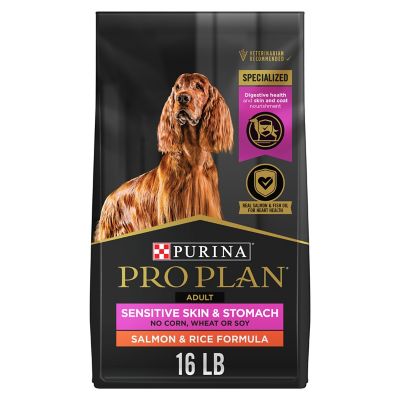
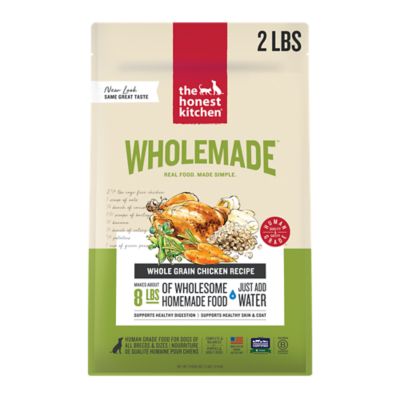
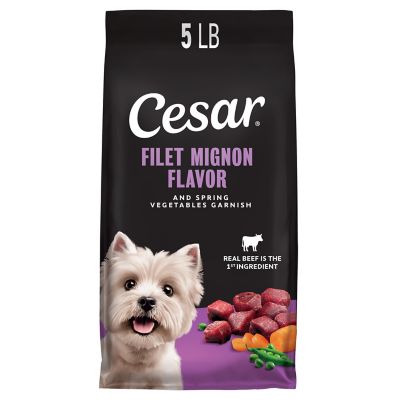
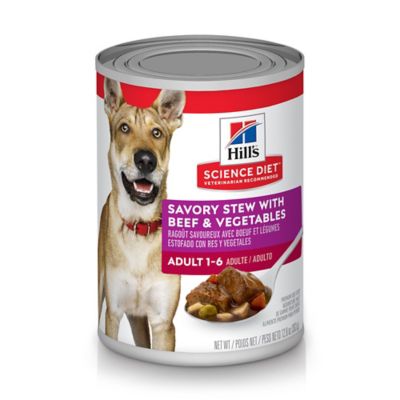
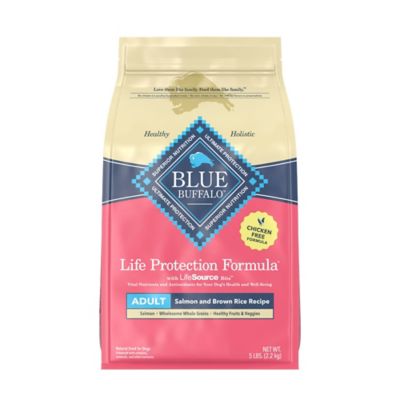
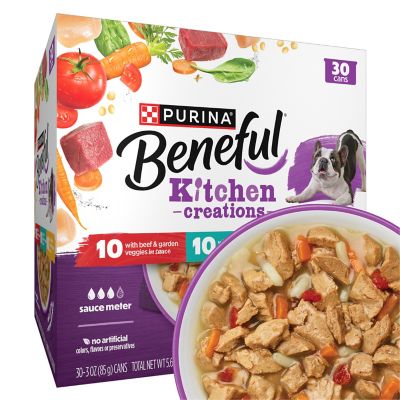
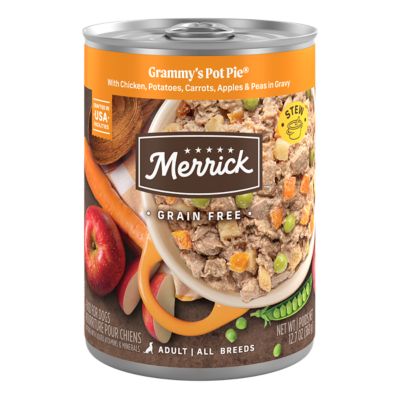
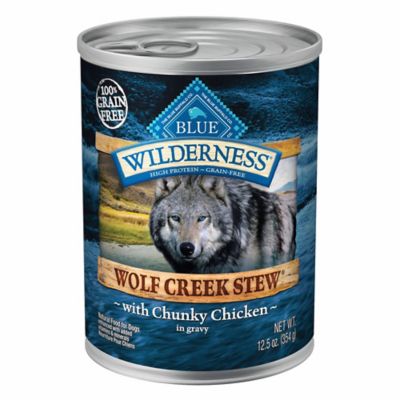
Dry dog food with vegetables is a practical choice for households that want a convenient, dependable meal with the added appeal of plant-based ingredients. In a quality recipe, vegetables may contribute fiber, vitamins, minerals, and natural flavor alongside animal protein, grains, or other carbohydrate sources. Some formulas include ingredients such as peas, carrots, green beans, sweet potatoes, spinach, or pumpkin, while others use a broader blend of vegetables to add texture and variety to the kibble. The vegetables are usually cooked and carefully processed, so they can be easier for dogs to digest than large pieces of raw produce. When comparing bags, start with the nutritional statement on the label and look for food that is complete and balanced for your dog’s life stage, whether that means puppy, adult, senior, or all life stages. A growing pup has different calorie and nutrient needs than a laid-back older dog, and an active farm dog that spends the day trotting around the property may need a different feeding plan than a small companion who naps by the woodstove. Check the guaranteed analysis for protein, fat, fiber, and moisture, then consider the calorie content per cup if your dog gains weight easily. It also helps to review the ingredient list for a named animal protein and to choose a recipe that fits any known sensitivities. A vegetable-inclusive recipe can be a good everyday option for families with one dog or several, and dry kibble is easy to scoop into a barn-side bowl, pack for a road trip, or keep on hand when cooler weather makes extra trips to the store less convenient. For a new dog owner, a properly selected bag can also make a thoughtful and useful gift, especially when paired with a sturdy food container or measuring scoop. If you are buying food for someone else’s dog, it is best to confirm the dog’s age, size, current diet, and dietary restrictions first, since a familiar formula is often more helpful than a surprise change.
Vegetables in dry dog food may be especially appealing to pet owners who want fiber as part of a balanced feeding routine. Fiber can support normal digestion and may help a dog feel satisfied between meals, but more fiber is not automatically better. A recipe with a moderate, well-formulated amount may suit many dogs, while a dog with a sensitive stomach may do better with a simpler food selected with veterinary guidance. Commercial food that is labeled complete and balanced is designed to provide the nutrition a dog needs, so extra vegetables are not required to make the meal wholesome. Some owners occasionally add small portions of plain, dog-safe vegetables such as cooked green beans, carrots, cucumber, celery, or plain pumpkin, but additions should stay limited and should not replace a balanced food. Skip seasonings, butter, sauces, and canned vegetables high in salt. Onions, garlic, grapes, raisins, and several other common kitchen foods can be dangerous for dogs, and even safe produce can cause loose stool when offered in large amounts. It is wise to check with a veterinarian before changing a dog’s diet, particularly if the dog has diabetes, kidney disease, food allergies, digestive trouble, or a history of weight concerns. When changing from one dry food to another, blend the new recipe into the old food gradually over about a week, increasing the new portion a little at a time. This simple step can help avoid the upset stomach that may follow an abrupt switch. Keep fresh water available with every dry meal, and use a clean, tightly sealed container to protect kibble from humidity, pests, and stale odors. Store the original bag inside the container when possible so you can refer to the lot number and expiration information. During the cooler months, a dry pantry or mudroom shelf can be a handy storage spot, as long as the food stays away from freezing temperatures, direct sunlight, and damp floors.
Choosing the right vegetable-containing kibble also comes down to your dog’s everyday habits and your own feeding routine. A large bag may make sense for a multi-dog home, kennel, rescue group, or working-dog household, while a smaller bag can help a single dog owner keep food fresher and test a new recipe without committing to a long supply. Measure portions rather than filling the bowl by guesswork, and account for training treats, dental chews, table scraps, and toppers when keeping an eye on calories. A dog that spends mornings checking the fence line may need more fuel than one who takes short walks, but activity, age, breed, body condition, and health all matter more than appearance alone. You should be able to feel the ribs under a light covering without seeing them sharply, and your veterinarian can help set a healthy target if your dog is too thin or carrying extra weight. For dogs that enjoy a little variety, rotating between appropriate recipes can be possible, but steady consistency is often better for dogs with touchy digestion. Some families also explore food made with fruit ingredients; shoppers comparing plant-forward options can browse
Fruit Dog Food for another way to narrow the selection. Whether the bowl is filled in a kitchen, porch, tack room, or kennel run, the best choice is one your dog eats willingly, digests comfortably, and receives in the right amount. Read the feeding directions as a starting point, watch your dog’s body condition and stool, and make adjustments with professional advice when needed. A well-chosen dry food with vegetables can simplify mealtime while giving your dog a steady source of balanced nutrition for long walks, muddy play, quiet evenings, and all the ordinary moments that make a place feel like home.