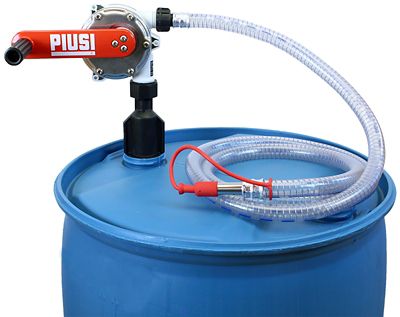
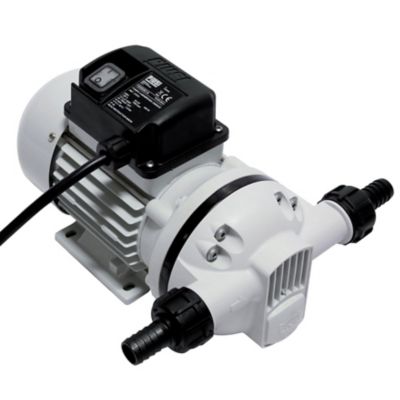
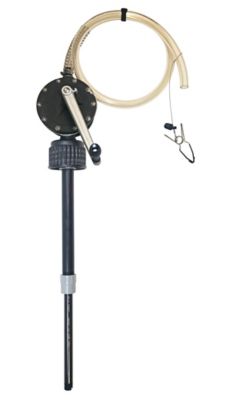
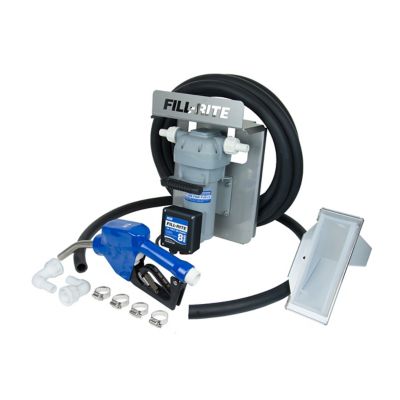
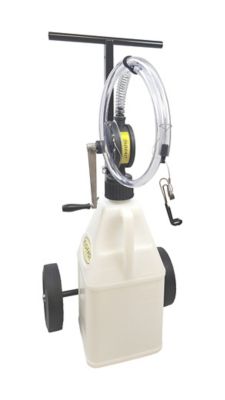
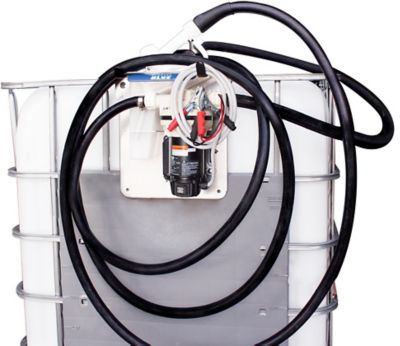
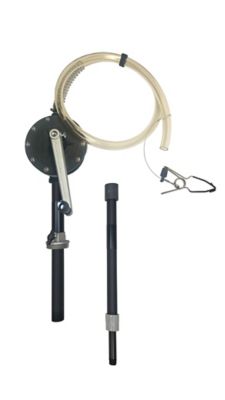
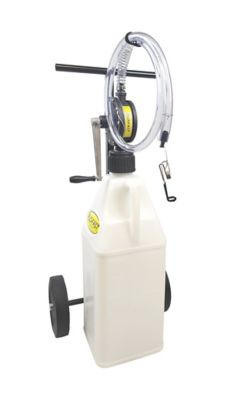
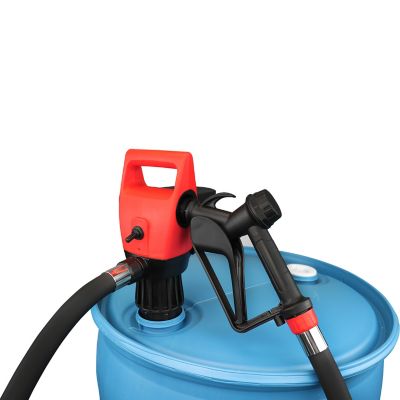
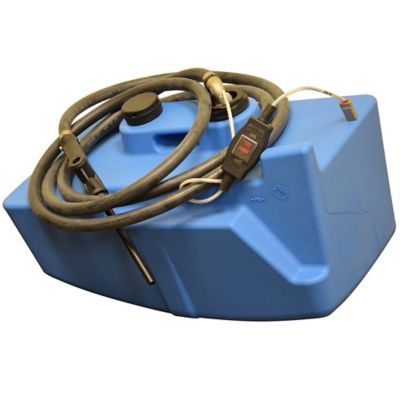
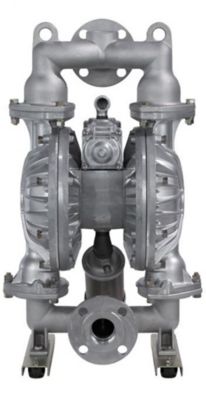
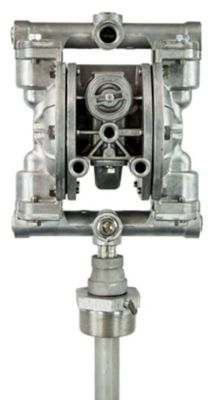
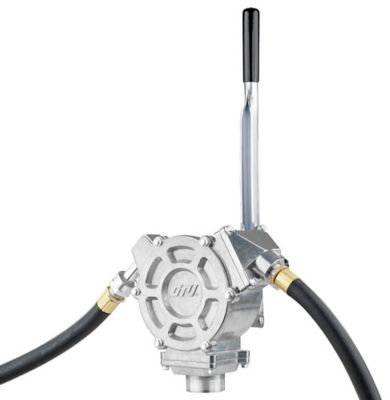
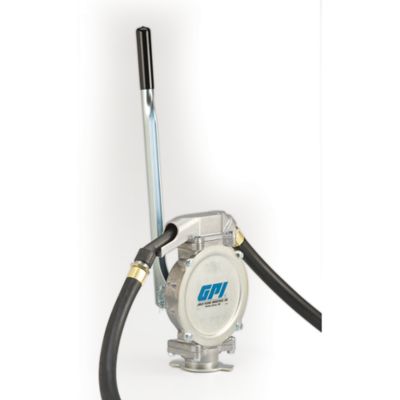
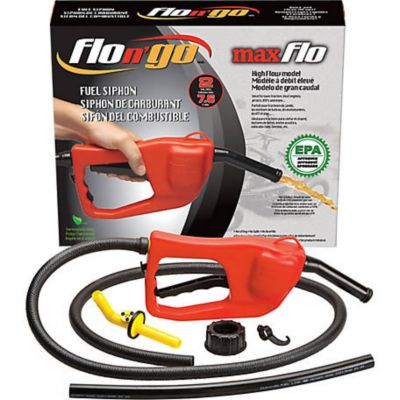
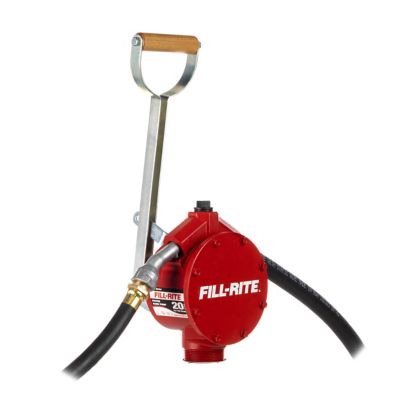
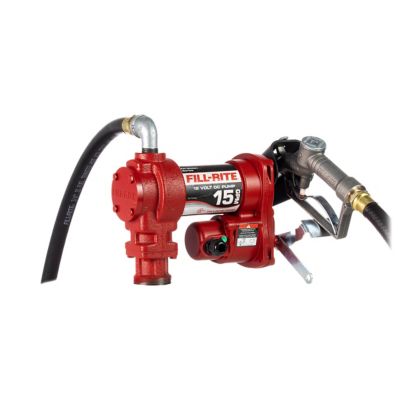
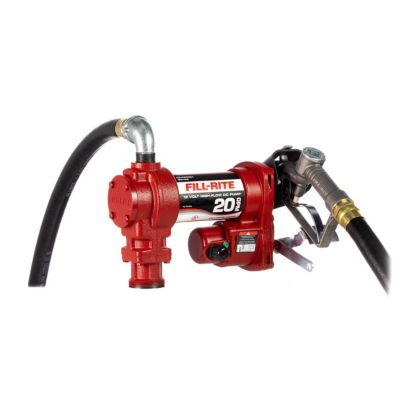
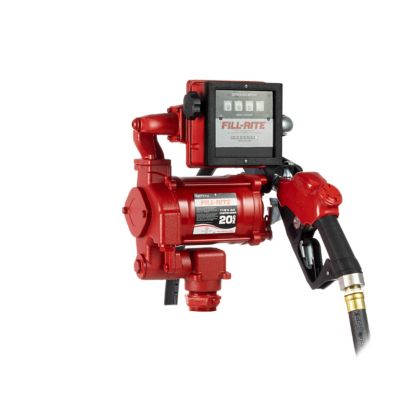
Diesel exhaust fluid pumps move DEF from a storage container to a vehicle’s dedicated DEF tank, helping keep trucks, tractors and other diesel equipment ready for work. DEF is a mixture of 32.5 percent high-purity urea and 67.5 percent deionized water. In diesel engines equipped with selective catalytic reduction, that fluid helps the exhaust treatment system turn nitrogen oxides into nitrogen and water vapor. It belongs in the DEF reservoir, never in the diesel fuel tank. External DEF transfer pumps handle the filling job, while onboard DEF supply pumps deliver fluid to the vehicle’s dosing system. Those are different jobs, and the pumps are not interchangeable. For a farm shop, construction crew or trucking operation, transfer equipment makes sense when fluid comes in drums, totes or larger storage tanks rather than small pour containers. A dedicated pump, hose and nozzle can make filling easier to manage beside a parked tractor, across a service bay or along a row of work trucks. Hand-operated pumps can suit occasional transfers where an electrical connection is inconvenient. Electric pumps fit operations that handle larger amounts or fill several machines in a workday. A 12-volt DC setup can suit a service truck with a compatible power source, while an AC-powered pump fits a fixed dispensing location with the proper electrical supply. The right arrangement depends on more than how much fluid moves each minute. Container location, vehicle access, power connections and the distance between the pump and fill opening all affect how comfortably the equipment fits the job. An owner-operator topping off one truck has different needs from a fleet technician servicing several vehicles before they head out. Matching the dispensing setup to that routine helps keep fluid handling straightforward without adding unnecessary equipment or awkward connections. It also gives operators a designated place for DEF service, instead of leaving hoses and containers scattered around a busy work area.
Material compatibility is one of the biggest differences between diesel exhaust fluid pumps and general-purpose liquid transfer pumps. DEF needs a clean fluid path made from materials that the equipment manufacturer approves for contact with it. Compatible stainless steel and certain plastics, including suitable grades of polyethylene and polypropylene, are common choices for wetted components. Seals, gaskets, hoses and nozzle parts need the same attention as the pump housing. Copper, brass, zinc and ordinary carbon steel can create compatibility problems, so a pump meant for diesel fuel, oil or water is not automatically suitable for DEF. A dedicated setup also helps prevent traces of another liquid from reaching the vehicle’s emissions system. For fluid itself, ISO 22241 provides an important reference for composition and handling requirements. Pump fit starts at the storage container: drum openings, tote valves, mounting brackets and suction tubes all need matching connections. A suction tube should suit the container’s depth, and adapters should match the actual thread or valve connection rather than merely appearing close. On the outlet side, hose length needs to reach the fill opening without stretching across a traffic lane or dragging beneath tires. More hose is not always better, since hose length, fittings and elevation changes can reduce delivery performance. Published flow ratings are most useful alongside the manufacturer’s limits for suction lift, discharge conditions and operating time. Duty cycle matters in a busy shop, where several fills in a row can ask more of a pump than an occasional top-off. Nozzle choice matters, too: the spout must fit the intended fill opening, and an automatic shutoff nozzle must be compatible with both the pump and dispensing arrangement. A flow meter can help track transfers, but its materials and operating range also need to suit DEF. For onboard replacement pumps, fit depends instead on the vehicle application, electrical connections and dosing-system requirements, not on drum size or dispensing hose length.
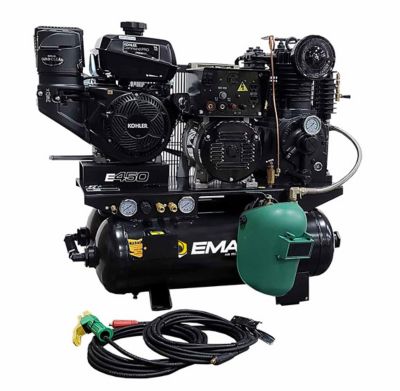
Keeping DEF dispensing equipment clean is part of keeping the whole setup working as intended. Dust from a gravel yard, residue in an open container or a hose end left on the shop floor can introduce contaminants where they do not belong. Capped connections, a protected nozzle holder and a closed storage arrangement help keep those everyday messes out of the fluid path. A pump that has handled fuel, oil or another chemical should not move into DEF service; even a small amount of residue can cause trouble. Dedicated funnels and transfer accessories belong with the DEF equipment for the same reason. White crystal buildup around a nozzle or fitting can develop when spilled DEF dries, and repeated buildup may point to seepage or a connection that needs attention. Exterior residue and internal passages call for different care, so cleaning methods should follow the equipment manufacturer’s directions. Harsh cleaners and improvised flushing liquids can leave contaminants behind or damage seals. Hoses also deserve a regular look for cracking, abrasion, loose fittings and flattened spots, especially where they rub against a tank frame or service-truck compartment. Good mounting keeps the pump supported instead of leaving its weight hanging from a container fitting, while sensible hose storage keeps the nozzle within reach without putting it underfoot. Running a pump dry, blocking its outlet or leaving it energized beyond its rated operating time can damage equipment unless its design specifically allows those conditions. Clear identification of the DEF station helps prevent mix-ups when several people share a shop or service truck. A work area handling fluid service and pneumatic-tool jobs may also have a place for
Diesel Engine Air Compressors, with separate space for each task. For diesel exhaust fluid pumps, the best fit comes down to compatible materials, connections that match, manageable hose routing and care that keeps the fluid path clean from container to fill neck.