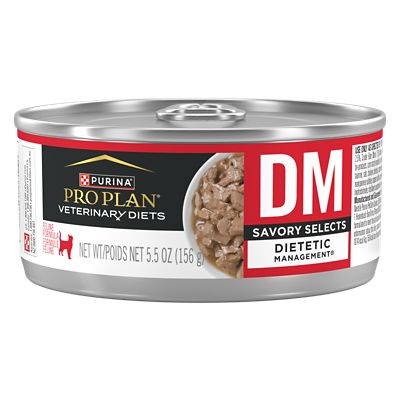
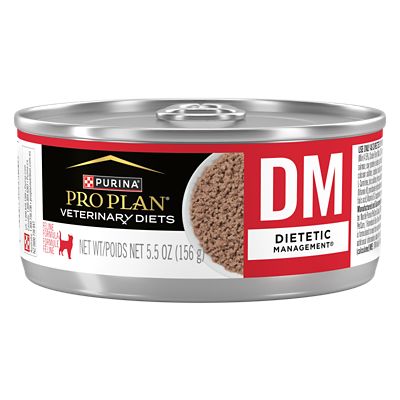
Diabetic cat supplies support the everyday work of feeding, monitoring blood sugar, and giving veterinarian-prescribed treatment. Depending on a cat’s care plan, that can mean a pet blood glucose meter, compatible test strips and lancets, insulin syringes, prescribed insulin, and food selected with a veterinarian. Each part has a different job, and the best fit comes from matching supplies to the cat’s treatment rather than putting together a one-size-fits-all kit. For a cat that needs insulin, consistent meals and careful monitoring help the veterinarian assess how treatment is working. Food deserves particular attention because carbohydrate content, calories, portion size, and eating habits all matter. Many diabetic cats benefit from a lower-carbohydrate diet, but kidney disease, digestive trouble, weight concerns, and other health conditions can change what belongs in the bowl. Wet cat food often contributes more moisture and may contain fewer carbohydrates than dry food, although the format alone does not tell the whole story. Terms such as grain-free do not automatically mean low-carbohydrate, so nutritional information and veterinary recommendations carry more weight than front-label claims. Prescription diets require veterinary authorization, and any change in food should be coordinated with the veterinary team because insulin needs can change along with the diet. For a household where one cat cleans the bowl and another nibbles all day, separate feeding spaces and measured portions make it easier to know what the diabetic cat actually ate. A kitchen scale can help keep portions consistent, while a washable feeding mat helps contain spills around the feeding spot. Stainless steel or glazed ceramic bowls offer smooth surfaces that are easy to wash; chipped bowls or scratched surfaces can be harder to keep clean. Wide, steady bowls may also suit cats that dislike having their whiskers pressed against the sides. Feeding supplies should make the prescribed routine easier to follow, whether a cat eats beside the kitchen cabinets or in a quiet room away from other pets.
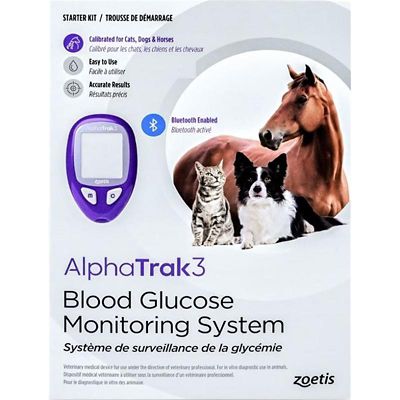
Blood glucose monitoring supplies help turn observations at home into information a veterinarian can interpret. A glucose meter intended for cats, paired with the exact test strips specified for that meter, provides blood sugar readings from a small blood sample. Human meters and pet meters can produce different results, so the veterinary team should choose or approve the monitoring system and explain the target ranges for that particular cat. Compatibility matters throughout the setup: test strips are not interchangeable across every meter, and lancets need to fit the lancing device if one is part of the routine. Sample size, screen readability, memory functions, and ease of handling are practical considerations, especially for someone balancing a meter, a strip, and a cat that would rather be somewhere else. A veterinarian or veterinary technician can demonstrate sampling technique and help establish a testing schedule. A quiet spot, a nonslip surface, and supplies laid out within reach can make those sessions less of a scramble. Fresh, single-use lancets and proper sharps disposal belong in that setup, too. Test strips need storage according to their labeling, with containers closed as directed and expiration dates checked before testing. Blood glucose strips, urine glucose strips, and urine ketone strips measure different things; one does not simply take the place of another. Urine glucose results cannot show the cat’s blood sugar level at that exact moment or safely direct insulin changes on their own. Ketone checks may be part of a veterinarian’s plan, particularly when a cat is not eating or seems unwell. Positive ketone results warrant prompt veterinary contact, and a cat with vomiting, marked lethargy, or breathing changes needs urgent care. A simple log of meals, medication, readings, appetite, and litter box changes gives those numbers useful context. Recording that breakfast went untouched or the water bowl emptied faster than usual can help the veterinary team spot a pattern that a meter reading alone would miss.
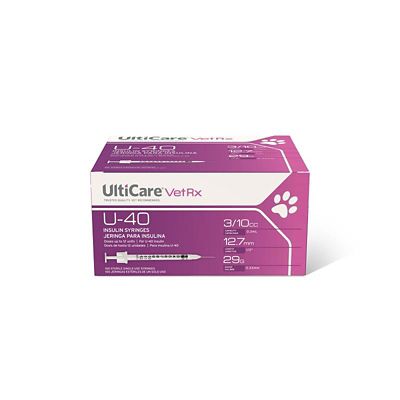
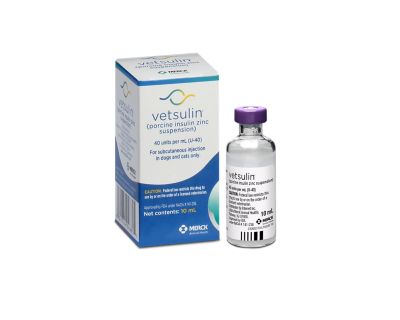
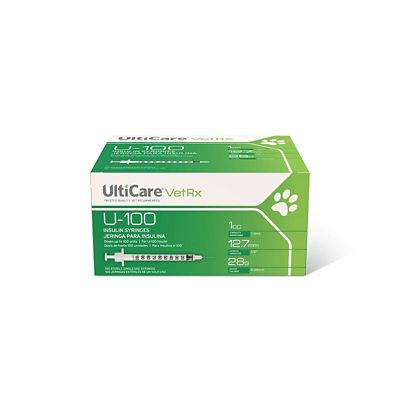
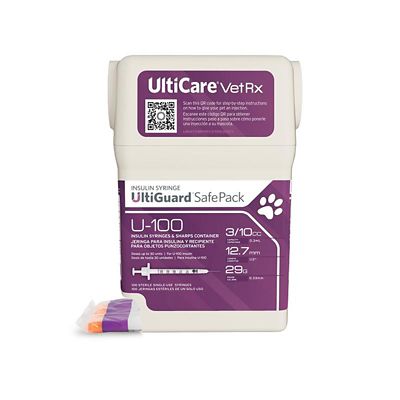
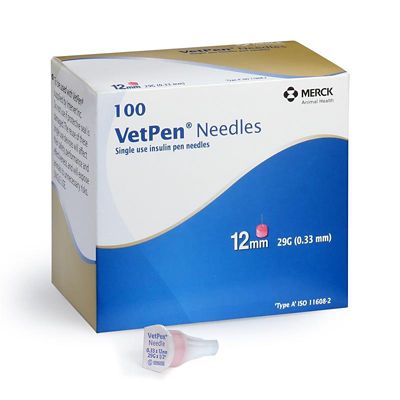
Insulin supplies call for an exact match between the prescription and the delivery equipment. U-40 insulin requires U-40 syringes, and U-100 insulin requires U-100 syringes unless a veterinarian has specifically prescribed and explained another delivery system. The markings reflect different concentrations, so swapping syringe types can cause a serious dosing error. For an insulin pen, compatible pen needles and instructions for that particular device are essential. Syringe capacity, readable markings, and any need for half-unit markings should be discussed with the veterinary team, along with needle length and injection technique. Insulin handling also depends on the medication: storage, mixing, and the time a vial or pen remains suitable after opening must follow its label and the veterinarian’s directions. A clearly marked opening date can help keep track. Needles and syringes are for a single injection, and a puncture-resistant sharps container keeps them away from paws, children, and household trash; disposal should follow local requirements. Beyond the treatment itself, a tidy storage setup helps everyone in the home stay on the same page. An easy-to-clean supply tray, a written care schedule, and a medication record give a spouse, relative, or pet sitter a clear picture of what has already happened. That record is especially important when chores and work schedules overlap, since two people should never give the same dose by mistake. Keep supplies secure rather than loose in a kitchen drawer, and leave the veterinary clinic’s contact information alongside the care plan. A missed meal, vomiting, or an unexpected reading calls for veterinary direction rather than guesswork about the next dose. Weakness, shaking, disorientation, or seizures may signal dangerously low blood sugar and require immediate veterinary attention. Have a veterinarian-provided emergency plan ready before trouble comes up. Everyday enjoyment still has a place in a diabetic cat’s life, too. For a birthday,
Cat Birthday Products can be a starting point for a celebration centered on play rather than extra food, with toys matched to the cat’s size and play habits. The same practical approach runs through diabetic cat care: supplies that fit the treatment plan, a routine the household can follow, and close attention to the cat resting at the center of it all.