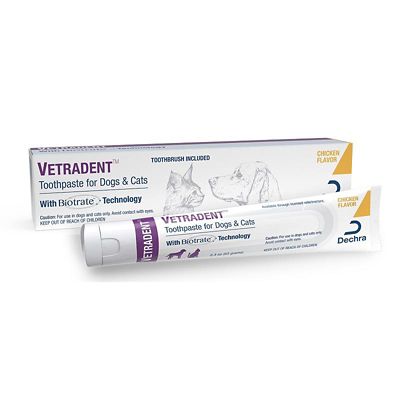
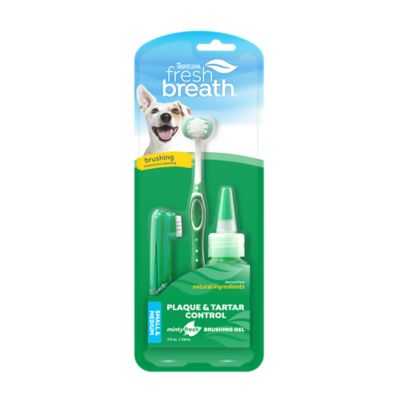
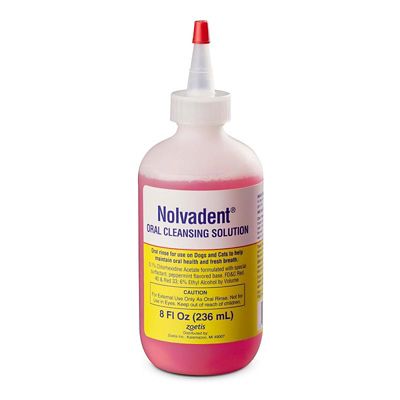
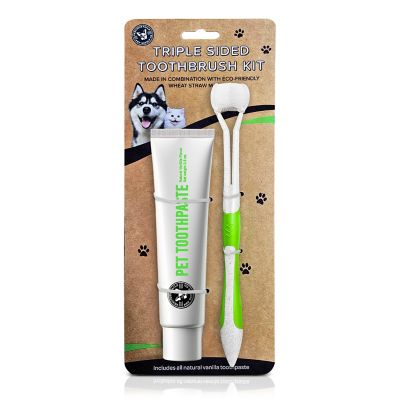
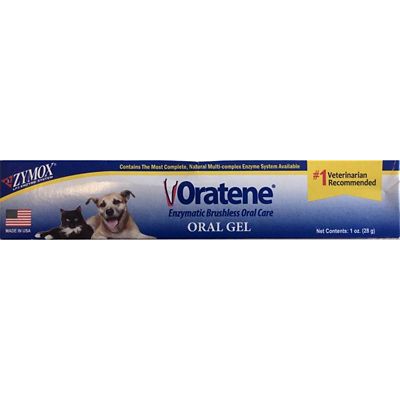
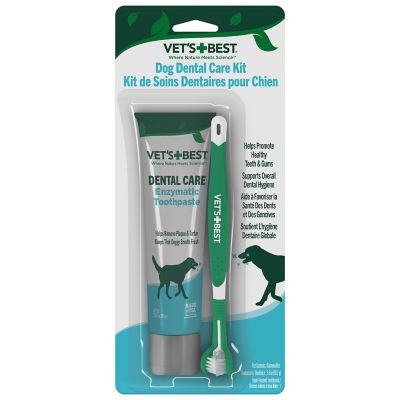
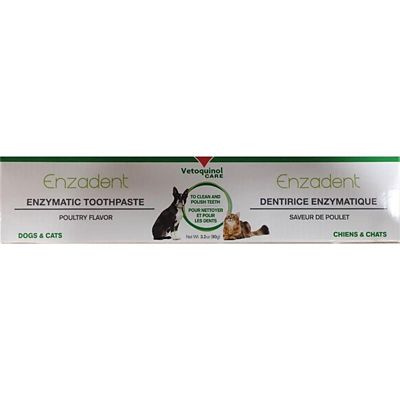
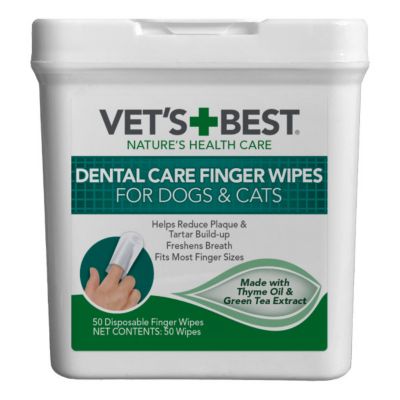
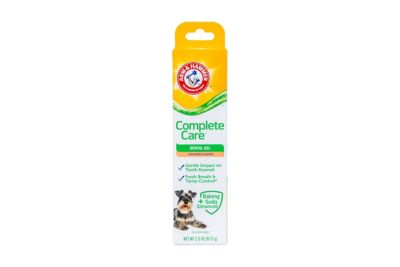
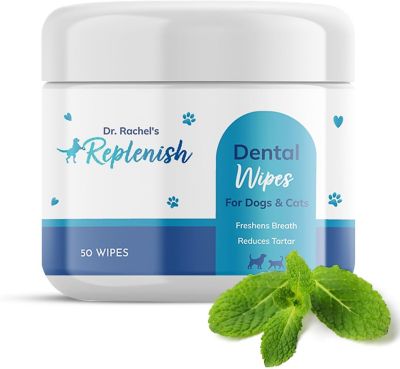
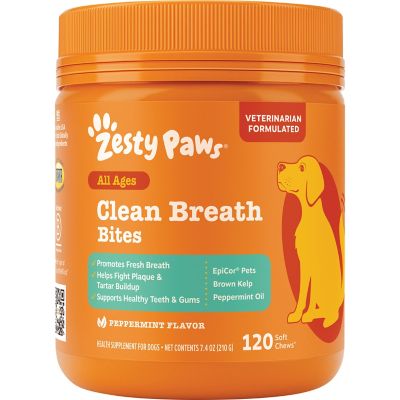
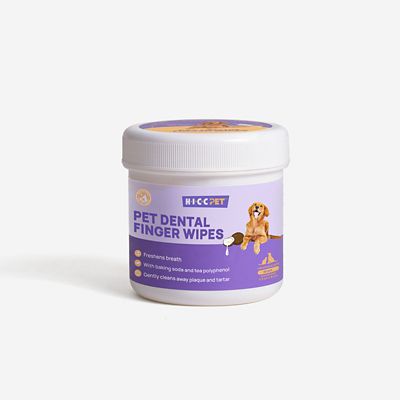
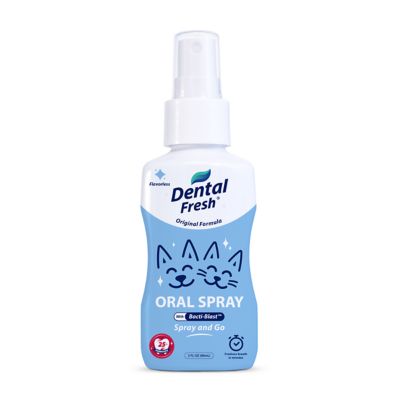
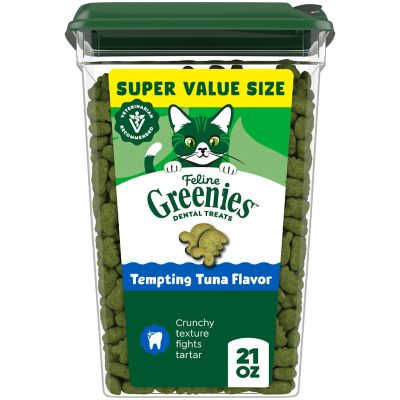
Pet oral care supplies include pet-formulated toothpaste, toothbrushes, dental wipes, dental chews, oral gels and water additives that support cleaner teeth and fresher breath in dogs and cats. These supplies serve different purposes, from physically loosening plaque along the gumline to providing an added layer of dental support between brushing sessions. Plaque is a sticky film of bacteria that collects on teeth; when it hardens into tartar, a toothbrush alone cannot remove it. That distinction matters when comparing everyday dental supplies with veterinary dental care. At-home care helps manage buildup, while a veterinarian evaluates teeth and gums and treats problems below the surface. Some dental products carry the Veterinary Oral Health Council, or VOHC, Seal of Acceptance. The seal identifies products with evidence that meets the council’s standards for controlling plaque, tartar or both, with the particular claim listed on the package. It does not mean every dental chew, toothpaste or water additive has been evaluated, and products accepted for dogs are not automatically suitable for cats. Species labeling, age recommendations and directions all deserve a close look. Toothpaste made for pets comes in flavors that can make brushing more inviting, especially for a dog that considers anything near its mouth worth a taste test. Human toothpaste is not appropriate for pets, and some formulas contain xylitol, which is poisonous to dogs. Pet dental supplies also vary in whether they require brushing, direct application or mixing with drinking water. Those differences affect how comfortably they fit into a household’s routine. A dog happy to sit beside the kitchen cabinet may accept a toothbrush, while a cat that dislikes mouth handling may need a different approach planned with a veterinarian. Fresher breath is welcome when a pet settles close on the couch, but odor control alone does not establish oral health. Persistent bad breath, bleeding gums, facial swelling, dropped food or reluctance to chew call for veterinary attention rather than another breath-freshening product.
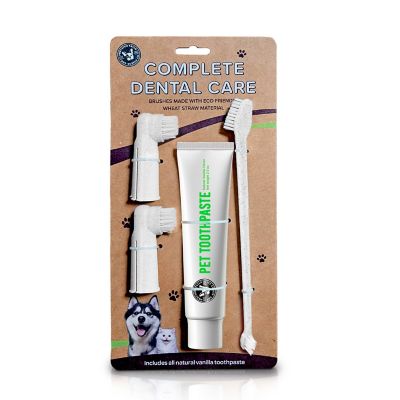
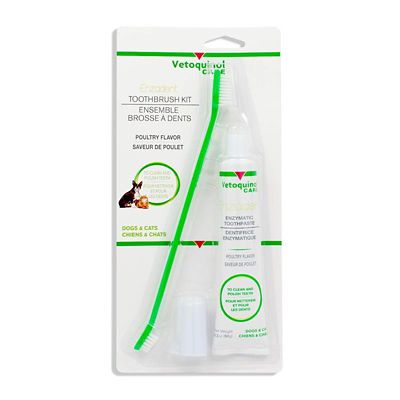
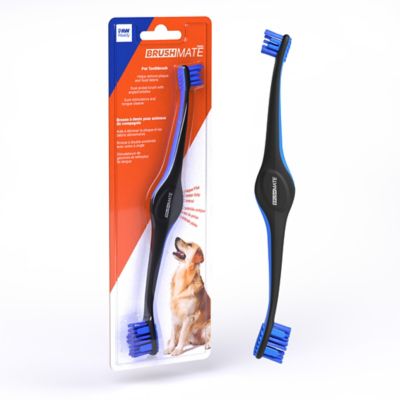
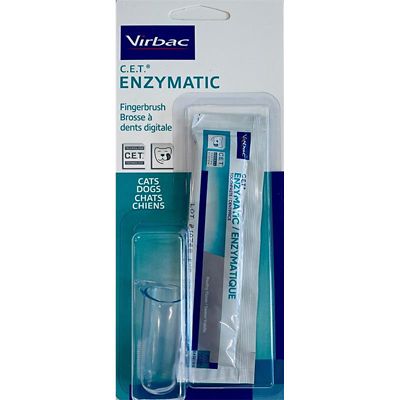
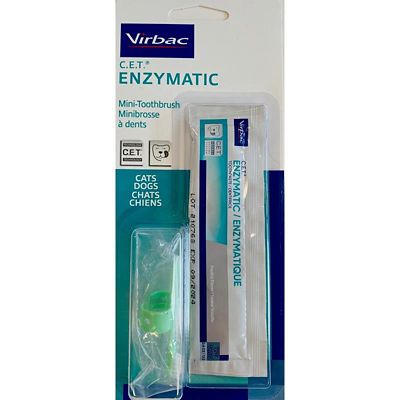
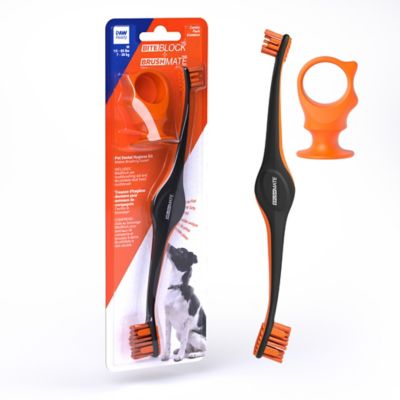
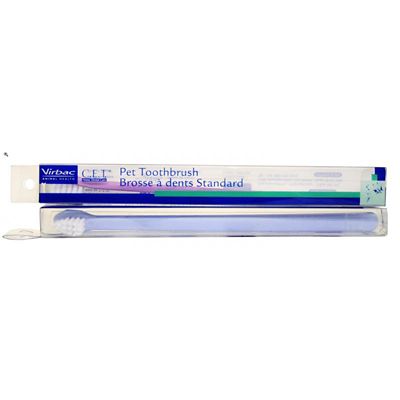
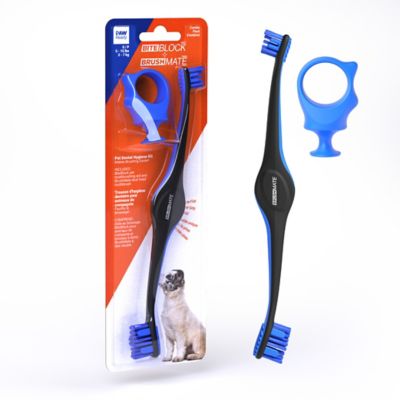
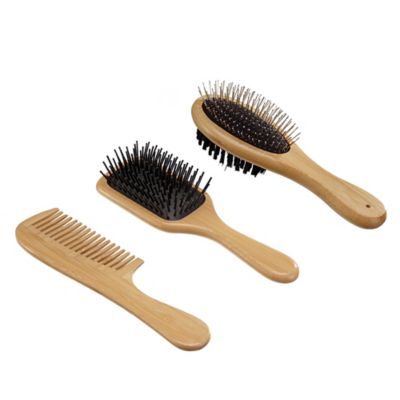
The right size and feel make a real difference with pet toothbrushes and other tools that go inside the mouth. A compact brush head can reach a small dog’s back teeth without crowding its cheeks, while a longer handle may give better reach in a larger mouth. Soft bristles are generally preferable to stiff ones for routine brushing near sensitive gum tissue. Finger brushes often feature flexible silicone or molded rubber, giving the person handling the brush a closer feel for pressure and placement. They also place fingers near the teeth, so a pet’s comfort with handling matters just as much as the brush design. A wide-mouthed retriever and a little terrier may need different brush shapes even when both accept the same brushing routine. Dental wipes offer another contact surface for accessible teeth, though they do not reach every area a brush can. Across these supplies, smooth edges, a comfortable grip and a head that fits without forcing the mouth open are useful features. Dental chews bring their own set of considerations. Their size, texture and shape influence how a dog holds and works through them, and package weight ranges help narrow the choice. A chew should not be so small that the dog can swallow it whole. Dogs that gulp treats, pets with missing teeth and puppies with developing mouths may need different options or a veterinarian’s recommendation. Very hard chewing objects can fracture teeth, so firmness deserves attention alongside how long a chew lasts. Rubber, nylon and other chew materials differ in flexibility and wear, and a dental-looking shape alone does not establish a plaque-control benefit. Edible dental chews also contribute calories and may contain proteins or other ingredients that matter for pets with food sensitivities or restricted diets. Supervision helps catch oversized bites, loose pieces or a chew that has become small enough to swallow. Brushes need attention, too: bent bristles, split silicone and rough edges are signs that a tool belongs out of the routine. Rinsing after each brushing and letting tools air-dry helps keep them ready for the next round.
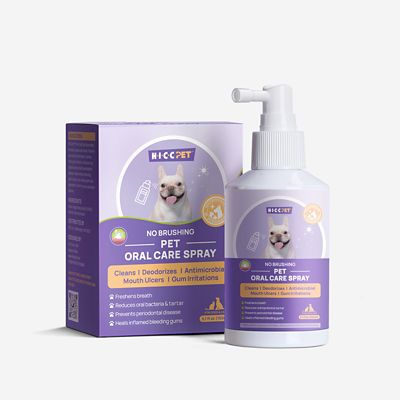
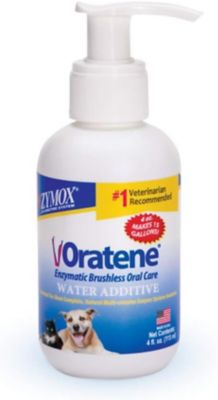
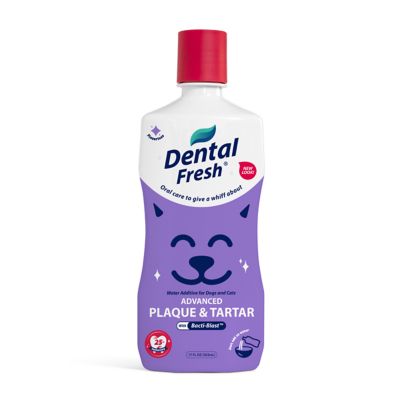
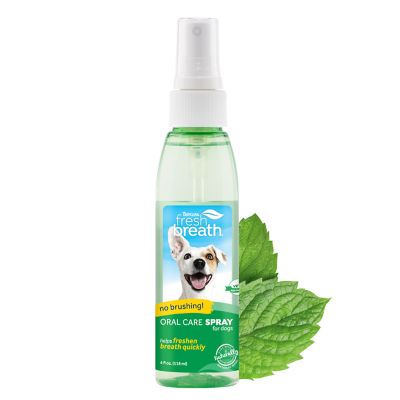
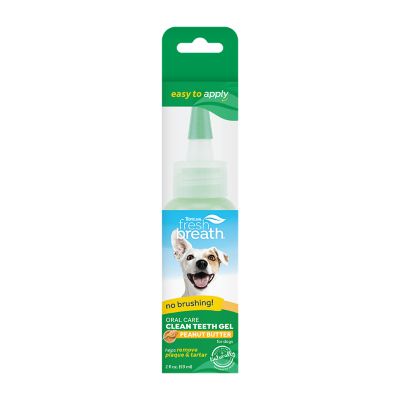
Water additives, oral gels and other low-handling formats can appeal to households where a full brushing session is a tough sell. Their intended use varies, so a formula labeled for a dog’s drinking water should not be treated as interchangeable with a gel applied directly to a cat’s teeth. Mixing directions matter, particularly when bowls vary in size or several animals share a water source. Fresh drinking water remains essential, and a pet that drinks less after an additive is introduced needs a different plan rather than encouragement to go thirsty. Product labeling can also clarify whether a formula is intended for dogs, cats or both, along with age limits and any precautions. Households with feline companions can explore
Cat Oral Health Products for options centered on cats’ needs. A small mouth, limited patience for handling and strong flavor preferences can all shape what fits a cat’s routine. For both dogs and cats, consistency often matters more than a crowded shelf of supplies. A manageable setup might include an appropriately sized toothbrush, pet toothpaste and a separate drying spot away from cleaning chemicals. In a home with several pets, individual brushes keep each animal’s tools separate, and clearly labeled supplies help everyone follow the same routine. Package closures and storage directions matter for edible chews and liquid formulas, especially around curious noses that can reach a low shelf. Keeping treats secured also prevents a dog from turning a bag of dental chews into one oversized snack after chores. Oral care supplies work best as part of a broader plan that includes regular veterinary checks, attention to changes in chewing and products matched to the pet’s mouth and habits. Comfort should remain part of that match; a sore mouth needs an examination, not firmer brushing. Thoughtfully chosen supplies make everyday care easier to keep up with, whether the pet is a young dog learning to accept a brush or an older cat needing a gentler routine.