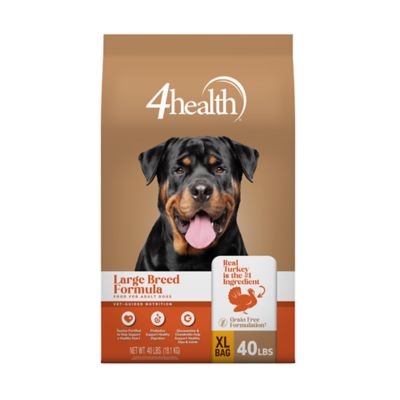
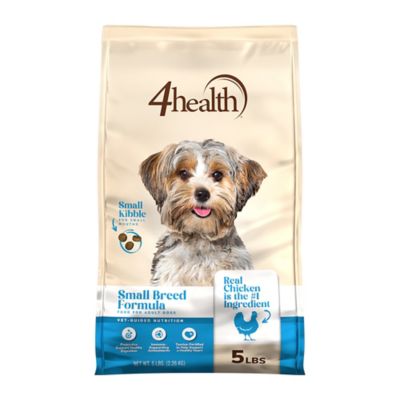
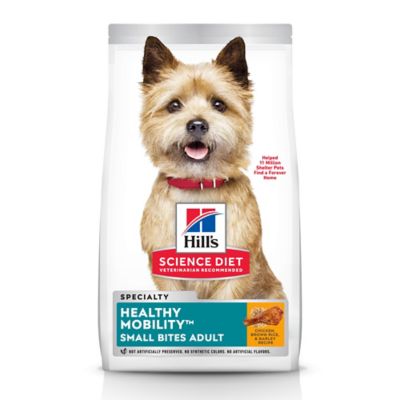
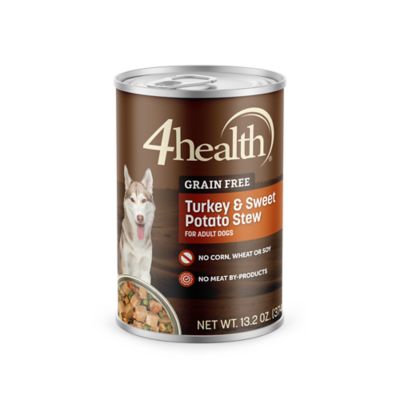
Dog food for diabetes support fits into a bigger care routine built around steady meals, prescribed medication, and regular veterinary checkups. For a dog living with diabetes, the best food is one that meets nutritional needs, supports an appropriate body weight, and can be fed consistently under a veterinarian’s direction. There is no single protein, fiber level, or food texture that suits every diabetic dog. A lean, active companion that follows along during morning chores may need a different calorie plan than an older dog that spends most of the day snoozing beside the back door. Foods with suitable protein help maintain muscle, while certain fiber blends can slow carbohydrate absorption and help support blood glucose management. Starch content matters, too, but a low-carbohydrate claim alone does not establish whether a food is a good fit. The whole formula, its calorie density, and the dog’s response to meals all deserve attention. Some dogs benefit from a veterinarian-recommended therapeutic diet, while others may follow a carefully planned feeding routine with an appropriate complete and balanced commercial food. Food supports diabetes management; it does not replace insulin when insulin is prescribed. When comparing dog food for blood sugar support, look beyond the front of the bag to the nutritional adequacy statement, intended life stage, feeding directions, and calories per cup or can. An adult maintenance food serves a different purpose from a formula intended for growth, and supplemental foods should not take the place of a complete daily diet. Clear feeding information also makes everyday portions easier to manage, whether breakfast happens before the first trip to the barn or supper comes after the evening walk. The goal is not a bowl filled with the longest list of ingredients. It is a meal the dog will eat willingly, in a measured amount, as part of a plan the household can keep steady from one day to the next.
Ingredients and food format both play a part in finding that everyday fit. Protein supplies the building blocks for muscle and other body tissues, but higher protein is not automatically better for every dog, especially when another medical condition affects dietary needs. Fiber deserves a closer look because different types behave differently. Soluble fiber can form a gel in the digestive tract and slow nutrient absorption, while insoluble fiber adds stool volume and can help with fullness. A formula that works well for an overweight dog may not be appropriate for one that is underweight or struggling to finish meals. The crude fiber number on a label does not tell the whole story about the fiber blend, and the guaranteed analysis alone may not provide enough information to compare carbohydrate content. A veterinarian can help interpret the label and request a fuller nutrient profile from the manufacturer when needed. Dry dog food can make measured portions straightforward and may suit dogs that enjoy a crunchy bite. Wet dog food provides more moisture and a softer texture, which can appeal to dogs with chewing difficulties or a preference for softer meals. Neither format is automatically better for diabetes, and moisture differences mean their label percentages cannot be compared directly without adjustment. Calories matter just as much as serving size: the same scoop can deliver quite different amounts of energy from two formulas. Kibble size, aroma, and texture matter because a feeding plan is harder to follow when the dog leaves half the meal behind. Fat content also needs individual attention, particularly for dogs with a history of pancreatitis or trouble managing blood fats. Grain-free wording, an appealing meat ingredient, or a weight-management label does not by itself mean a food is appropriate for diabetes support. For shoppers comparing other nutritional features,
Dog Food With DHA offers a related category to explore, though DHA content alone does not make a formula suitable for a diabetic dog.
Once a suitable food is chosen, the way it fits into daily life becomes just as important as the ingredients. Consistent portions, meal composition, and timing help make a dog’s response to food more predictable. Many dogs receiving insulin follow a twice-daily meal schedule, but the exact timing of food and injections should come from the prescribing veterinarian rather than a general rule on a package. A kitchen scale can make portions more consistent than an overflowing scoop, especially when small changes add up over several meals. In a busy household, a written feeding record helps keep a second helping from landing in the bowl when someone else has already handled breakfast. Treats, table scraps, dental chews, and food tucked around a pill also contribute calories and nutrients. Those extras belong in the feeding plan, not outside it. A bite passed down from the porch or a handful of treats after a walk can make an otherwise steady routine harder to track. Changes in appetite deserve prompt attention; if a diabetic dog refuses a meal or vomits, contact the veterinarian promptly for instructions about food and insulin rather than guessing at a dose. Any switch to a different formula should also be coordinated with the veterinary team because dietary changes can affect insulin needs. Practical storage helps keep meals appealing: retain the original dry-food bag inside a clean, closed container, keep it away from heat and moisture, and follow the package directions for refrigerating opened wet food. Wash bowls regularly and keep fresh drinking water within easy reach. During cooler weather, shorter walks or more time indoors may change calorie needs, while dogs that remain active outdoors may need a different adjustment. Tracking weight, appetite, thirst, and meal intake gives the veterinary team useful information alongside prescribed glucose monitoring. The right diabetes-support feeding routine should feel manageable at home, with a food that suits the dog’s health needs and a schedule that holds together through early chores, muddy paws, and quiet evenings by the door.