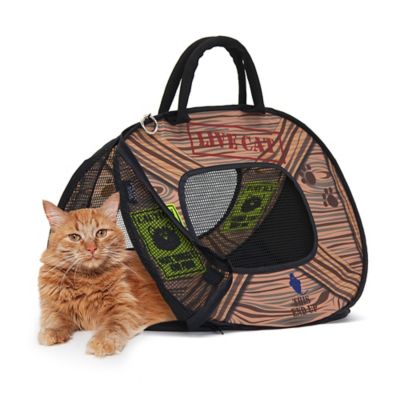
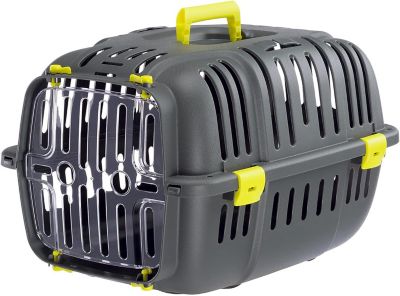
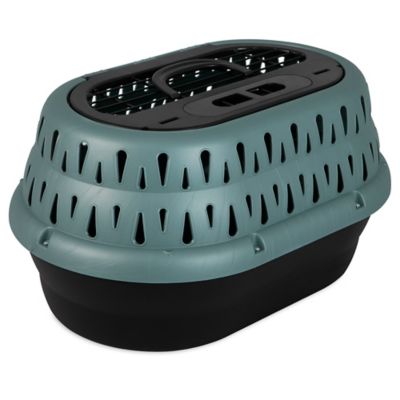
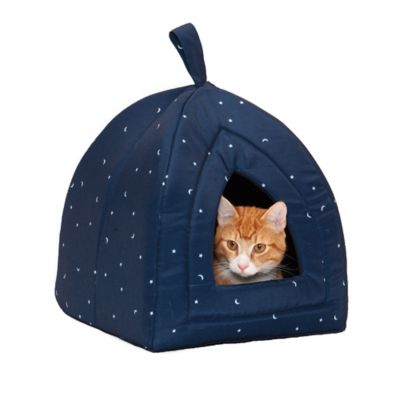
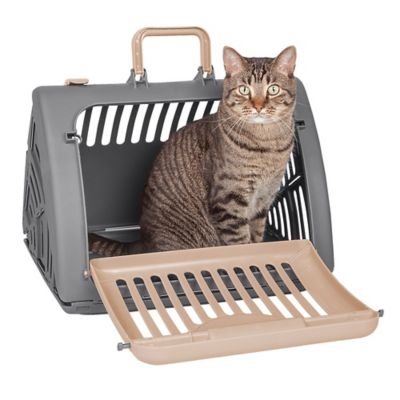
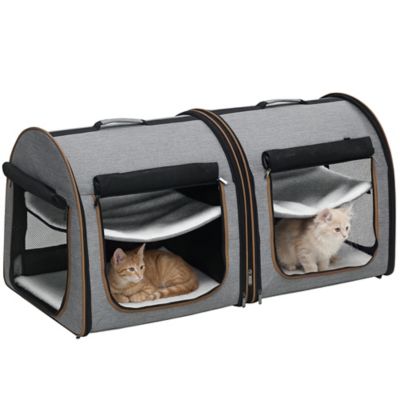
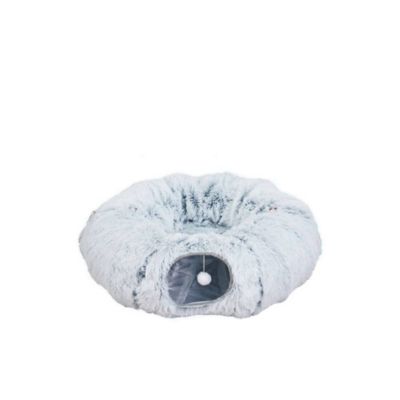
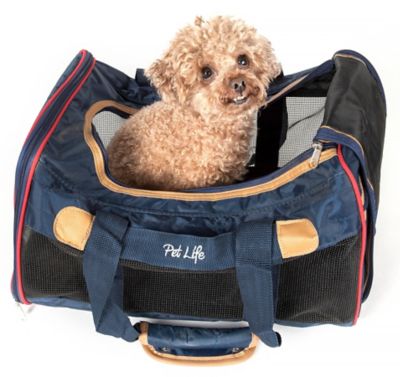
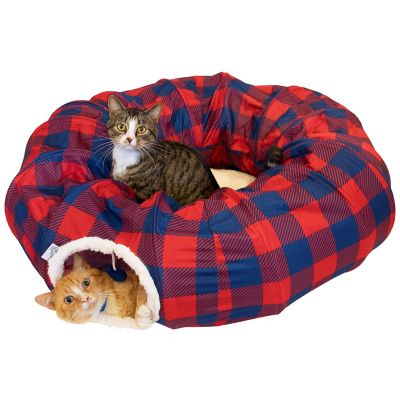
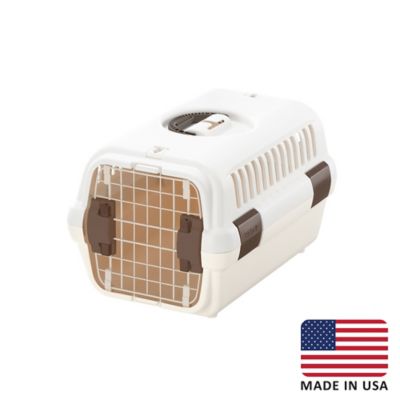
Cat travel accessories help keep a cat contained, comfortable and cared for away from home, whether the outing is a quick trip to the veterinarian, a move across the county or a longer drive to stay with family. The main categories include cat carriers, travel harnesses and leashes, portable food and water bowls, travel litter boxes and washable liners. A carrier is the starting point because it gives a cat an enclosed space and keeps paws away from pedals, door handles and open windows. Hard-sided carriers generally have a firm plastic shell that wipes clean, while soft-sided carriers often combine fabric panels, mesh ventilation and a removable floor insert. Top openings can make loading easier for a cat that plants its feet at a front door, and wide access helps when lifting out bedding or cleaning a spill. Carrier backpacks offer another carrying style, with fit, ventilation, a supportive base and secure closures all worth a close look. A cat needs enough room to stand, turn around and lie down naturally without being crowded against the sides. Weight limits matter, but body length and height matter, too, especially for a long-bodied cat or a kitten that still has growing to do. Handles, shoulder straps, door latches and zipper closures should suit both the cat’s weight and the person doing the carrying. A steady base is helpful when setting a carrier on a waiting-room floor or carrying it from the house to the pickup. Inside the vehicle, the carrier belongs in the passenger cabin, secured according to its instructions rather than loose on a seat or riding in an open truck bed. Air travel adds another consideration: airline requirements vary, so outside dimensions, construction and under-seat fit need to match the airline’s rules for the particular flight. A removable pad or familiar piece of bedding can give the space a softer feel, provided it does not crowd the cat or block ventilation.
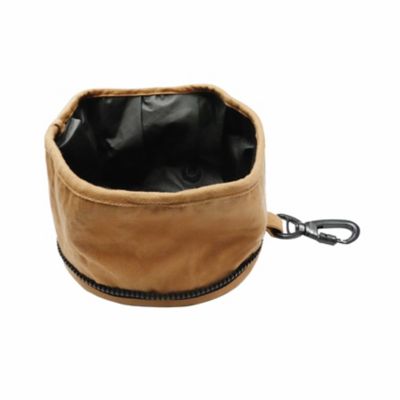
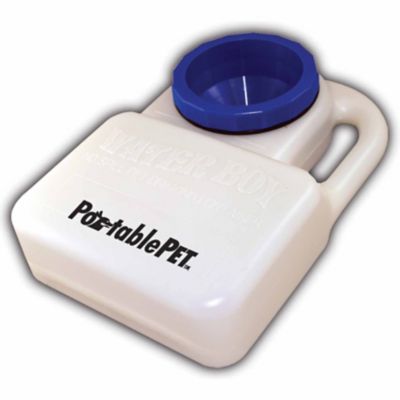
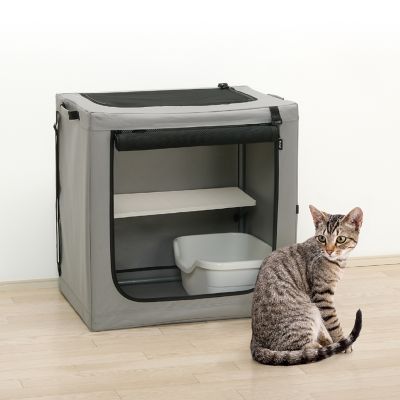
Feeding and bathroom supplies round out cat travel gear for longer outings and overnight stays. Collapsible bowls pack down for a travel bag, while rigid bowls with broad bases can be easier to keep upright at a stop. Silicone is flexible and packs flat, and stainless steel offers a smooth surface that is easy to wash. For either material, capacity and stability matter more than how little space the empty bowl takes up. A shallow opening may suit a cat that dislikes reaching into a deep dish, and a nonslip base helps on a smooth floor. Leak-resistant water containers and food containers with secure lids keep supplies together without loose kibble collecting at the bottom of the bag. Familiar food, measured portions and the cat’s regular feeding routine can make an unfamiliar place feel a little more settled. Meals and water breaks belong in a secure, stationary setting where the cat cannot slip through an open vehicle door. Portable litter boxes range from folding fabric designs with water-resistant interiors to compact trays with firm sides. The useful details are straightforward: enough floor space for the cat to turn around, sides that help contain litter, and an interior that can be thoroughly cleaned. Familiar litter can help preserve the bathroom routine at a relative’s house or during a hotel stay. Folding designs also need time to dry before being packed away. A scoop, waste bags, absorbent pads and a separate bag for soiled bedding make cleanup easier when the nearest laundry room is miles away. Washable seat covers and travel mats can help manage shed hair, tracked litter and small spills, though they do not replace a secured carrier. Care labels matter across these accessories, since some liners tolerate machine washing while other fabrics, coatings and inserts need gentler cleaning. Clean, fully dry gear is more pleasant to unpack for the next trip.
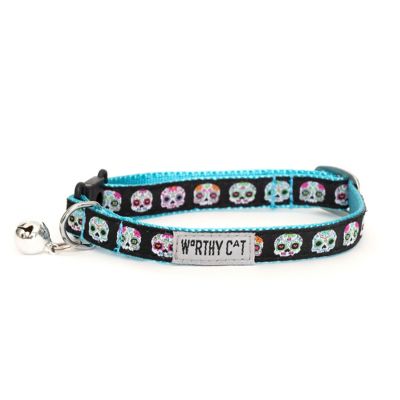
Cat harnesses and leashes provide another layer of control when moving between enclosed spaces or spending time outside with a cat that is comfortable wearing them. They are not a substitute for a carrier in a moving vehicle, and even a close-fitting harness should not be treated as escape-proof. Adjustable neck and chest sections help accommodate different body shapes, while soft edging and well-placed straps can reduce rubbing behind the front legs. The fit should follow the maker’s measurements and leave room for normal movement without loose gaps that let the cat back out. Lightweight leash hardware may suit a smaller cat better than a heavy clip, and a fixed-length leash can keep a cat close during a supervised stop. Stretch sections change how tension feels, but no leash makes an unfamiliar roadside or busy parking lot a suitable place for every cat. For nervous travelers, easy-access carrier openings, a familiar scent and a consistent setup may be more helpful than adding extra gear. Calming sprays and supplements have different directions and limitations; a veterinarian can help determine whether an option fits the cat’s health and travel needs. Identification also deserves a place in the travel setup. A properly fitted breakaway collar with an ID tag and current microchip contact information can help if a cat gets loose, though neither replaces secure handling. At home,
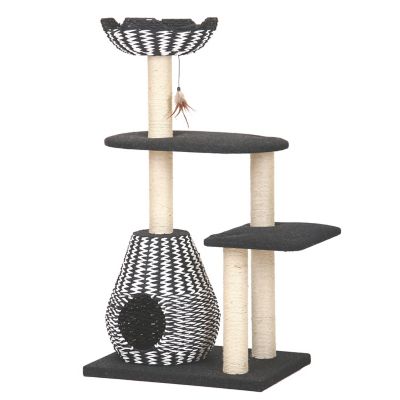
Cat Exercise Equipment can support a familiar play routine between outings, while travel accessories take care of containment, feeding and cleanup on the road. For a gift, washable travel bedding, a packable bowl or a supply organizer can be a practical choice when the recipient’s carrier size and harness measurements are not known. Accessories that are easy to carry, simple to clean and suited to the cat’s habits are more likely to earn a regular spot by the door. That fit matters whether the next destination is the vet down the road or a family home several hours away.