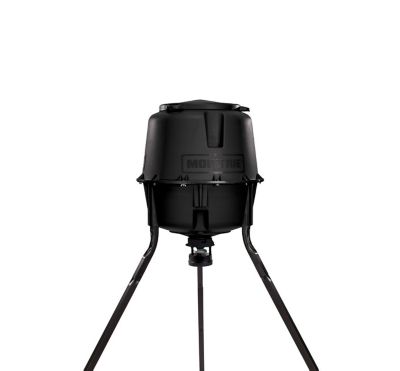
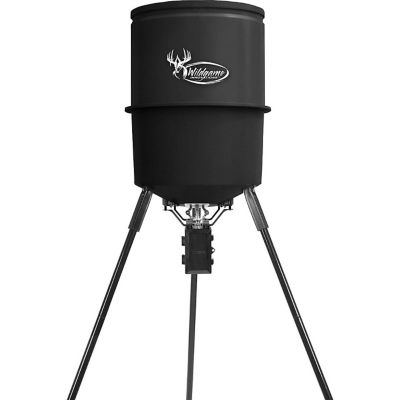
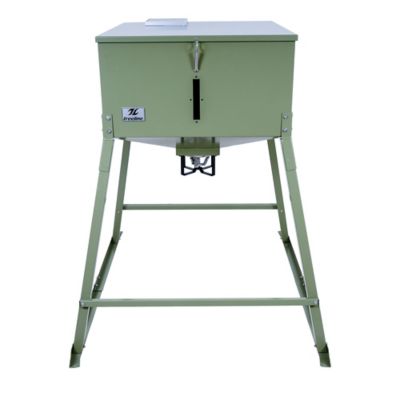
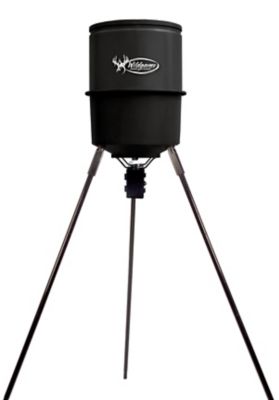
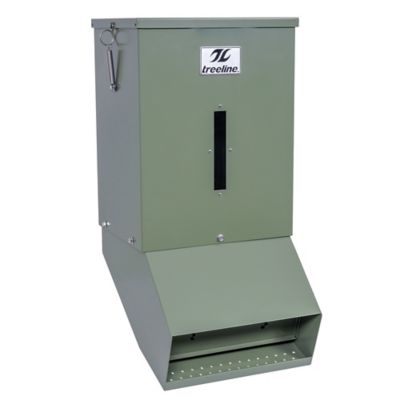
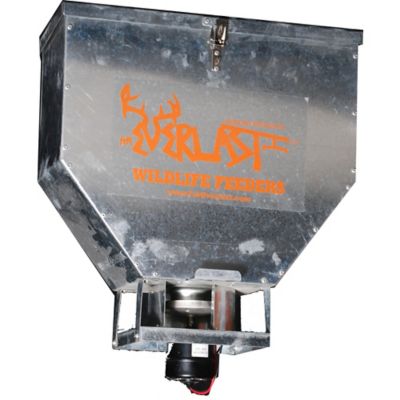
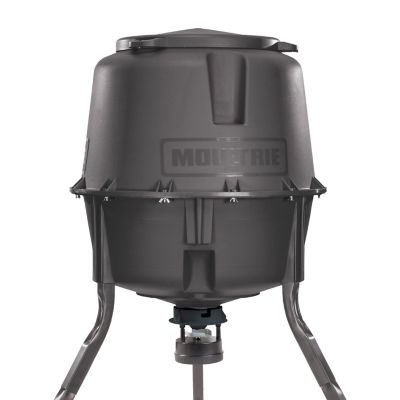
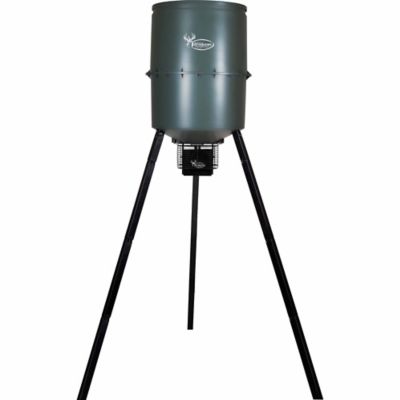
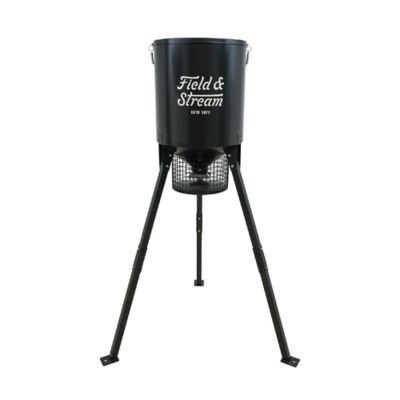
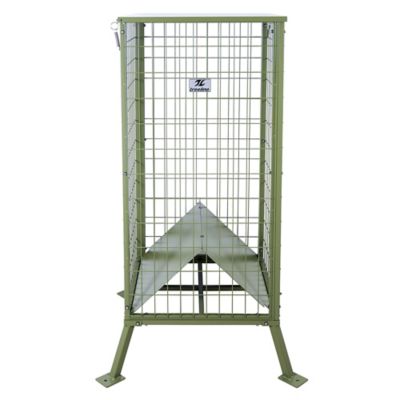
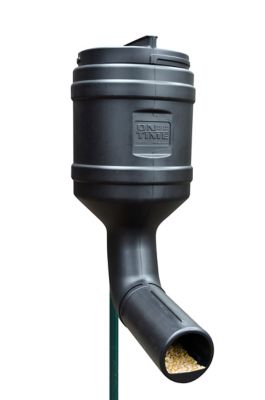
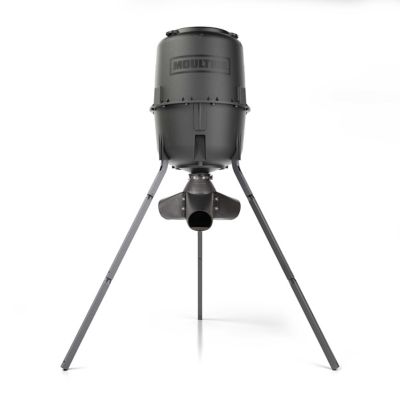
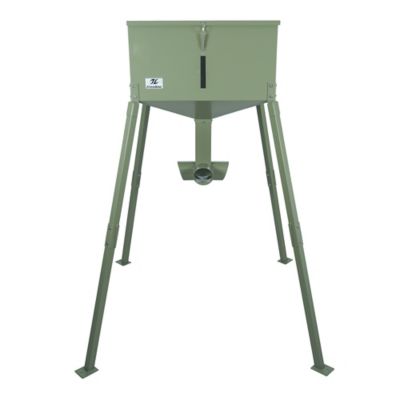
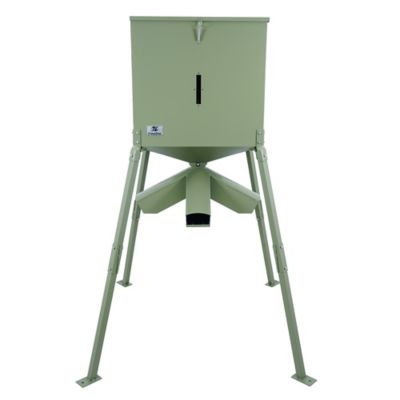
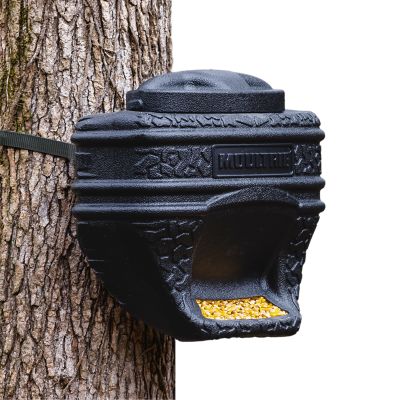
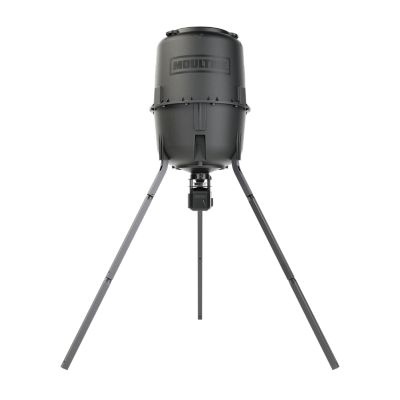
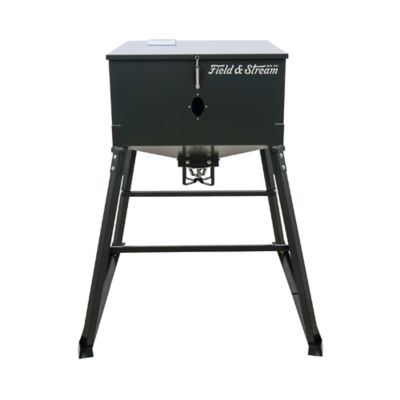
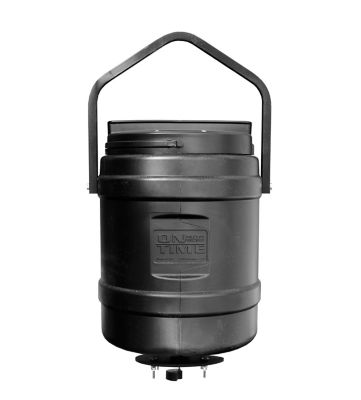
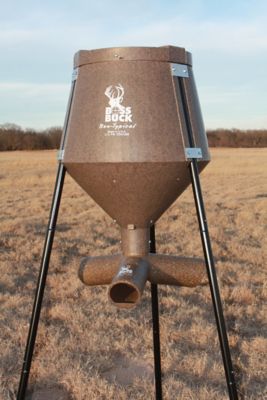
Deer feeders for outdoor hunting give hunters and landowners a way to manage feed distribution on a property where wildlife feeding is permitted. From a small wooded acreage to a back forty with established trails, the right setup depends on the ground, the distance from the loading area and the amount of attention the feeder will need. A hopper that holds more feed can reduce refill trips, but its full weight also affects transportation, mounting and access. Smaller feeders may be easier to handle along narrow paths or in places reached on foot, while larger designs can suit locations with room for a vehicle and a firm place to unload bags. Capacity is only part of the picture. The opening needs to be practical for pouring feed without spilling it around the base, and the lid should close securely to keep debris out. Smooth interior surfaces and a hopper shape that directs material toward the outlet help limit pockets where feed can collect. Feed compatibility matters, too: whole corn, pellets and other feed blends do not always flow through the same opening or dispensing mechanism in the same way. Manufacturer specifications can help match the feeder to the intended feed rather than leaving that fit to guesswork. A hopper designed for one feed size may struggle with another, especially when fine particles collect near the outlet. For hunters checking a property between other chores, accessible lids, visible feed levels and straightforward controls can make routine visits less of a production. Placement also shapes the experience. A feeder tucked near an accessible clearing presents different handling needs than one positioned beyond a creek crossing or along a rough lane. Deer movement still depends on habitat, nearby food sources, human activity and many other factors; a feeder does not promise regular visits or a successful hunt. Its value lies in having a manageable feeding setup that fits the property, follows local rules and stays practical to maintain.
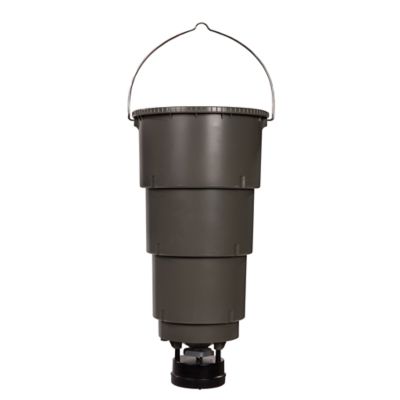
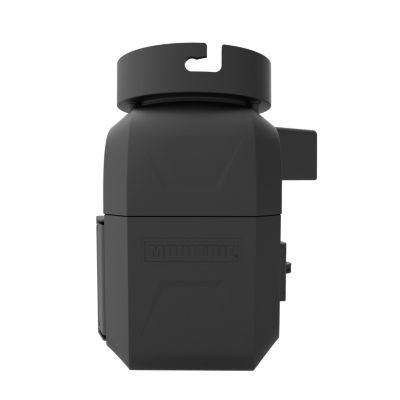
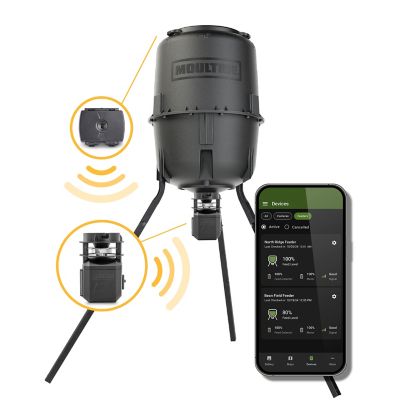
Feeder styles range from gravity-fed designs to powered systems that release feed on a schedule, with each approach bringing different demands for setup and upkeep. Gravity feeders let feed move through the hopper without a motor, which can appeal to landowners who prefer fewer electrical parts to look after. The outlet height, port shape and clearance around the feeding area affect how deer reach the feed and how easily the hopper can be checked. Timed feeders add control over when the mechanism runs and, depending on the design, how long it dispenses. That can help manage feed consumption, although the amount released also depends on the feed itself and the condition of the dispensing parts. Clear displays, accessible battery compartments and controls that are easy to operate matter when adjustments happen at the property rather than at a workbench. Power requirements deserve a close look, including the specified battery type and whether the system supports a compatible charging accessory. For a setup that keeps the hopper suspended,
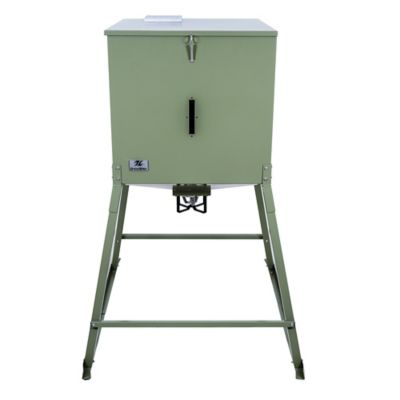
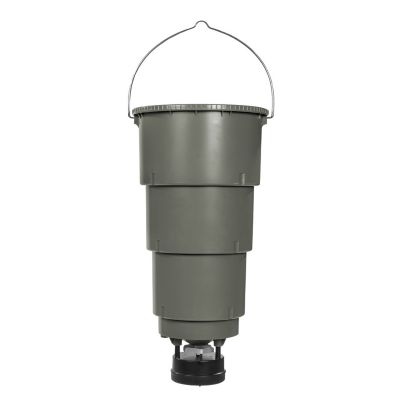
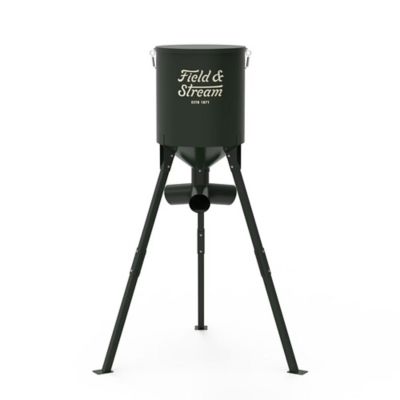
Hanging Deer Feeders offer another mounting approach, provided the support and hardware can carry the entire loaded weight. A convenient-looking branch or crosspiece is not enough by itself; the feeder’s mounting requirements and rated load still govern the setup. Tripod and other freestanding designs bring their own considerations, including footprint, leg spacing and anchoring provisions. Firm footing matters when a hopper sits above ground, and enough working room around the base makes filling and maintenance easier. Materials also affect handling and long-term strength. Metal components may provide rigidity at support points, while molded plastic hoppers can reduce empty weight and avoid rust on the hopper body. Wall thickness, seams, lid fit, fasteners and protective finishes deserve attention alongside the material name. Where nuisance animals are a concern, secure closures and purpose-built guards may help limit unwanted access. No single feature settles the whole choice; the best fit comes from matching the feeder’s structure, mechanism and mounting style to the location and the work involved.
Living with a deer feeder means more than filling the hopper and walking away. Feed needs a clean, dry storage space before loading, and the feeder needs regular attention to prevent residue, clumps or spoiled material from building up inside. Wide access openings and removable components can make cleaning less awkward, particularly when reaching the bottom of a deep hopper. Motors, outlets and moving parts need clearance, while wiring and battery connections benefit from protective housings that keep dirt and debris away. Service access matters as much as setup access: a feeder that is easy to assemble may still be inconvenient if a routine battery change requires reaching around a loaded hopper. Manufacturer care instructions should determine cleaning methods, maintenance intervals and compatible replacement components. For a property reached by a long drive, a clear maintenance schedule can help avoid arriving with feed but without the tools needed for a loose fastener or a blocked outlet. Wildlife feeding rules are another part of choosing a feeder, not an afterthought. Regulations may differ by state, county, public or private land, and the purpose of feeding, with separate restrictions on hunting near feed. Some areas prohibit feeding because of wildlife disease concerns, so local wildlife agency guidance matters even on privately owned ground. Feeders can bring animals together at one spot and do not replace sound habitat management or naturally occurring forage. Locations also need to account for nearby roads, property boundaries, livestock areas and access routes so the setup does not create conflicts around a working farm or rural home. As a gift for a hunter or landowner, a feeder makes the most sense when the recipient’s property, preferred feed, mounting options and upkeep routine are already understood. The thoughtful match is not necessarily the biggest hopper or the most complicated controller. It is a feeder the recipient can transport, fill, inspect and maintain without turning every visit into a major chore. Well-matched capacity, accessible parts and a suitable mounting design help keep the setup practical for the person tending it.