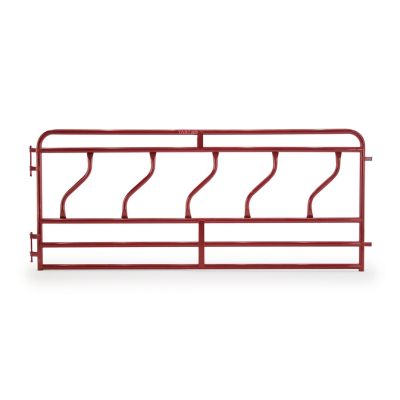
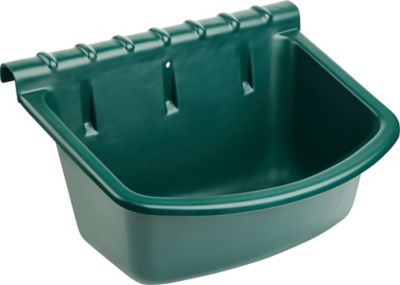
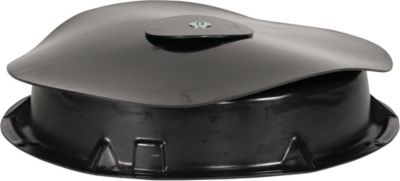
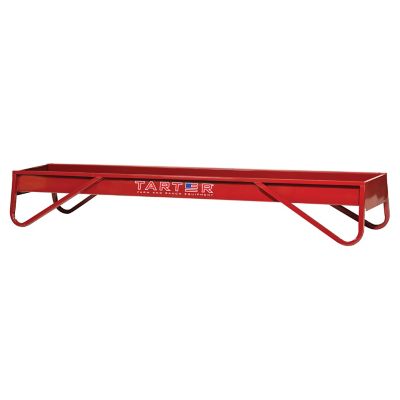
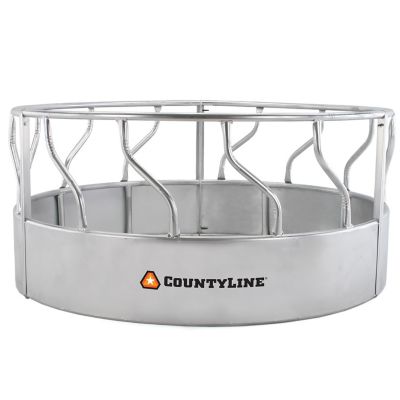
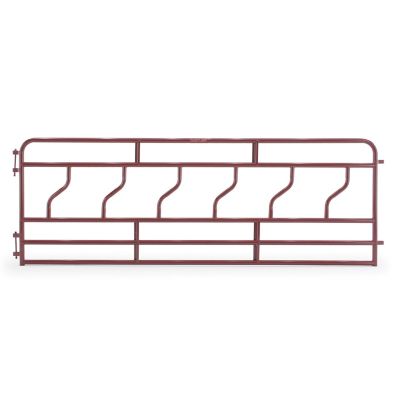
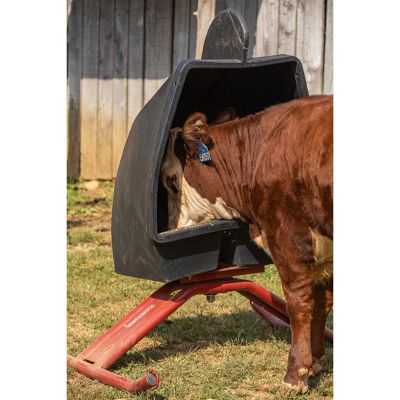
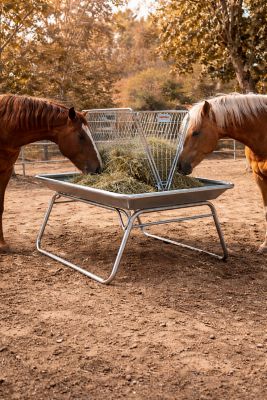
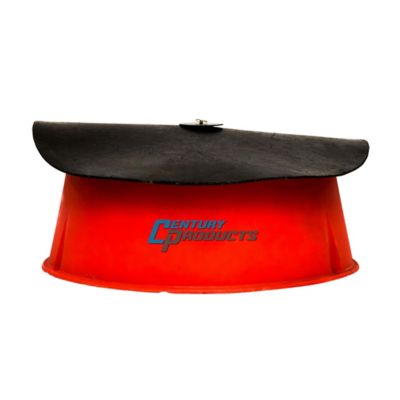
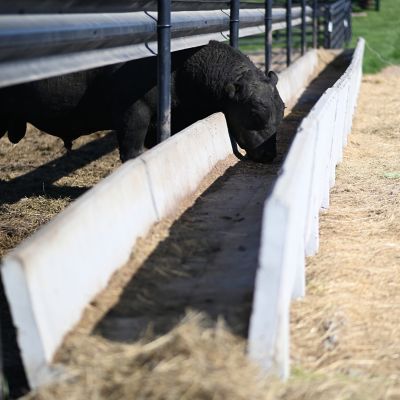
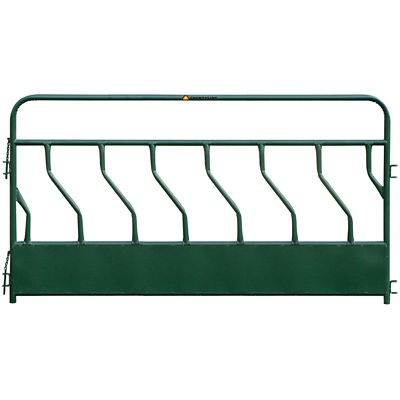
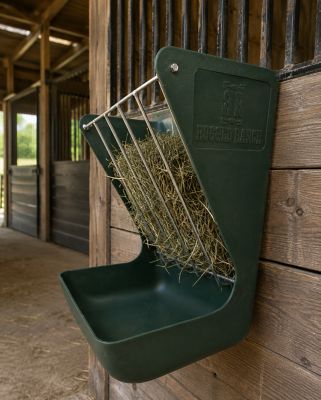
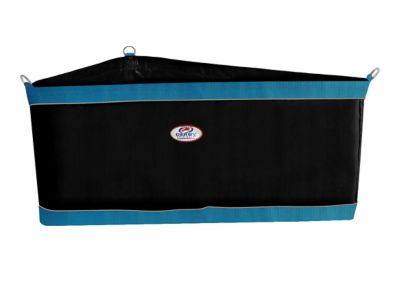
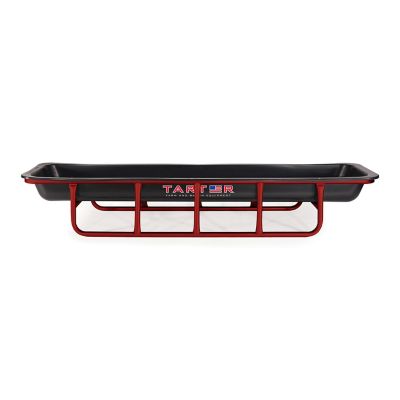
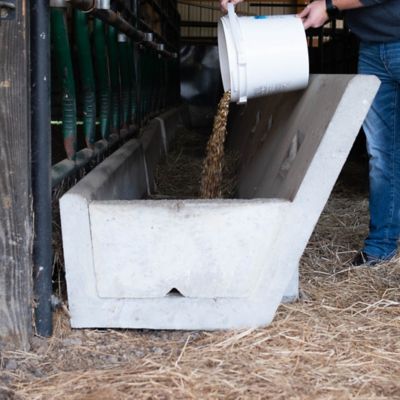
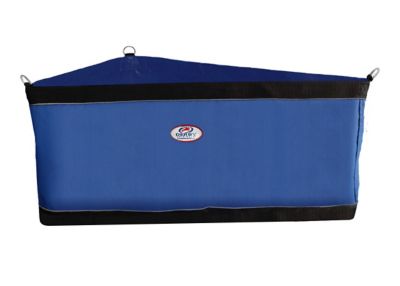
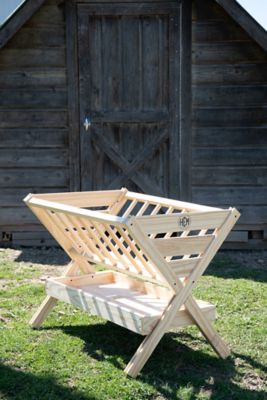
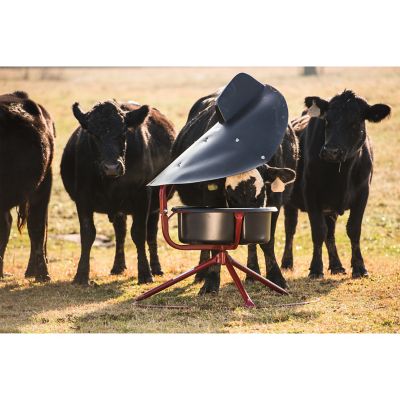
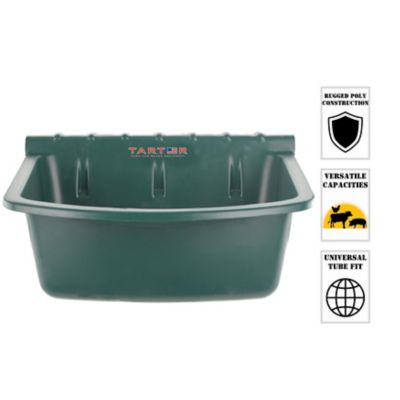
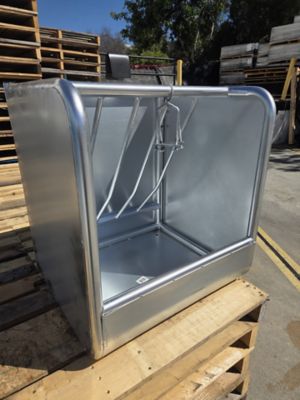
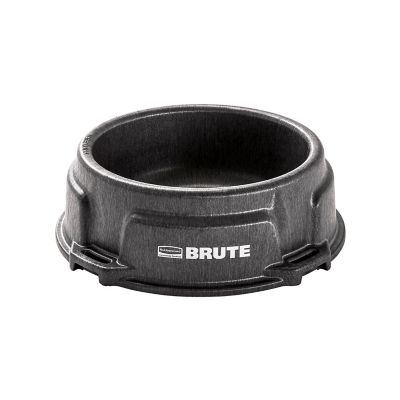
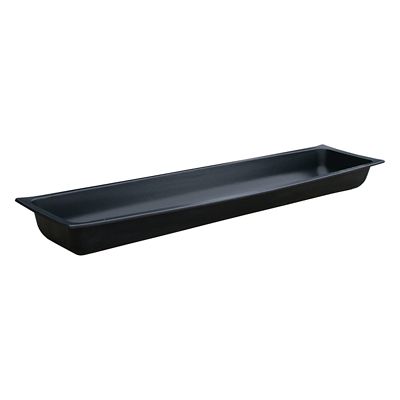
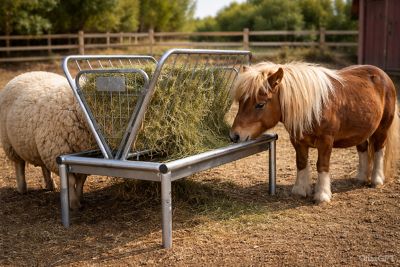
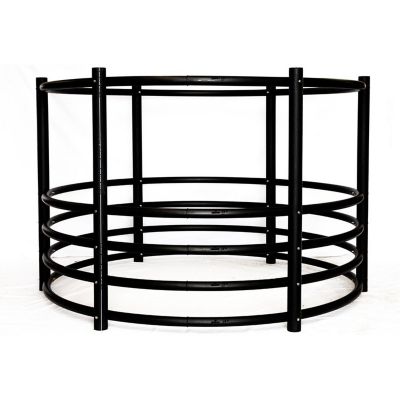
Cow feeders are livestock feeding equipment that hold hay, grain, or other cattle rations in a designated feeding area. The main types include hay ring feeders, feed bunks, grain troughs, and creep feeders, with each style serving a different part of the feeding routine. For a beef herd eating round bales, a hay ring creates a feeding boundary around the bale and can help limit hay being pulled out and trampled underfoot. Feeders intended for square bales or loose hay provide a different arrangement, so the forage format matters just as much as the number of animals. Feed bunks and troughs provide room for measured rations, supplements, or mixed feed, depending on their design and the feeding program. Creep feeders give calves access to supplemental feed through openings that restrict access by larger cattle. That makes calf size, gate adjustment, and the ration itself important parts of the setup. A small acreage with a few cows may call for equipment that is easy to reach and move, while a larger cattle operation may need several feeding points spread through a pen or feeding area. Feeder capacity alone does not tell the whole story: cattle also need enough accessible feeding space to keep more assertive animals from crowding others away. A large container with limited access can still become a bottleneck when the herd comes up to eat. Opening size, feeding height, and the shape of the feeder should suit the animals standing at it, whether that means mature cows, growing calves, or a group of different sizes. Horned cattle need equipment intended to accommodate their horns, with attention to entry openings and room to withdraw their heads. For farms raising both cattle and other livestock, equipment suitability should be checked for each species rather than assumed. These details help match cow feeders to the herd’s everyday habits instead of choosing by appearance or capacity alone.
Materials and construction make a difference when cattle lean, push, and gather around feed. Steel cattle feeders bring weight and rigidity, while galvanized finishes help protect exposed metal against corrosion. Painted or coated steel benefits from regular checks where rubbing and contact expose the metal underneath. Molded plastic and polyethylene feeding equipment can offer lower weight and smooth surfaces, although wall thickness, support, and the manufacturer’s intended application still matter. No material makes every feeder right for every herd. The frame, joints, legs, and feeding edges all contribute to how the equipment handles daily contact with livestock. Rounded edges and smooth feeding surfaces deserve attention, along with hardware that stays clear of the animals’ heads and necks. On hay feeders, the lower section helps determine how loose forage collects around the base; a skirted design may help contain hay that otherwise drops outside the feeding area. On troughs and feed bunks, depth and side height affect how easily cattle reach the ration and how much feed they can toss over the edge. A feeding surface that is easy to inspect and clean also makes it simpler to spot leftover feed before another ration goes in. Equipment dimensions need to work beyond the feeding spot, too. A feeder that fits the herd but will not pass through the pasture gate creates extra handling work. Overall width, empty weight, assembly requirements, and the path between feeding locations are worth considering alongside capacity. Equipment moved with a tractor or loader needs designated lifting or handling points and machinery suited to the load. A feeder that stays in one place calls for a firm, level site where it sits steadily without rocking. Around gates, fence corners, and narrow lanes, enough open space for cattle to approach and step away helps keep the feeding area from turning into a tight pocket. The best fit is equipment that works with the farm’s layout, not something that makes every feeding a wrestling match.
Day-to-day care is part of keeping cattle feeders ready for the next round of chores. Feed residue can collect in corners, beneath seams, and around lower edges, so access for brushing, scraping, and washing matters. Removable components or open layouts can make those jobs easier when the design allows them. Cleaning methods should match the feeder material and the manufacturer’s directions, with feed-contact surfaces rinsed and allowed to drain as directed. Routine checks also help catch loose fasteners, bent rails, cracked sections, and sharp spots before cattle crowd around them. Repairs need to preserve the feeder’s intended openings and structure rather than leave a projecting edge or a gap where an animal could become caught. For a herd that gets hay in one area and a measured ration in another, separate feeding stations can make the routine easier to manage. Enough clearance for a wheelbarrow, feed cart, or tractor keeps refilling practical, while a clear view of the feeding area helps the person doing chores notice animals hanging back. A calf lingering at the edge or a cow repeatedly pushed away may signal that access needs another look, even when feed remains in the feeder. Feeder design supports a feeding program, but it does not replace a ration suited to the cattle’s age, body condition, and stage of production. A veterinarian or livestock nutrition professional can help with those needs, especially when feed types or animal groups change. Landowners managing wildlife habitat can also explore
Deer Feeders for a separate wildlife setup, keeping wildlife feeding away from cattle feeding areas and following local rules. Whether the daily job is setting out forage for a few cows or delivering rations to several groups, cow feeders should make feed accessible, fit the animals safely, and leave room for straightforward chores. Well-matched equipment puts those practical details together without adding unnecessary complications to the day.