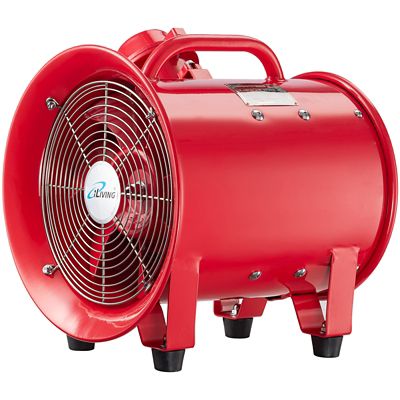
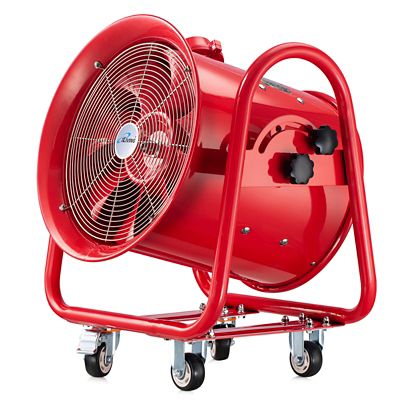
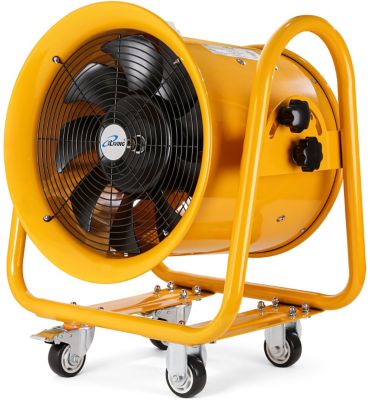
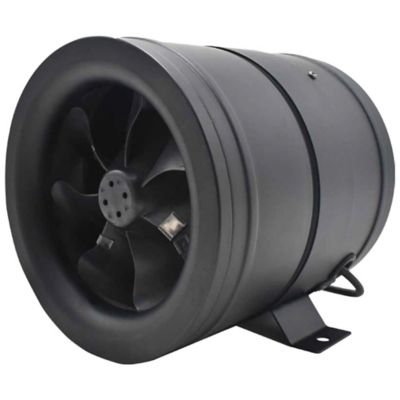
When it comes to keeping your crawl space in good shape, a little attention goes a long way—especially as the weather warms up and humidity starts creeping in. Folks with homes built on crawl spaces know just how important it is to keep that area dry and well-ventilated. Too much moisture under your house can lead to all sorts of headaches, from wood rot and warped floorboards to musty smells and even unwelcome critters making themselves at home. That’s why crawl space ventilation is such a big deal for anyone living in the country or on a working farm, where older homes and outbuildings are common. Whether you’re a new homeowner learning the ropes or you’ve been maintaining your place for years, it’s worth looking at the different options for crawl space ventilation—especially if you’re noticing dampness or stubborn odors. Even if you’re shopping for a practical gift for someone handy (think Father’s Day or a housewarming for that young couple fixing up their first farmhouse), crawl space ventilation products are a thoughtful pick that shows you care about the bones of their home.
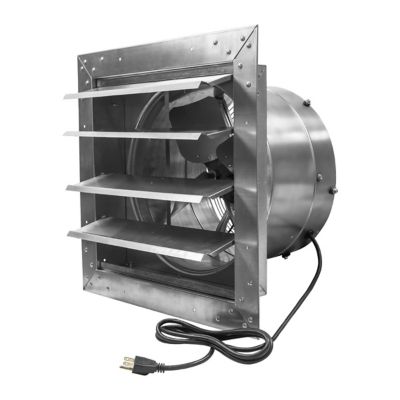
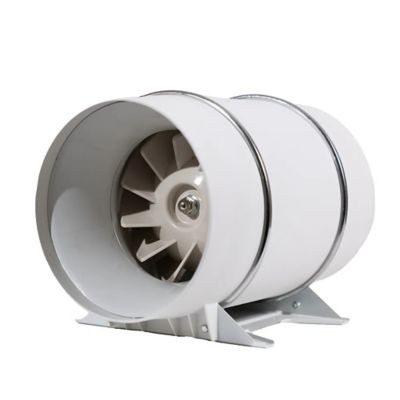
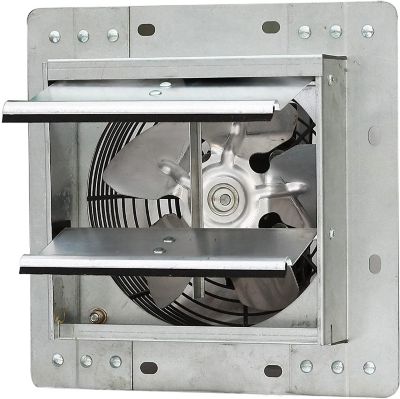
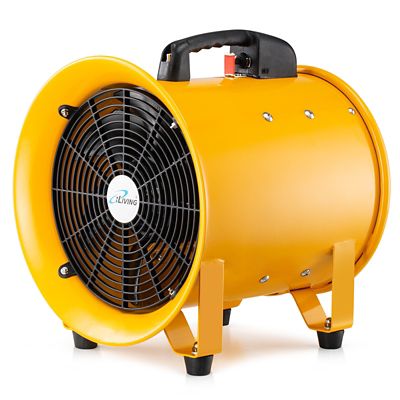
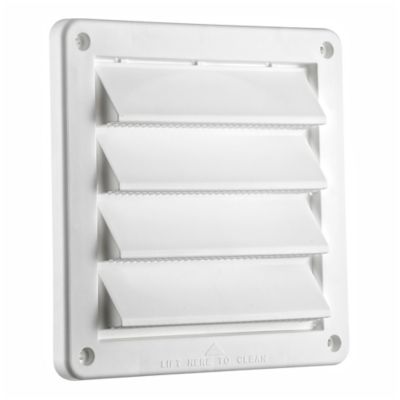
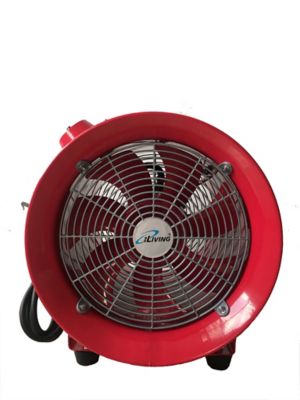
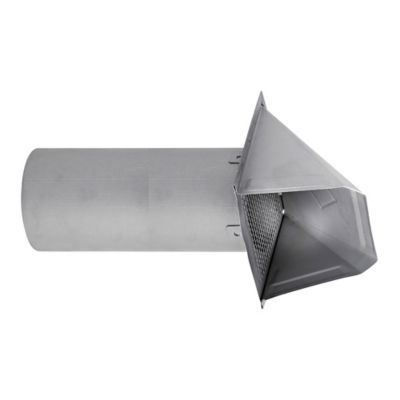
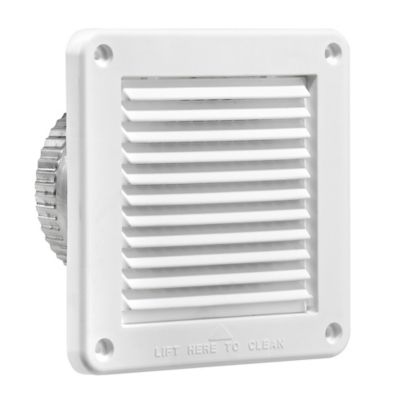
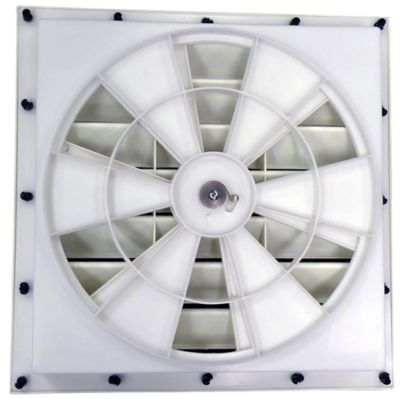
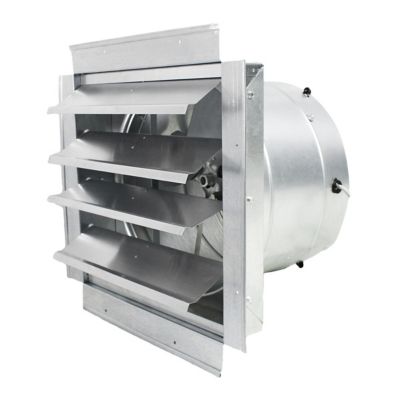
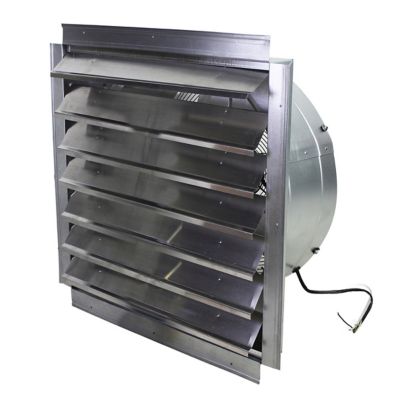
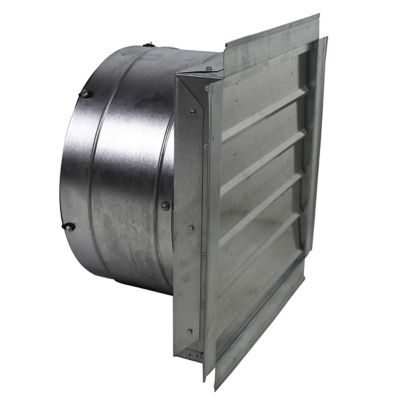
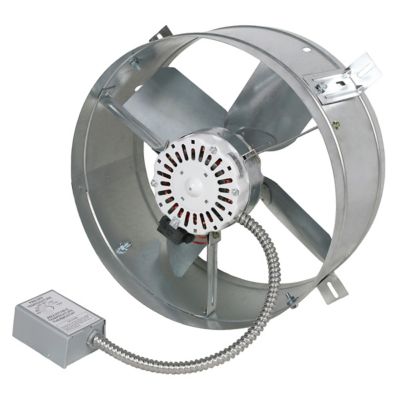
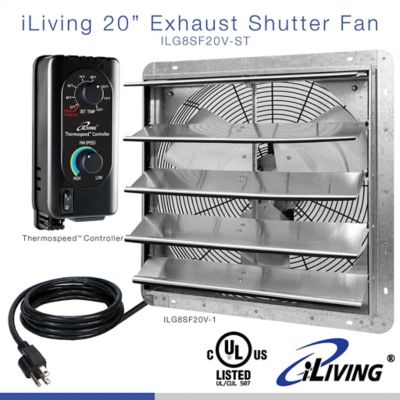
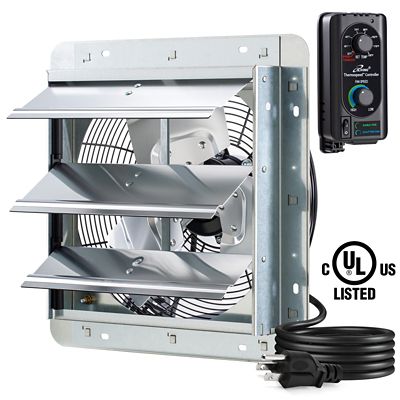
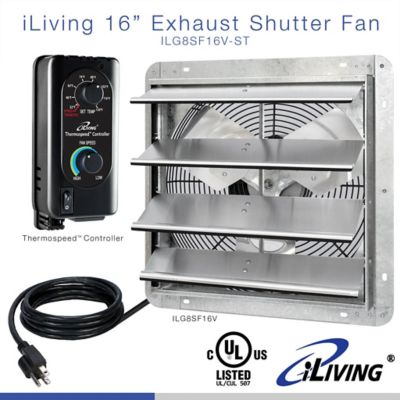
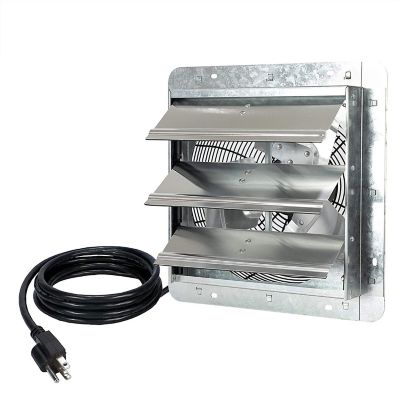
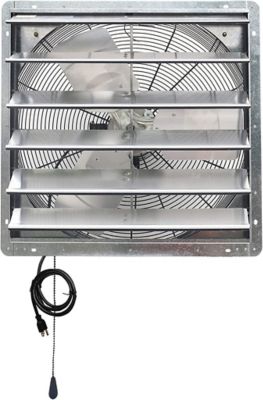
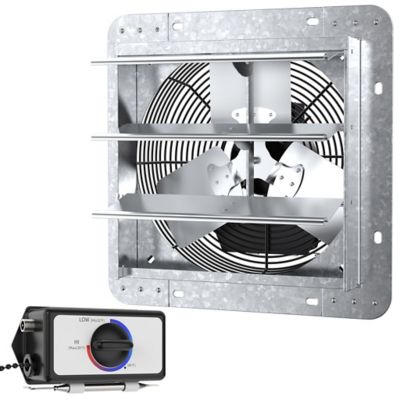
There are a couple of main approaches folks take to crawl space ventilation, and the right choice depends a lot on your local climate and how your home is built. Traditional passive vents, which are often required by building codes, let outside air flow through foundation walls. These work best in areas where the air isn’t too humid, helping to sweep away moisture before it settles in. For these setups, it’s important to have vents on all sides of the house—ideally within a few feet of each corner—to promote good cross-ventilation. Don’t forget to cover those vents with sturdy mesh or hardware cloth to keep out mice, snakes, and other pests that like to sneak in when you’re not looking. In places where the summers get muggy, though, bringing in warm, damp air can actually make things worse under your house. That’s when folks turn to encapsulation: sealing off the crawl space with heavy-duty plastic sheeting and using a building ventilation fan or mechanical exhaust fan to control humidity. These powered fans are especially handy if you’ve already invested in encapsulation or a dehumidifier, since they can be set up to run only when the conditions are right—some even have smart controllers that monitor temperature and moisture levels for you. Just be sure to place exhaust fans as far away from your dehumidifier as possible, so you’re not blowing out the dry air you worked so hard to create. For those dealing with radon or other soil gases, a powered exhaust system can help pull those out too, making your home safer and healthier for everyone inside.
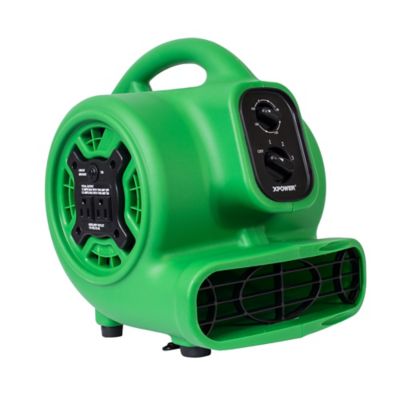
No matter which route you take, choosing the right crawl space ventilation products is all about matching your setup to the unique challenges of your property. If you’re in a spot where winters get cold, automatic foundation vents that close up when the temperature drops can help keep pipes from freezing. If you’re battling persistent moisture, a mechanical exhaust fan or a dedicated building ventilation fan might be the ticket for you. And for folks who want to make sure their entire basement and crawl space system is working together, there are plenty of options that tie into your home’s existing HVAC or can be paired with a dehumidifier. If you’re looking to expand your ventilation solutions beyond just the crawl space, you might want to check out our selection of
Fans for Basement Ventilation for even more ways to keep your home dry and comfortable. At the end of the day, a well-ventilated crawl space means peace of mind—no more worrying about mold, warped floors, or musty smells drifting up into your living room. Whether you’re fixing up an old place or just keeping your family’s homestead in tip-top shape, these products are a smart investment that’ll pay off for years to come.