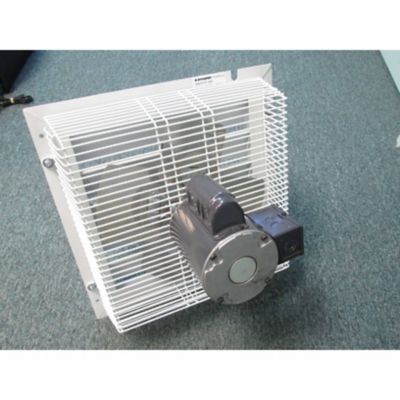
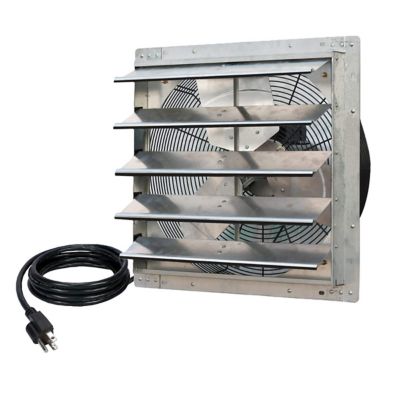
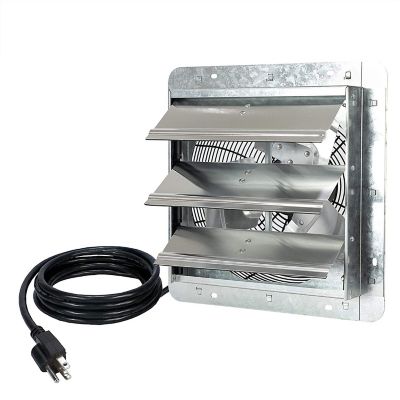
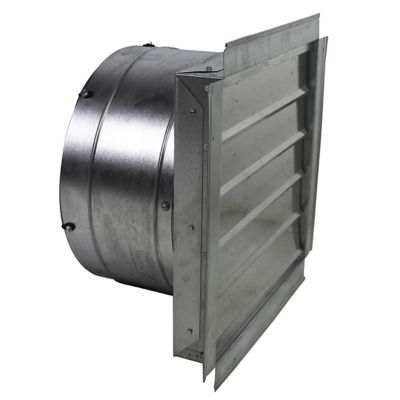
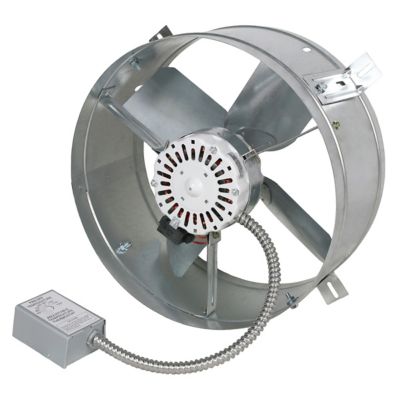
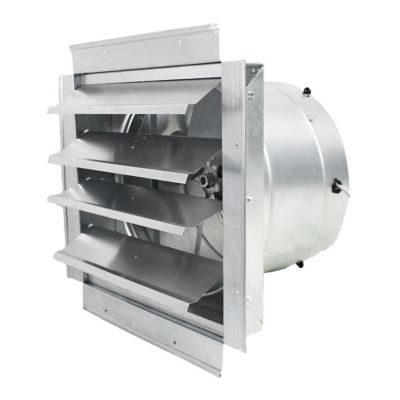
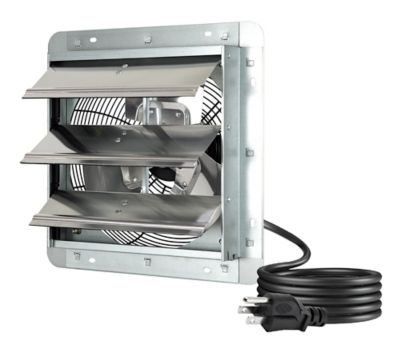
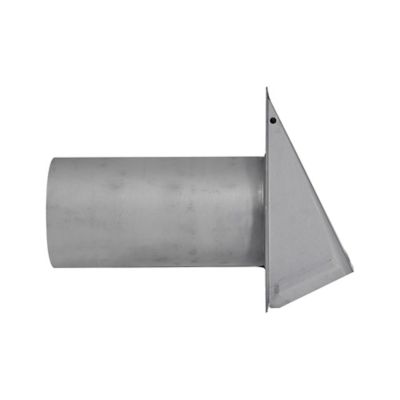
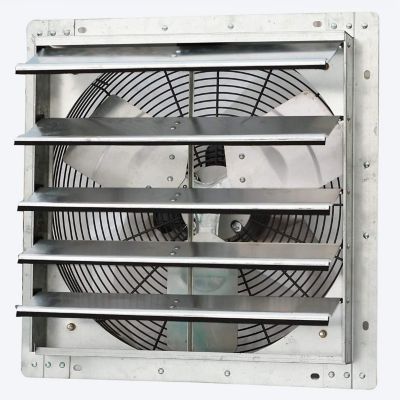
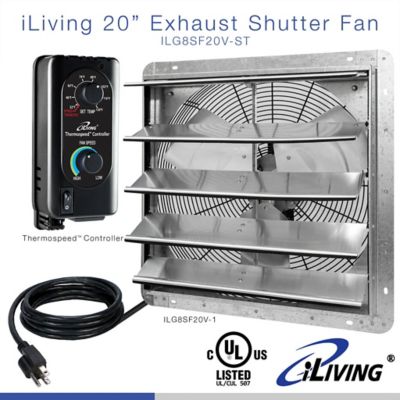
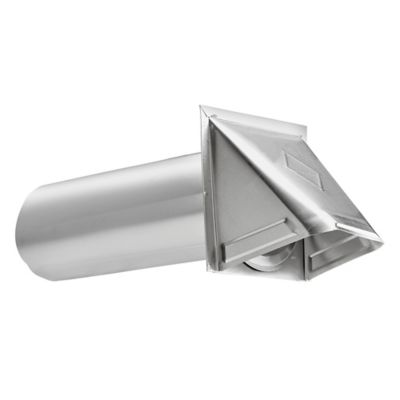
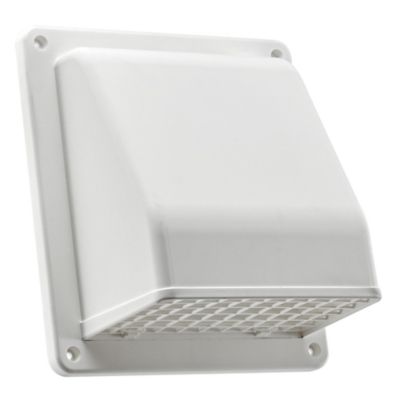
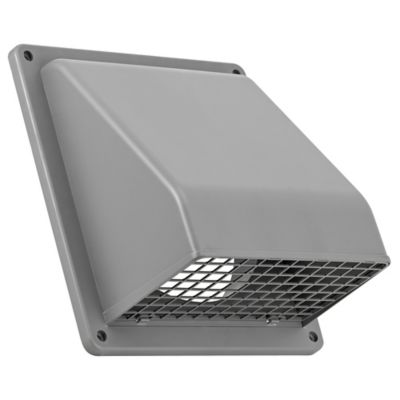
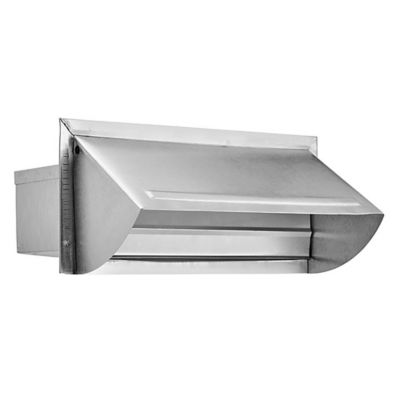
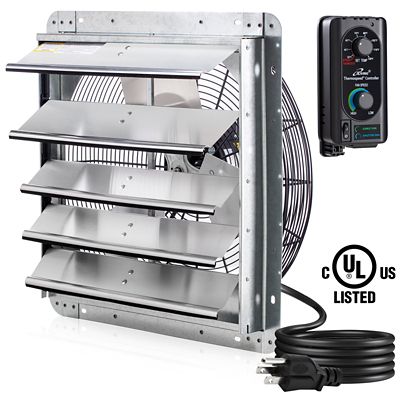
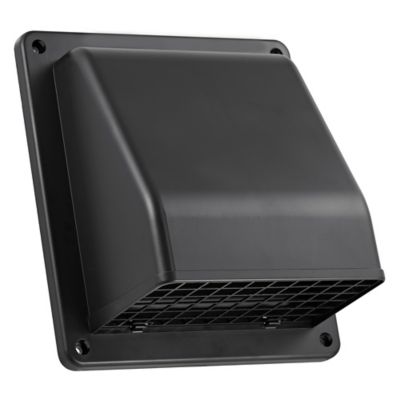
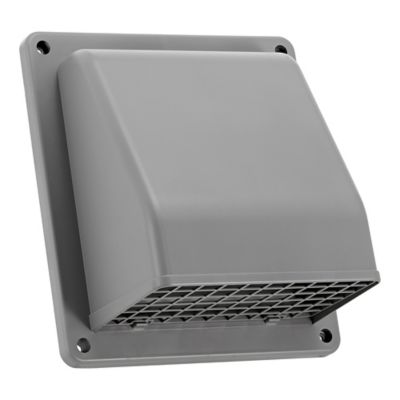
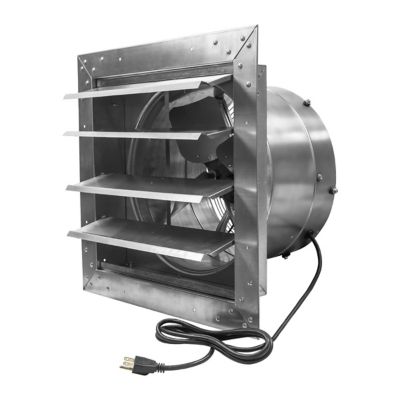
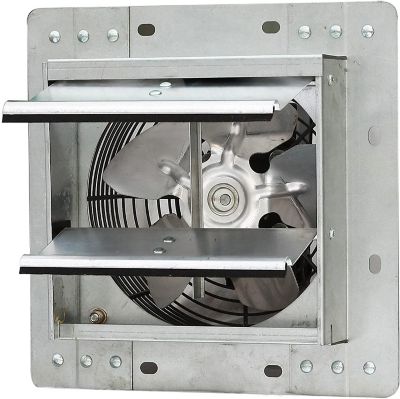
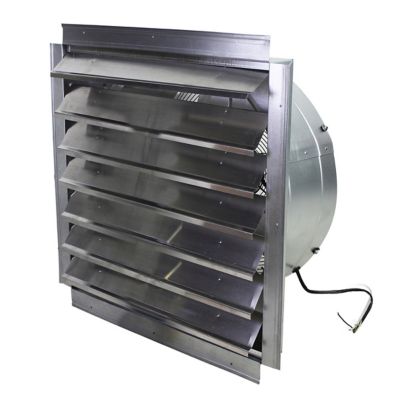
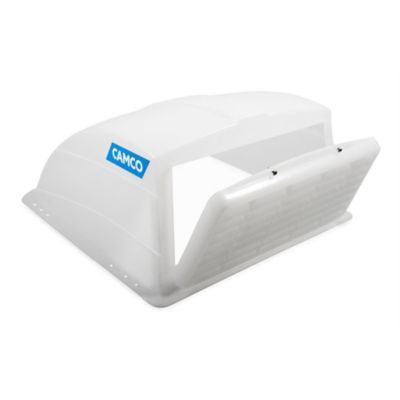
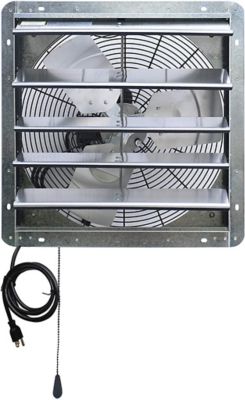
Exhaust ventilation systems help move stale air, moisture and everyday odors out of enclosed spaces, giving that air a path outdoors instead of letting it linger. Around a home, farm office or workshop, the right setup supports the way a space actually works, whether that means clearing moisture from a washroom or helping manage odors in a utility area. These systems can include fans, housings, duct connections, controls and exterior outlets, with configurations that fit different layouts and building requirements. Wall-mounted arrangements may suit spaces with a short route outside, while ceiling-mounted and inline arrangements can work with other room layouts and duct paths. The best fit depends on more than the size of the opening. Room dimensions, ceiling height, the source of moisture or odors and the amount of replacement air all affect ventilation needs. Airflow ratings, commonly shown in cubic feet per minute, offer a starting point for comparing capacity, but the installed result also depends on duct length, bends, outlet restrictions and resistance along the air path. A fan serving a small washroom has a different job from equipment serving a larger work area, so matching the system to its intended setting matters more than simply picking the highest airflow number. Sound deserves a place in that decision, too. Equipment near a bedroom, office or gathering space may call for quieter operation, while a separate shop may put more emphasis on airflow and convenient access. Where published sound ratings are provided, those figures can help put operating noise into perspective. For homeowners, property caretakers and folks running small businesses, exhaust ventilation is part of making a building work better day after day. It is most effective when the equipment suits the room, the air has a clear route outdoors and fresh replacement air can enter through an appropriate path. It is not a substitute for fixing leaks, cleaning up spills or addressing the source of persistent odors.
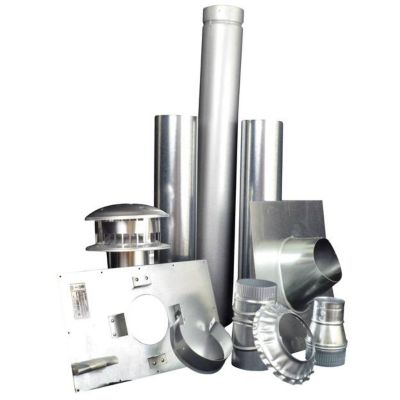
Materials and construction make a difference wherever ventilation equipment meets moisture, dust or regular cleaning. Metal housings, protective finishes and corrosion-resistant components each have a role, but the right combination depends on the conditions listed for the equipment. Galvanized steel and aluminum are common options for housings and duct components, while some settings call for other materials or additional protection. No single material fits every location, especially where damp air or airborne residue can affect surfaces over time. Smooth, properly sized ductwork can help limit airflow resistance, and well-supported connections help keep the system steady in operation. Fit also reaches beyond the visible grille or fan opening. Housing depth, framing clearance, duct diameter, mounting orientation and the space needed for service all deserve attention before installation. An assembly that fits between framing members still needs room for its connections and any required clearances. Exterior outlets and backdraft dampers should match the application without placing unnecessary restrictions on airflow. Electrical requirements matter just as much: voltage, wiring method, control compatibility and any required protection need to line up with both the equipment instructions and local codes. Timers, wall switches and moisture-responsive controls offer different ways to manage operation, depending on the room and the system’s capabilities. Some spaces need ventilation for a set period after a task, while others need a different operating schedule established for that application. Livestock areas, dusty workspaces and locations with corrosive air require closer attention to equipment ratings and installation requirements. Ordinary room exhaust equipment is not a stand-in for a dust-collection system, a hazardous-vapor system or equipment designed to capture engine exhaust. Welding fumes, combustible dust and flammable vapors call for ventilation designed for those hazards. In buildings with fuel-burning appliances, exhaust airflow also needs careful planning so that negative pressure does not interfere with proper venting. A qualified installer can help sort out those building-specific details, including replacement-air needs, before the system becomes part of the daily routine.
Long service life starts with equipment that fits the job and stays accessible after installation. A fan tucked above a finished ceiling or behind shelving still needs a practical way to reach its service points. Removable grilles, accessible housings and clearly documented maintenance requirements can make routine care less of a chore. Dust and lint can collect on blades, guards and openings, while deposits inside a duct or outlet can reduce airflow. Cleaning methods should follow the manufacturer’s directions, with electrical power disconnected before maintenance and water kept away from components that are not rated for washing. Some motors have specific lubrication requirements, while others do not call for added lubrication at all. Following those details helps avoid unnecessary wear. Loose mounting hardware, a new rattle or a damper that no longer moves freely can point to a need for inspection rather than simply a louder fan. Access at the outdoor termination matters, too, since a blocked outlet can keep an otherwise working system from moving air as intended. In everyday settings, thoughtful placement makes the system easier to live with. A washroom exhaust connection should discharge outdoors rather than into an attic or another enclosed space, and a workshop arrangement should account for where replacement air enters as well as where exhaust air leaves. Discharge locations also need appropriate separation from building openings and air intakes, according to applicable requirements. For projects involving airflow across several rooms,
Home Ventilation Systems can provide a broader starting point for considering how the building’s ventilation works together. Exhaust equipment is one part of that larger picture, alongside source control, suitable air intake paths and any other required ventilation. Whether the setting is a farmhouse utility room, a detached work building or a small business restroom, the goal is straightforward: equipment matched to the space, a clear path for outgoing air and upkeep that fits the way the property runs. Those practical details help keep ventilation from becoming another nagging job on the chore list.