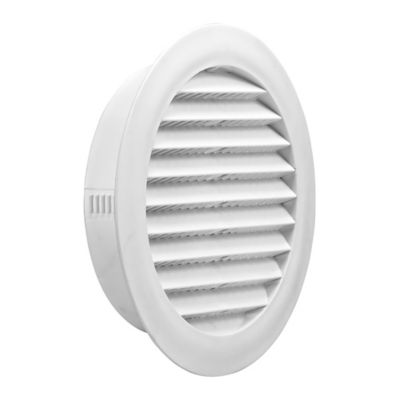
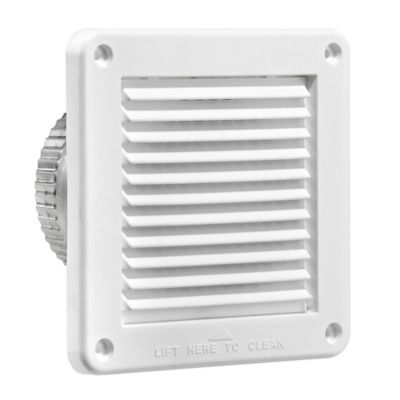
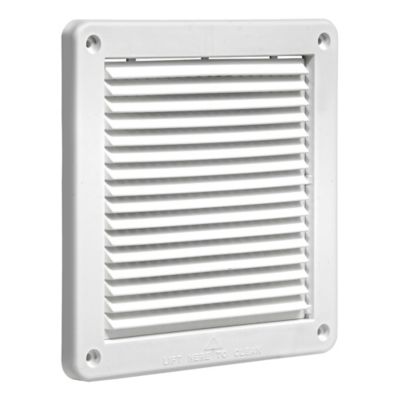
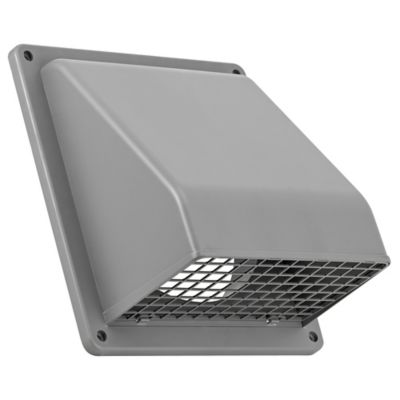
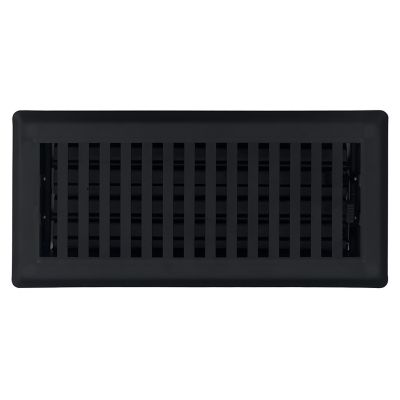
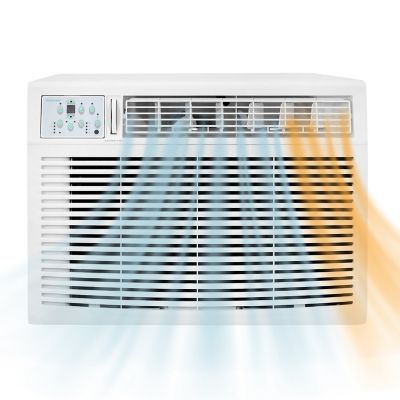
An HVAC vent is an opening, usually covered by a register, grille or diffuser, that delivers conditioned air to a room or draws air back into a heating and cooling system. Supply vents send air from the ductwork into living or working spaces, while return vents pull room air back toward the system for circulation. Those two jobs matter when choosing a replacement, because a supply register and a return grille are not always interchangeable. A register typically includes a damper that adjusts airflow, while a grille generally covers an opening without that control. A diffuser spreads supply air in a particular pattern, often from a ceiling location. Around a farmhouse, home office or enclosed workshop with ducted heating and cooling, the right vent helps air reach the space without leaving an open duct exposed. Floor, wall and ceiling installations each call for a design suited to that location. A floor register sits where boots, chair legs and everyday traffic may come close, while a ceiling vent needs secure mounting overhead. Wall vents must work around furniture, door swings and the way the room gets arranged. Airflow direction also makes a difference: fixed louvers send air along a set path, while adjustable louvers allow some control over where the supply air goes. That can matter beside a desk, near a favorite chair or along a hallway connecting several rooms. Return grilles need an open path for air to reach them, rather than being tucked behind a couch or covered by a cabinet. HVAC vents handle air distribution; they do not create heat on their own. Equipment such as
HVAC heaters serves a separate role, and the vent arrangement needs to match the kind of system serving the space. Understanding those basic differences makes it easier to compare vent styles by their purpose instead of choosing by appearance alone.
Fit starts with the duct opening, not just the outside edges of the old cover. Vent sizing commonly refers to the opening the register or grille fits, while the visible face extends beyond it. Two covers with similar outside dimensions can have different neck sizes, mounting arrangements or airflow areas. For a replacement in an older house, a slightly crooked opening, thick flooring or an uneven wall can make those details especially important. The depth of a register’s damper assembly also needs enough room inside the duct boot, particularly where the duct turns close to the opening. Screw-hole spacing, flange width and the way a cover sits against the surface all affect the finished fit. A drop-in floor register, a screw-mounted wall grille and a ceiling diffuser have different installation needs, even when their listed dimensions look alike. Material choice is another practical consideration. Steel provides a firm, substantial cover, with painted or coated finishes helping protect the surface from corrosion. Aluminum weighs less and resists rust, though its finish and construction still matter in damp or demanding spaces. Plastic designs avoid metal rust, but their suitability depends on the installation location, exposure and manufacturer’s ratings. For a mudroom where grit gets tracked across the floor, a cover with a smooth, easy-to-wipe face can simplify cleanup. In a laundry area, moisture exposure deserves attention; in a workroom, airborne dust may collect along narrow louvers. Floor-mounted designs need construction intended for that position, but a register is not a step or a support for a cabinet leg. Color and face pattern can help a vent blend into painted trim, flooring or a ceiling, yet airflow and fit remain the main concerns. Closely spaced openings, mesh and added filtering material can affect resistance, so appearance alone does not tell the whole story.
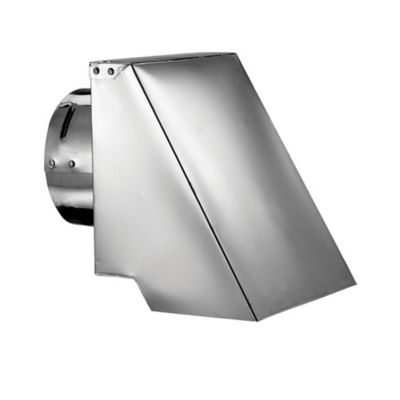
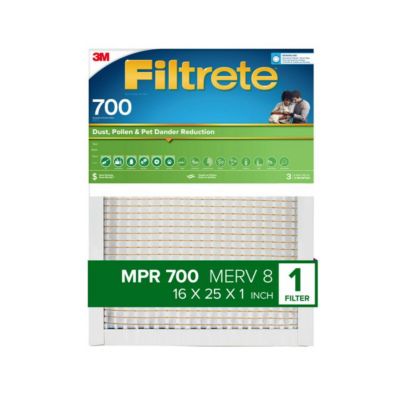
Everyday care is mostly about keeping the vent face clear and preserving the airflow path the system needs. Dust, pet hair and bits of tracked-in dirt can settle between louvers, especially near the floor. A face that can be reached easily for vacuuming or wiping is a practical choice for a busy household, and a removable cover can make the area just inside the opening easier to inspect. Cleaning methods should suit the material and finish; harsh cleaners and abrasive pads can damage a coating or leave scratches that catch more grime. Damp wiping may be suitable for some covers, while others call for a different approach under the manufacturer’s care directions. Filter grilles deserve a closer look because some provide access to a system filter and others do not. Adding a filter behind an ordinary grille can restrict airflow if the system was not designed for it. The same caution applies to shutting several supply registers or covering return openings in hopes of sending more air elsewhere. A register damper allows adjustment, but it is not a substitute for proper system balancing. A bedroom that stays stuffy with the door shut, a whistle at a return or a persistent rattle can point to issues beyond the vent cover itself. Loose mounting, an undersized opening, restricted ductwork or an inadequate return path may need attention from an HVAC professional. For a home refresh, rental-property repair or workshop improvement, a replacement vent makes the most sense when its dimensions, mounting style and intended use line up with the existing system. Distribution vents also serve a different purpose from dryer outlets, bathroom exhaust covers and combustion venting, so those parts should not be treated as substitutes. A well-fitting register or grille gives the opening a finished look while leaving air a clear route through the space, making it a small but important part of a working heating and cooling setup.