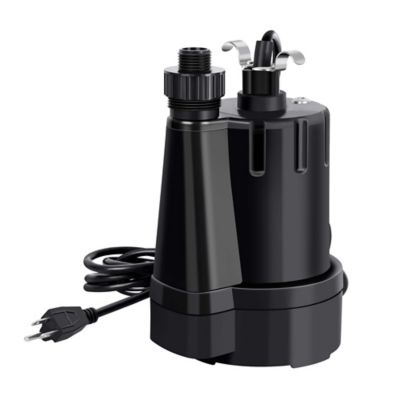
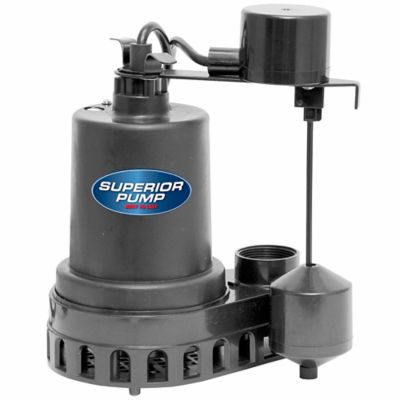
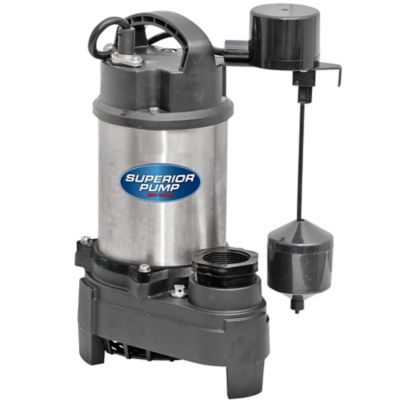
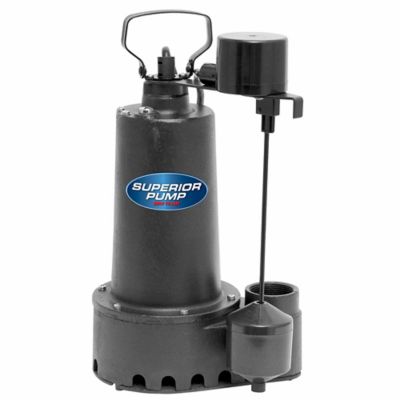
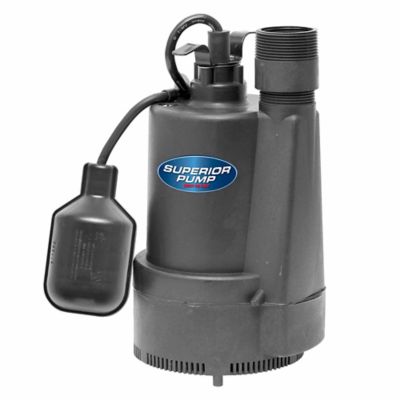
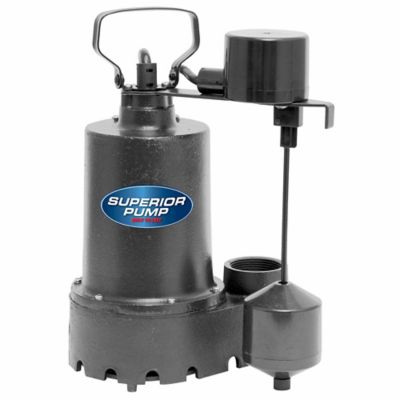
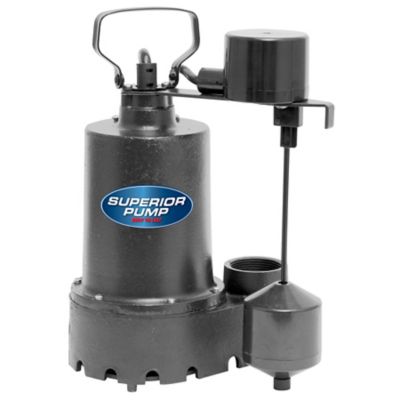
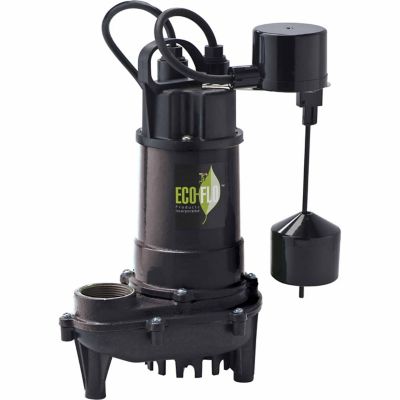
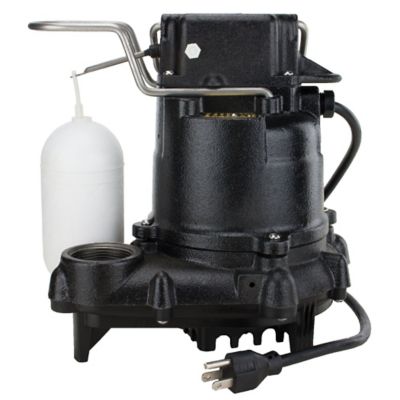
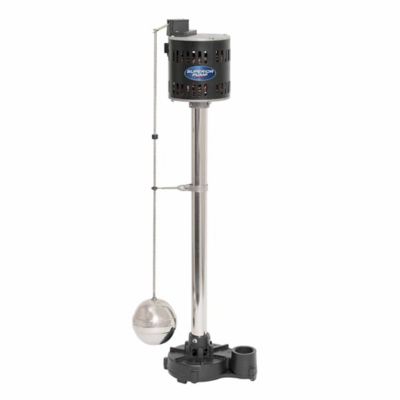
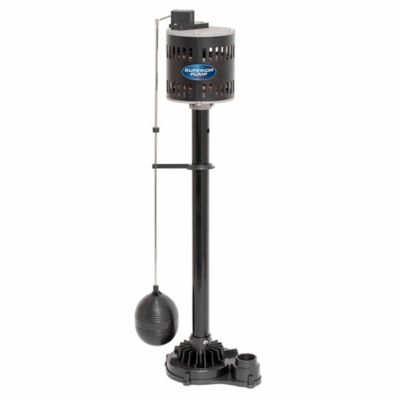
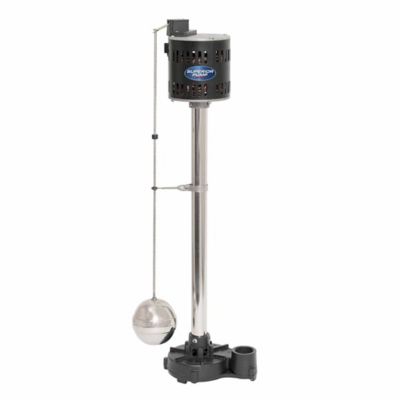
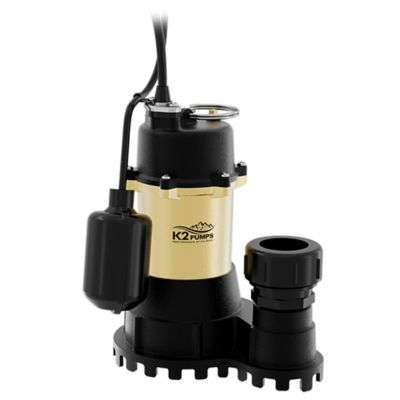
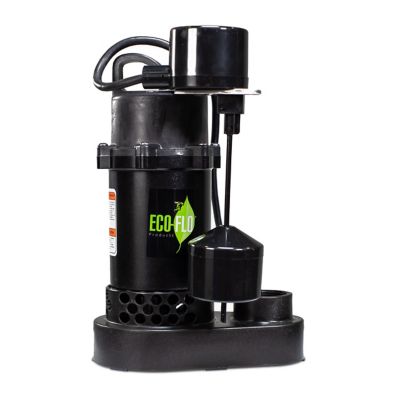
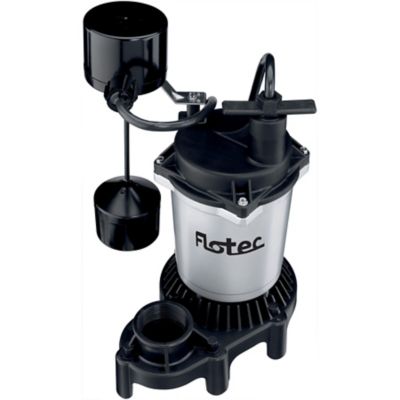
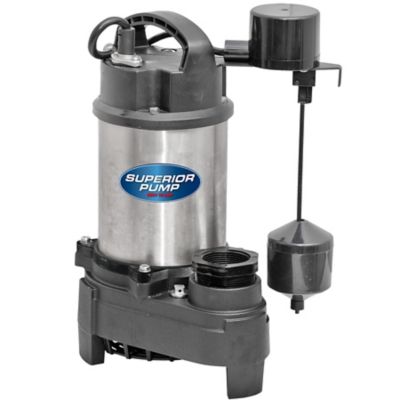
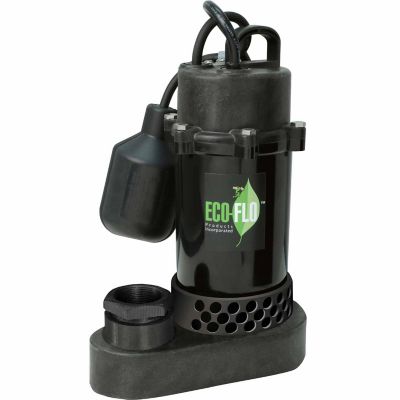
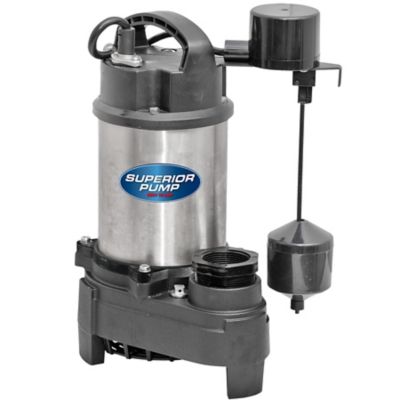
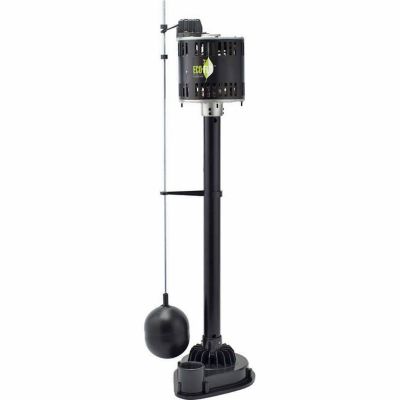
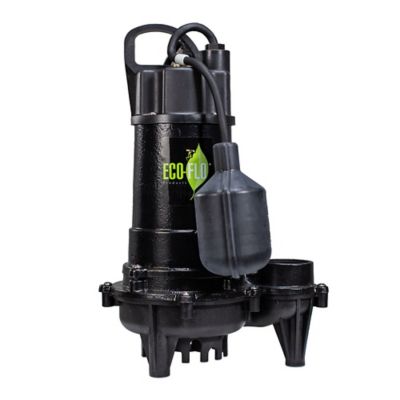
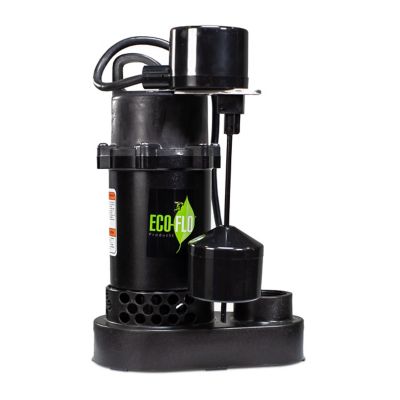
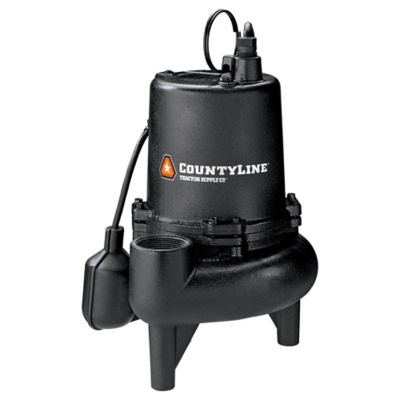
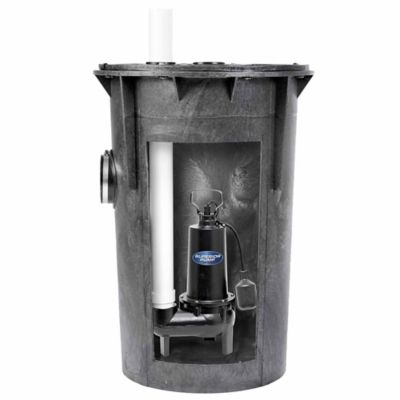
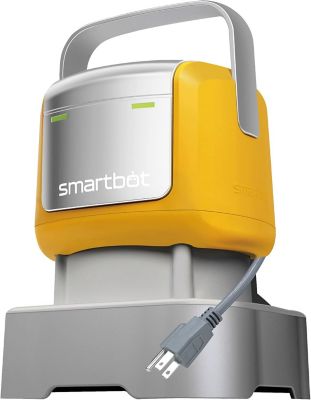
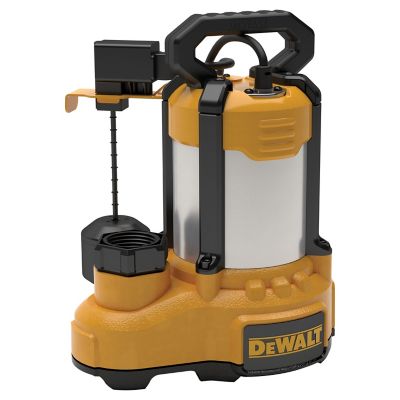
Sump pumps for crawl spaces remove water that collects beneath a home by moving it from a sump basin through a discharge pipe to an approved drainage location. That makes them a practical part of water management under farmhouses, ranch houses and other homes where groundwater or seepage can leave standing water around foundation walls and supports. Keeping that water from lingering can help reduce conditions that contribute to wood rot, mold growth and moisture-related damage, though a pump does not replace proper drainage, leak repairs or humidity control. The pump handles water that reaches its basin; it cannot pull water out of every low spot across a dirt floor. For a crawl space with several pockets where water settles, the collection path matters just as much as the pump itself. Drainage channels or a properly designed perimeter drain can direct water toward the basin so the system has a chance to do its job. Automatic sump pumps turn on when water reaches a set level and shut off as that level drops, making them a good fit for hard-to-reach areas beneath a house. A manual pump requires someone to control its operation, which is a different arrangement from an unattended drainage system. These pumps generally handle groundwater and drainage water, not sewage, thick mud or piles of debris. Their rated solids-handling capacity helps define what can pass through without clogging or damaging the mechanism. For homeowners managing damp conditions beneath floor joists, or property caretakers looking after a rural rental, the right setup starts with the kind of water present and where it needs to go. A sump pump can help keep collected water moving out, but recurring moisture near electrical wiring, damaged supports or a suspected plumbing leak calls for the appropriate professional attention as well. A discharge route that sends water back toward the foundation can leave even a capable pump working against the same problem over and over.
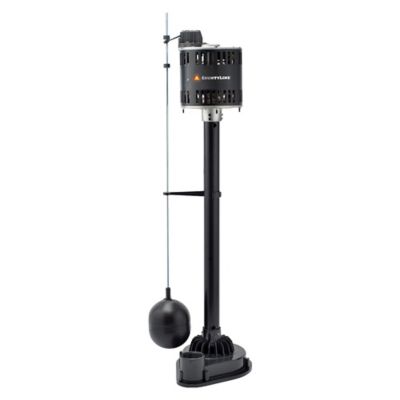
Fit matters in a crawl space, where a low access opening, tight framing and limited working room can make every inch count. A submersible sump pump sits inside the basin and operates with its motor housing designed for submersion, keeping the assembly below the basin rim when the installation allows. A pedestal pump holds its motor above the water, so its overall height and required overhead clearance deserve a close look in a low crawl space. Neither style is the best fit everywhere. Basin depth, opening width, service access and the pump’s required operating water level all affect whether a setup will work beneath a particular house. Housing materials also bring different considerations. Cast iron adds weight and helps transfer motor heat, thermoplastic resists corrosion and is lighter to handle, and stainless steel components can offer corrosion resistance. The full construction, including the impeller, seals and shaft, matters more than the housing material alone. A pump sitting on a stable basin bottom has a different job from one surrounded by loose soil and gravel, which can block an intake or interfere with moving parts. Switch clearance is another detail that can make a big difference. A tethered float needs room to swing freely, while a vertical float follows a more compact path; either can have trouble if it catches against piping or the basin wall. Electronic controls have their own installation and maintenance requirements. Pumping capacity deserves the same attention as physical fit. Gallons per hour should be compared at the expected discharge head, not just at the highest flow figure on the package. Vertical lift, pipe length, elbows and other restrictions affect how much water reaches the outlet. Horsepower alone does not tell the whole story. A crawl space with a long discharge run may call for different performance than one with a short route outside, even when the basins look much alike. Matching the discharge connection and pipe sizing to the manufacturer’s requirements helps keep the system working as intended.
Power, backup protection and access for upkeep round out the considerations for a crawl space sump pump. For a setup running on household electrical power,
AC Sump Pumps provide line-powered operation, with voltage, circuit requirements and installation details that need to match the site. The electrical connection belongs in a code-compliant arrangement suited to the location, not an improvised extension-cord setup stretched beneath the house. When drainage depends on electricity, a power outage leaves a standard line-powered pump unable to run. A compatible battery backup system can provide another layer of protection, but its pumping capacity and runtime depend on the equipment, battery condition and amount of incoming water. A high-water alarm serves a different purpose: it warns that water has reached a set level rather than removing that water. That distinction matters when the crawl space entrance is out back and the pump is out of sight during everyday chores. Check valves can help limit water draining back through the discharge line after a pumping cycle, while secure pipe connections help keep discharged water headed along its intended route. Compatibility and placement depend on the system’s instructions and local requirements. Long service life also depends on keeping the intake clear, allowing the switch to move properly and checking for sediment or obstructions in the basin. Power should be disconnected before hands-on cleaning or service, following the manufacturer’s safety directions. An accessible basin cover and enough room to reach the pump make those jobs less of a squeeze later. Frequent short cycles, unusual noise or a pump that runs without lowering the water can point to a problem with sizing, controls, drainage or the discharge line. For a house with a narrow crawl space hatch and plumbing tucked between the joists, choosing equipment that can be reached, checked and eventually removed is plain practical. The best match balances water-handling capacity, basin fit, materials, controls and service access rather than leaning on a single specification.