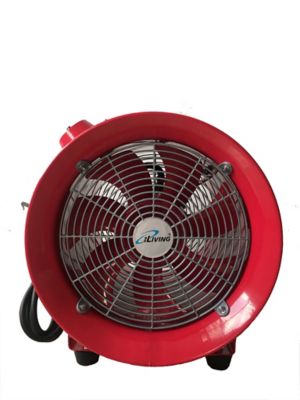
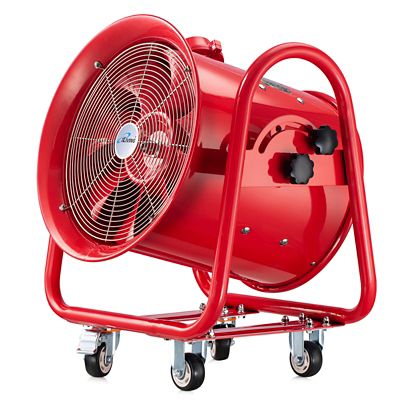
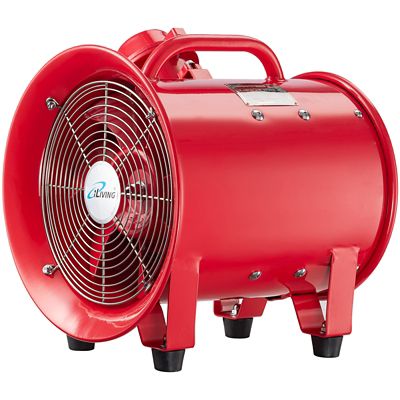
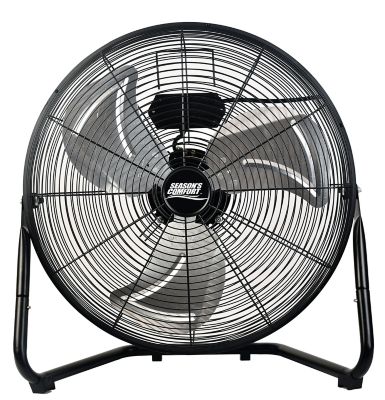
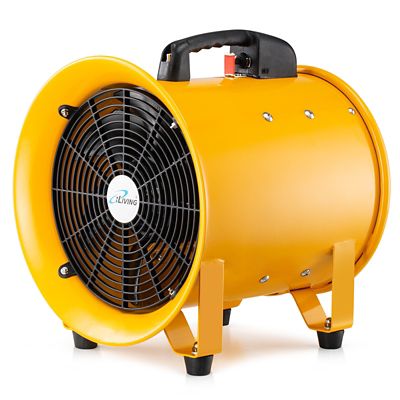
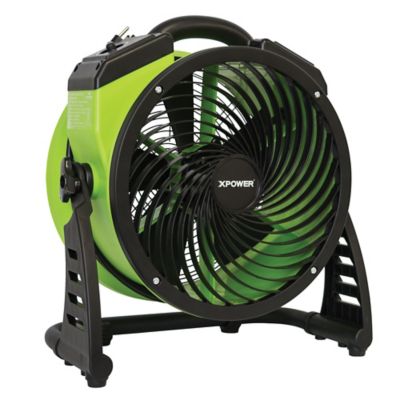
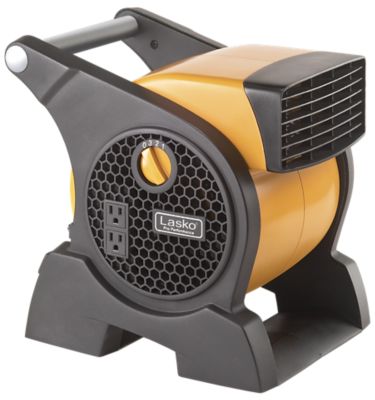
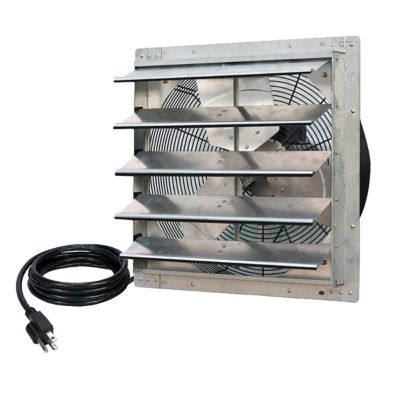
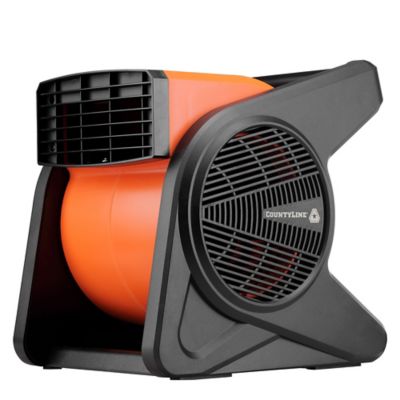
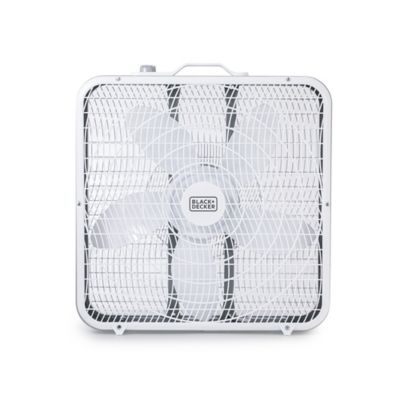
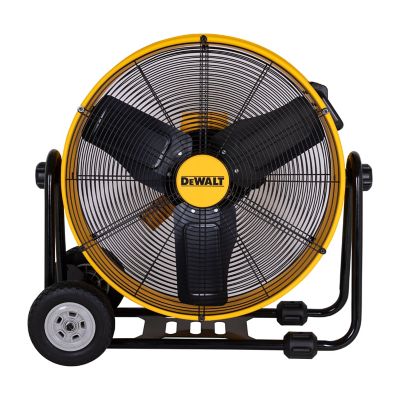
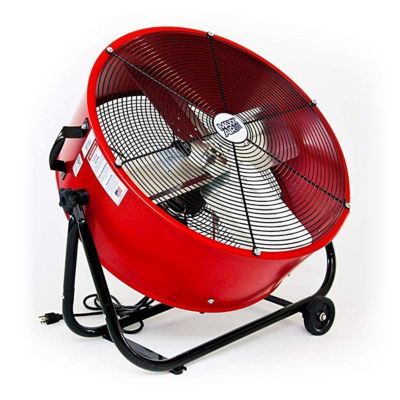
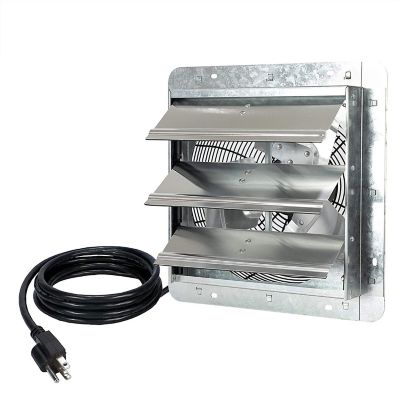
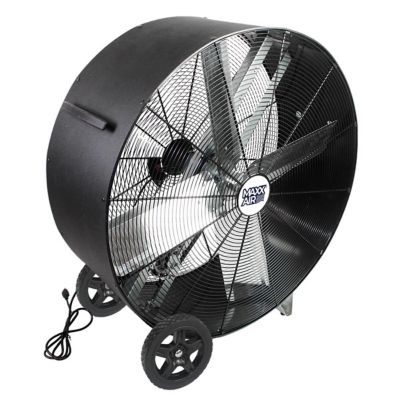
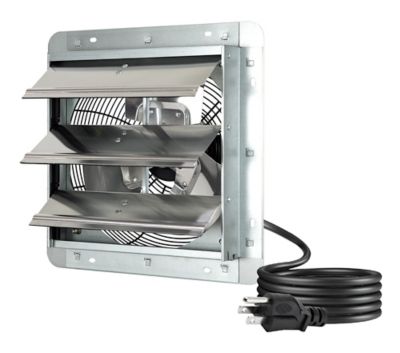
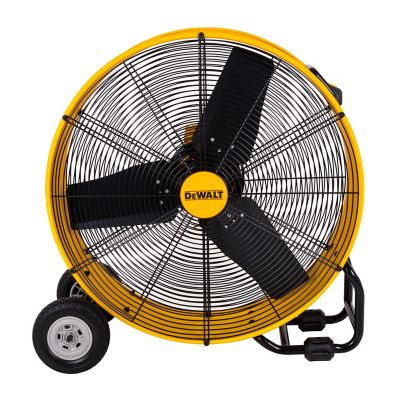
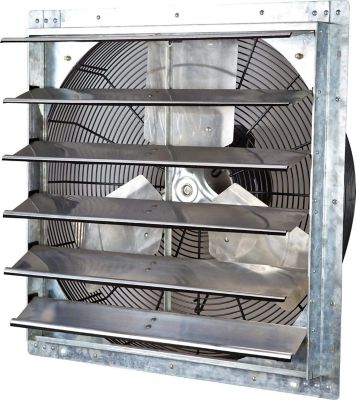
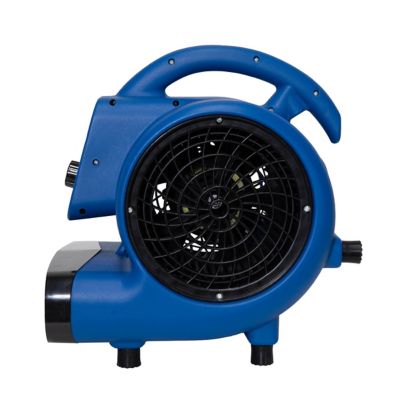
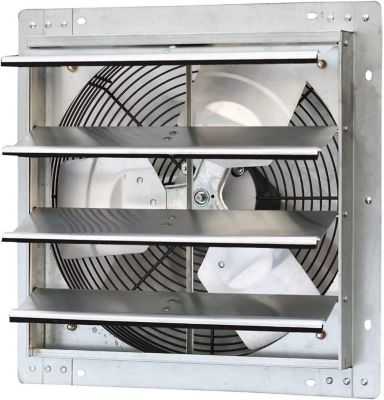
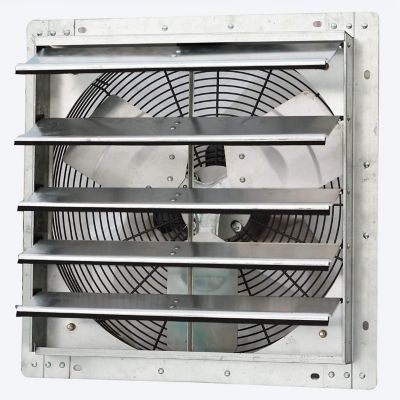
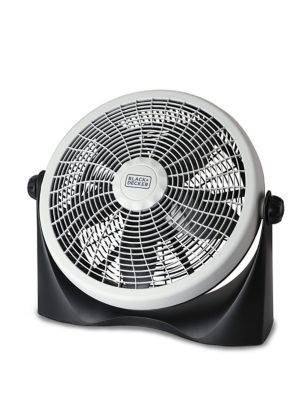
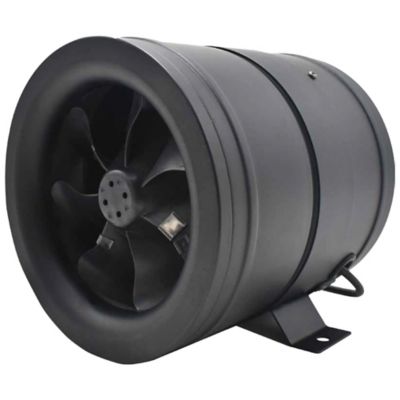
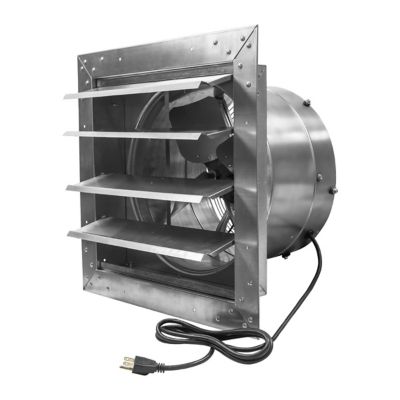
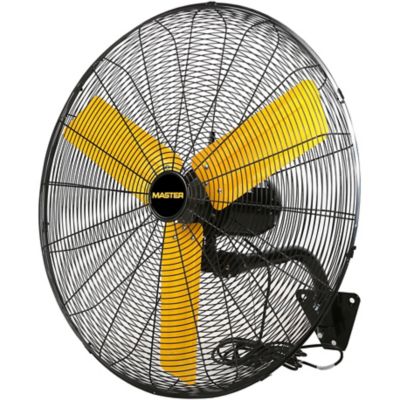
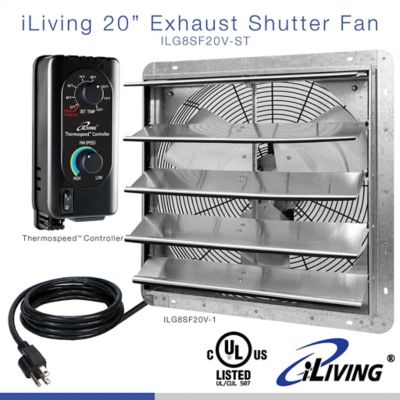
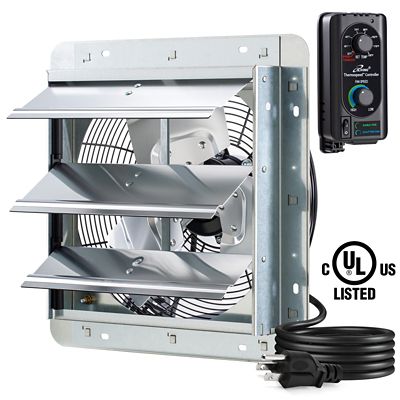
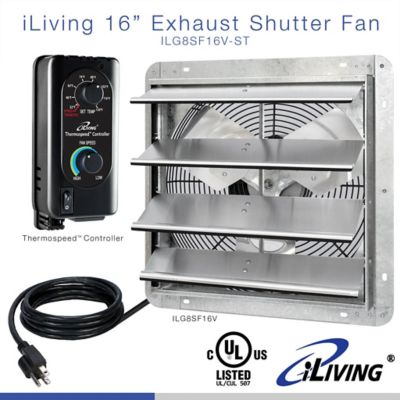
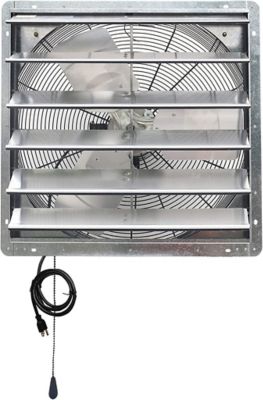
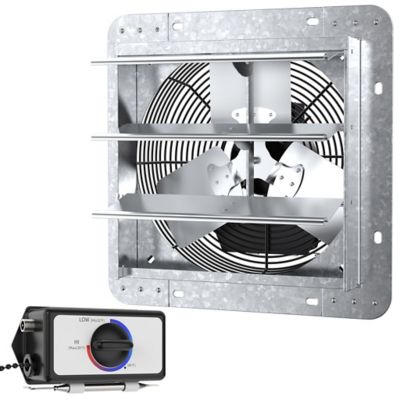
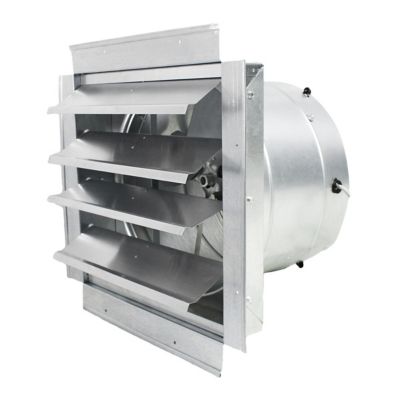
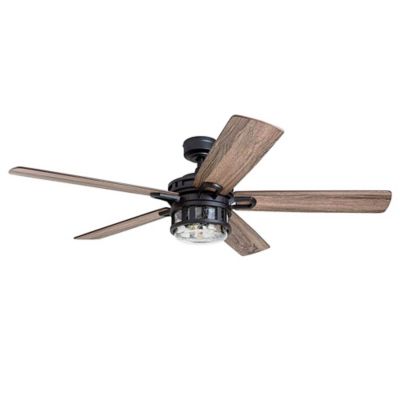
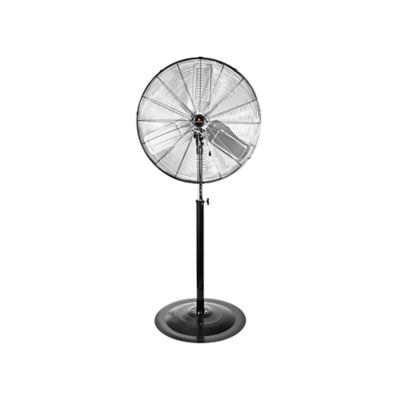
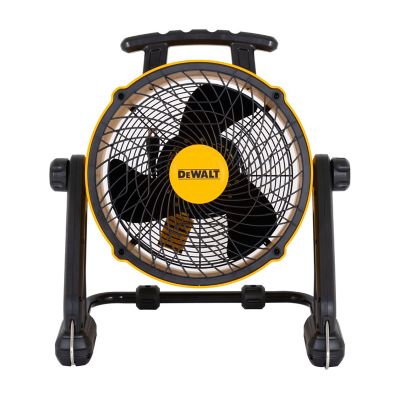
Fans for basement ventilation help move air through below-grade spaces where laundry, storage, hobby work and everyday chores can leave the room feeling stuffy. The main distinction is between a fan that circulates air within the basement and a ventilation fan that exchanges indoor air with air from outside. A floor or wall-mounted circulation fan can improve air movement around shelves, workbenches and laundry corners, but it does not remove moisture or airborne contaminants from the building by itself. Through-wall exhaust fans, window-mounted ventilation fans and inline duct fans serve different layouts, with the right fit depending on the available opening and the route air takes into and out of the space. A through-wall design may suit an unfinished basement with an appropriate exterior opening, while an inline fan can move air through ductwork when the discharge point sits farther from the room. Window-mounted designs depend on the dimensions, security and support of the window opening. For a homeowner with a basement workshop, a landlord maintaining a utility area or someone keeping household supplies off the main floor, those mounting differences matter as much as the fan’s power. A useful ventilation setup needs both an exhaust path and a planned source of replacement air; pulling air out of a tightly closed room without allowing air back in can limit airflow and create pressure problems. Basement ventilation fans can help manage stale air and some moisture when the incoming air contains less moisture than the basement air. They cannot repair a foundation leak, stop water seeping through masonry or replace a dehumidifier when moisture removal is the main need. Persistent musty smells deserve attention to their source, especially around stored cardboard, wall framing and hidden corners. In a finished basement, ventilation also needs to fit the way the room functions, whether that means keeping conversation easy in a family room or avoiding a strong air stream across a desk. These are practical working products, and their value comes from matching their intended application to the room rather than simply choosing the largest fan.
Airflow capacity is commonly listed in cubic feet per minute, or CFM, which describes how much air a fan moves under stated test conditions. Basement floor area alone does not tell the whole story: ceiling height determines room volume, while duct length, elbows, grilles and exterior vent fittings affect how much air reaches the discharge point. For example, a 600-square-foot basement with an 8-foot ceiling contains 4,800 cubic feet of air. At a design target of two air changes per hour, the basic calculation calls for 160 CFM before accounting for restrictions. That example illustrates the relationship between room size and airflow, not a ventilation requirement for every basement. Occupancy, moisture sources, room layout and applicable building requirements can change the needed capacity. For ducted installations, airflow ratings at the expected static pressure are more useful than a free-air rating alone. A fan with a high unrestricted CFM figure may move considerably less air through a long or narrow duct run. Noise deserves a close look, too. Sound ratings, where provided, help compare fans for a basement bedroom, office or gathering space, while vibration isolation and secure mounting can reduce rattling against framing or masonry. Variable-speed controls allow adjustments within the fan’s operating range, giving a household more flexibility than a single on-and-off setting. Manual switches offer straightforward operation, timers can limit run periods, and humidity-sensing controls can respond when moisture levels rise. Digital controllers may provide adjustable thresholds, schedules or remote monitoring, depending on the design. A humidity-triggered exhaust fan still needs suitable incoming air; a sensor cannot make ventilation remove moisture when the replacement air carries more moisture into the room. Controls should also be easy to reach without climbing over feed bags, storage tubs or a crowded workbench. Basement projects sometimes overlap with other airflow needs around the house or shop, making
Heat Ventilation Fans another category to compare while keeping each fan’s stated application, mounting requirements and operating limits in mind.
Materials, construction and service access make a difference in a basement, where dust, lint and occasional dampness can be part of the setting. Galvanized steel, coated metal and aluminum housings offer different approaches to corrosion resistance, while plastic housings can reduce weight and avoid rust on the housing itself. The material alone does not establish whether a fan belongs in a damp location; electrical listings, motor protection and the manufacturer’s location rating matter. Guards help keep fingers and loose objects away from moving blades, and accessible covers make routine cleaning less of a chore. Exhaust shutters and properly fitted vent covers can help limit reverse airflow and pest entry when the fan is off, although those parts also add resistance that belongs in the airflow calculation. Mounting dimensions, wall thickness, duct diameter, cord length and the location of a suitable electrical connection all affect fit. A plug-in fan and a hardwired ventilator have different installation needs, and permanent wiring or changes to an exterior wall may call for a qualified professional and local permits. Care generally centers on keeping blades, guards, sensors and air passages clear according to the manufacturer’s directions, with power disconnected before cleaning or service. Laundry lint and workshop dust can collect faster than expected, so access matters as much as appearance. Safety is especially important in basements containing fuel-burning furnaces, boilers or water heaters. Exhaust ventilation can create negative pressure that interferes with combustion venting and may draw exhaust gases back into the living space. A qualified HVAC professional can evaluate combustion safety, replacement-air needs and the proposed exhaust arrangement before installation. Ordinary basement fans are not a substitute for radon mitigation, and workshop fumes or combustible dust may require purpose-built ventilation equipment rather than a general household fan. With the airflow path, materials, controls and safety requirements matched to the space, basement ventilation equipment can support a more comfortable place to sort laundry, organize supplies or spend time at the workbench without getting in the way of the day’s chores.