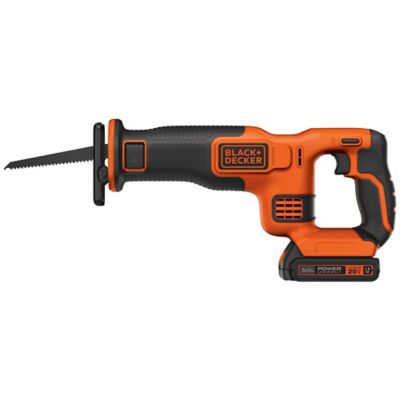
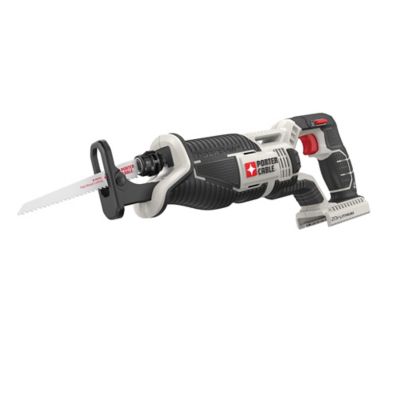
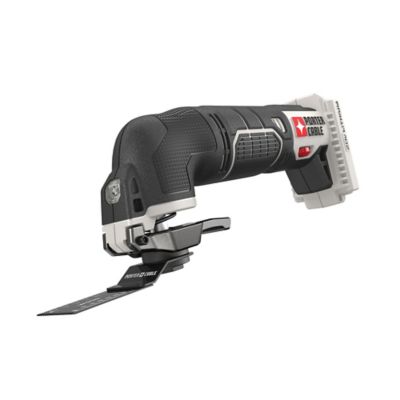
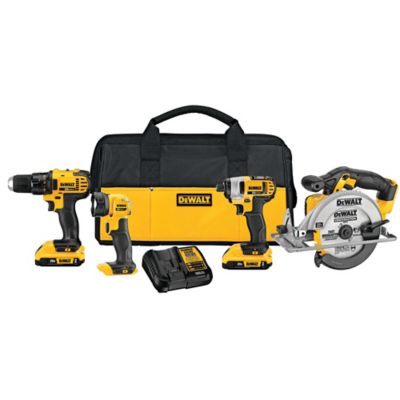
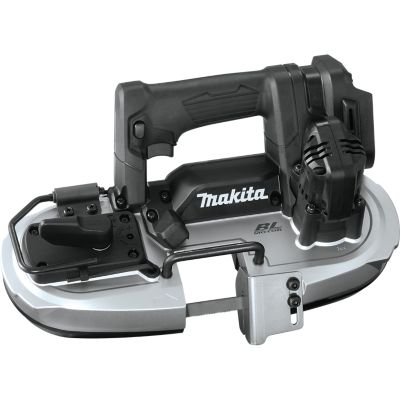
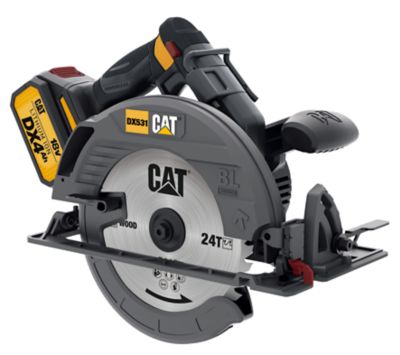
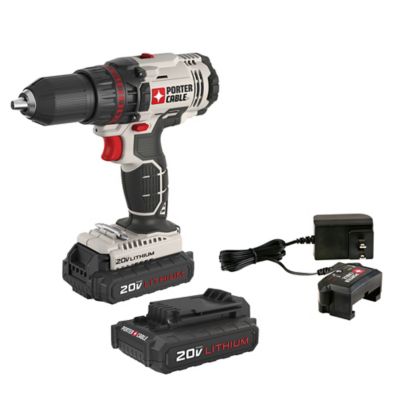
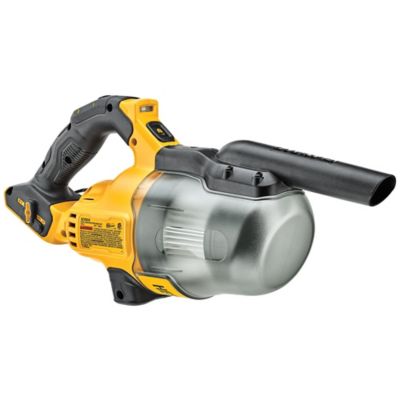
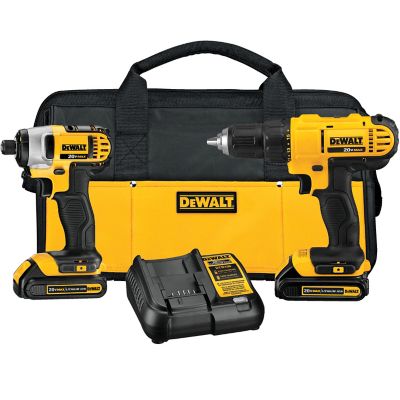
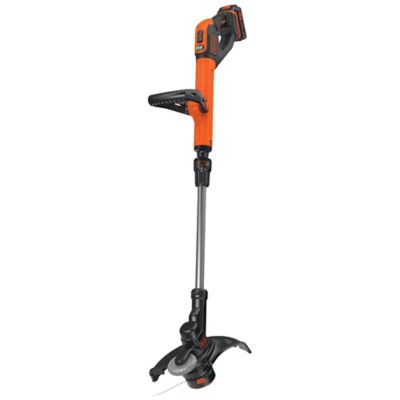
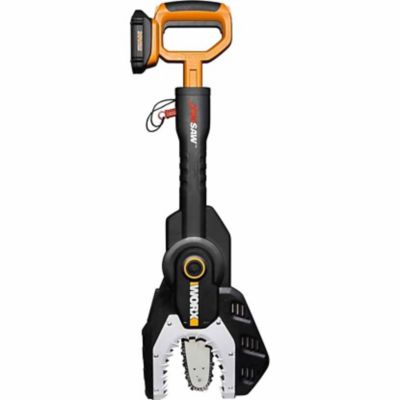
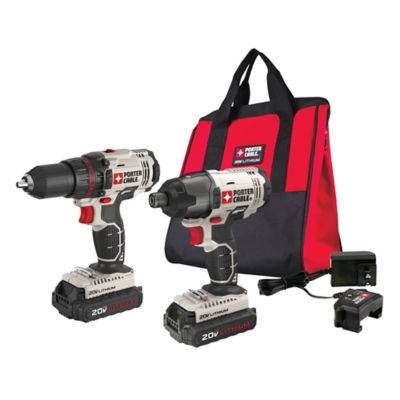
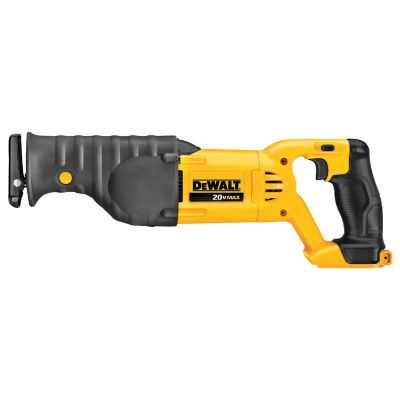
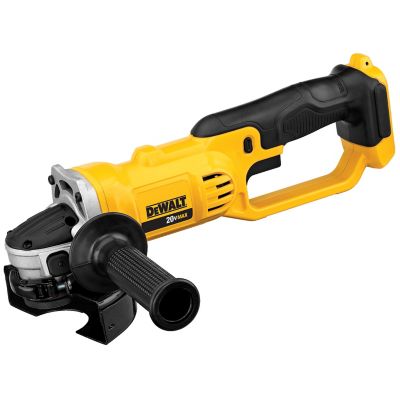
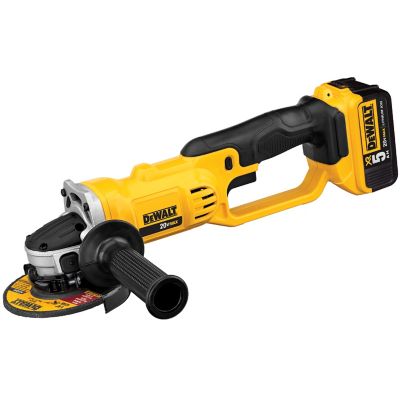
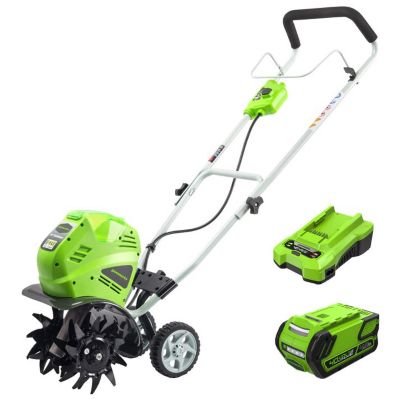
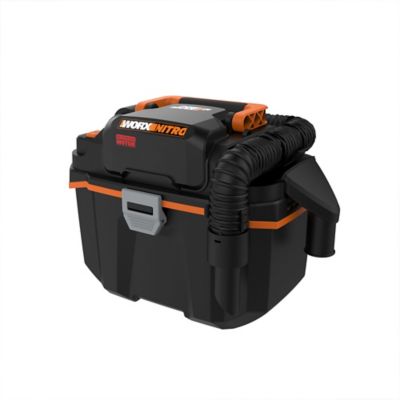
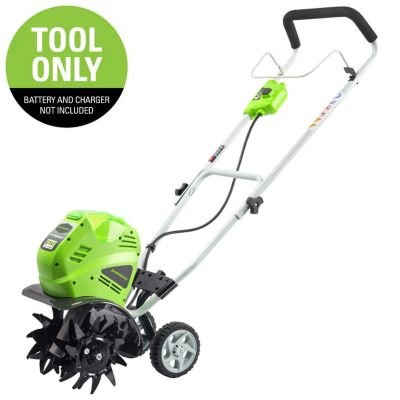
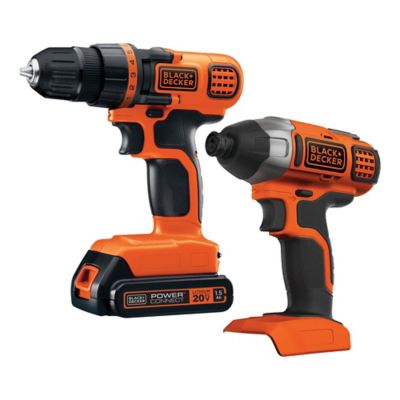
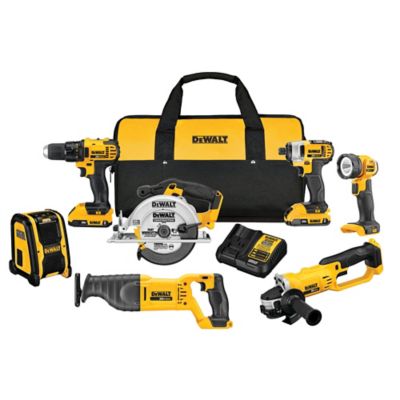
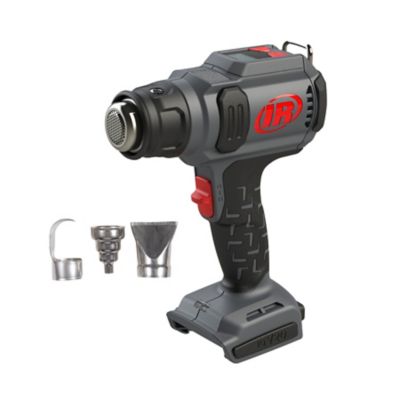
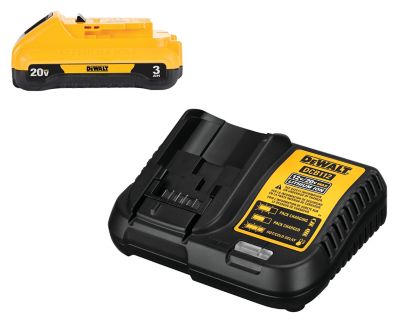
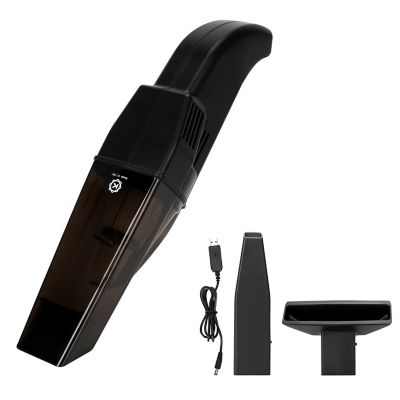
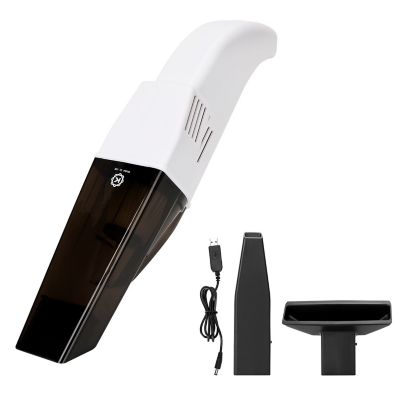
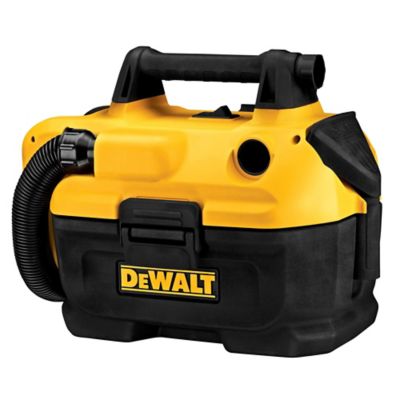
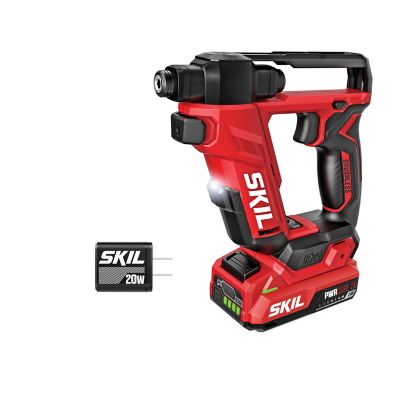
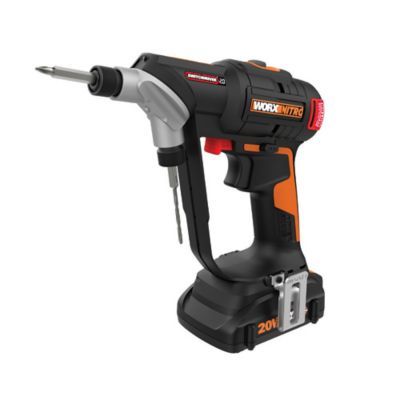
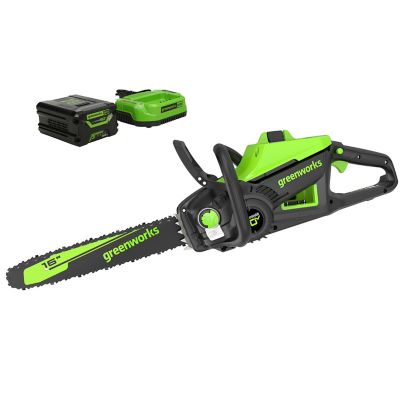
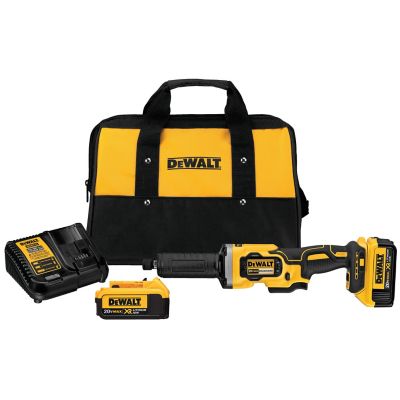
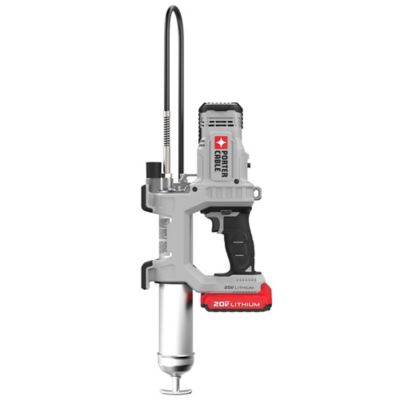
Cordless tools make it easier to work wherever the job takes you, whether that means repairing a gate at the edge of the pasture, putting up shelves in the mudroom, or making quick fixes around the house. Powered by rechargeable lithium-ion batteries, these tools let you move around a shop, barn, garage, yard, or jobsite without dragging a power cord across the floor or searching for an outlet. That freedom comes in handy when you are working between fence posts, climbing a ladder, reaching into a cramped cabinet, or handling a project outdoors. Common cordless options include drills, impact drivers, saws, sanders, grinders, work lights, and more, so you can choose a tool for a single task or build a matching set over time. A compact 12V tool is often a comfortable choice for hanging pictures, assembling furniture, tightening hardware, installing cabinet pulls, and handling light repairs in tight spaces. The smaller size can be easier to control, especially for someone new to power tools or anyone who spends a lot of time overhead. Higher-voltage tools, often listed as 18V or 20V MAX, provide more muscle for driving larger fasteners, cutting thicker boards, drilling through tougher materials, and tackling demanding work around a property. Voltage is only one part of the picture, though. Battery capacity, measured in amp-hours, affects how long a charge may last, while the material being cut or drilled, the size of the fastener, and the amount of pressure on the tool all affect run time. A spare battery and a charger that fits the same platform can help keep work moving when one battery is charging.
When comparing cordless tools, start with the jobs you handle most often and the way you usually work. A homeowner may appreciate a light drill and driver for repairs, hanging hardware, assembling storage, and seasonal upkeep. Someone caring for a farm, acreage, or workshop may need a broader range of tools for building pens, repairing equipment, replacing boards, maintaining outbuildings, and working far from the nearest electrical outlet. Contractors, maintenance crews, and serious shop users may look for higher output, faster charging, comfortable grips, bright task lighting, and controls that are easy to use with work gloves. Brushless motors are another feature worth considering. They operate without the traditional brushes found in brushed motor designs, which can reduce friction and help the motor run efficiently. Depending on the tool and the job, a brushless model may offer longer run time, stronger output, and less heat during demanding work. You can explore more options in our
Brushless Tools collection. Pay attention to the battery platform before adding a tool to your cart. Batteries and chargers are often shared across tools within the same system, but they are not automatically interchangeable between every platform. Staying with one compatible system can make it simpler to add a bare tool later without purchasing another charger and battery. If you are starting from scratch, a kit with several useful tools may help cover common tasks, while a bare tool can make sense when you already have matching batteries at home. Check the included items, battery size, charger style, speed settings, chuck or blade compatibility, and storage options so the setup matches the work ahead.
Cordless tools can also make thoughtful gifts for a new homeowner, a student setting up a first place, a parent who enjoys weekend projects, or a rancher who is always fixing something before supper. A compact drill may be the first power tool someone reaches for, while a larger combo set can suit a person who enjoys building, repairing, and improving the spaces around them. For fall cleanup and cooler-season projects, cordless tools are useful for putting away equipment, repairing sheds, tightening loose hardware, cutting lumber for small repairs, and preparing work areas before colder weather settles in. On a busy property, keep batteries charged and stored in a dry place away from extreme heat, moisture, and direct sunlight. Let a hot battery cool before charging, and follow the instructions that come with the tool and charger. Wear eye protection when drilling, cutting, grinding, or sanding, secure the workpiece, keep hands clear of moving parts, and use the right blade, bit, or accessory for the material. A work light can help when daylight fades early or when a repair takes place under a trailer, inside a cabinet, or in a dim corner of the barn. Taking a few minutes to match the tool, battery, and accessory to the task can make the work smoother and help prevent unnecessary strain. Whether you are handling small household fixes, maintaining a rural property, or building out a workshop, cordless tools offer the freedom to carry the work wherever it needs to go.