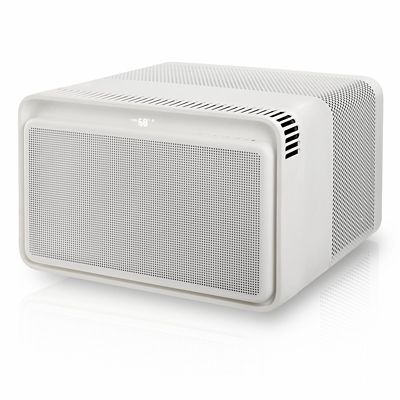
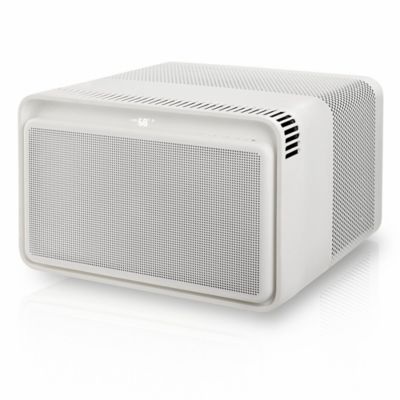
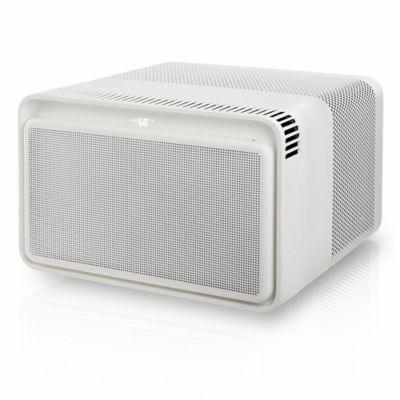
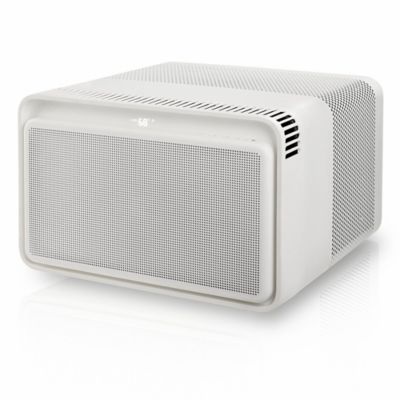
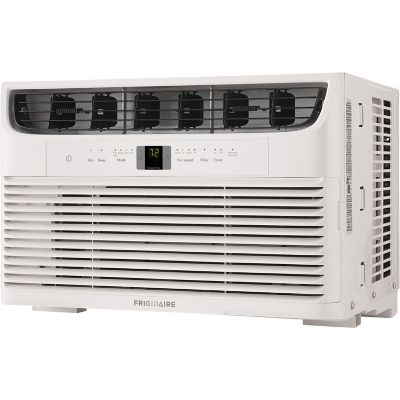
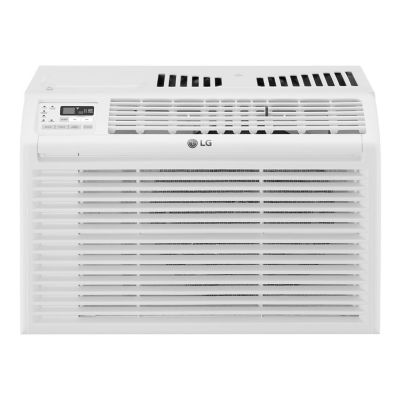
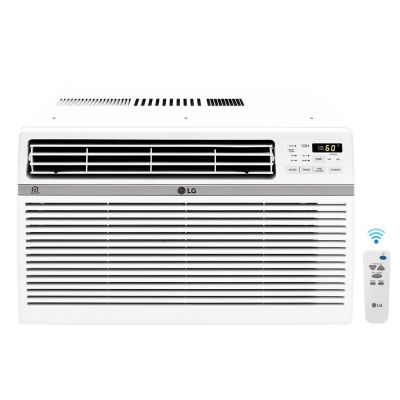
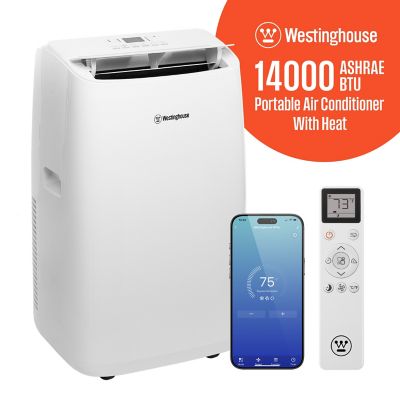
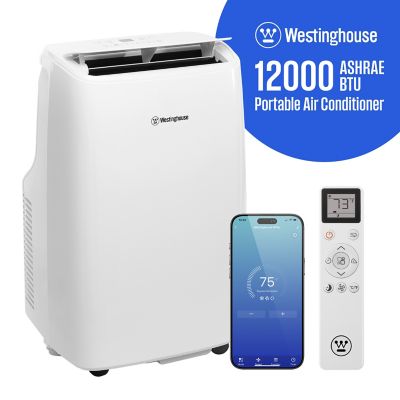
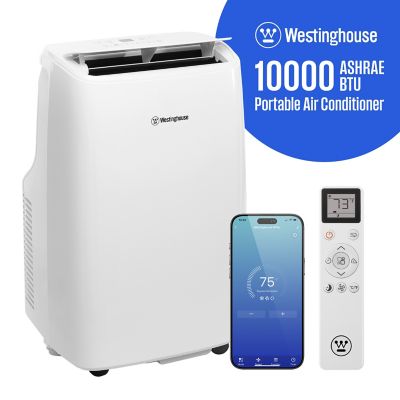
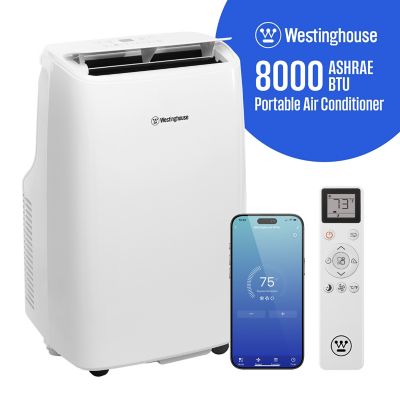
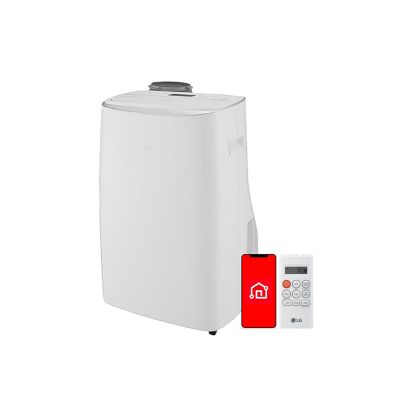
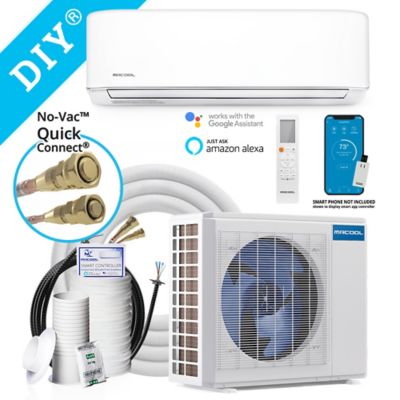
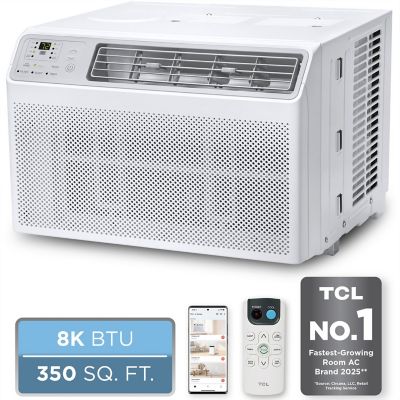
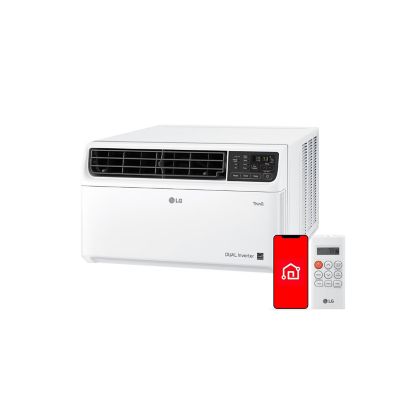
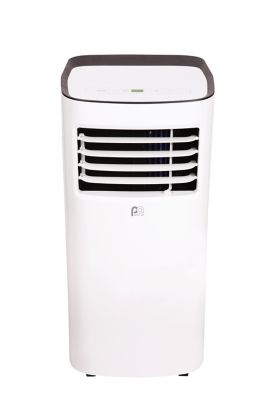
Cooling appliances help make indoor spaces, work areas, porches, garages, and entertaining spots more comfortable when heat starts hanging around. This broad category includes air conditioners, evaporative coolers, air circulators, desk fans, tower fans, pedestal fans, and compact beverage or wine coolers. Each type handles heat in a different way, so the best choice depends on the space, the local climate, and how you plan to use it. Air conditioners lower the actual air temperature by pulling warm air across refrigerated coils, removing heat and often reducing humidity along the way. They may be used in a window, through a wall, or as a portable unit with a venting kit, making them useful for bedrooms, home offices, cabins, workshops, and other rooms that need more than a light breeze. Before choosing one, measure the room and check the cooling capacity, usually listed in BTUs. An undersized unit may run constantly without keeping up, while an oversized unit can cool the room quickly without removing enough moisture. As a general starting point, an air conditioner rated around 8,000 BTUs may suit a room of up to roughly 230 square feet, though ceiling height, sunlight, insulation, windows, and the number of people using the room can change that estimate. Portable models with wheels are handy when cooling needs shift from a bedroom during the night to a living room or enclosed porch during the day, while window and wall-mounted units can be a practical fit for a dedicated space. Look for adjustable temperature settings, multiple fan speeds, washable filters, sleep settings, and clear controls that are easy to use after a long day outside. Energy use matters, too. Compressor-based cooling generally draws more electricity than a simple fan, so features such as timers and energy-saving modes can help keep comfort from turning into an unnecessarily high power bill.
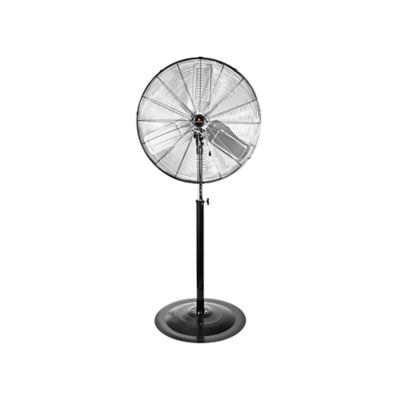
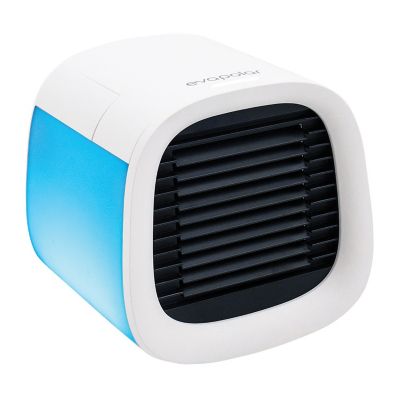
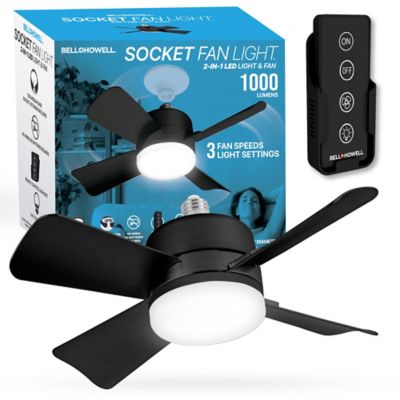
Fans and air circulators are a simple, budget-friendly way to improve comfort without changing the room temperature. By moving air across the skin, they create a wind-chill effect that can make a warm room feel noticeably more comfortable, especially when paired with shade, open windows, or a cooler evening breeze. A small fan can sit on a desk, counter, bedside table, tack room shelf, or workshop bench, while a taller fan can move air across a larger room. Air circulators are designed to push air farther and help mix the air throughout a space, which can be useful in rooms with high ceilings or areas where heat collects near the roof. When shopping, pay attention to airflow settings, noise level, oscillation, tilt adjustment, cord length, grille design, and how easy the unit is to clean. Compact fans are easy to carry between rooms and make practical gifts for students heading to a dorm, family members setting up a home office, or anyone spending long hours in a garage, craft room, or hunting cabin. Browse
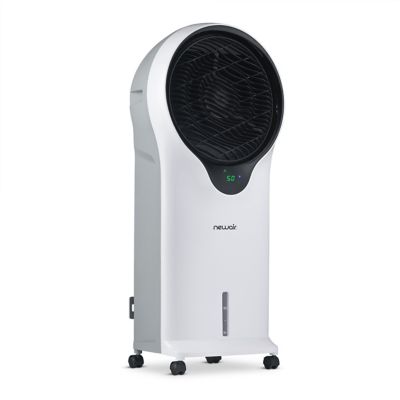
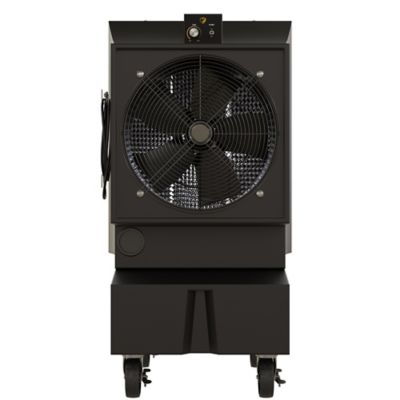
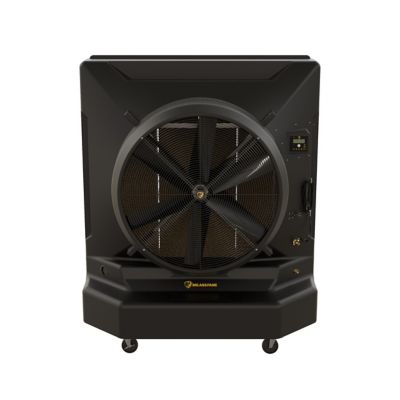
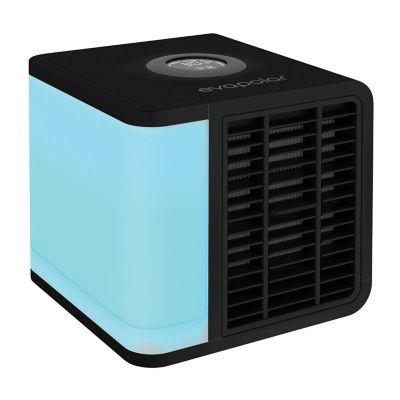
Small Cooling Fans when a compact footprint and flexible placement matter. Evaporative coolers, sometimes called swamp coolers, offer another approach by pulling air across water-soaked cooling pads. They work best in dry climates, where evaporation can lower the temperature of the moving air, and they are often useful in open or partly open areas such as covered porches, barns, workshops, patios, and garages. Since they add moisture to the air, they are usually less effective in humid conditions and may not be the right choice for a tightly sealed room. Check the water tank capacity, refill method, cooling area, fan settings, and whether the unit can be moved easily. Keeping the pads and tank clean helps maintain airflow and keeps the appliance ready for the next warm stretch.
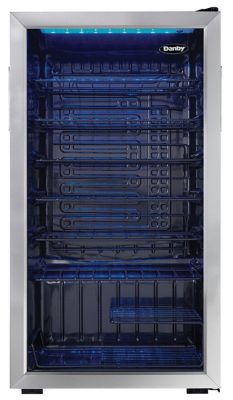
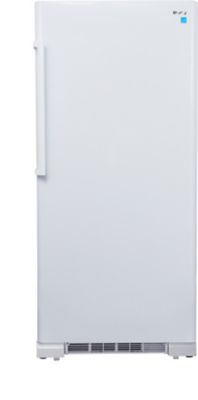
Cooling appliances can also help with food and drink service when family, neighbors, or a work crew gathers around the kitchen, patio, barn, or game room. Beverage and wine coolers use compact refrigeration to keep drinks at a steady serving temperature, making them useful for entertaining, storing refreshments in a basement or break room, or giving a host a practical present for a new home. When comparing this type of appliance, consider interior capacity, shelf arrangement, temperature range, door swing, placement clearance, and whether the unit will fit beneath a counter or stand on its own. Some spaces need quiet operation, while others benefit from a glass door or interior light for quick visibility. For any cooling appliance, take a careful look at the available outlet, ventilation requirements, cord placement, and the surface where it will sit. Keep air conditioners and refrigeration-based units clear of curtains, bedding, hay, dust, and other materials that can restrict airflow or create a safety concern. Clean or replace filters as recommended, empty water reservoirs when needed, and give the appliance room to breathe around its vents. During the warmer part of the year, these simple habits help cooling equipment work more efficiently; as cooler weather settles in, clean and dry the unit before storing it or changing its role to occasional use. Whether the goal is a more comfortable bedroom, a breezier workshop, a cooler porch, or drinks kept ready for company, choosing the right cooling method starts with matching the appliance to the space. Consider room size, humidity, portability, energy use, noise, maintenance, and the amount of control you want, then look for sturdy features suited to everyday life in the house, yard, garage, or outbuilding.