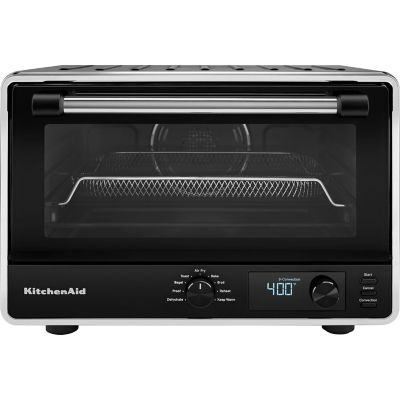
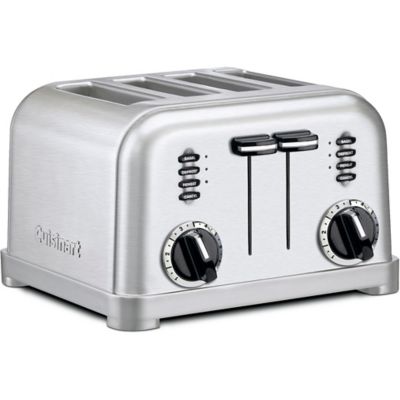
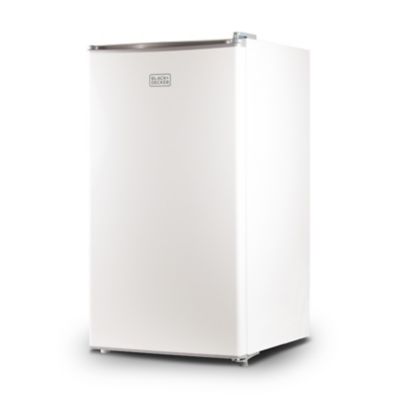
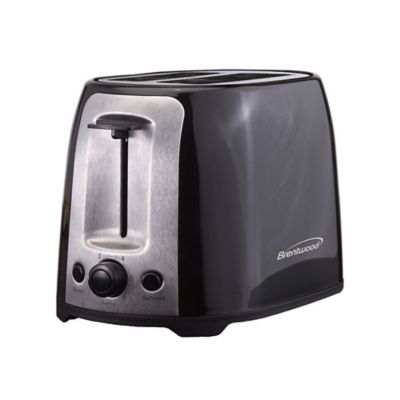
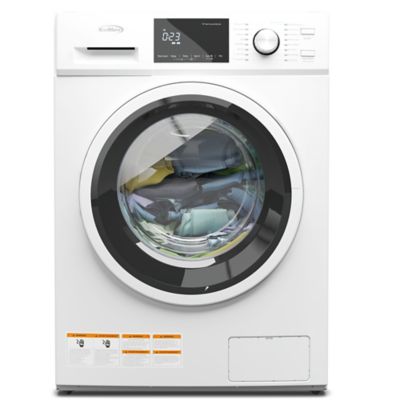
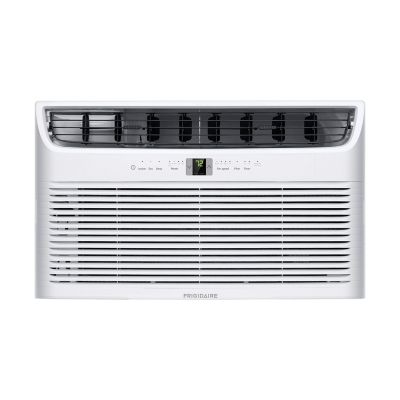
Home appliances handle the everyday jobs that keep a household moving: storing groceries, preparing meals, washing clothes, cleaning dishes, and picking up dirt tracked through the door. Major home appliances include refrigerators, freezers, ranges, dishwashers, washers, and dryers, while smaller countertop and floor-care appliances take on more focused tasks. The right mix depends on how a home runs, whether that means feeding a big family after chores, putting away garden harvests, or keeping up with work clothes that never seem to stop piling up. Capacity matters, but it means more than the outside size of a machine. Refrigerator shelf arrangements affect how well casserole dishes and tall containers fit, freezer compartments influence how easily food can be organized, and laundry drum space helps determine the size of each load. A household that cooks most meals at home may put more value on cooking space and easy-clean surfaces, while a smaller home may benefit from compact equipment that leaves room to move. For food storage, clear compartments and accessible shelves make it easier to see what is on hand without digging through several layers. Cooking appliances bring their own practical differences, including cooking area, control placement, power source, and the space needed around them. Smaller kitchen appliances can support everyday routines without taking over the counter, especially when their size matches the amount of food or drink being prepared. A pot of coffee before heading to the barn, a quick breakfast before school, and supper after a full workday all put different demands on a kitchen. Across these categories, useful features are the ones that earn their keep through regular use. Straightforward controls, easy-to-reach handles, readable settings, and removable parts that can be cleaned according to the care instructions can make daily chores less of a production. Appliances suited to the household’s actual habits often make more sense than extra capacity or functions that rarely get a turn.
Fit is just as important as function, especially in kitchens, laundry rooms, and utility areas where every inch has a job. Appliance dimensions need to work with the space itself, the delivery path, and the room required for doors, lids, drawers, hoses, and cords. A refrigerator that fits between cabinets still needs clearance for its doors to open properly, and a laundry setup needs enough working space to load a basket without blocking the doorway. Narrow halls, stair landings, and low shelves can affect placement before an appliance ever reaches its final spot. Electrical requirements also vary by appliance type, as do water connections, drainage needs, gas hookups, and ventilation. Installation instructions and local requirements determine what a particular setup needs; qualified installation is appropriate when the work involves connections beyond ordinary plug-in use. Materials and finishes play a practical role, too. Stainless steel, coated metal, glass, and molded plastic each bring different cleaning needs and handling considerations. A smooth surface may wipe down easily, while seams, knobs, and recessed handles can take a little more attention after flour dust or greasy fingerprints settle in. Finish-care directions matter because abrasive pads and strong cleaners can scratch or damage some surfaces. Inside an appliance, shelf layout, basket construction, seals, and removable trays affect how it works from one day to the next. Laundry equipment also needs to suit the fabrics that regularly come through the wash, from everyday shirts and jeans to towels and bedding, with load limits and care labels setting the boundaries. Noise and vibration can matter when a laundry area shares a wall with a bedroom or a kitchen opens into the main living space. Energy and water information provides another useful point of comparison among appliances with similar capacity and functions. Published usage estimates offer context, though actual consumption depends on settings, load size, maintenance, and how often the appliance runs.
Home appliances also extend beyond the kitchen and laundry room to support cleaning and comfort throughout the house. Floor-care equipment serves different purposes depending on the surface, the amount of foot traffic, and whether the household includes pets. Fine dust on a hard floor, crumbs beneath the kitchen table, and hair worked into a rug call for different attachments and cleaning methods. Collection capacity, cord reach, weight, and the effort involved in emptying or changing a collection container all affect everyday handling. An appliance that moves easily between rooms may suit a smaller house, while a larger floor plan can make reach and capacity more important. Related categories such as
Cooling Appliances address indoor comfort, where room size, placement, airflow, and electrical requirements help shape the fit. Across household appliance categories, routine care supports steady performance and a longer service life. Washable parts need the cleaning and drying steps specified by the manufacturer, filters need attention at the stated intervals, and vents or openings should remain clear as directed. Dryer lint screens and exhaust systems deserve particular attention under the care instructions, while refrigerator door seals and accessible surfaces benefit from regular cleaning. Unusual sounds, leaks, damaged cords, or changes in operation are reasons to stop and check the instructions or arrange service rather than keep pushing through another load. Access to replacement filters, compatible accessories, service information, and warranty terms can matter over years of ownership. For a first home, a farmhouse kitchen refresh, or a household making room for more people, appliances are long-term working equipment rather than something to choose by appearance alone. Smaller household appliances can also make practical housewarming or wedding gifts when they match the recipient’s routines and available space. Whether the task is putting supper on the table or getting clean clothes back into the drawers, a sensible appliance setup supports the work that happens at home every day.