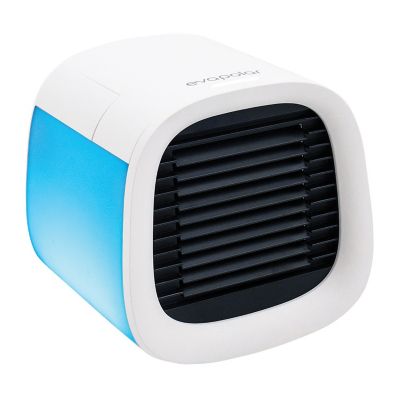
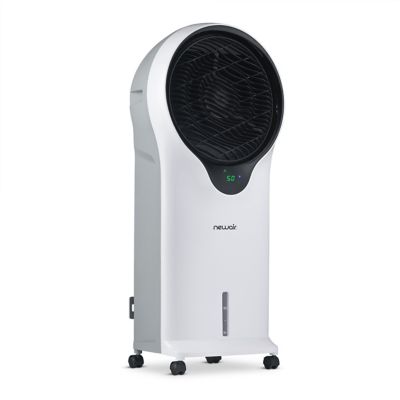
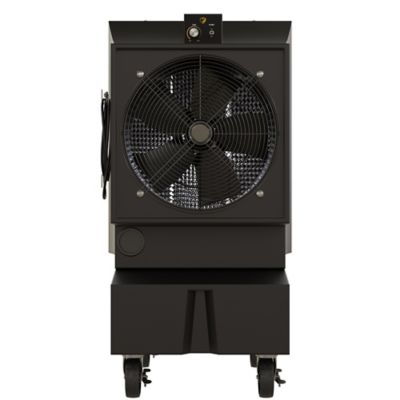
Home coolers can mean a couple of different things, depending on what needs cooling around your place. Some are made to lower the temperature in a room, while others are insulated containers that keep food, drinks, bait, medicine, or other supplies cold. Room air coolers may include portable air conditioners, window units, and evaporative coolers that use water, moving air, or ice to provide relief during warm weather. An evaporative cooler can be a practical choice in a dry climate, especially in a garage, workshop, porch, hunting cabin, or room with good airflow. These units work best when fresh air can move through the space, while portable and window air conditioners are often better suited for enclosed rooms where you want more noticeable temperature control. Before choosing a room cooler, consider the size of the area, the available outlet, how much floor or window space you have, and whether the unit needs to be moved from room to room. A smaller cooler may be handy beside a desk, in a bedroom, or near a workbench, while a larger unit may be a better fit for a family room, enclosed porch, or outbuilding. Check the listed cooling capacity and compare it with the square footage of the room, keeping in mind that high ceilings, direct sunlight, poor insulation, and frequent door openings can all make a space harder to cool. Noise level matters, too. A little background hum may not bother you in the shop, but a quieter model can make a big difference in a bedroom or home office. Look for simple controls, easy-to-clean filters, a water tank that is convenient to fill when applicable, and a drain or hose setup that will not leave water pooling on the floor. If a cooler will be used around children, pets, or livestock, place cords and water containers where they will not become a tripping or tipping hazard. For barns, processing areas, workshops, and other demanding spaces, you may also want to compare these home-use options with
Industrial Coolers, which are designed for heavier-duty environments and frequent use.
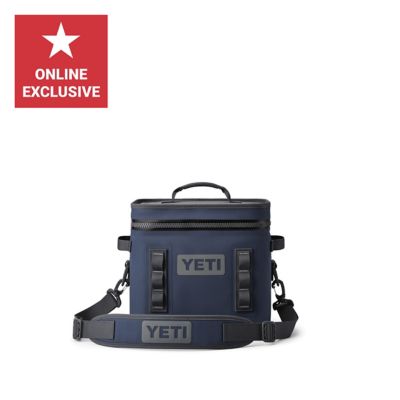
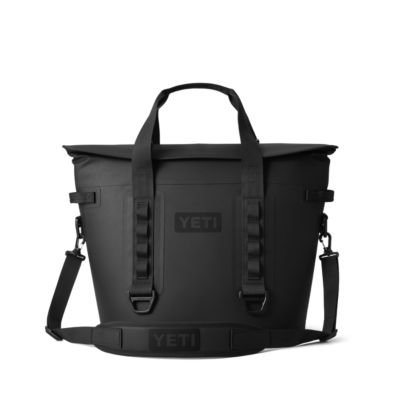
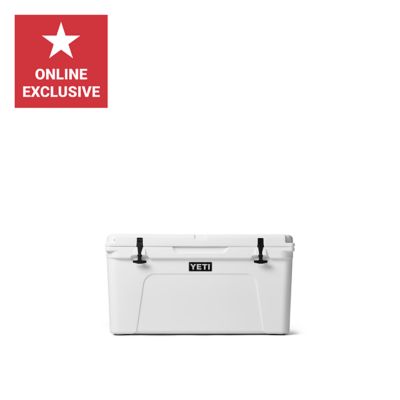
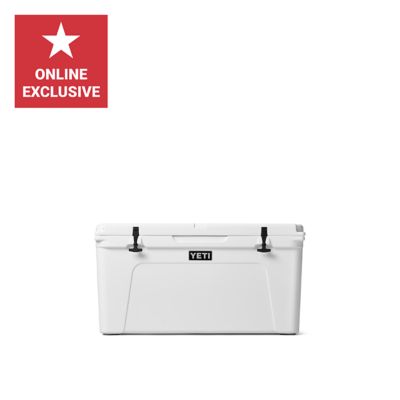
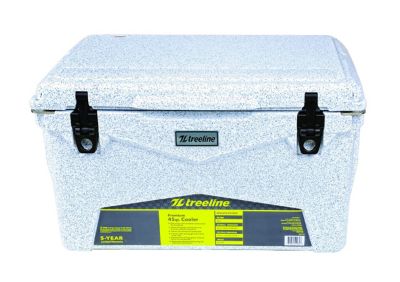
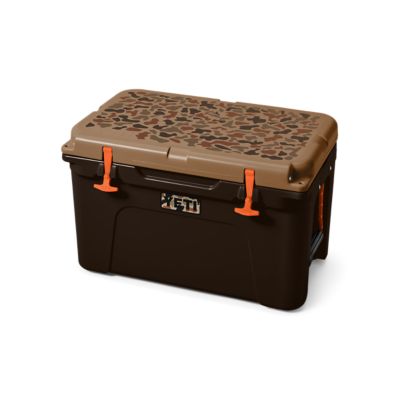
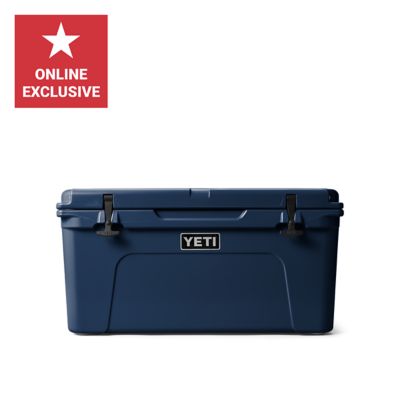
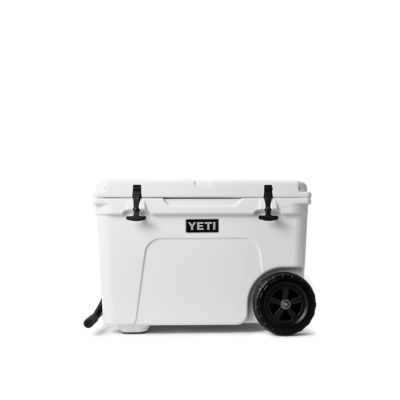
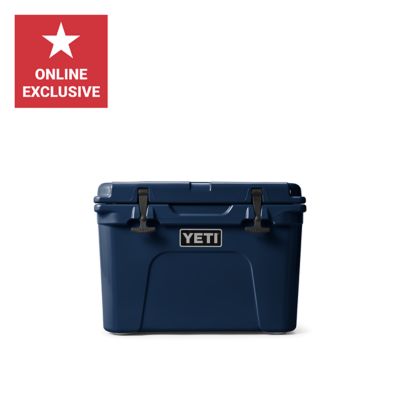
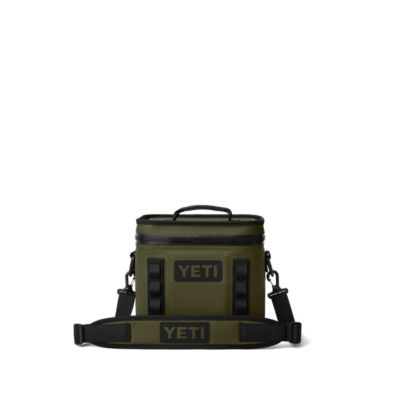
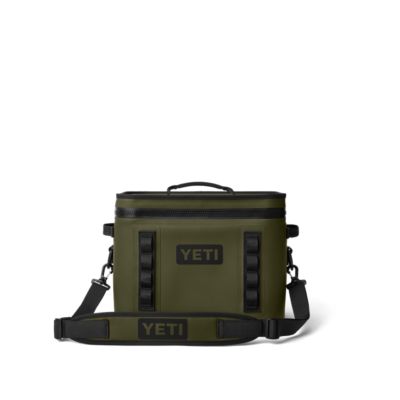
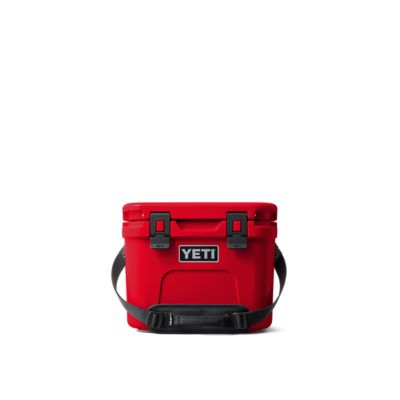
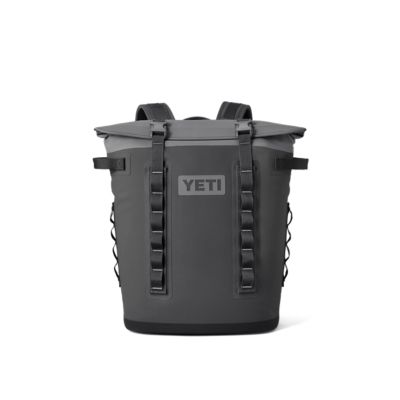
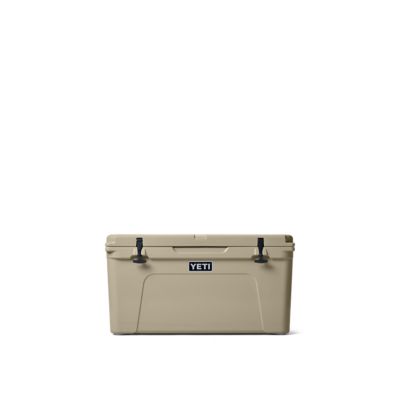
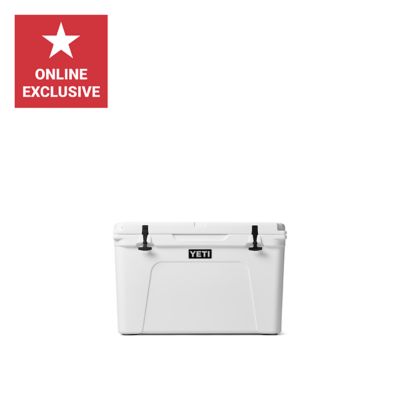
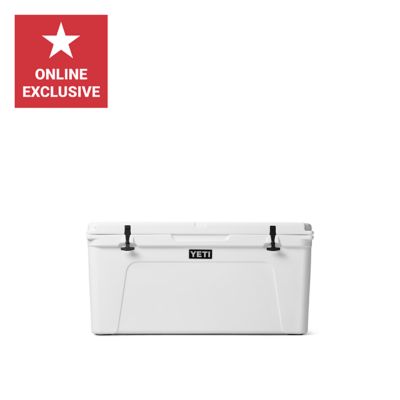
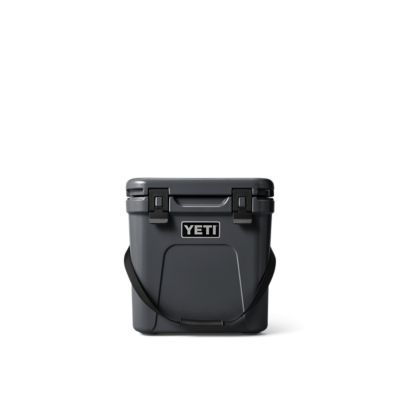
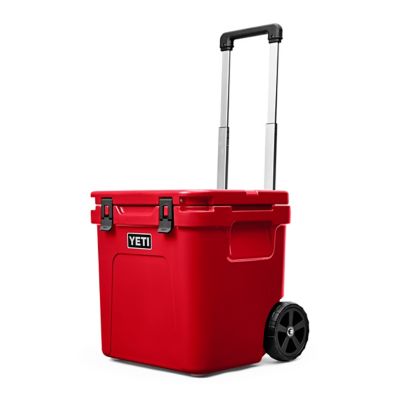
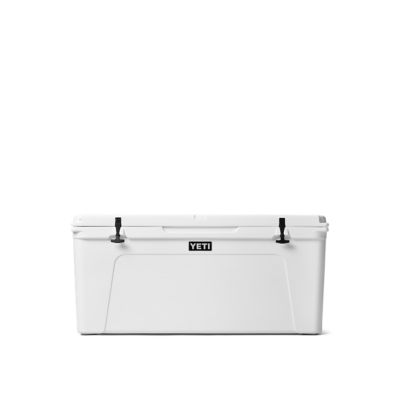
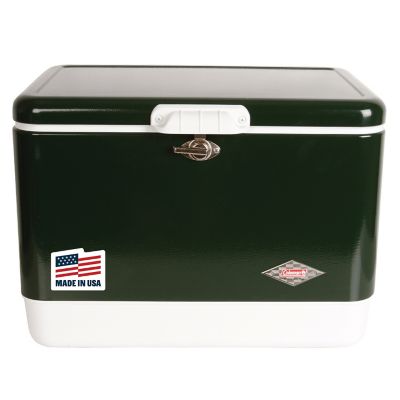
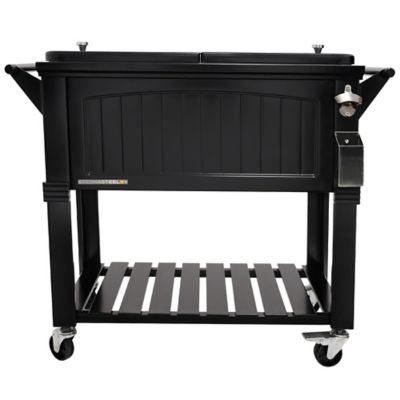
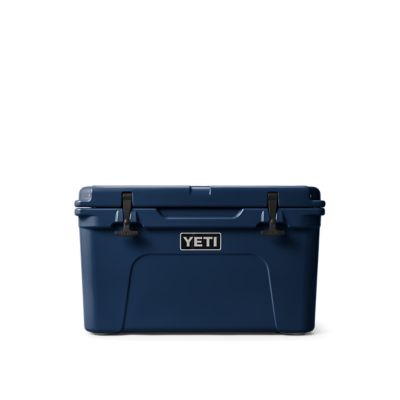
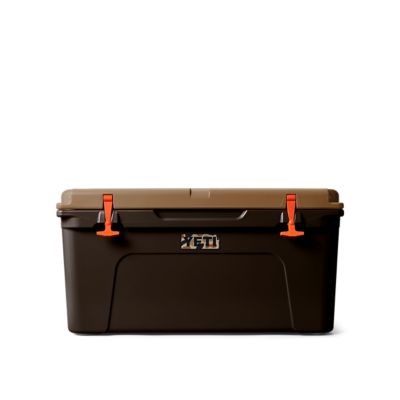
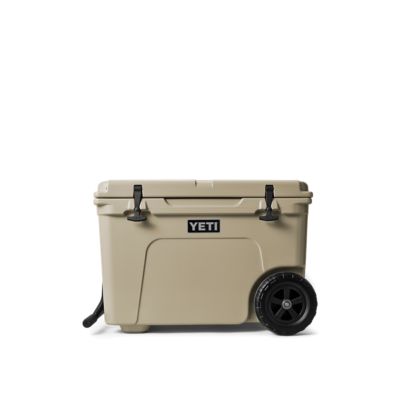
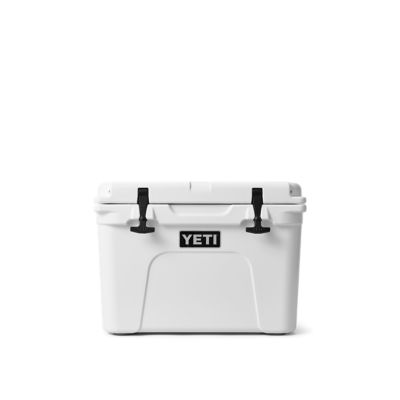
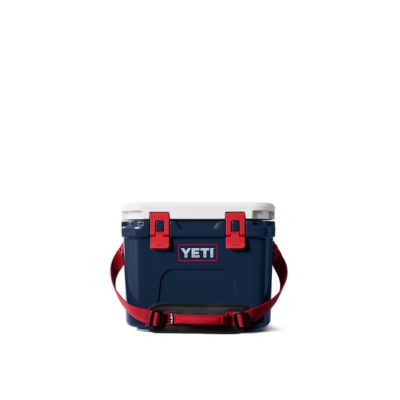
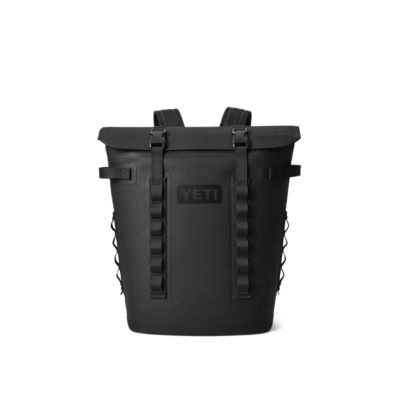
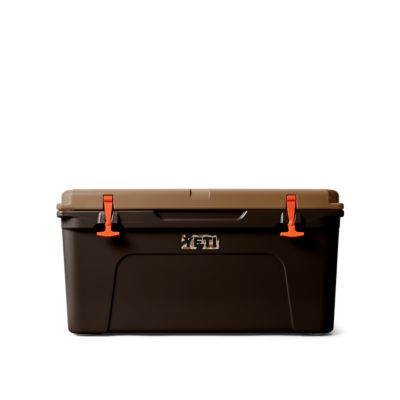
Portable ice coolers are another common type of home cooler, and they earn their keep well beyond a backyard cookout. A well-insulated cooler can hold drinks for a long afternoon at the ball field, keep sandwiches and fruit fresh during a long drive, or give you a cold place for groceries while running several errands. Around a farm or rural property, it may ride in the truck for fence work, haying, fishing, hunting, or a day spent checking cattle and repairing gates. When choosing one, start with capacity and carrying comfort. A compact cooler is easier to lift and works well for a couple of drinks or a packed lunch, while a larger chest can handle food for a family gathering or provide extra cold storage during a power outage. Remember that listed capacity usually includes the entire inside of the cooler, including the room taken up by ice, so actual food and drink space will be less. Thick insulation, a tight-fitting lid, durable hinges, and a sturdy drain can help a cooler perform better over repeated trips. Wheels and telescoping handles are useful when a full cooler needs to travel across a campground, parking lot, or gravel driveway, while rope or molded handles may be easier to carry over uneven ground. Consider the shape of the items you usually pack, too. Tall bottles, wide food containers, and meal-prep boxes may fit better in one cooler than another. For dependable cold retention, pre-chill the cooler and its contents whenever possible, use plenty of ice or frozen packs, and keep the lid closed instead of opening it every few minutes. Pack foods that need the most protection near the coldest areas, keep raw meat sealed separately, and drain meltwater only when needed. After each outing, empty the cooler, wipe away crumbs and spills, and let the inside dry fully with the lid open. This helps prevent lingering smells and makes the cooler ready for the next trip. In homes where refrigerator space is limited, an ice cooler can also serve as a handy overflow option for drinks, party dishes, garden harvests, or a fresh catch brought in from the pond.
Home coolers can make thoughtful, useful gifts for people who spend time outdoors or take pride in making their place more comfortable. A portable air cooler may suit someone setting up a garage workshop, finishing a home office, or trying to make a warm enclosed porch more pleasant during the shoulder seasons. An insulated drink cooler can be a welcome gift for a new homeowner, camper, angler, hunter, coach, gardener, or anyone who keeps a truck stocked for long days away from the house. They are especially practical for families who gather outdoors, hosts who need extra cold storage for cookouts, and workers who carry meals and drinks to job sites. As the weather warms, a cooler can sit beside the grill with bottled water and fresh ingredients; during the cooler months, it can still be useful for tailgates, hunting trips, holiday gatherings, and keeping perishables cold during travel. Think about where the cooler will live when it is not in use. A compact model may tuck beneath a counter or in a mudroom, while a larger chest may need room in a shed, garage, or truck bed. For room-cooling appliances, measure doors, windows, and storage areas before buying, and make sure the electrical setup matches the unit’s requirements. For ice coolers, check the empty weight as well as the full capacity, since a chest that is easy to carry empty can become surprisingly heavy once loaded with ice and food. Color and appearance may matter when the cooler will stay on a patio or in a finished space, while rugged construction and easy-clean surfaces may matter more for farm, shop, or campsite use. Choosing the right home cooler comes down to matching the design with the job: cool the room with a properly sized air-moving or air-conditioning unit, or keep food and drinks chilled with an insulated chest that fits the way you travel, work, and gather.