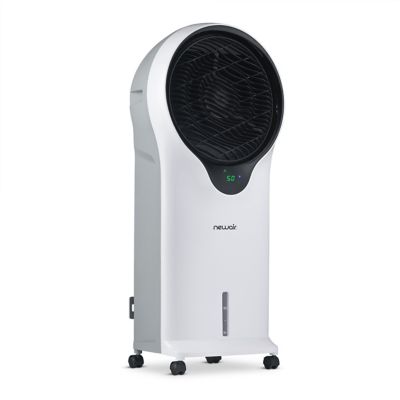
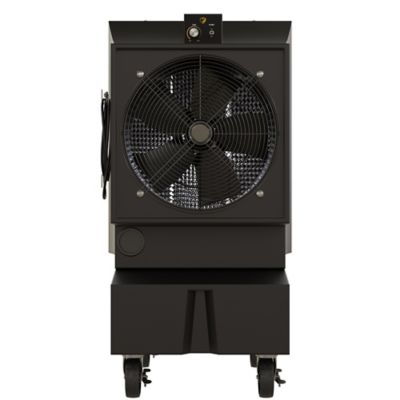
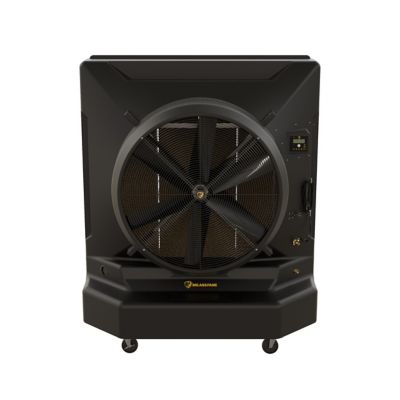
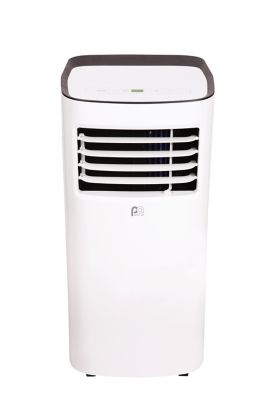
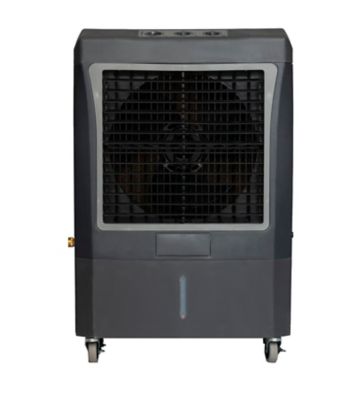
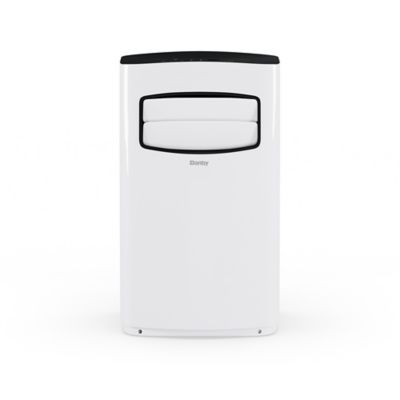
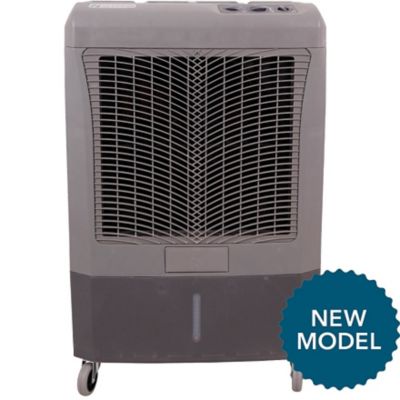
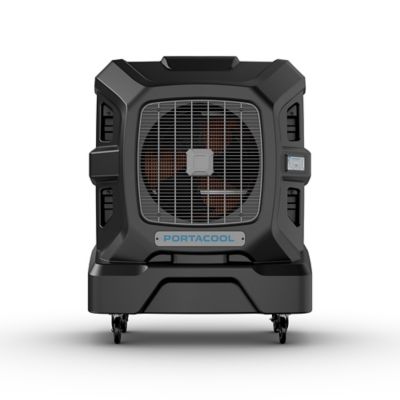
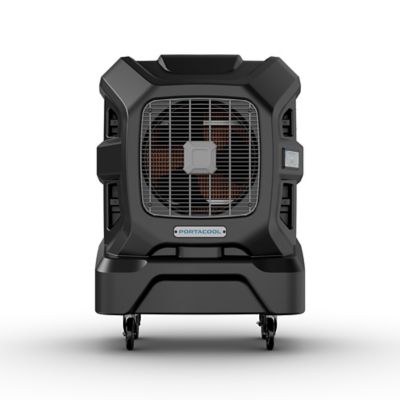
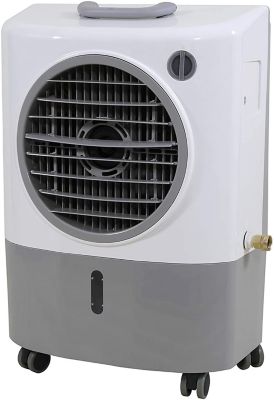
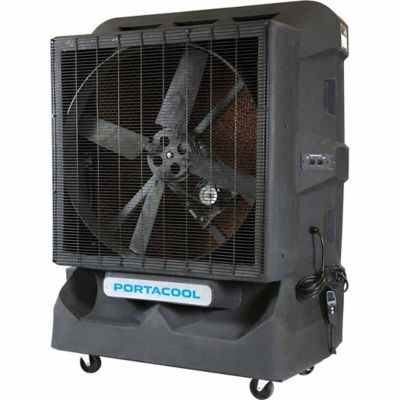
Cooling media are materials or substances that help absorb and carry away heat in a cooling system. Depending on the equipment, that can mean water, air, refrigerant, a brine solution, or the wetted pad inside an evaporative cooler. Each serves a different purpose: water takes up substantial heat, air carries heat away without a liquid circulation loop, refrigerants absorb and release heat as they change state, and brine solutions support certain low-temperature applications. For evaporative cooling equipment, cooling media generally means the pad or panel that holds water while allowing air to pass through. As part of that water evaporates, it draws heat from the passing air, producing a cooler breeze. These pads are working components, not simply packing material or ordinary air filters, and their structure affects both water distribution and airflow. Around a farm, shop, garage, or covered work area, evaporative cooling can make hot, dry conditions more manageable when the equipment is suited to the space. A person sorting hardware at a workbench needs airflow where the work happens, while a larger agricultural building may depend on an engineered combination of cooling pads, fans, and ventilation openings. The surrounding air matters as much as the equipment itself. Evaporation works best when humidity is low, and its cooling effect drops as the air becomes more humid. Unlike refrigerated air conditioning, evaporative equipment adds moisture to the air and generally needs a path for fresh air to enter and damp air to leave. Cooling media therefore belongs to a complete system rather than acting as a stand-alone solution for every building. Even during cooler months, enclosed workspaces can hold heat from machinery or afternoon sun, although operation should always stay within the equipment’s temperature limits. Understanding the type of cooling system helps distinguish replacement pads from liquids and other heat-transfer materials that serve entirely different equipment.
Materials, dimensions, and construction all matter when matching evaporative cooling media to a cooler. Common pad materials include corrugated cellulose and aspen fiber, with some equipment calling for synthetic media. Corrugated cellulose typically has channels that create a broad wetted surface while leaving passages for moving air. Aspen pads have a fibrous structure that retains water, while synthetic options vary in their makeup and cleaning requirements. These materials are not automatically interchangeable, even when two pads look about the same size. A cooler’s specified pad height, width, thickness, and orientation determine how the media sits in its frame and how air and water move through it. A pad that leaves gaps around the edges can let air bypass the wet surface. One that is too thick or too restrictive can reduce airflow and place demands on the fan that the system was not designed to handle. Deeper media is not necessarily a better match; the right balance depends on the fan, water supply, housing, and manufacturer’s specifications. Channel direction can matter, too, particularly with structured panels that have a designated inlet side or installation position. For a portable cooler rolled between a garage bay and a sheltered workspace, a properly seated pad helps maintain the intended airflow without loose edges or sagging sections. In larger pad-and-fan systems, consistent panel fit across the bank helps prevent dry gaps and uneven performance. Material strength when wet, resistance to sagging, and the ability to hold its shape through repeated operating cycles are useful considerations for service life. Water exposure, mineral content, airborne dirt, and maintenance habits also affect how long media lasts. Ranch hands, property owners, maintenance crews, and shop operators may all need replacement cooling media, but the match comes down to the equipment rather than the job title. Model information and the original pad specifications provide a firmer basis for selection than appearance alone.
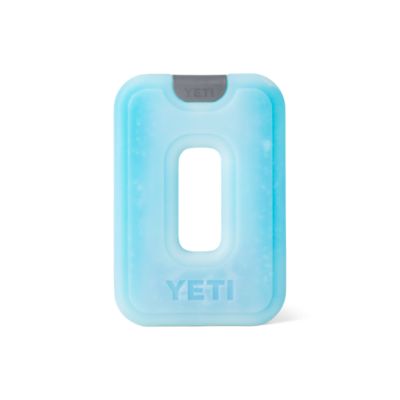
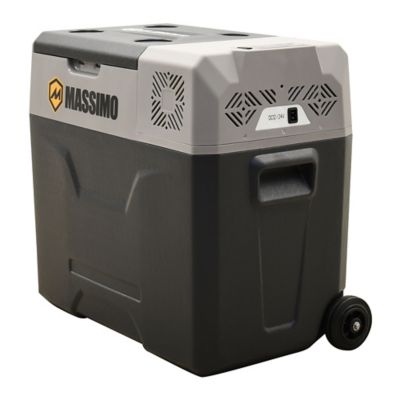
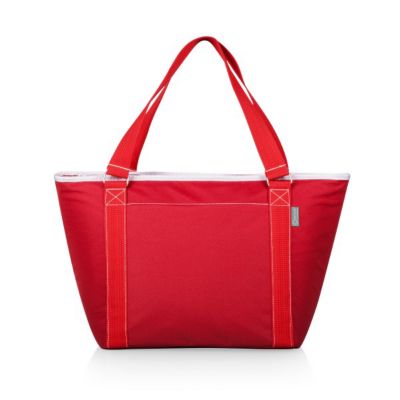
Care requirements are another part of choosing cooling media, especially in places where dust blows through open doors or well water leaves a chalky ring on fixtures. As water evaporates, dissolved minerals remain behind and can collect in the reservoir and on the pads. Over time, scale can interfere with wetting and narrow air passages, while dirt and organic buildup can contribute to odors and poor operation. A pad that looks damp in one corner but stays dry across the middle may signal trouble with water delivery rather than a need for a different material. Pumps, distribution tubes, troughs, and drains all play a part in keeping the media evenly supplied. Routine attention to those components helps keep a replacement pad from inheriting the same problem as the old one. Cleaning methods should follow the equipment and media manufacturer’s directions, since harsh chemicals, stiff scrubbing, or high-pressure water can damage certain pad structures or treatments. Some media permits gentle rinsing, while other types call for replacement instead of extensive cleaning. Crumbling sections, persistent mineral blockage, badly distorted panels, and material that no longer wets evenly are signs worth checking against the maker’s replacement criteria. Before cleaning or changing pads, the cooler should be shut down and disconnected from power as directed by its manual. For seasonal storage, draining the system and letting the media dry according to the manufacturer’s instructions helps limit standing water and prepares the equipment for time out of service. Freeze protection matters wherever temperatures can drop below freezing, including unheated sheds and outbuildings. Cooling the work area is separate from keeping refreshments cold, so a
Drink Cooler serves a different role beside the bench or near a shaded break spot. Evaporative cooling media is intended to support the cooler’s airflow and heat-removal process, not to chill food or beverages. The most practical match combines the specified material and fit with care requirements that suit the setting, whether that means a dusty farm shop, a sheltered repair area, or a properly designed agricultural ventilation system.