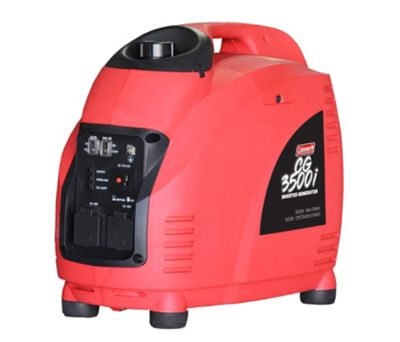
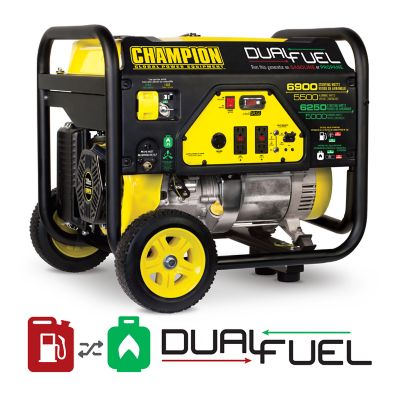
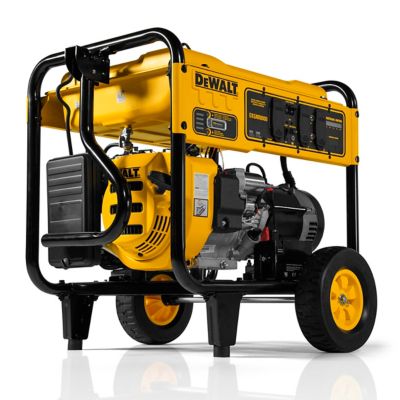
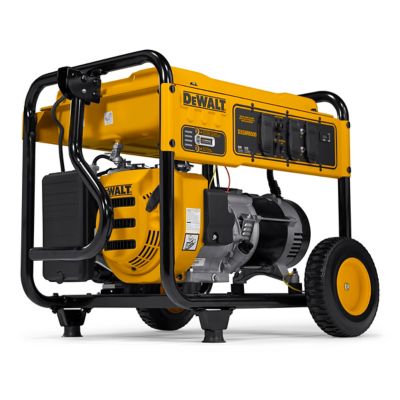
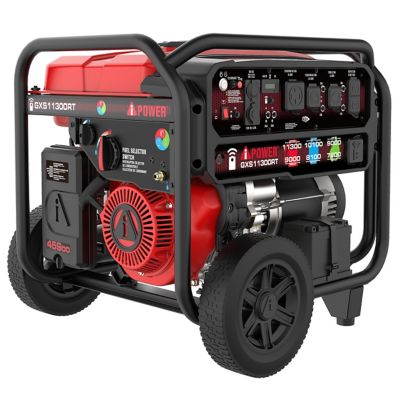
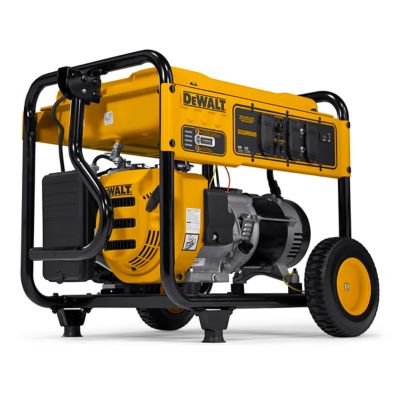
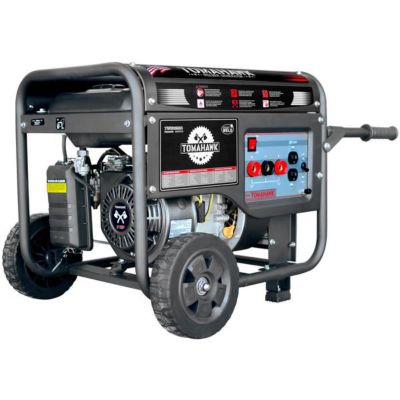
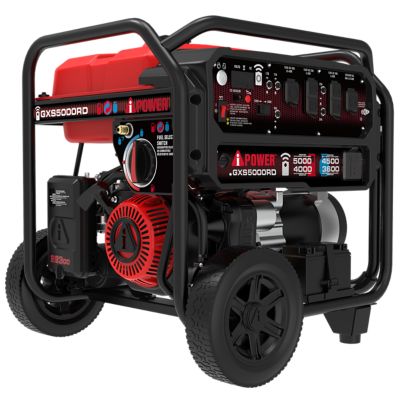
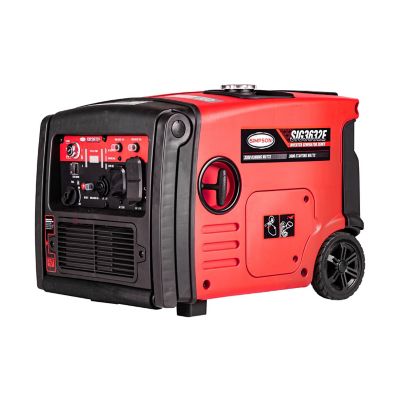
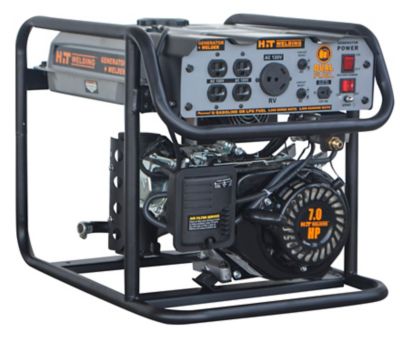
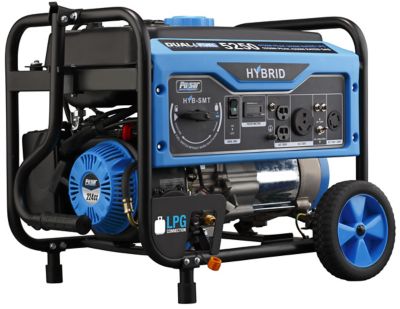
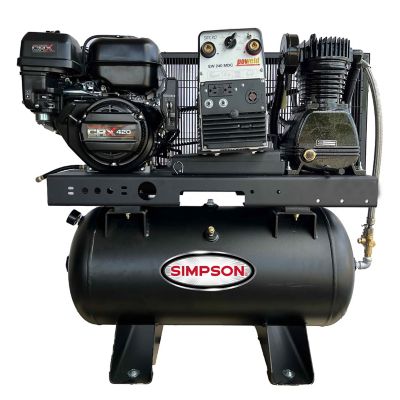
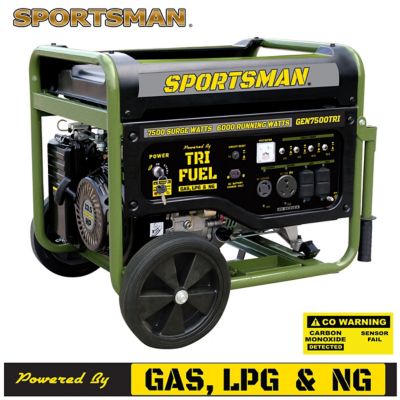
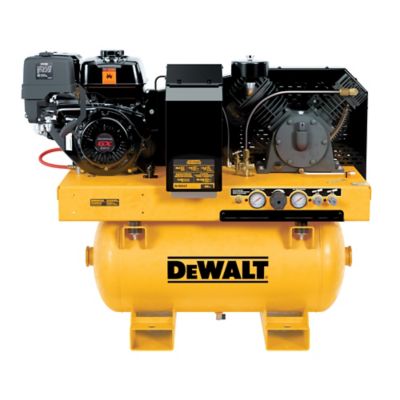
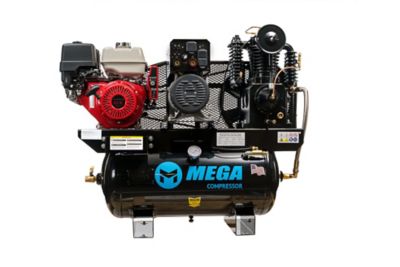
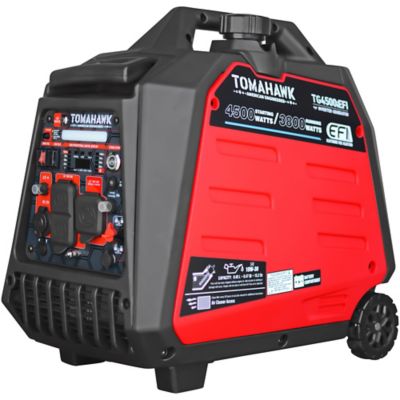
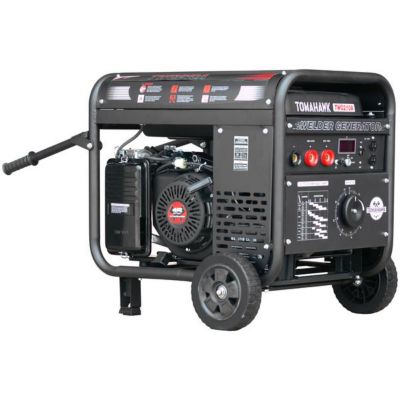
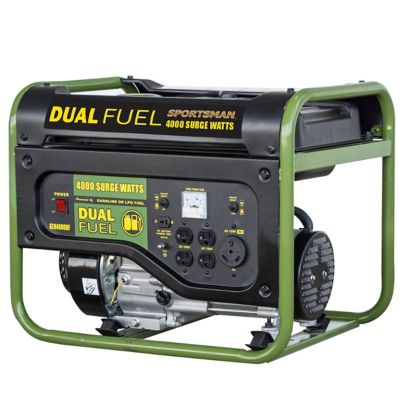
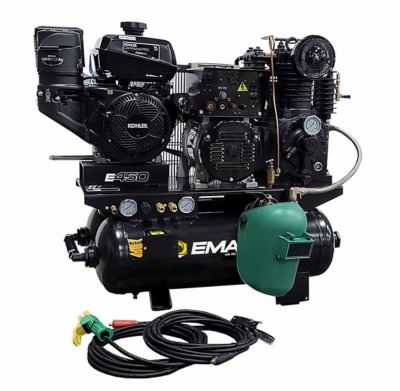
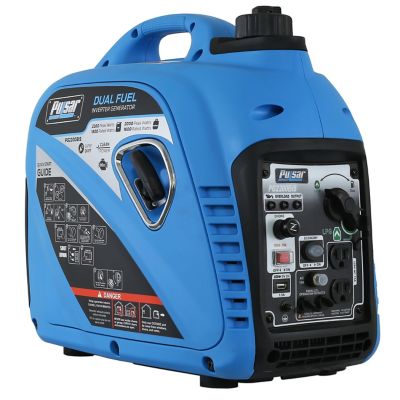
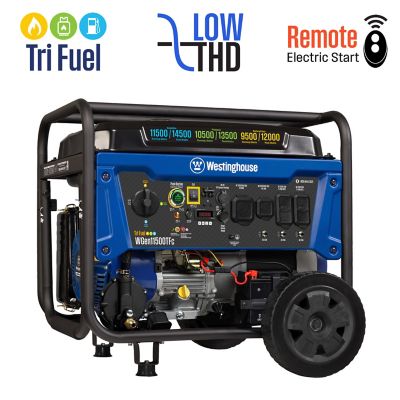
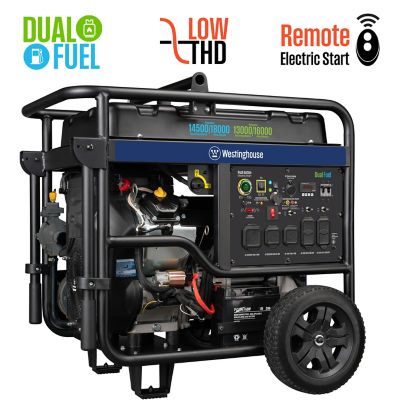
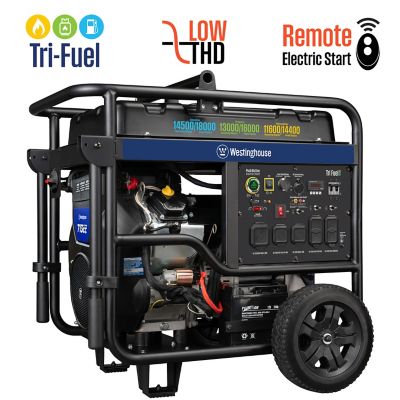
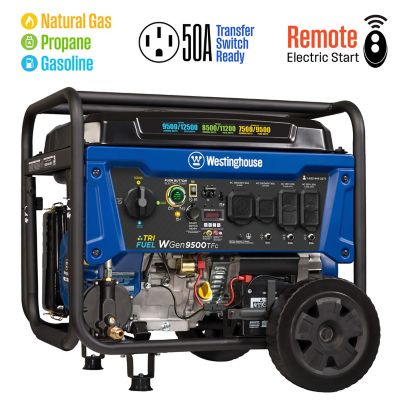
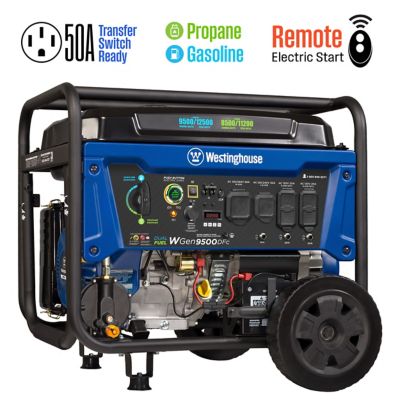
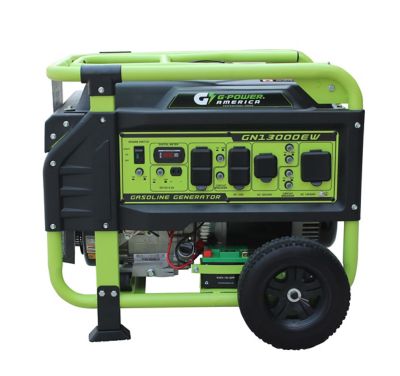
Construction site generators provide dependable temporary power when a job is too far from a utility connection, a new building has not been wired yet, or a storm or outage leaves a work area without electricity. Contractors, remodelers, builders, farmers, landscapers, utility crews, and property owners may use them to run power tools, chargers, lights, air compressors, pumps, vacuums, concrete equipment, and temporary office trailers. A portable generator can be a practical fit for a small crew working from a pickup or utility trailer, while a larger towable generator may be better suited to a busy commercial site with several trades working at once. Smaller units in the 3,000- to 5,000-watt range are commonly used for basic hand tools, cordless tool chargers, fans, and work lights. Midrange units around 6,000 to 10,000 watts can support more demanding setups, such as several saws, an air compressor, or a wet/dry vacuum, though the exact load depends on the equipment and whether motors are starting at the same time. Large generators rated at 15 kilowatts or more may be needed for concrete mixers, scaffold hoists, pumps, extensive site lighting, or a job trailer with multiple electrical loads. Before choosing a generator, make a list of every tool or appliance that may run together, then check each item’s running watts and starting or surge watts. Motors often draw extra power for a few seconds when they start, and that brief demand can trip a breaker or stall an undersized unit. Add the running wattage of the equipment you expect to use at one time, account for startup demands, and leave some extra capacity rather than operating at the limit. This simple step can save a trip back to town, especially when the nearest hardware store is a long drive down a gravel road.
Jobsite conditions call for more than plenty of wattage. Look for construction site generators with sturdy frames, protected controls, weather-resistant covers or panels, and wheels or a wheel kit that can handle packed dirt, gravel, and uneven ground. A roll cage can help shield the engine and fuel tank from bumps during loading and unloading, while lifting points or trailer-ready designs may make larger units easier to place. Flat-free tires are useful around scrap lumber, rebar, and rough terrain, and a compact footprint matters when space is tight in a truck bed or behind a work trailer. Fuel choice also affects how a generator fits into the workday. Gasoline is widely available and often suits smaller portable units used for shorter jobs. Diesel is commonly preferred for larger generators that run for long stretches, where fuel efficiency and endurance matter. Dual-fuel or tri-fuel options can offer added flexibility when a crew has access to gasoline, propane, or natural gas, but every fuel type has its own storage, connection, ventilation, and operating requirements. Compare tank size and expected runtime, not just the wattage rating. A larger tank may reduce refueling stops during a long pour or overnight lighting job, while an efficient smaller unit may be easier to move and store. Noise level can matter in residential neighborhoods, enclosed developments, and rural properties where sound carries across open fields. Electric-start systems can be a welcome convenience on cold mornings or after a long day, while recoil-start models may appeal to shoppers who prefer a straightforward design with fewer electrical components. For crews using sensitive electronics, look for clean, stable power or inverter-style technology when appropriate, and use properly rated extension cords designed for outdoor jobsite use. Cord length, gauge, plug style, and total load all affect performance; a long, undersized cord can cause voltage drop and make tools run poorly.
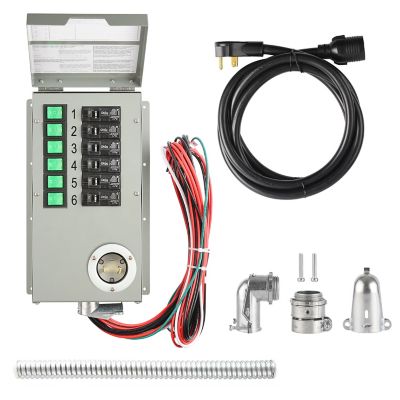
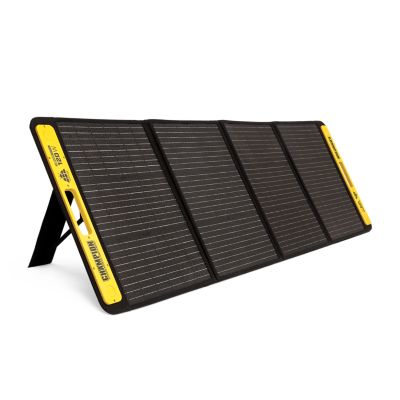
Safety should be part of the buying decision from the start. Operate a fuel-powered generator outdoors in a well-ventilated area, far from doors, windows, vents, and enclosed workspaces, because carbon monoxide is a colorless, odorless gas that can build up quickly. Never use one inside a garage, shed, barn, trailer, basement, or partially enclosed structure, even with doors or windows open. Keep the generator on a stable, dry surface away from standing water, protect it from rain as directed by the manufacturer, and allow the engine and muffler to cool before refueling. Store fuel only in approved containers and follow local rules for transport and storage. Ground-fault circuit interrupter, or GFCI, protection is especially important on construction sites where cords may cross damp soil, concrete, mud, and metal surfaces. Choose equipment with appropriate GFCI-protected outlets and inspect cords, plugs, and covers before each use. Do not overload outlets or connect a generator to building wiring through a homemade connection. If temporary power needs to feed a home, shop, or permanent electrical system, have a qualified electrician install the proper transfer equipment. Keep workers clear of moving parts, hot surfaces, and exhaust, and secure the unit where unauthorized people or children cannot reach it. A generator may also serve as practical backup power for a farm shop, remote cabin, food trailer, or emergency repair kit, making it a thoughtful gift for a contractor, landowner, or handy family member who spends time off the grid. For projects that need quiet, fuel-free operation or power in areas where fuel delivery is difficult, consider
Job Site Solar Generators as another temporary power option. Whether the work involves framing a new barn, repairing a fence line, setting lights around a renovation, or keeping a crew moving during the cooler months, the right generator should match the equipment, terrain, fuel access, runtime, and safety needs of the site.