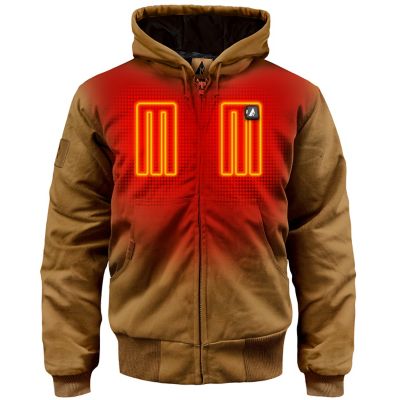
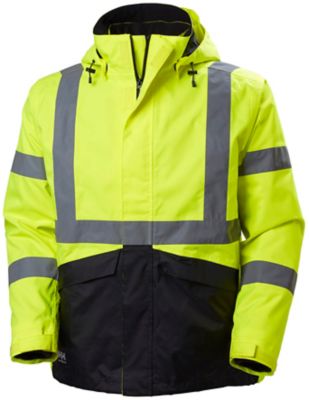
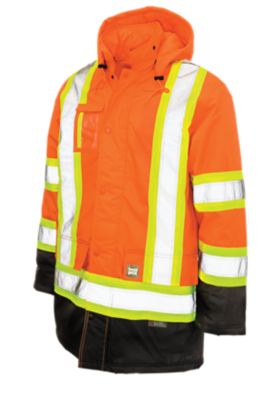
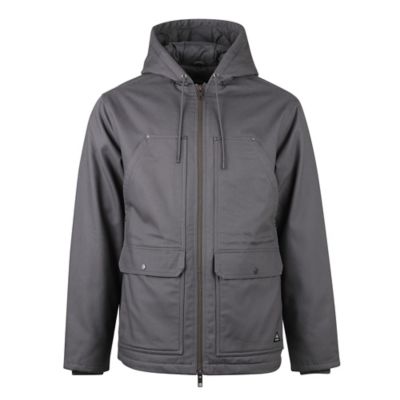
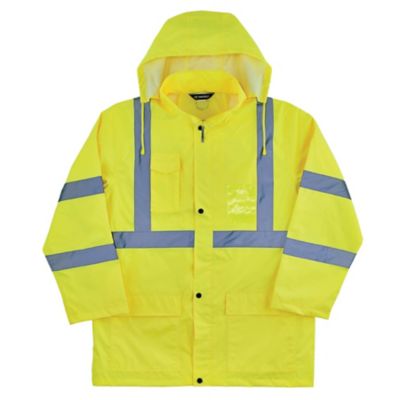
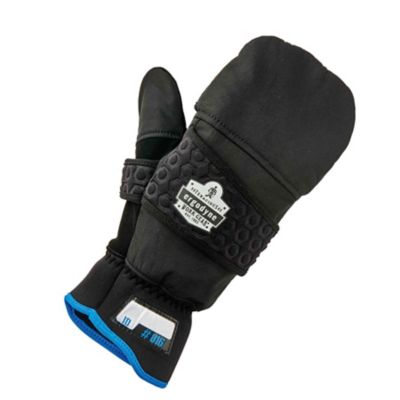
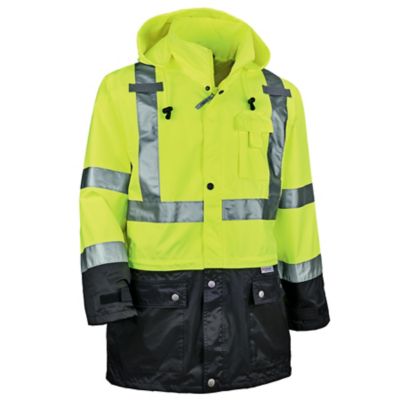
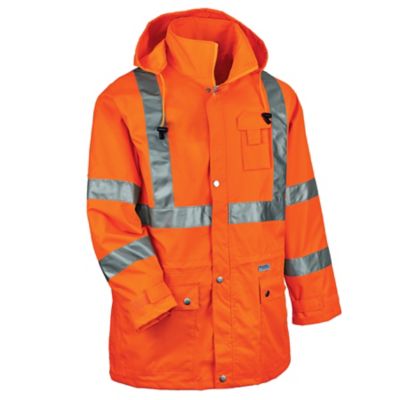
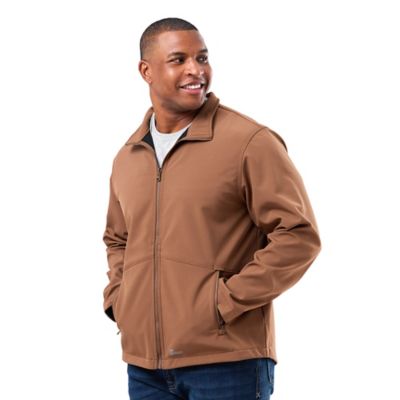
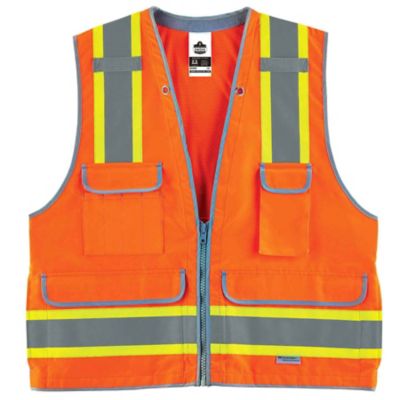
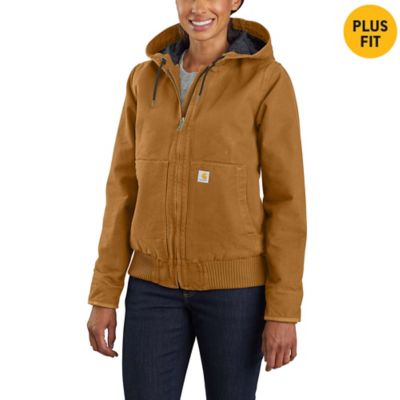
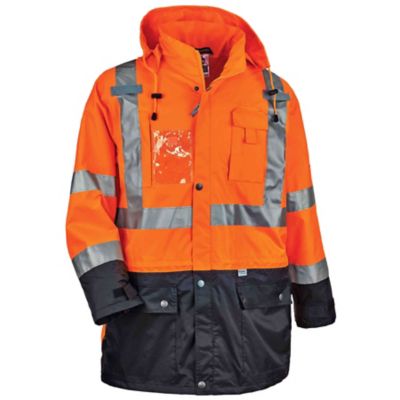
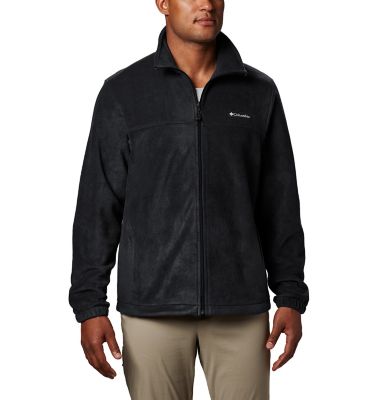
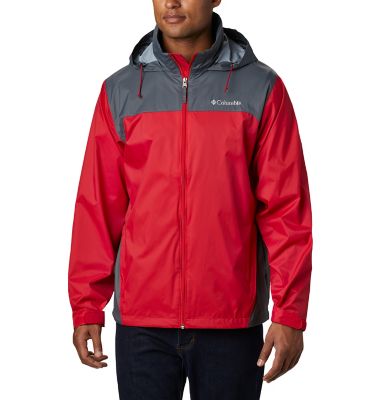
A construction jacket is made for the kind of work that takes place where the wind cuts across an open jobsite, sawdust settles on your sleeves and a quick trip outside can turn into several hours in the elements. It’s a practical layer for contractors, builders, welders, road crews, landscapers, utility workers, farmers and do-it-yourselfers who need dependable coverage without giving up the freedom to bend, reach and climb. Unlike an everyday coat, a work jacket is chosen with the job in mind. Look for sturdy outer materials that can stand up to rough lumber, machinery, fencing and repeated wear, along with reinforced areas at the elbows, cuffs or shoulders when available. A jacket with a little room through the body can make it easier to wear over a sweatshirt or flannel during the cooler months, while articulated sleeves, gussets or a shaped cut can help you move comfortably when lifting materials or working overhead. Pay attention to the fit around the wrists and waist, too. Adjustable cuffs and a secure hem help keep out drafts, dirt and light moisture without leaving you tugging at the jacket all day. For changing weather, a water-resistant shell or hood can be handy when a clear morning gives way to drizzle, while a quilted or insulated lining adds welcome warmth during early starts and long stretches spent outdoors.
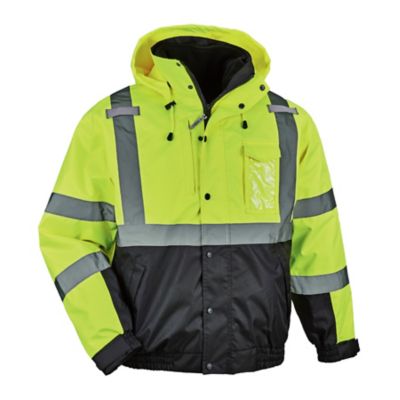
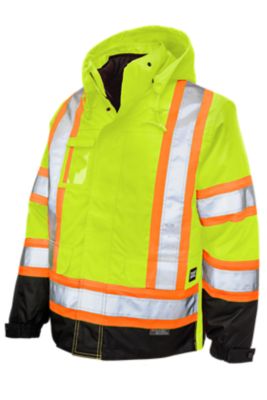
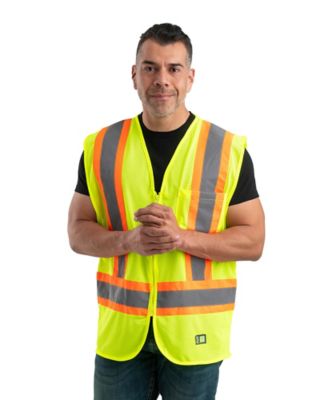
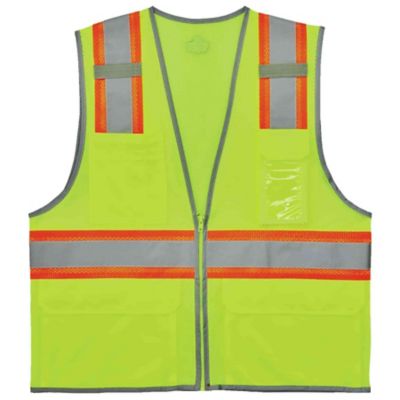
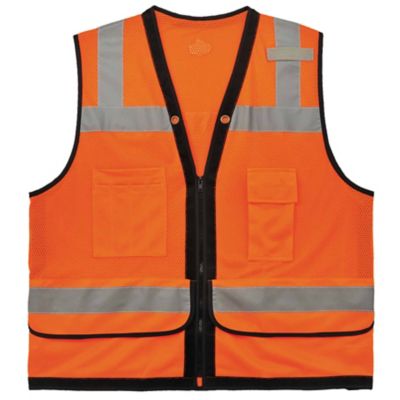
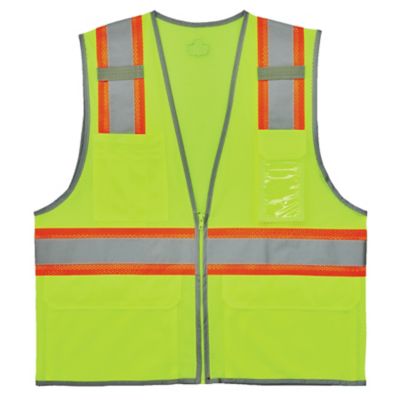
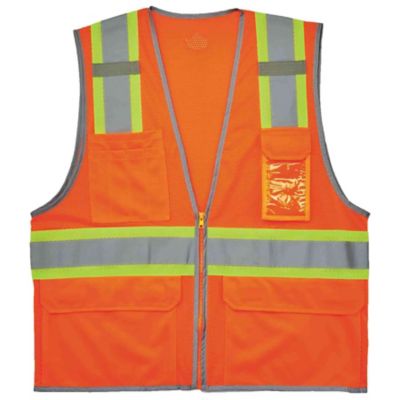
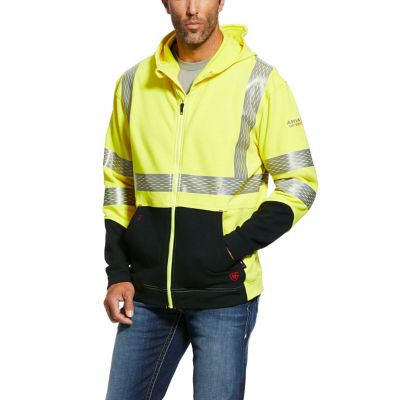
The best construction jacket depends on the conditions, the pace of the work and the layers you prefer underneath. A lighter jacket may be the right choice for active jobs where you generate plenty of heat, especially when moving between an enclosed shop, a truck and an outdoor work area. For colder, windier conditions, insulation can make a noticeable difference, but it should not be so bulky that it catches on equipment or limits your reach. Check the pockets before choosing a jacket. Deep hand pockets give cold fingers a place to warm up, while secure chest or interior pockets can keep a phone, tape measure, keys, gloves or small tools close by. Zippered pockets are useful when you are climbing in and out of a cab or bending over, and durable snaps or zippers are easier to manage with work-worn hands. A high-visibility color or reflective detailing may be helpful around roads, parking areas, dusk-time projects and busy equipment, though visibility needs vary by job and should always be matched to site requirements. If your work involves sparks, open flame, welding or other heat hazards, choose clothing specifically rated for that exposure rather than assuming a standard work jacket offers the same protection. You can learn more about that specialized option with a
Flame Resistant Jacket. For ordinary construction and outdoor chores, also consider how the jacket handles dust, mud and frequent washing. A coat that can be brushed off, machine washed or repaired when a pocket or snap takes a beating is more likely to earn a regular spot by the back door.
Construction jackets are useful well beyond a commercial jobsite. A homeowner may reach for one while repairing a fence, splitting firewood, cleaning up storm debris or tackling a shed project during the cooler months. They are just as handy for farm chores, from checking gates before sunrise to feeding animals when the wind is rolling across the pasture. A roomy work jacket can make a thoughtful gift for a new homeowner, tradesperson, ranch hand, maintenance worker or anyone who spends more time outdoors than they do in an office. If you are buying one for someone else, think about the work they actually do: a person who works around mud and rain may appreciate a weather-resistant shell, while someone who spends long hours in a cold barn or unfinished building may prefer added insulation. Notice whether they usually wear layers, carry tools or need extra visibility, and consider sizing up only when the cut and intended layers call for it. A good jacket should feel comfortable from the first cup of coffee through the last load of materials, with enough room to move but not so much fabric that it snags. During the transition from milder days to colder weather, a versatile jacket can serve as an outer layer over a work shirt, a middle layer beneath a heavier coat or a dependable grab-and-go piece kept in the truck. With the right balance of warmth, toughness, storage and mobility, it becomes part of the daily routine—the jacket pulled on before stepping into the cold, headed out to get the job done.