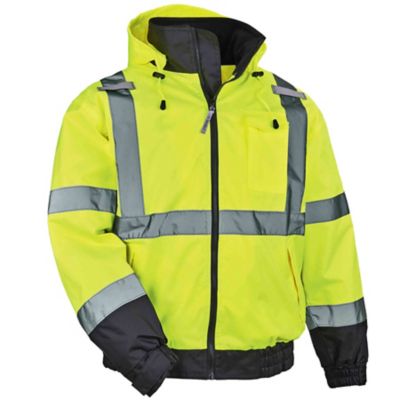
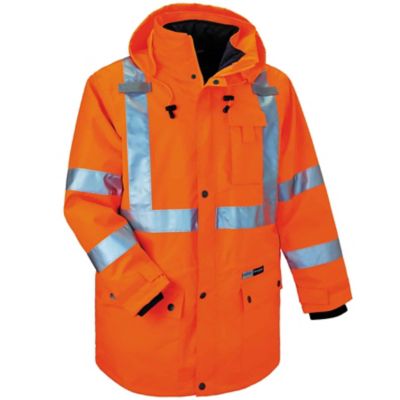
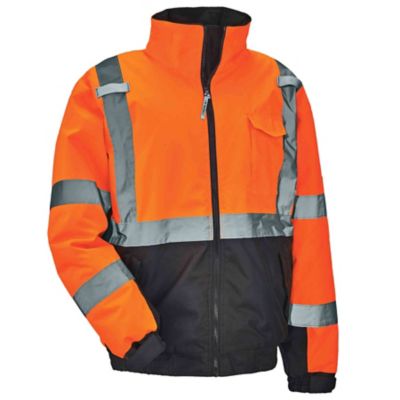
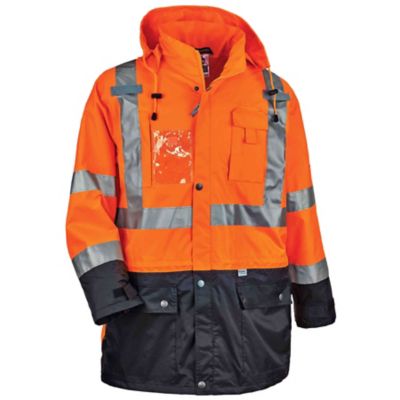
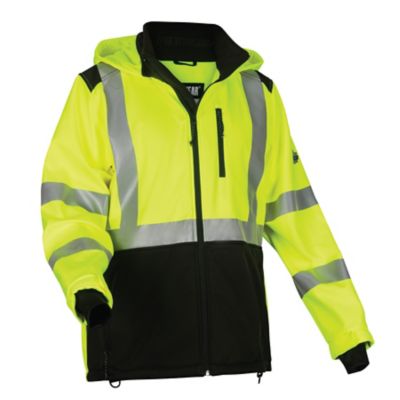
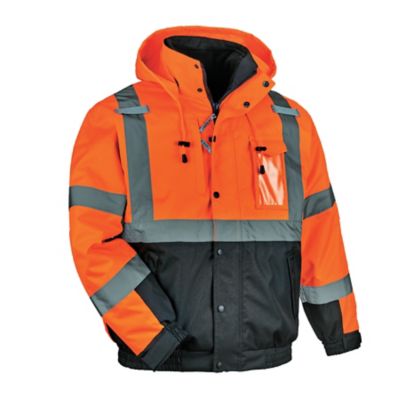
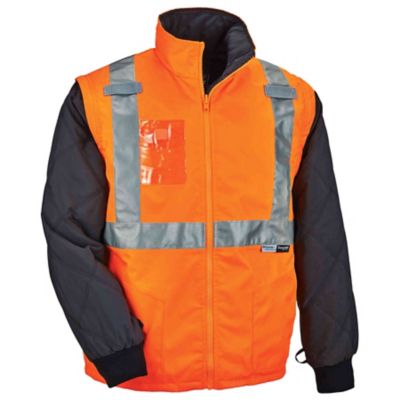
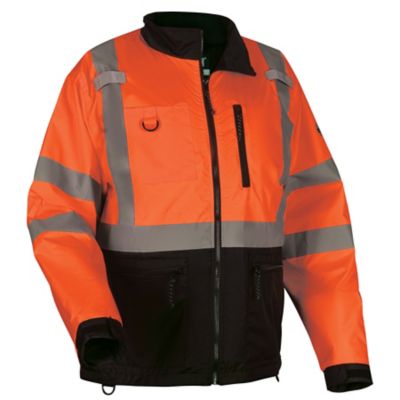
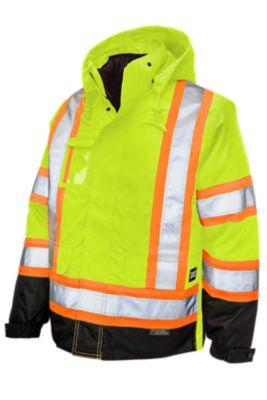
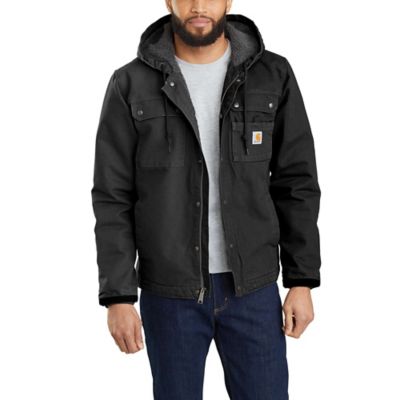
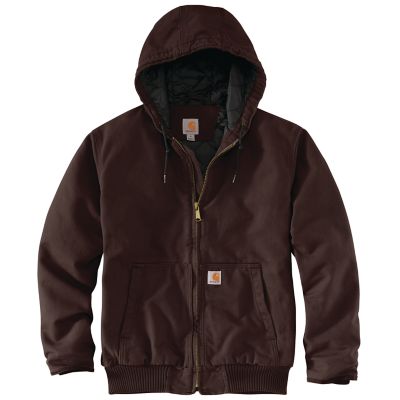
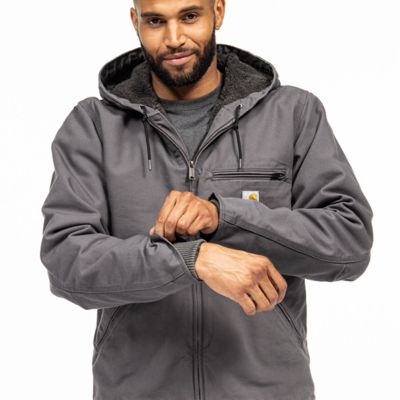
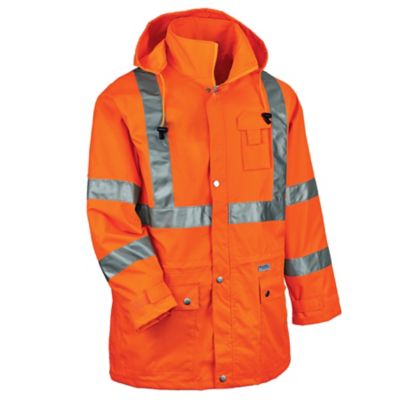
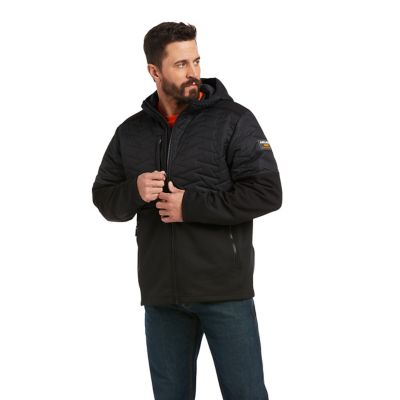
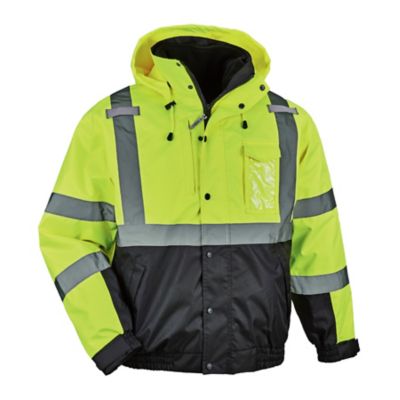
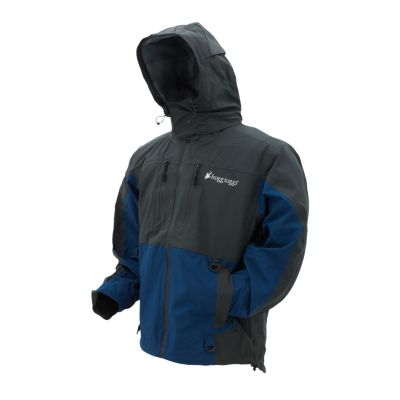
A high vis work jacket helps workers stand out when visibility is low, the work area is busy, or equipment is moving nearby. These jackets are a practical choice for farm crews, road and utility workers, construction teams, warehouse staff, delivery drivers, maintenance personnel and anyone who spends long hours outdoors around vehicles or machinery. Bright fluorescent colors make the wearer easier to spot during daylight, while reflective striping helps catch the beam of headlights, work lights and flashlights during darker conditions. They are useful on the farm when checking fences before sunrise, feeding livestock in the early morning, moving equipment between fields or working along a gravel drive where trucks and tractors pass. They also fit right in on hunting properties, rural job sites, loading areas and roadside projects where being seen is part of getting the job done safely. When choosing a high vis work jacket, start with the way it will be used. A lightweight shell may be a good fit for damp weather, windy days or active work that builds heat, while a lined jacket offers more comfort when the air turns cold. Look for a cut that gives you room to reach, bend, climb and handle tools without pulling across the shoulders. Long sleeves, a coverage-friendly hem and a collar that can be turned up can make a noticeable difference when the wind picks up. Pockets are worth a close look, too. Zippered or snap-secured pockets help keep keys, gloves, a phone and other small essentials from bouncing out while walking over uneven ground. Interior pockets can give fragile items a little extra protection, while larger lower pockets are handy for keeping frequently used gear close by.
Weather and work conditions should guide the rest of your choice. A jacket worn around wet hay, muddy lots or steady drizzle should have a water-resistant outer layer and closures that help keep moisture from finding its way through the front. For exposed fields, open-sided equipment and windy roads, a wind-blocking shell can help hold onto body heat without making the jacket overly bulky. During the cooler months, layering is often the most comfortable approach. A shirt or base layer underneath, a fleece or sweatshirt in the middle and a high vis outer jacket on top can be adjusted as the day changes from a chilly start to a warmer afternoon. If you regularly work inside and outside, consider a design that is easy to open or remove without disturbing the layers underneath. Some workers prefer a lighter jacket that leaves room for a thick hoodie, while others need built-in warmth for long stretches spent standing still. If colder conditions are part of the job, compare these options with a
Thermal Work Jacket for added insulation. Visibility details matter just as much as color. Reflective bands placed around the torso and sleeves can help show the shape and movement of the wearer from different angles. A jacket should remain noticeable even when it is partly covered by a tool belt, safety vest or winter layers, so pay attention to coverage and fit. Bright material can lose some of its punch after heavy wear, dirt and repeated washing, which makes care instructions important. Following the recommended wash method, closing fasteners before laundering and keeping the jacket free of grease and heavy mud can help preserve its appearance and function.
A high vis work jacket can also make a useful gift for someone who works with their hands and spends part of the day outside. It is a thoughtful choice for a new farm employee, a family member who helps with roadside repairs, a neighbor who runs a small livestock operation or a tradesperson who needs dependable outerwear for changing conditions. The best gift is one that matches the person’s routine, so consider whether they work mostly in fields, along roads, near heavy equipment, in a yard or inside a large building with loading traffic. Sizing should allow comfortable movement and enough room for the layers they normally wear. If you are buying for someone who works before daylight or after sunset, reflective coverage and a secure fit may be especially important. For someone moving between chores, a lighter style with easy-access pockets may get more use than a heavily insulated option. Look for sturdy stitching, dependable closures and fabric that can handle contact with rough boards, wire fencing, brush and equipment corners. A jacket that is comfortable enough to wear for a full shift is more likely to become part of the regular work rotation. Keep it where it is easy to grab, such as near the mudroom, shop entrance, truck seat or coat hook by the back door. Whether it is worn over a work shirt during a crisp morning fence check or layered over warmer clothing while tending animals in the cold, a high vis work jacket adds a useful layer of visibility, protection and everyday comfort to outdoor work.