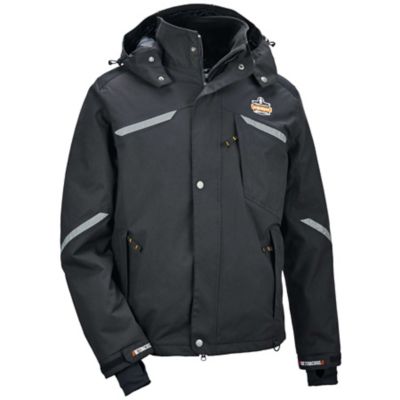
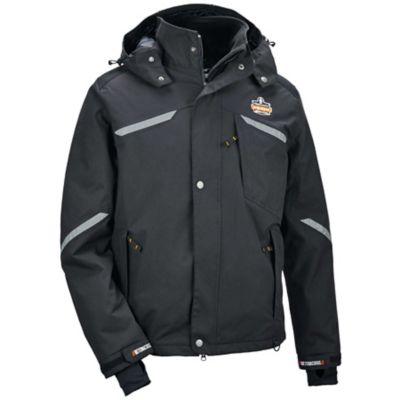
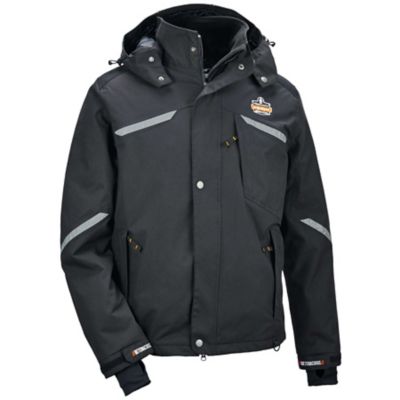
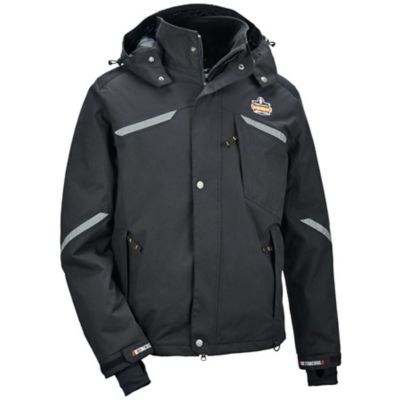
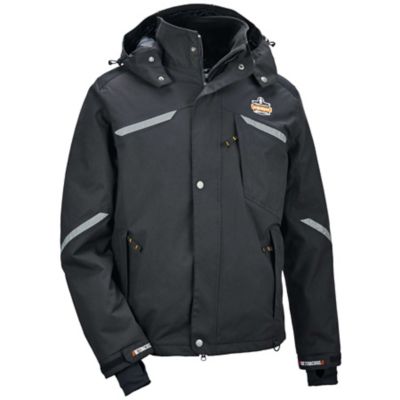
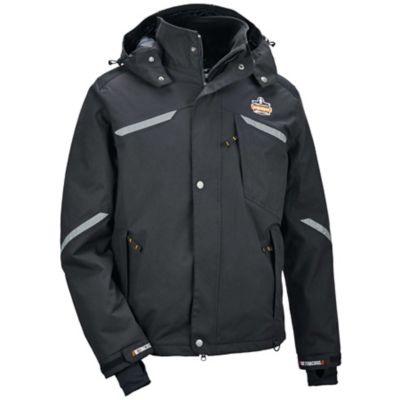
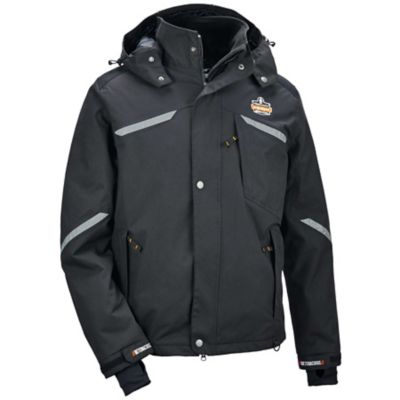
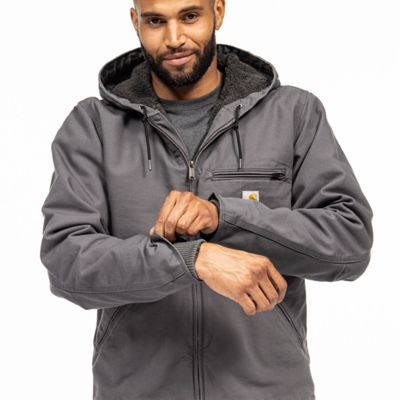
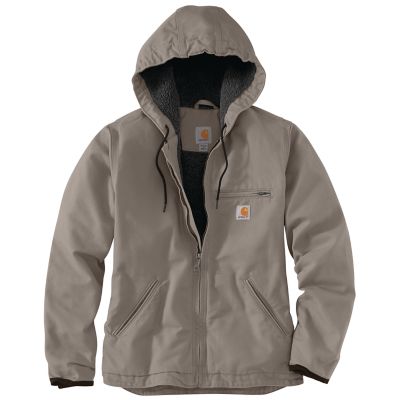
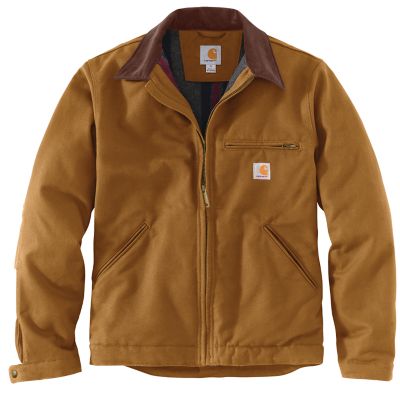
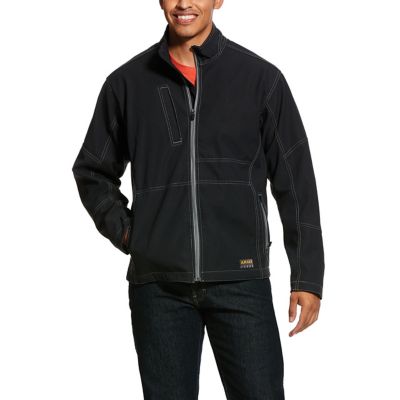
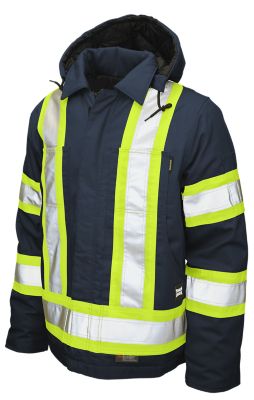
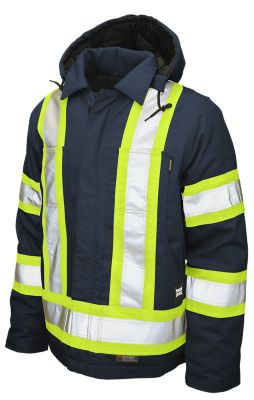
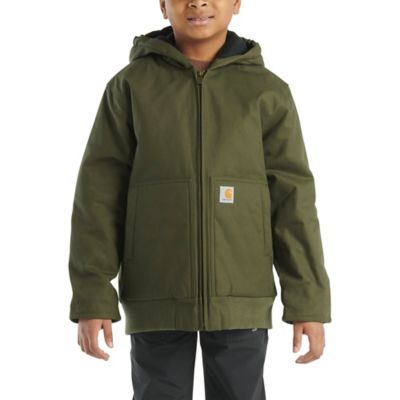
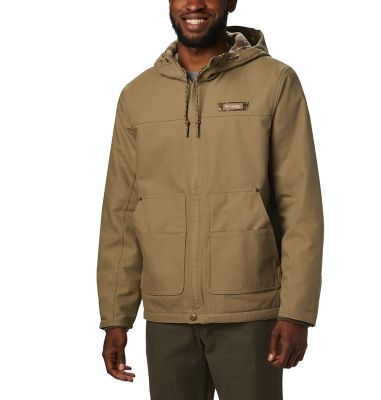
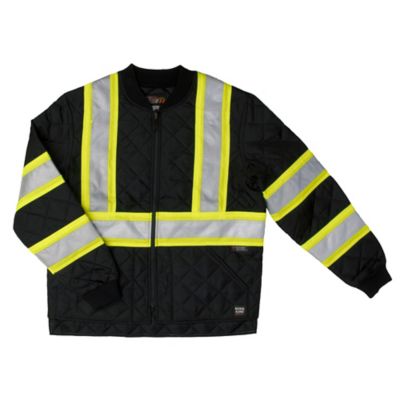
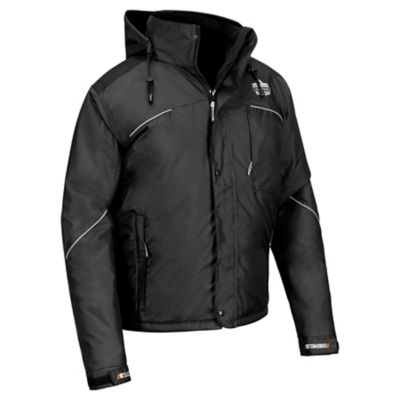
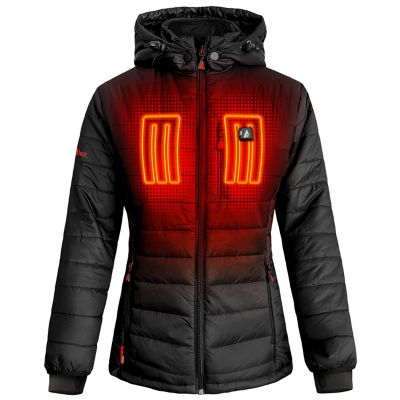
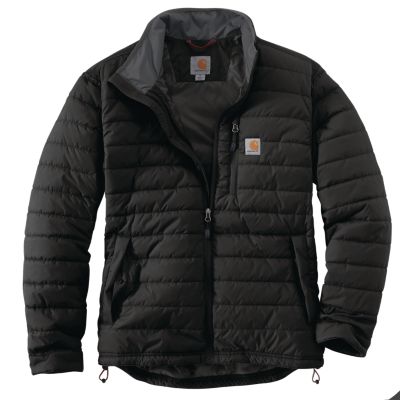
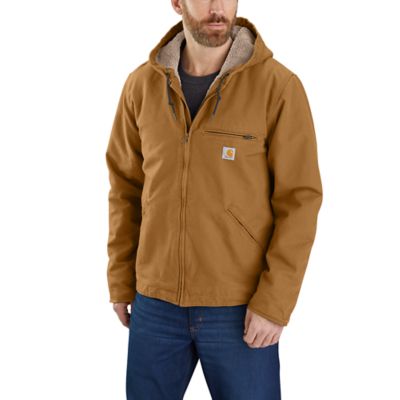
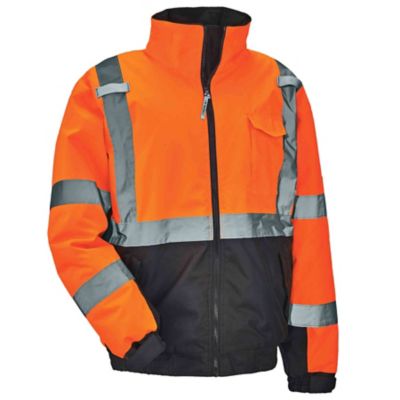
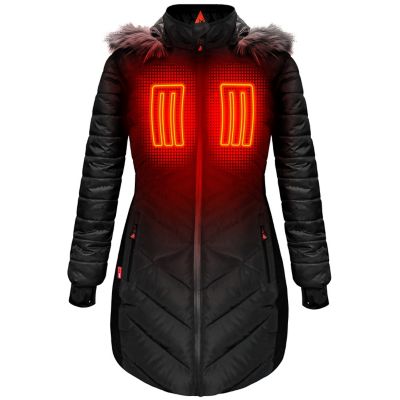
A thermal work jacket helps hold body heat close while you handle chores, repairs and outdoor jobs in cool or cold conditions. Its warmth usually comes from a fleece lining, synthetic insulation or a combination of insulating layers, while the outer shell takes the brunt of wind, dirt and everyday wear. That combination matters when the day starts with breaking ice out of a water trough and carries on through hauling feed, checking fence lines or working beside an open shop door. Different constructions suit different kinds of work. Cotton duck and canvas shells offer a substantial feel and stand up well to rubbing against rough lumber, tool handles and barn surfaces. Polyester and nylon shells often feel lighter and may include finishes or membranes that help shed moisture or cut the wind. Fleece-lined work jackets provide soft warmth for brisk conditions, while insulated jackets with quilted linings can offer more coverage for longer stretches in the cold. Smooth sleeve linings also make it easier to pull a jacket over a flannel shirt or sweatshirt without bunching the sleeves. Some jackets list synthetic insulation by weight in grams per square meter; a higher number generally means more insulation within a comparable construction, not a guaranteed temperature rating. Shell fabric, lining, wind exposure, activity level and the layers underneath all affect how warm a jacket feels. A person stacking split wood generates far more heat than someone standing at a gate waiting for a livestock trailer, so the warmest coat is not always the best match for every task. Thermal work jackets make sense for farmers, ranch hands, construction crews, delivery workers and anyone whose work keeps moving between a sheltered building and the open air. They can also be a practical gift for someone who spends the cooler months tending animals, maintaining acreage or keeping equipment running, especially when their usual size, layering habits and work conditions are known.
Fit is where a cold-weather work jacket earns its place in the daily routine. Enough room through the shoulders and upper back allows for reaching into a truck bed, lifting a feed sack or setting a fence post, while a closer fit at the cuffs and hem helps keep drafts from working their way inside. A jacket should close comfortably over the layers normally worn underneath without pulling across the chest or leaving the sleeves tight at the elbows. Extra space is helpful for layering, but loose fabric can catch on tools or equipment, so an oversized fit is not a substitute for freedom of movement. Features such as articulated elbows, gusseted underarms and pleated backs can make bending and reaching easier without requiring a larger size. Length changes how a jacket feels on the job, too. A shorter cut may sit more comfortably when climbing into a cab or wearing a tool belt, while a longer back hem helps cover the waist during bending and lifting. Pockets deserve the same attention as insulation. Handwarmer pockets offer a place to warm fingers during a pause, secure chest pockets keep small essentials close, and inside pockets help shelter belongings from grime. Pocket placement matters when a safety harness or belt covers part of the jacket. Zipper pulls that are easy to grip with gloves, sturdy closures and cuffs that adjust around work gloves can save plenty of fumbling on a cold morning. A hood adds coverage around the head and neck, though its shape needs to preserve side vision and work with any required head protection. For tasks that put pocket layout and everyday movement first, a
Utility Work Jacket offers another workwear category to consider, with lining and weather protection worth checking for cold-weather wear. Across either style, the best fit supports the actual motions of the job rather than just feeling comfortable while standing still.
Weather protection, long-term wear and care round out what a thermal work jacket brings to the job. A water-resistant shell can help with a brief sprinkle or light snow, but it is not the same as waterproof construction. For longer exposure to rain or wet snow, waterproof fabric, sealed seams and protected closures matter because moisture can enter through stitching and openings as well as through the shell itself. Wind resistance is a separate consideration: a thick lining may feel warm in a sheltered barn yet lose some of its benefit when air pushes through the outer fabric in an open pasture. Storm flaps, snug inner cuffs and an adjustable hem help limit those cold drafts. Breathability matters during harder work, since trapped sweat can leave layers damp when the pace slows down. Opening the front during a strenuous stretch or adjusting the layers underneath can help manage warmth without soaking a shirt. For wear resistance, reinforced elbows, secure pocket stitching and substantial zipper construction are useful details in places that see repeated strain. Even a tough everyday work jacket has limits, however. Ordinary thermal insulation does not establish flame resistance, and bright fabric or reflective trim alone does not establish compliance with a high-visibility safety standard. Jobs around traffic, electrical hazards or other regulated exposures call for clothing labeled to meet the applicable workplace requirements. Care should follow the garment label, especially when a jacket combines insulation with a weather-resistant finish. Many synthetic-filled jackets permit machine washing, but wash temperature, detergent restrictions and drying methods vary. Fabric softener can interfere with the performance of some technical fabrics, and excessive heat may harm coatings or insulation. Brushing off dry dirt, treating stains as directed and checking cuffs, seams and closures can help keep a jacket ready for the next round of chores. Letting it dry fully before storage also helps prevent musty odors. With suitable warmth, room to move and protection matched to the work, a thermal jacket becomes a useful layer for cold starts, exposed jobsites and those last outdoor tasks before heading inside.