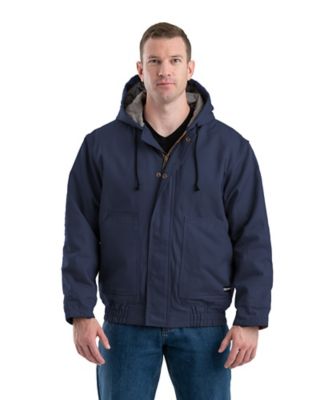
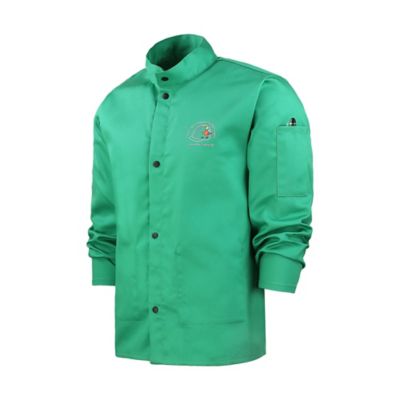
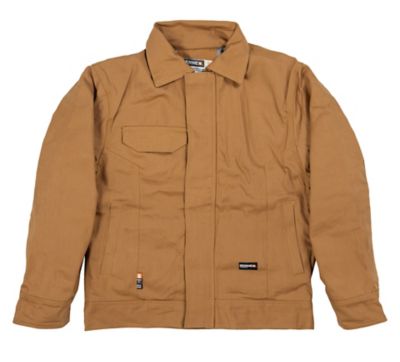
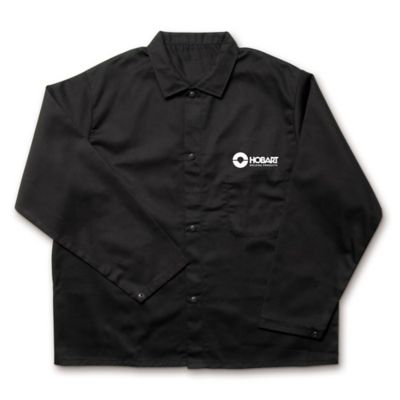
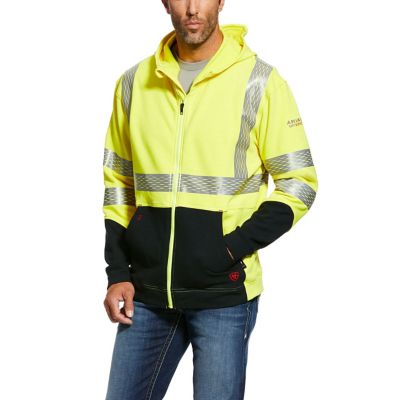
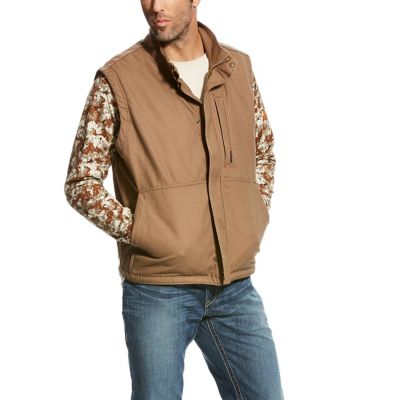
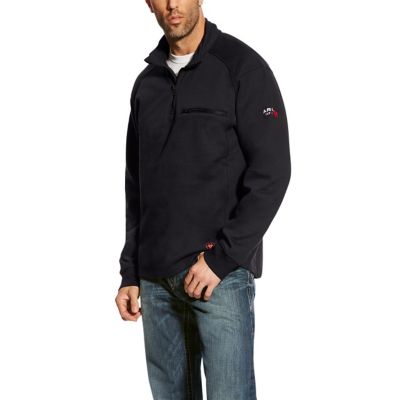
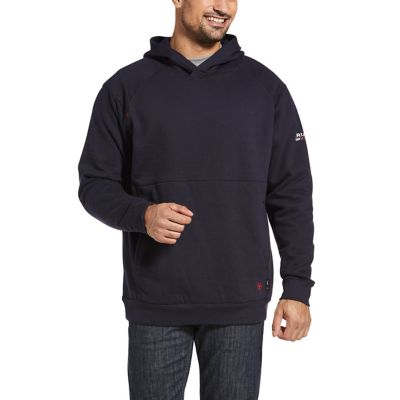
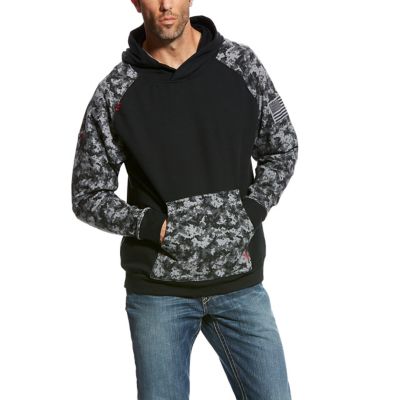
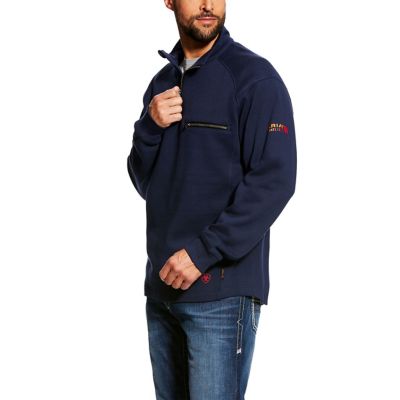
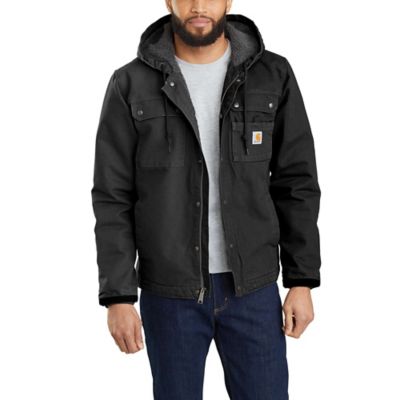
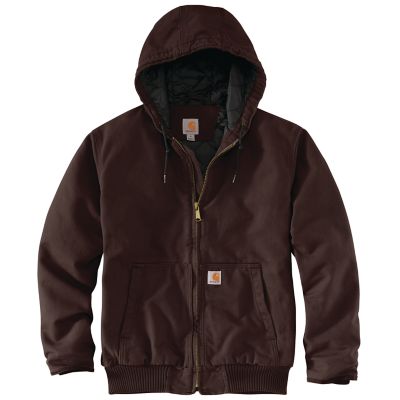
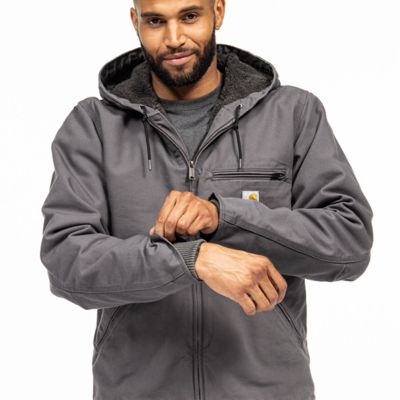
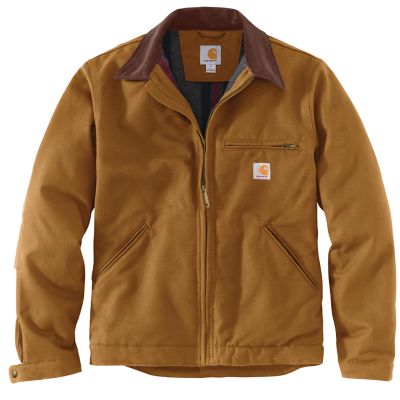
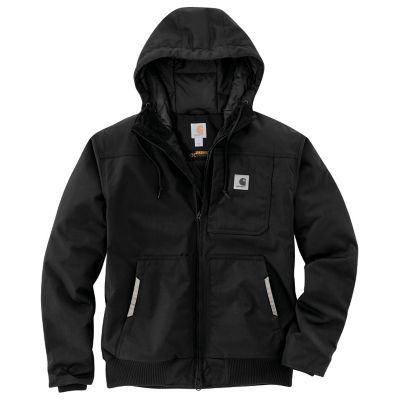
A flame resistant jacket is a workwear layer designed to resist ignition and limit continued burning after a brief thermal exposure. Often called an FR jacket, it serves a different purpose from an ordinary work coat: its protective fabric helps reduce burn injury when the garment is properly selected, worn and maintained. FR clothing is not fireproof, and no jacket makes direct contact with flames safe. The right protection depends on the hazard, whether that involves a potential flash fire around flammable materials or an electrical arc flash during certain electrical tasks. Electricians, utility crews, oil and gas workers, and some industrial maintenance teams may need FR outerwear as part of an employer’s protective clothing program. Around a farm or ranch, the need comes from the task and its assessed hazards, not simply from working near machinery or stepping into a shop. A jacket suitable for one exposure does not automatically cover another, so the garment label matters more than a tough-looking shell. NFPA 2112 addresses flame resistant clothing for protection against short-duration thermal exposures from fire, commonly described as flash fire. For electrical work, ASTM F1506 establishes performance requirements for flame resistant and arc-rated protective clothing, while NFPA 70E addresses workplace electrical safety practices, including selecting protective equipment. NFPA 70E is not a jacket certification. Arc-rated clothing carries an arc rating expressed in calories per square centimeter, or cal/cm², which must suit the exposure identified through the workplace assessment and applicable selection method. All arc-rated clothing is flame resistant, but not all flame resistant clothing is arc-rated. These distinctions help separate everyday FR workwear from garments intended for a particular electrical hazard. Welding can call for additional protection against sparks, spatter and other exposures; an FR jacket alone is not a substitute for task-specific welding apparel. The jacket’s documented protection and your workplace requirements should agree before pocket layout, color or styling enters the picture.
Fabric and construction shape how a flame resistant work jacket feels through a full shift. Materials may include treated cotton, cotton-rich blends or fibers with inherent flame resistant properties. Treated fabrics receive their FR properties through a manufacturing process, while inherently flame resistant fibers have those properties as part of their fiber structure. Either approach can meet a stated protective requirement when the finished garment is appropriately tested and maintained. Fabric weight, weave and lining affect flexibility, breathability and the feel of the jacket across the shoulders and arms. A firm canvas shell may appeal to someone whose work involves frequent contact with rough surfaces, while a more flexible fabric can make reaching, bending and climbing less restrictive. Neither thickness nor stiffness proves a level of flame or arc protection. Reinforced seams, secure pocket attachments and substantial closures can support wear resistance, but any damaged protective garment needs attention regardless of how sturdy it feels. Fit deserves just as much thought as fabric. A flame resistant jacket should allow room for required layers without hanging so loosely that it catches on equipment. Reaching toward a disconnect, bending beside a pump or climbing into a service truck should not pull the sleeves away from the wrists or leave the waist exposed. Sleeve length, shoulder room and coverage at the back matter during movement, not just while standing still. Shorter work-jacket cuts and longer coat silhouettes provide different coverage, and the better match depends on the job and the rest of the protective outfit. Adjustable cuffs and closures can help maintain coverage when fastened as directed. Chest and hand pockets offer places for permitted small essentials, although overloaded pockets can pull the garment out of position. Collar shape, zipper operation and access with work gloves also affect everyday function. When other protective equipment is required, the jacket needs to work with it without interfering with the fit or operation of a harness, gloves or head protection.
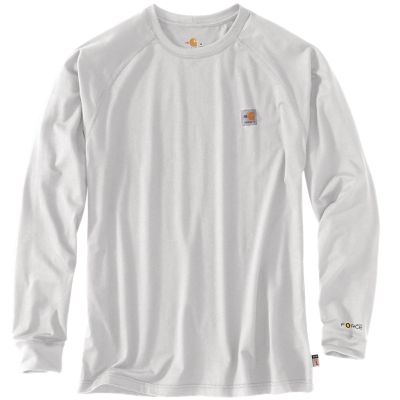
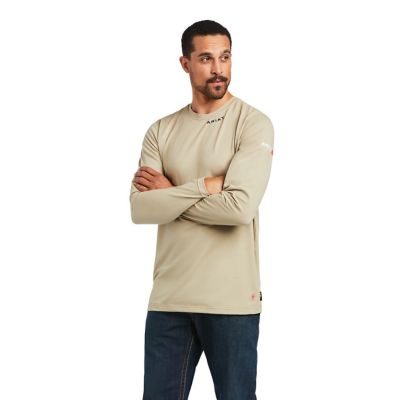
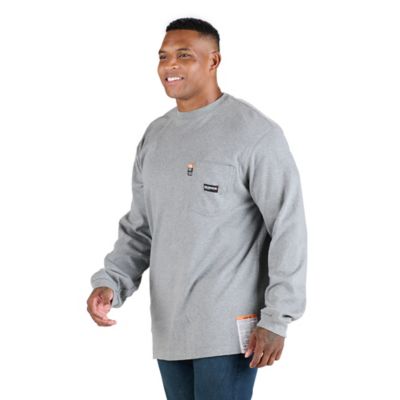
Layering and care help keep a flame resistant jacket ready for its intended job. The clothing beneath it matters because an FR outer layer does not make every shirt or base layer suitable for a thermal hazard. Ordinary meltable synthetic fabrics can create additional injury risks, and underlayers should follow the employer’s protective clothing requirements. Where the work calls for another protective layer,
Flame Resistant Long Sleeve Shirts can be part of a coordinated work outfit, provided each garment and the complete combination suit the task. Arc ratings for separate garments cannot simply be added together; a layered system needs supporting test data for a system rating. The jacket should be worn with its required closures fastened, rather than left open over a shirt during hazardous work. Care starts with the sewn-in label, since wash procedures can differ among fabrics and garment constructions. Some jackets allow home laundering, while others call for an industrial process or specific handling. Detergent choice, wash settings and drying instructions all deserve attention. Bleach, fabric softeners and starch may be prohibited, so there is no single laundry routine that fits every FR garment. Oil, grease and other combustible contamination can undermine protection; a jacket with these residues should be taken out of service until it has been cleaned according to the manufacturer’s directions and workplace procedures. Tears, worn spots, failed closures and damaged seams also need evaluation before the next hazardous task. Repairs require approved materials and methods, not an ordinary patch or a quick alteration that changes the garment’s protective construction. Regular inspection is especially important at cuffs, elbows, pocket edges and other places that see repeated friction. Replacement depends on garment condition, care history and manufacturer guidance rather than appearance alone. For someone buying work clothing as a gift, confirmed sizing and the recipient’s required safety specifications matter much more than guessing at a style. A well-matched FR jacket brings documented protection, workable coverage and practical features together, helping the wearer move through demanding tasks without treating safety clothing as an afterthought.