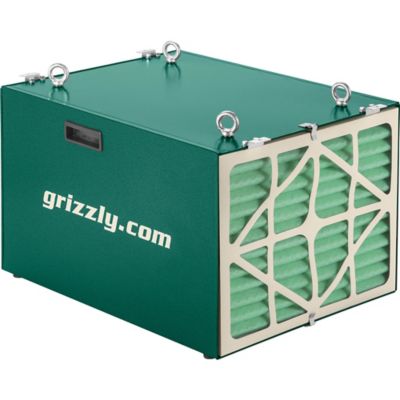
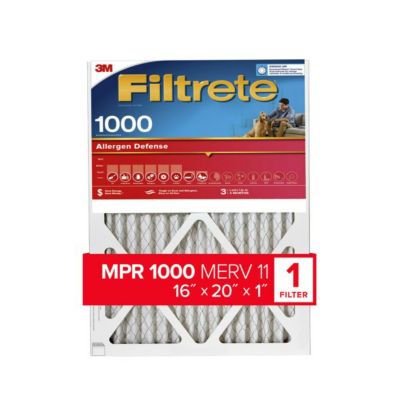
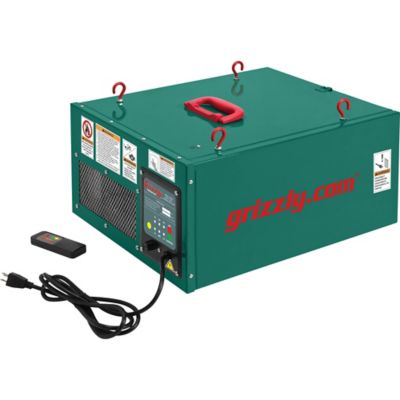
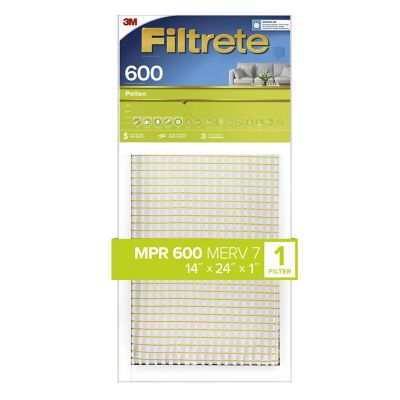
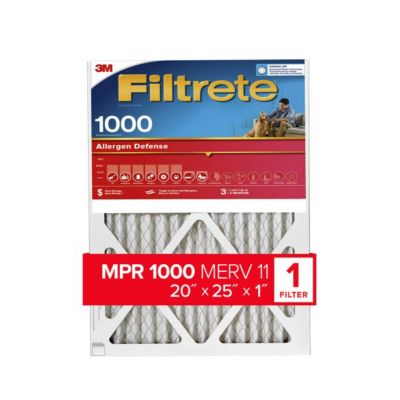
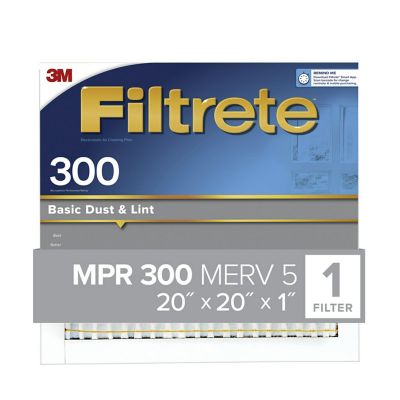
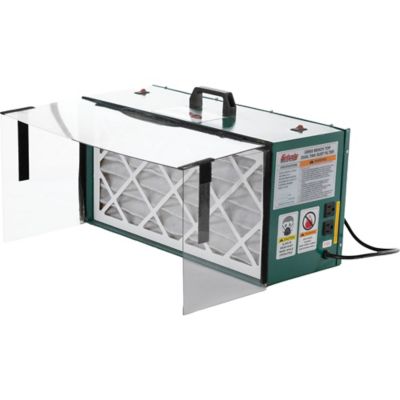
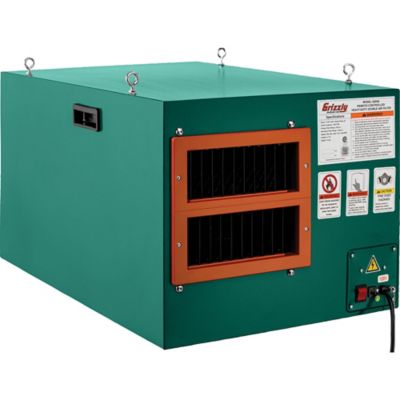
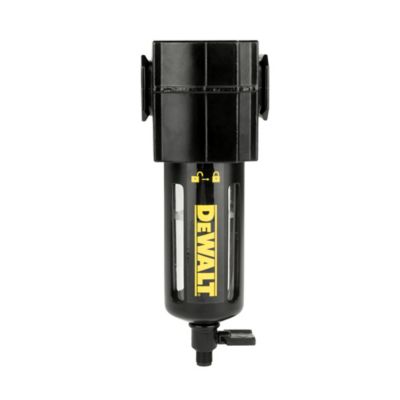
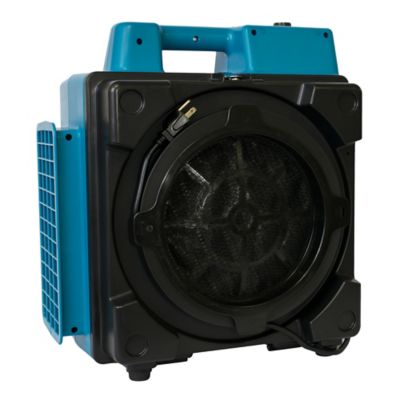
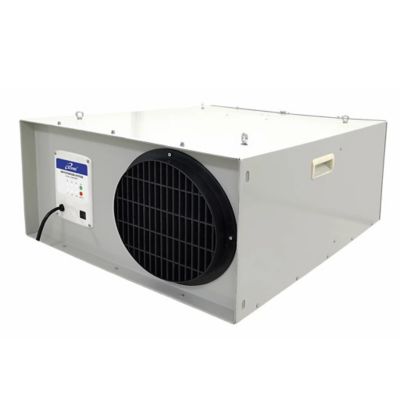
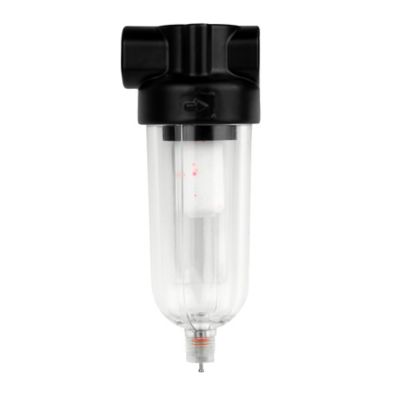
Construction air filters help capture airborne dust from building, remodeling and repair work, keeping that debris from circulating through the work area or loading up equipment meant to move air. Sawing lumber, sanding joint compound and breaking into masonry each create different dust challenges, so filtration needs depend on both the material and the job. A crew finishing drywall inside a farmhouse has different demands than a contractor cutting concrete in an enclosed work area. Filters for portable air scrubbers, dust extractors and building air systems serve different roles and are not interchangeable just because they look alike. In a compatible air scrubber, a prefilter catches larger particles before they reach the finer filter behind it. That first layer can collect lint, sawdust and other coarse debris, helping slow the buildup on the main filter. A true HEPA filter is rated to capture at least 99.97 percent of particles measuring 0.3 microns under its specified test conditions, but that rating does not describe the performance of an entire machine. Housing seals, filter seating, airflow and maintenance all affect how well the complete setup controls airborne particles. For work that can release respirable crystalline silica, such as cutting or grinding concrete and mortar, an air scrubber is supplemental equipment, not a replacement for required dust controls, exposure assessment or respiratory protection. Tool-connected extraction and appropriate wet methods address dust closer to where it starts. Particle filters also do not take the place of ventilation or filters specifically designed for gases and vapors from coatings, adhesives or solvents. The right filtration setup supports the work taking place without giving the crew a false sense that visible dust is the only concern. Fine particles can remain suspended after the bigger debris settles, which is why filter type and the way air moves through the work area matter well beyond the pile swept off the floor.
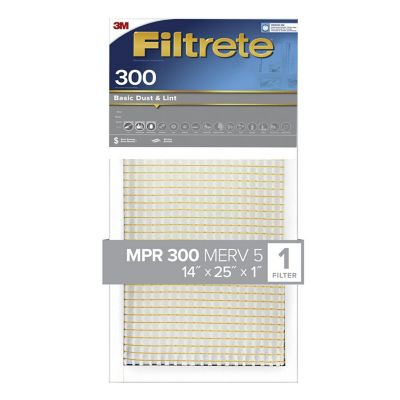
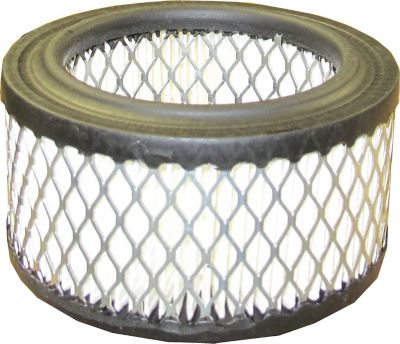
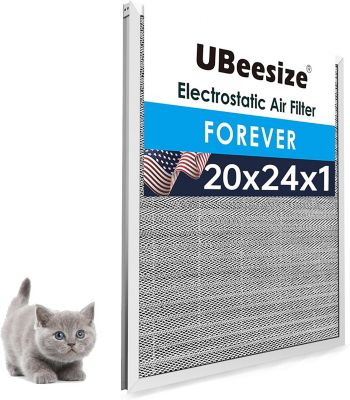
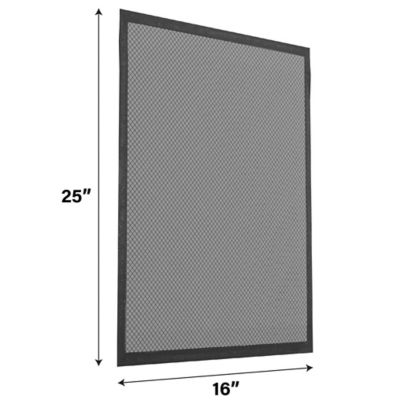
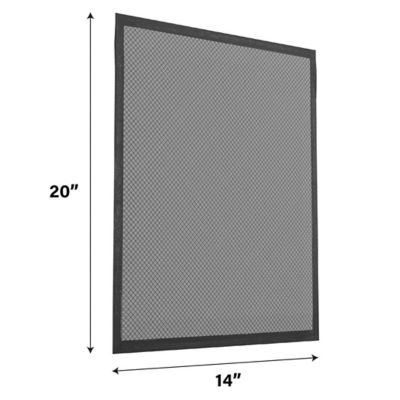
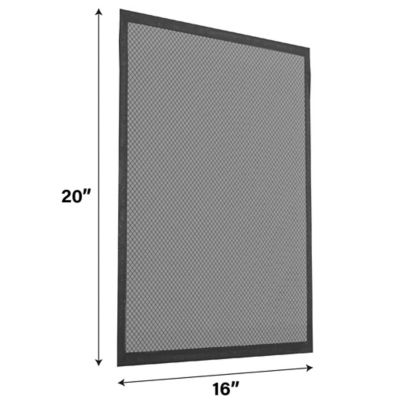
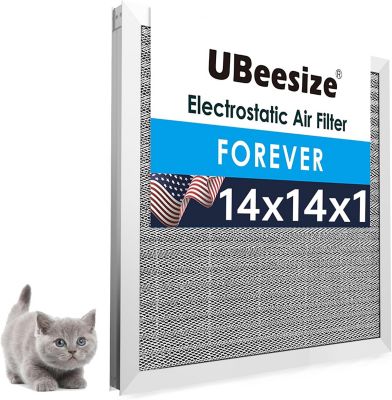
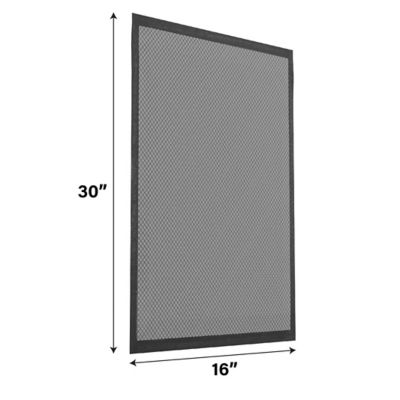
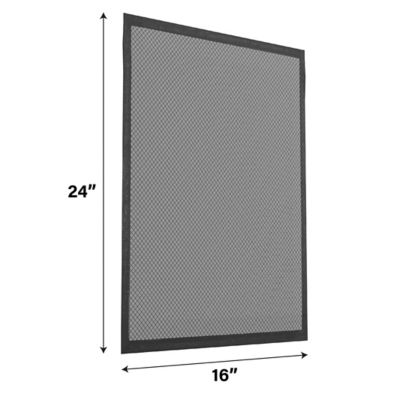
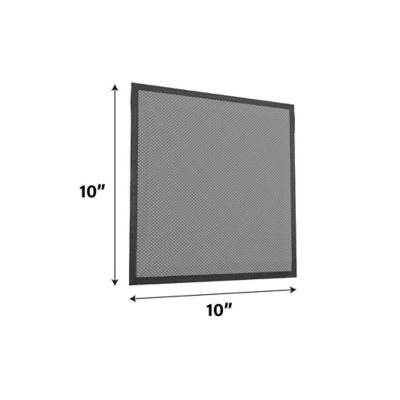
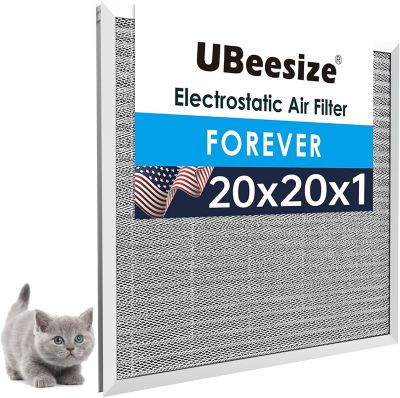
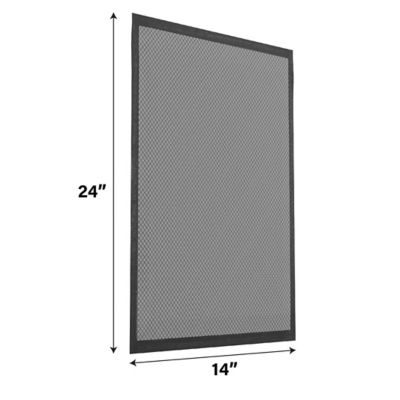
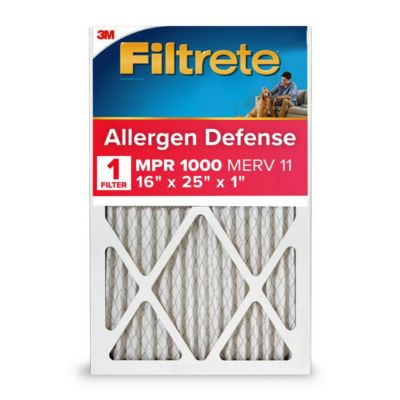
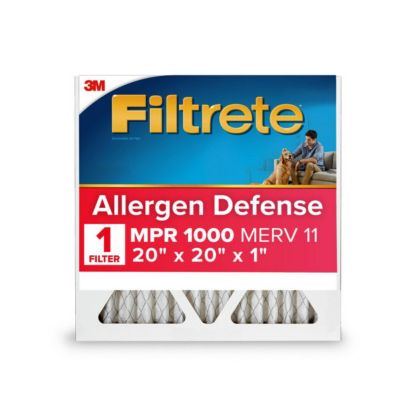
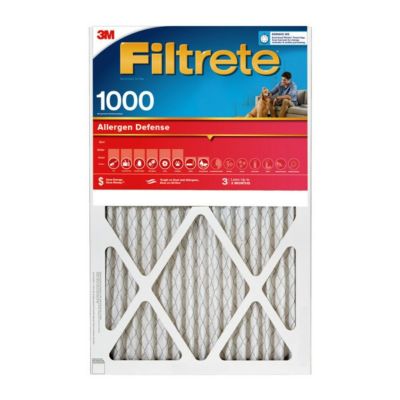
Fit is a practical starting point for construction air filters, whether the job involves a portable machine in a remodeling space or a building system near an active work zone. Length, width and depth all matter, along with the frame shape, gasket placement and the equipment maker’s specified filter type. A nominal size on a label may differ from the filter’s actual measurements, and a close match is not always a proper match. Gaps around the edges let air bypass the media, while a filter forced into the wrong housing may bend or fail to seal. Pleated media provides more filtering surface within a compact frame, and options may include cellulose, synthetic fibers or blends designed for a particular application. Some prefilters have washable foam media, while many pleated and HEPA filters require replacement rather than washing. The frame and support structure matter, too: filters need to hold their shape as air passes through and dust collects across the surface. Reinforced frames, supported pleats and intact gaskets help maintain that fit through the service interval specified for the equipment. Filtration efficiency also needs to work with the machine’s airflow capacity. A filter that creates more resistance than the equipment can handle may reduce airflow, limiting how much air the system treats even if the media has a higher efficiency rating. MERV ratings help describe particle filtration for compatible ventilation systems, while HEPA classifications apply to filters meeting a different performance standard; the two labels are not interchangeable. Airflow ratings, room size and the amount of dust generated all help establish whether a system suits the space. A wide-open workshop, a tight utility room and a room divided by temporary barriers will not move air the same way. For related filtration needs in compatible air-handling equipment,
Air System Filters can help round out the selection, with equipment specifications remaining the deciding factor for fit and function.
Day-to-day care has a lot to do with how construction air filters perform over the course of a job. Fine drywall powder can coat media differently than fluffy wood dust, and heavy debris loads can shorten a replacement interval even when a filter has not been in service very long. Equipment indicators, pressure readings where provided and the manufacturer’s maintenance schedule offer better direction than appearance alone. A filter can look fairly clean on the outside while finer particles have collected deeper in the media. Tapping, brushing or blowing out a filter is not a universal cleaning method; it can damage the filtering surface or send captured dust back into the air. Washing belongs only with filters specifically identified as washable, followed by the drying procedure required for that design. Replacement filters also need clean, dry storage so the media and sealing surfaces stay intact before installation. Keeping them away from grinding sparks, spills and loose hardware helps prevent damage that may not be obvious once a filter is inside its housing. For a farm shop handling building repairs, a remodeler working around occupied rooms or a maintenance crew turning over a work space, these details help keep filtration matched to the task instead of becoming an afterthought. Dust collection at the tool, separation between the work area and nearby spaces, and suitable air filtration each contribute something different. No single filter takes the place of that whole setup. Careful removal matters as well, especially when the captured material calls for specific handling or disposal procedures. Bagging and disposal should follow the equipment instructions and the requirements for the debris involved, with appropriate protective equipment for the task. Construction air filters earn their place through correct fit, suitable media and attention to service needs. Those are the details that help a crew manage airborne dust while the real work carries on, from framing a room to sanding the final patch.