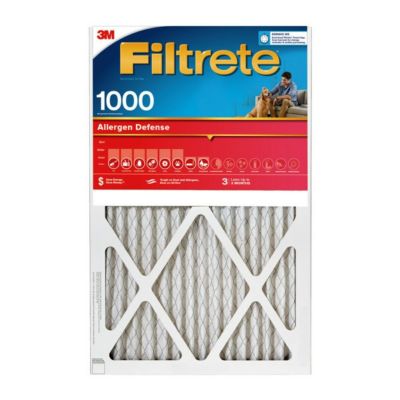
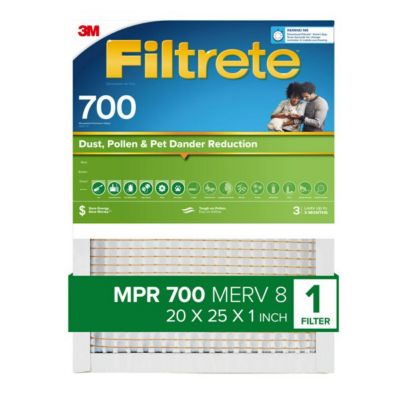
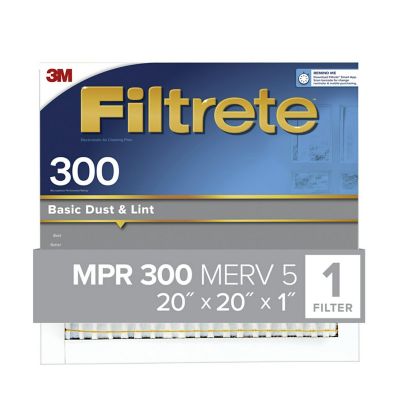
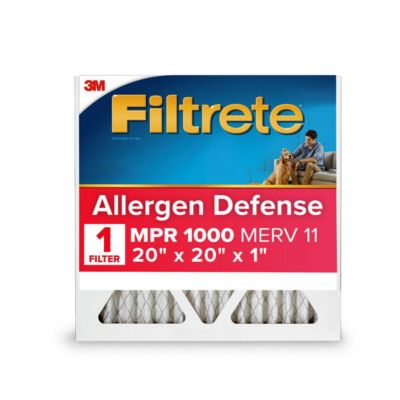
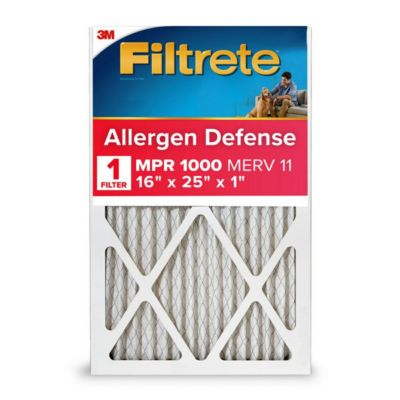
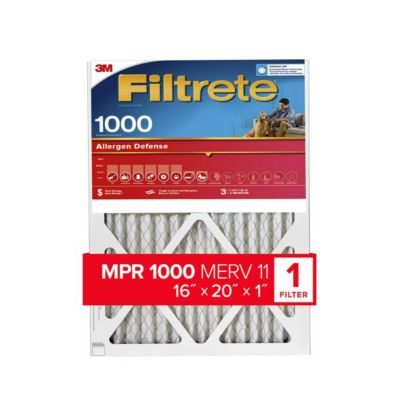
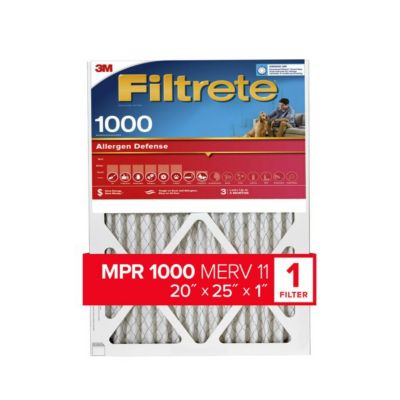
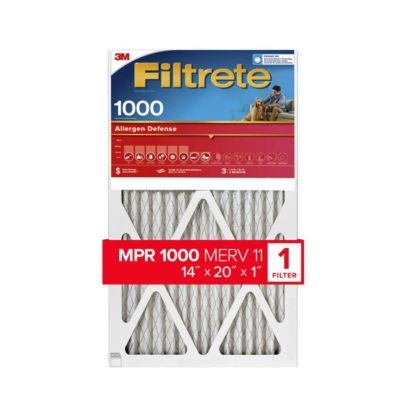
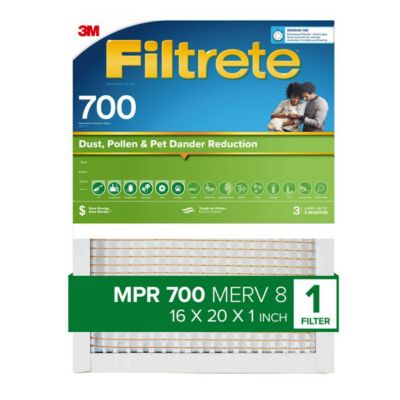
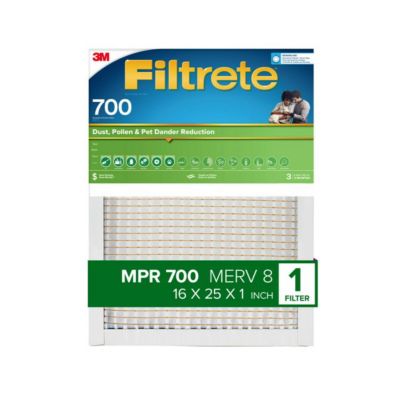
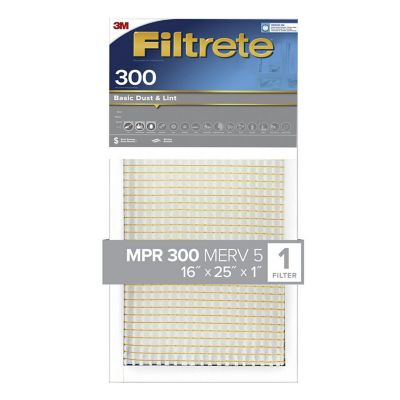
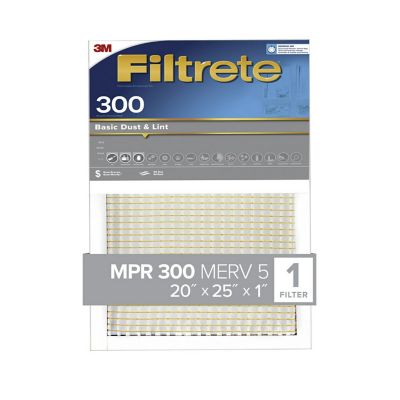
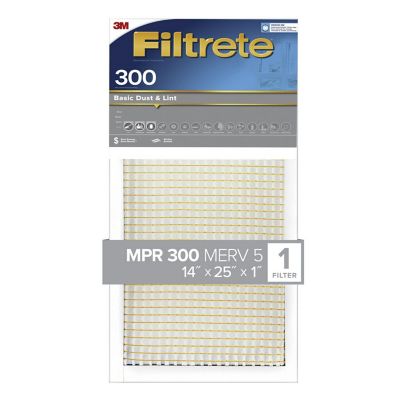
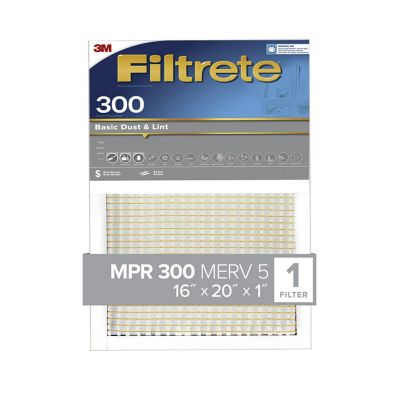
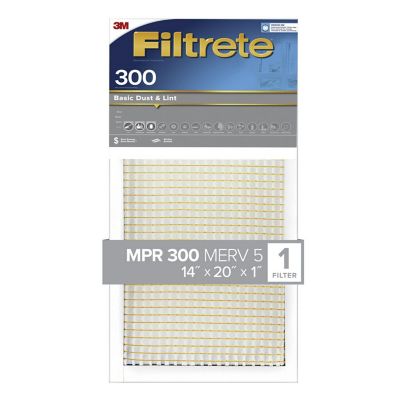
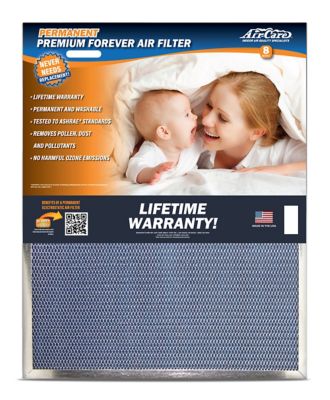
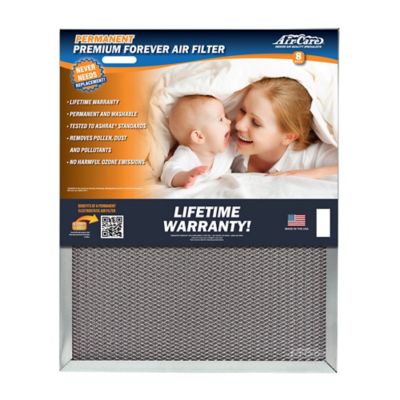
Air filters for central air help catch airborne particles as air moves through a home’s heating and cooling system, while protecting equipment from dust buildup. In many homes, the same filter serves both central air conditioning and forced-air heating, making it part of everyday upkeep through changing weather. Dust from a gravel driveway, lint from laundry and pet hair carried off the couch can all find their way toward a return vent. A properly fitted filter catches a portion of that material before it reaches the blower and other internal components. Most central air filters sit in a slot at the furnace or air handler, often where the return duct meets the equipment, or behind a return-air grille in a wall or ceiling. The right replacement depends on that location, the filter housing and the system manufacturer’s requirements—not just the square footage of the house. Common filter materials include spun fiberglass and pleated synthetic fibers, with some designs incorporating cotton fibers or other specialized media. Fiberglass filters generally target larger particles, such as lint and coarse dust. Pleated filters fold the filtering material into ridges, creating more surface area within the frame to capture particles moving through the system. Frames may be moisture-resistant paperboard or other materials designed to hold the media in place under normal operating conditions. For a farmhouse with muddy boots by the back door, a small house along a dusty road or a busy home with indoor pets, the practical goal is much the same: filtration that suits the equipment and the household without unnecessarily restricting airflow. During the cooler months, when windows tend to stay shut and the heating system runs more often, a well-matched filter remains part of routine home maintenance. It does not replace ventilation, regular cleaning or equipment service, but it helps keep everyday airborne dust from continually settling inside the system.
Fit comes first when comparing central air filter replacements. Length, width and thickness all matter, and the size printed on a filter frame is often a nominal size rather than its exact measured dimensions. A replacement should match the housing’s specified dimensions closely enough to sit securely without bending, forcing the frame or leaving gaps around the edges. Air can pass around a poorly fitted filter instead of through its media, reducing the benefit of filtration. A thicker filter is not a direct substitute for a thinner one unless the cabinet is designed to accept it. Deep-media filters require a compatible housing, even when their listed length and width resemble those of a standard panel filter. Along with dimensions, the MERV rating helps describe how effectively a filter captures particles within defined size ranges. MERV stands for Minimum Efficiency Reporting Value; higher ratings indicate greater particle-capture efficiency under standardized testing, but a higher number is not automatically the best choice for every system. Fiberglass filters commonly fall in the MERV 1–4 range and mainly capture larger debris. Pleated filters commonly span MERV 8–13, with capture of finer particles generally improving as the rating rises. Depending on the rating, that can include pollen, pet dander and some smaller airborne particles. MERV 13 media can capture some fine particles associated with smoke, though an ordinary particle filter does not remove smoke gases or every odor. A home beside an active field may have different filtration needs from a house with several shedding pets, but either system still needs sufficient airflow. Filter resistance depends on media design, surface area, thickness and dust loading, not MERV alone. The equipment manual or an HVAC professional can help establish the appropriate rating and filter type, especially for older equipment or a proposed change in thickness. Comparing
Replacement Air Filters by both fit and filtration level helps narrow the choice to options suited to the existing setup. The best match balances particle capture with the airflow the blower and heating or cooling equipment need to operate as intended.
Filter care depends on the material, the household and how much the system runs. Many disposable 1-inch central air filters need replacement about every one to three months, while some fiberglass filters call for replacement around every 30 days. Those are general ranges, not a promise of service life; the filter label and equipment instructions take priority. Checking a 1-inch filter monthly makes it easier to spot heavy dust loading before it interferes with airflow. A couple of long-haired pets, frequent open-door traffic or dust drifting in from nearby fieldwork can shorten the interval. A thicker media filter may have a longer recommended replacement schedule, but thickness alone does not establish how long it will last. A filter that becomes heavily loaded, develops a torn surface or loses its shape needs attention rather than another stretch of service. Disposable fiberglass and pleated filters are intended for replacement, not washing. Water can damage their media or frames, and vacuuming is not a dependable way to restore their original performance. Washable filters are a separate category and need cleaning and complete drying according to their manufacturer’s directions before returning to the system. During replacement, the airflow arrow on the frame should point in the direction air travels toward the blower, away from the occupied room at a return grille. Shutting the system off first helps prevent operation with the filter removed. A filter should remain firmly seated with the access cover or grille properly secured. Keeping the size and installation date written down takes some guesswork out of the next replacement, especially in a home with more than one return filter. For homeowners managing chores between feeding animals, hauling supplies and keeping the house running, straightforward filter upkeep fits alongside checking smoke alarms and tending to other household basics. Correct sizing, suitable media and timely replacement help central air filters do their job without turning a simple maintenance task into a bigger equipment problem.