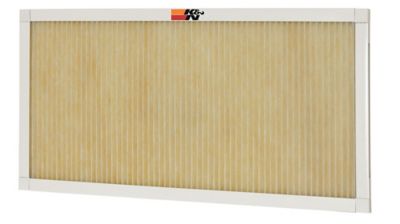
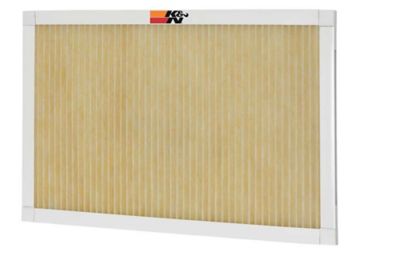
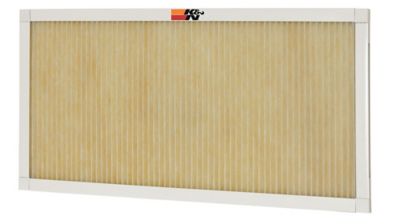
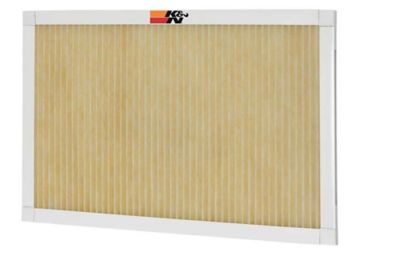
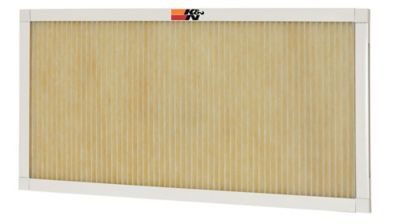
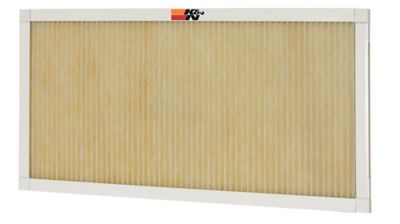
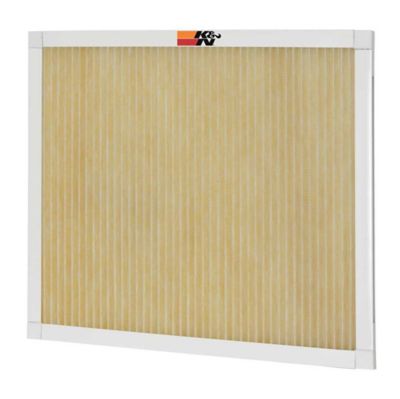
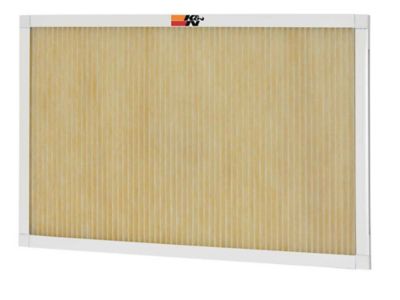
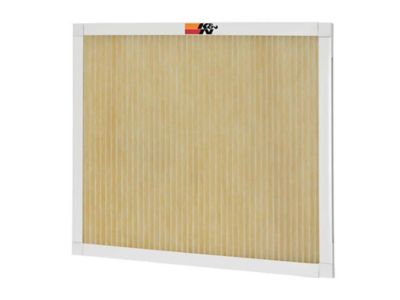
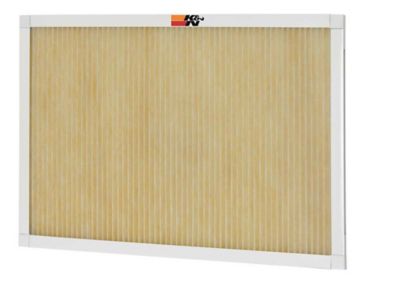
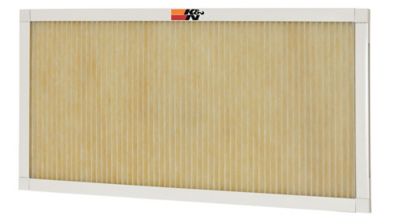
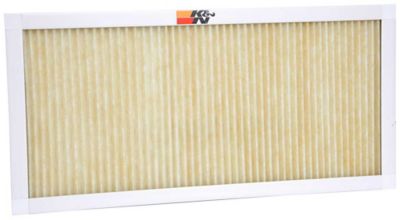
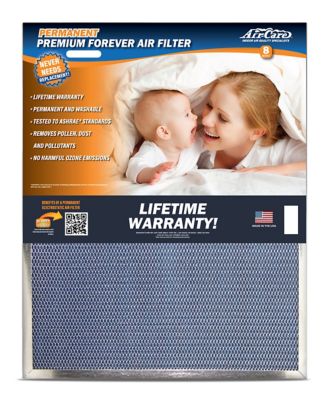
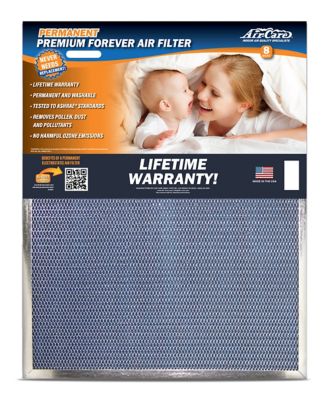
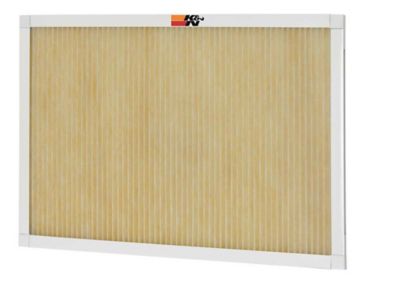
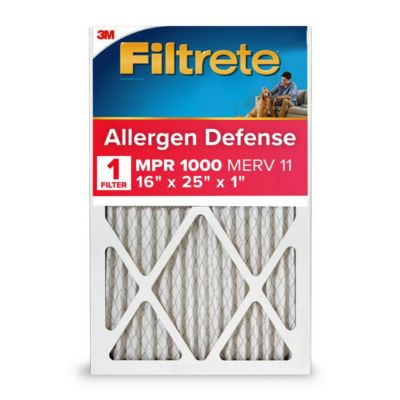
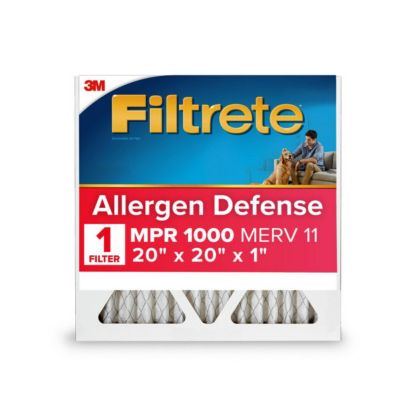
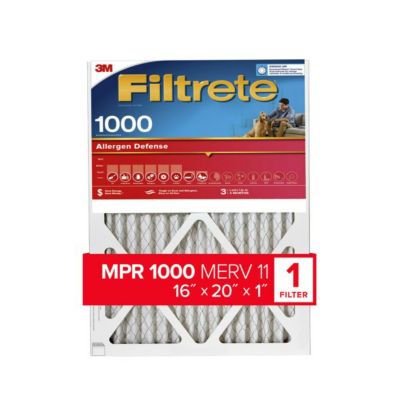
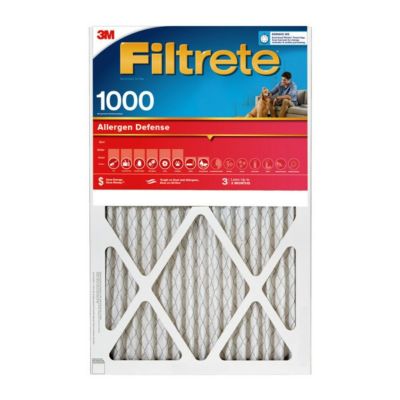
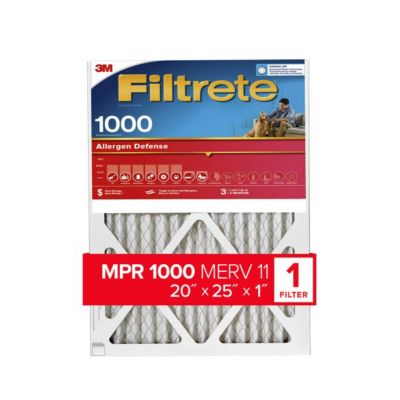
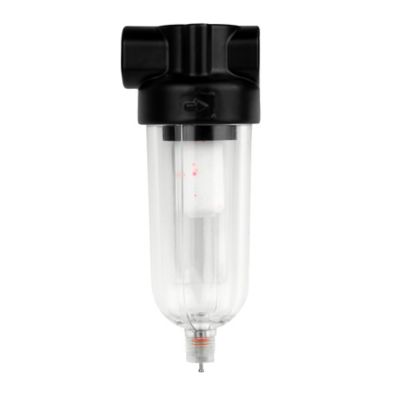
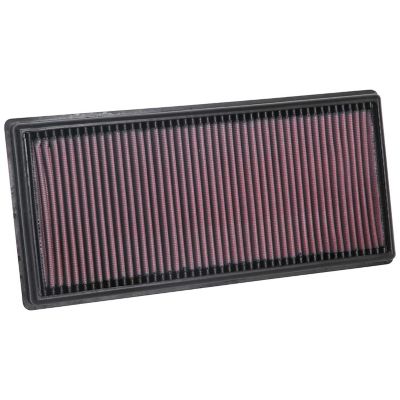
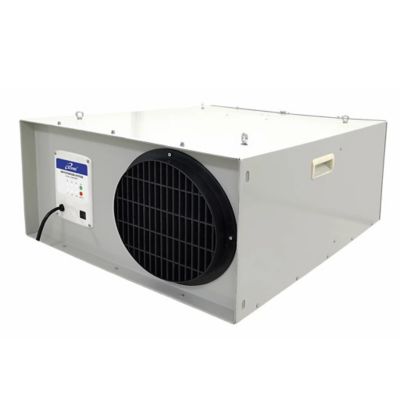
Air filters for AC units trap airborne particles as air passes through the system, helping keep dust and lint from building up on internal equipment. In a central HVAC system, the filter generally sits in a return-air grille, a rack near the air handler, or a designated filter cabinet. Its job is to catch particles in air moving back through the system, not to cover supply vents where conditioned air enters a room. Homes with dogs, cats, carpet, or steady foot traffic can put more hair, dander, and lint into circulation, while work clothes worn around a barn or gravel drive can bring fine dirt indoors. A properly fitted filter gives that airborne debris a place to collect before it reaches sensitive components. It also helps reduce some particles circulating through living spaces, though no HVAC filter removes every airborne contaminant or takes the place of cleaning and ventilation. Filter construction makes a difference in how that job gets done. Disposable fiberglass filters have a relatively open structure and primarily catch larger particles, such as lint and coarse dust. Pleated filters have folded media, often made from synthetic fibers or cotton blends, that provide more filtering surface within the frame. That extra surface can hold more dust than flat media of similar construction, but service life still depends on the filter and conditions inside the home. Some filters carry an electrostatic charge that helps attract particles; that feature alone does not tell the whole story about filtration or airflow. Washable filters are another category, particularly in certain window and room air conditioners, but they are not interchangeable with every central-system filter. Whether the equipment serves a farmhouse, a busy family home, or a rental property, the right starting point is a filter type approved for that unit.
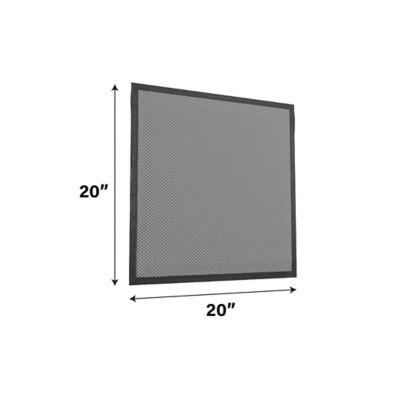
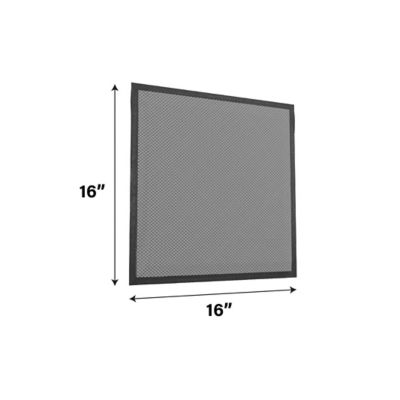
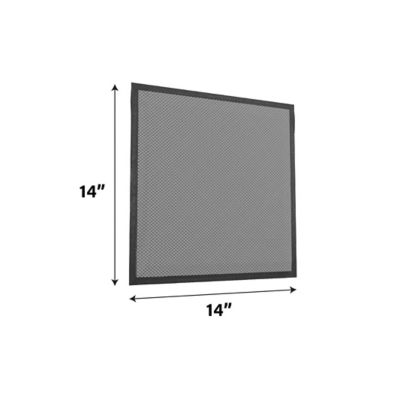
Fit matters just as much as filter material. Length, width, and depth all need to match the equipment’s requirements, and the size printed on a filter frame is often a nominal measurement rather than its exact dimensions. Actual measurements may be slightly smaller, so the existing filter’s label, the filter opening, and the equipment manual all help establish the right fit. A filter should sit securely in its intended track without being crushed, bowed, or left with open gaps around the edges. Air can slip around an undersized filter instead of passing through the media, carrying dust along with it. A deeper filter also needs a cabinet designed to hold that depth; a thick media filter cannot simply replace a thin one in the same narrow slot. Filtration ratings offer another useful comparison. MERV, short for Minimum Efficiency Reporting Value, describes how effectively a filter captures particles within tested size ranges. Fiberglass filters commonly fall around MERV 1–4, while many pleated residential filters fall around MERV 8–13. MERV 8 filters generally capture larger household particles such as dust, lint, and pollen. MERV 11 filters capture a greater share of smaller particles, including some pet dander, while MERV 13 filters capture more fine particles, including some smoke particles. These ratings do not mean a filter removes smoke gases or makes exposure safe. A higher MERV rating is not automatically the right choice for every AC unit, either. Airflow resistance depends on the media, filter depth, surface area, and how much debris has collected. Equipment designed for a particular filter may not perform properly with a more restrictive replacement. The practical match is the filtration level the system supports, paired with the right dimensions and enough airflow—not simply the highest number on the package. Households concerned about allergies can consider those ratings alongside the equipment maker’s recommendations, without expecting a filter to eliminate every trigger.
Care and replacement needs depend on the filter design, the equipment’s operating time, and how much debris moves through the home. Many disposable 1-inch filters have replacement intervals of roughly 30–90 days, but the manufacturer’s directions take priority. Deeper media filters may have longer service intervals, sometimes six months or more, when the system and household conditions allow. Checking the filter about once a month helps reveal how quickly dust collects in a particular home. A dog stretched out by the return grille, several pets sharing the couch, or frequent indoor projects can shorten the time between changes. Dust covering the filter face, heavy buildup between pleats, or a damaged frame are reasons to check whether replacement is due rather than relying on the calendar alone. A clogged filter can restrict airflow and contribute to equipment problems, so stretching its service life too far can work against the reason it is there. Disposable fiberglass and pleated filters belong in the trash when their service life ends; rinsing or vacuuming can damage the media and does not restore their original performance. Washable filters need the cleaning method specified for that model and must dry completely before returning to service. A damp filter or repeated moisture around the filter compartment calls for attention to the underlying moisture problem, not just another replacement. During installation, the airflow arrow should follow the direction air travels through the system, generally toward the blower, and the access panel should close securely afterward. When comparing
Replacement Air Filters, size, filtration rating, and equipment requirements belong at the top of the list. For homeowners, renters responsible for filter changes, and property managers looking after several spaces, those details make routine upkeep more straightforward. The best-fitting filter is one that catches the intended particles, allows the required airflow, and can be maintained on a schedule that suits the home.