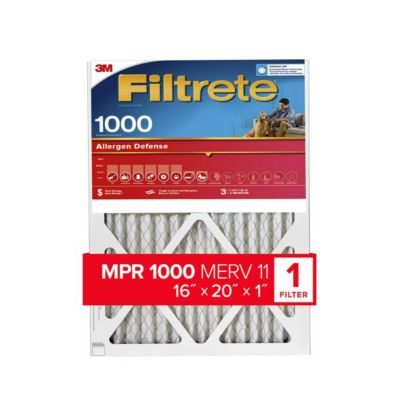
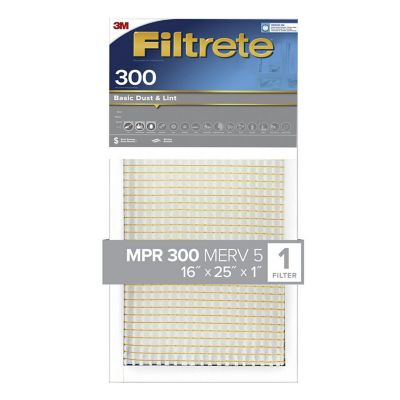
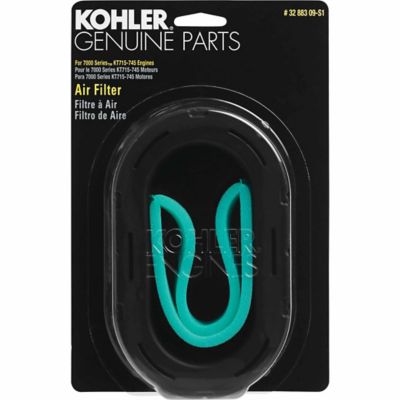
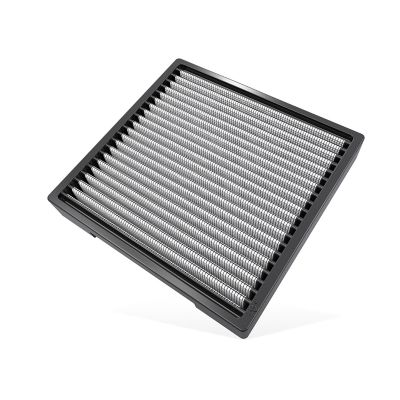
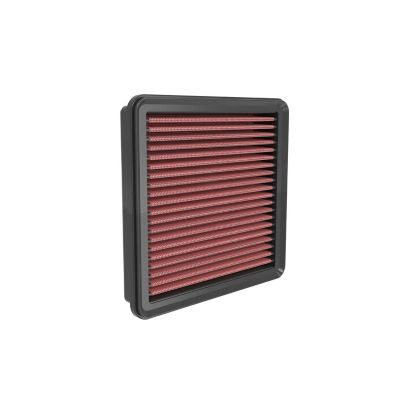
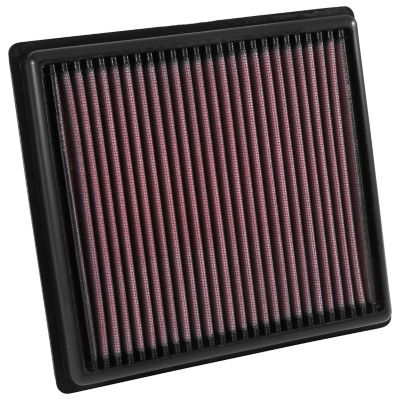
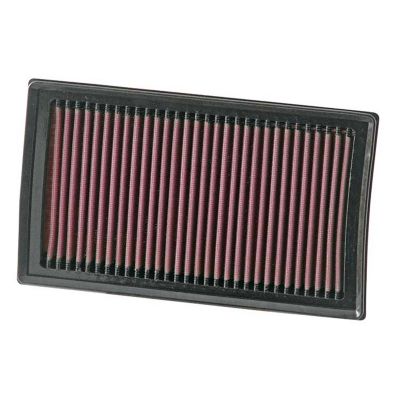
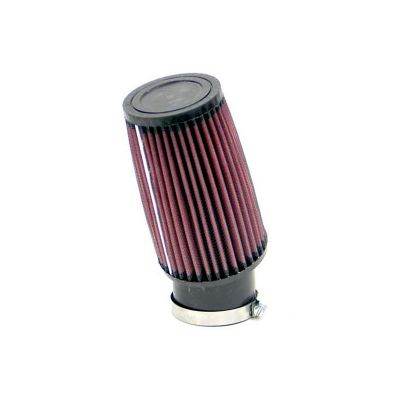
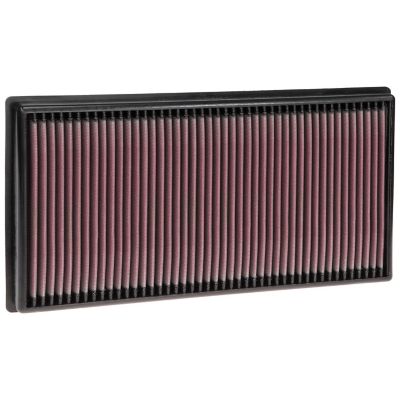
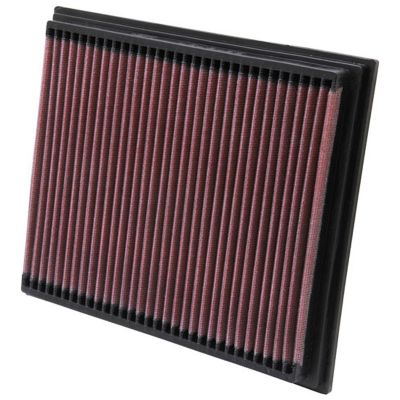
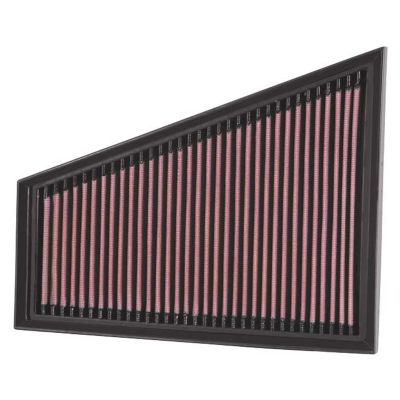
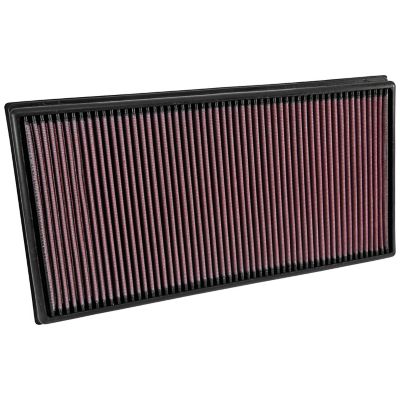
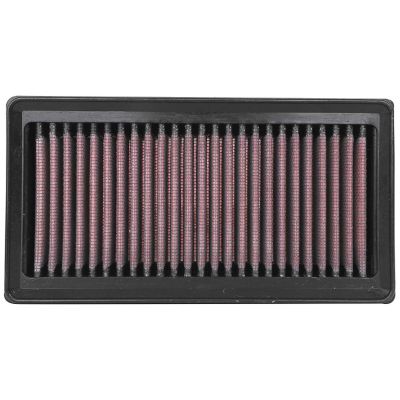
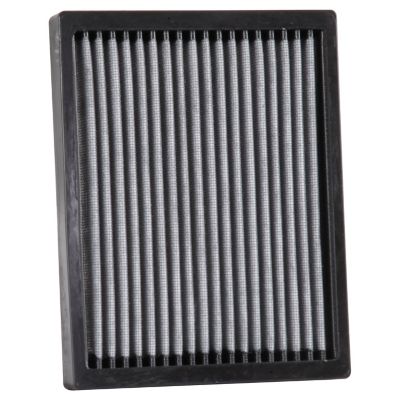
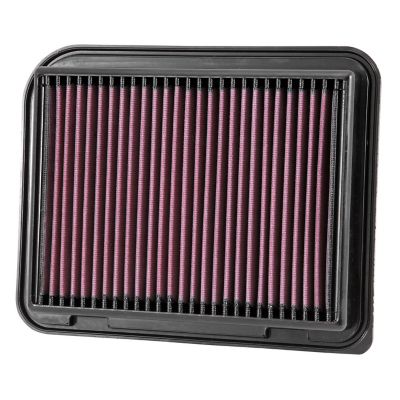
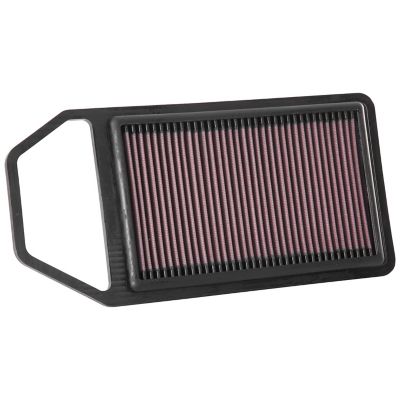
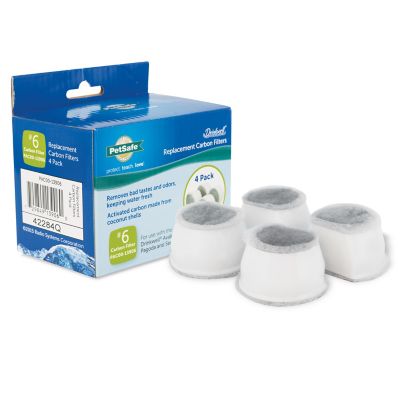
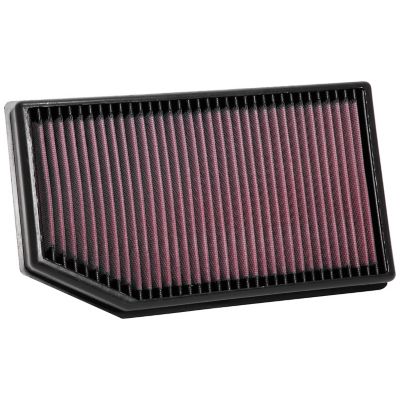
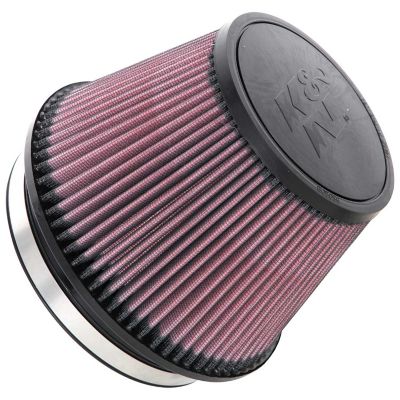
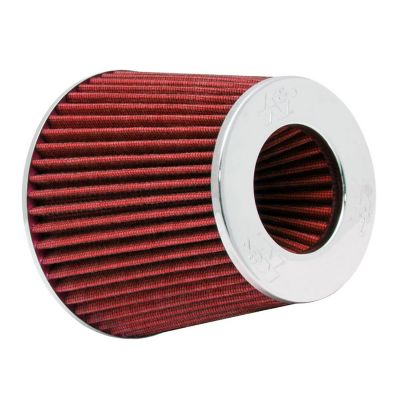
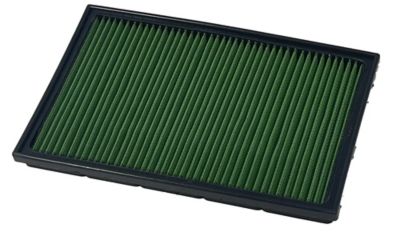
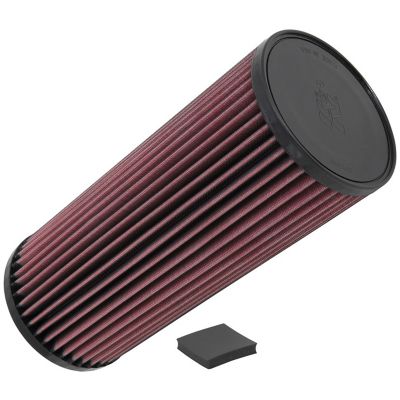
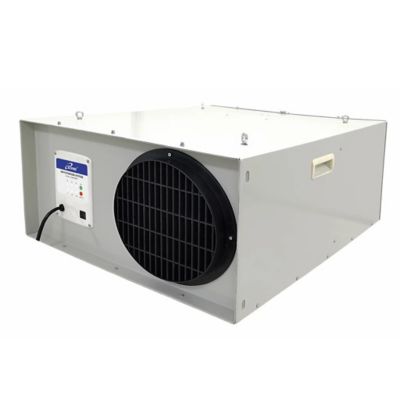
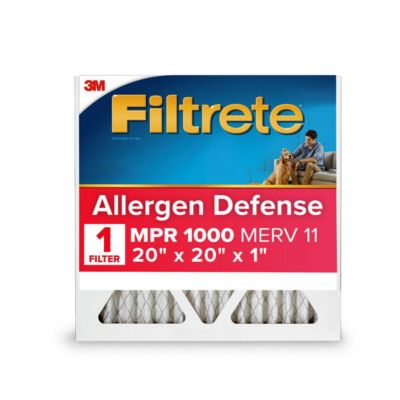
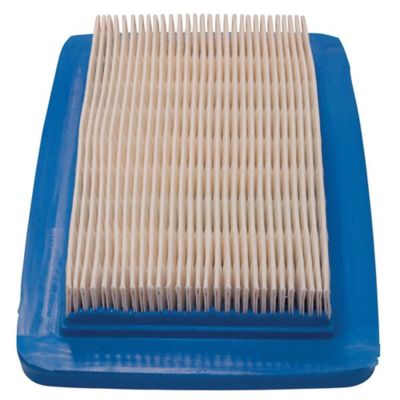
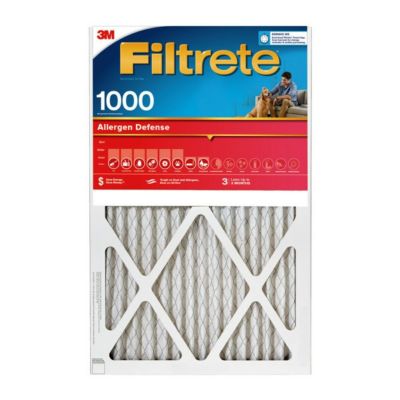
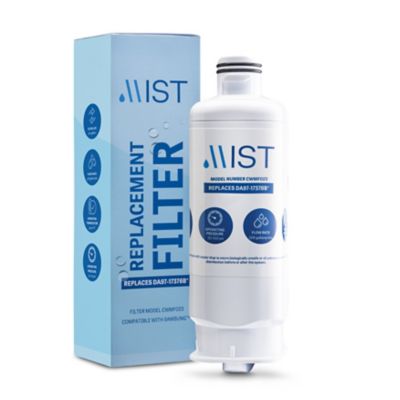
Replacement air filters help keep heating and cooling equipment working with less dust moving through the home, shop, office, or other enclosed space. They are used in many central HVAC systems, furnaces, heat pumps, return-air grilles, ceiling intakes, and some portable or room air cleaners, so the right filter depends on the equipment and the space it serves. Before buying, check the filter already in place and write down every dimension printed along its edge, such as 20 x 25 x 1 inches. Nominal sizes can differ slightly from the actual measured size, and a filter that is too large may bend or keep the cover from closing while one that is too small can leave gaps around the frame. If the old filter is missing, measure the opening and check the owner’s manual or equipment label. A filter’s thickness matters, too. A one-inch filter usually slides into a wall return, ceiling grille, or furnace slot made for that size, while thicker media filters require a deeper cabinet designed to hold them. Never force a thicker filter into a narrow slot. For homes with pets, livestock nearby, dusty driveways, wood-burning heat, remodeling work, or frequent foot traffic, keeping a spare filter on hand can make routine upkeep easier. A clean filter is also useful during the cooler months when the furnace runs more often and during warmer stretches when air conditioning pulls dust and pollen through the return system. People who share a home with children, older adults, or anyone sensitive to airborne particles may also want to compare filtration ratings carefully. Higher filtration is not automatically the best choice for every system, since a dense filter can restrict airflow if the equipment is not designed for it. Check the HVAC manufacturer’s recommendations and consider the filter’s MERV rating, construction, and intended use rather than choosing by appearance alone. For homes or rooms needing more specialized particle filtration, explore
Replacement HEPA Filters and confirm that the air cleaner or HVAC system is compatible before installation.
Changing a replacement air filter is a straightforward maintenance job, but a few careful steps help protect the equipment and keep the filter working as intended. First, turn off heating or cooling at the thermostat, and if the filter is located inside a furnace or air handler, follow the equipment instructions for shutting it down safely. Locate the filter at the return vent, behind a wall or ceiling grille, or in the slot beside the furnace or air handler. Open the cover or unlatch the access panel, then slide the old filter out without shaking it more than necessary. A gray, dusty surface is normal after use; heavy buildup, pet hair, construction dust, or a filter that looks collapsed is a sign that it should be replaced. Look for the airflow arrow printed on the frame of the new filter. In most central HVAC applications, the arrow points toward the furnace, air handler, or blower, not toward the room. Slide the filter in evenly, with the arrow facing the same direction as the old one, and make sure the frame sits flat in its tracks. Close the grille or access panel securely before turning the system back on. If airflow becomes weak, the system cycles unusually, or the filter whistles around the edges, turn the equipment off and check that the size, thickness, and arrow direction are correct. A filter is not a substitute for professional service, and unusual odors, water around the unit, repeated shutdowns, or electrical concerns should be handled by a qualified HVAC technician. Vehicle cabin air filters are a separate type and should be matched to the vehicle’s year, make, model, and position rather than the dimensions used for a home furnace. Tractor and equipment owners should likewise verify the machine’s manual before ordering, since engine intake filters and cab air filters have different shapes and jobs.
How often to replace a filter depends on its size, the equipment, the household, and the amount of dust in the air. Standard one-inch filters commonly need to be checked every month and replaced about every one to three months, while a lightly used home with no pets may go longer and a busy household may need more frequent changes. Homes with several dogs or cats, rural gravel roads nearby, hay or grain dust, fireplaces, indoor projects, or seasonal pollen can load a filter quickly. Thicker media filters may be designed for longer service intervals, sometimes around six months or according to the manufacturer’s schedule, but they still deserve a monthly look. Hold the filter up to a light or compare its surface with a fresh one; if the material is visibly packed with dust, replace it even if the calendar says it has time left. Marking the installation date on the cardboard edge or setting a recurring reminder can prevent a forgotten filter from staying in place through an entire heating or cooling season. Buying a few matching replacements at once is practical for a farmhouse, rental property, workshop, or family member who handles their own home maintenance, and a small supply can be a thoughtful housewarming or new-home gift when paired with other useful upkeep supplies. Store unused filters flat in a clean, dry spot away from feed dust, moisture, paint, and direct sunlight. Always match the replacement to the system’s required dimensions and rating, and keep the old filter nearby until the new one is installed so the size and airflow direction are easy to confirm. With the right fit and regular inspections, replacement air filters provide a simple way to support steady airflow and help keep dust from circulating through the spaces where people, pets, and working animals spend their time.