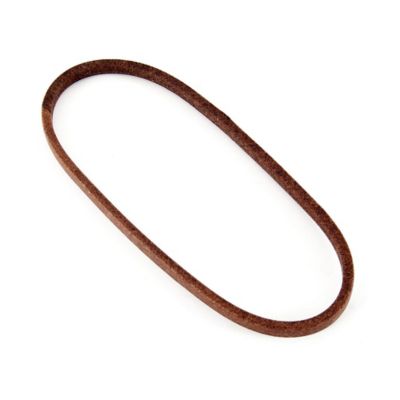
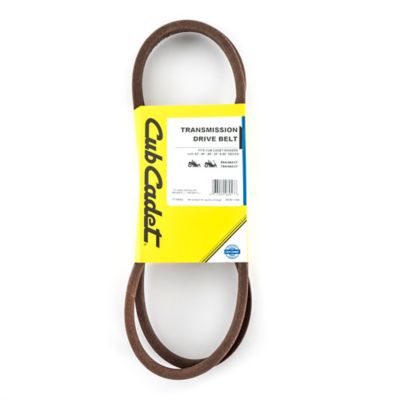
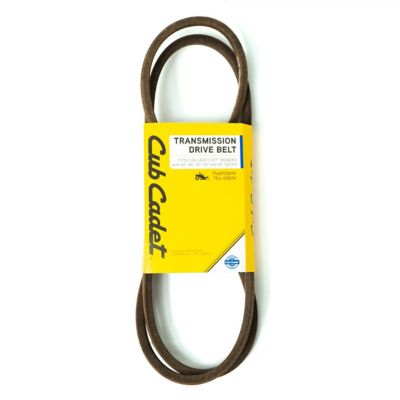
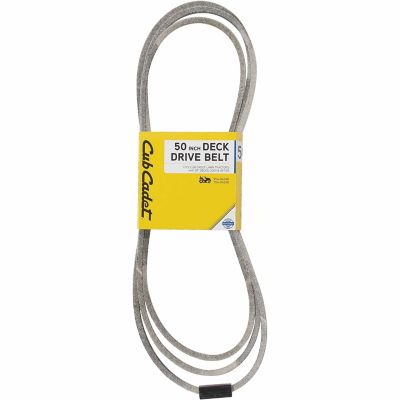
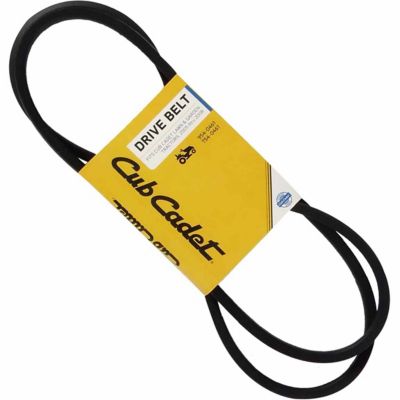
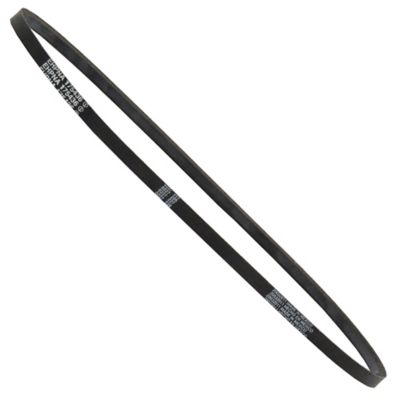
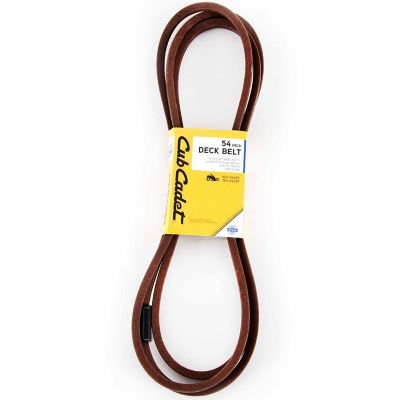
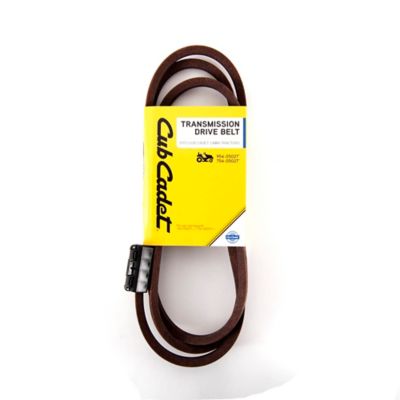
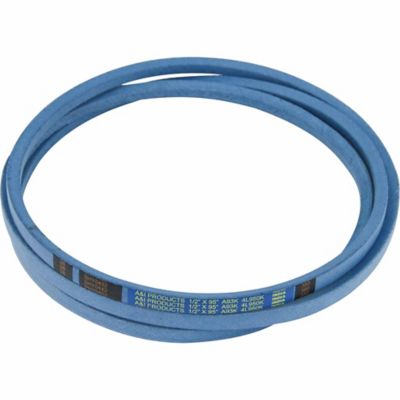
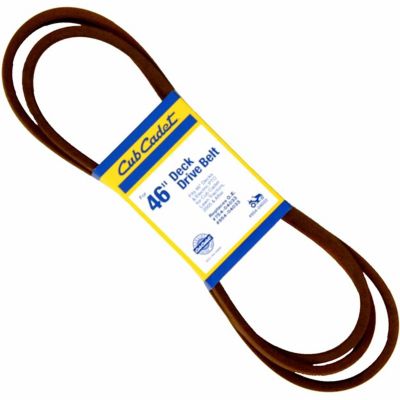
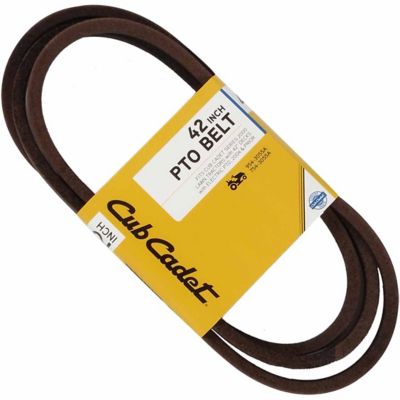
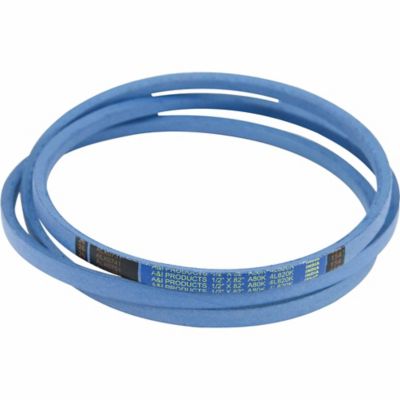
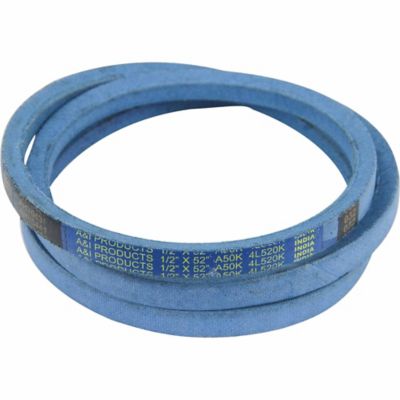
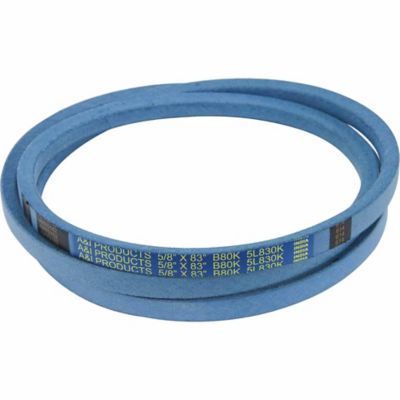
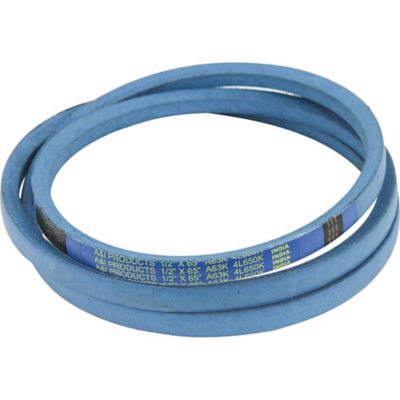
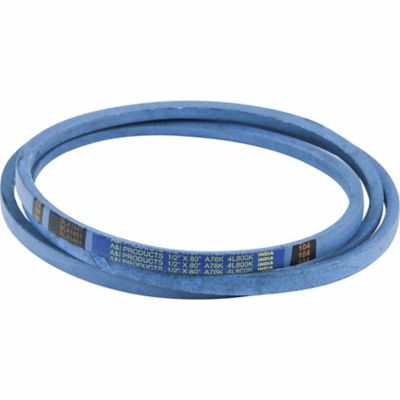
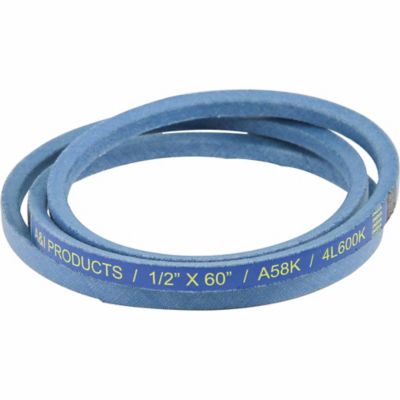
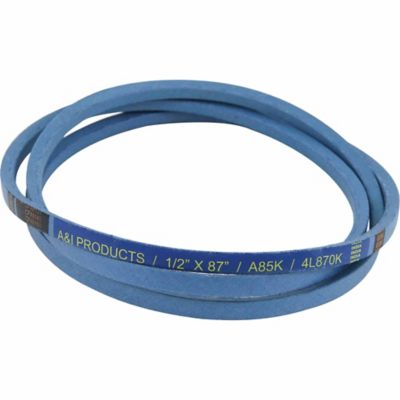
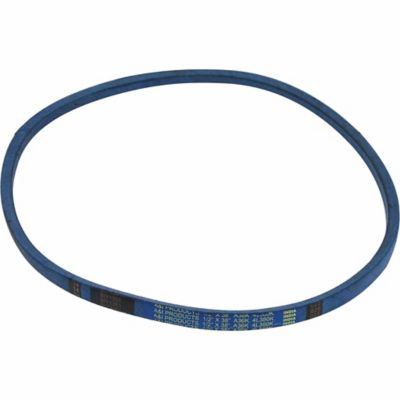
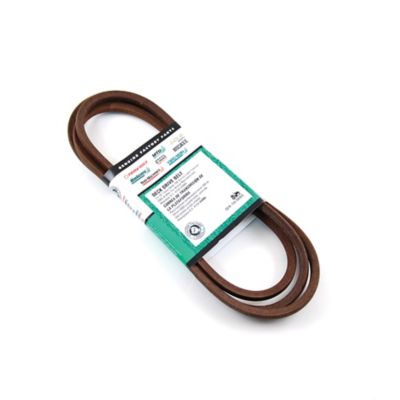
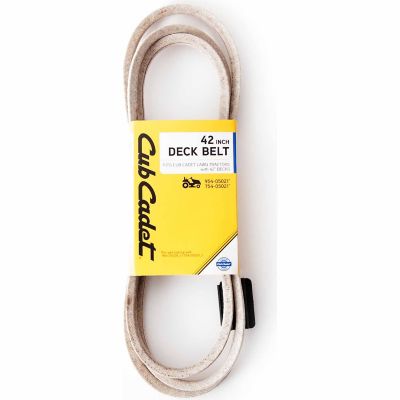
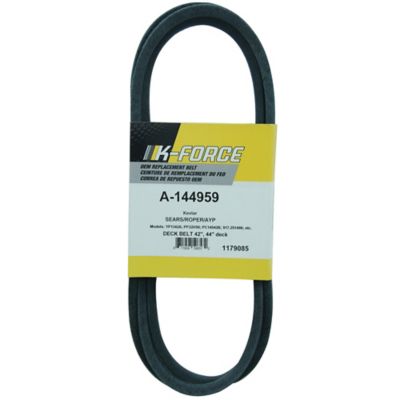
When you’re keeping your equipment running smooth through the busy season, the right transmission belt can make all the difference. Folks working the farm, tending to property, or just keeping a fleet of mowers in shape know how critical it is to have reliable drive belts on hand. Whether you’re out in the barn swapping out a worn transmission drive belt on your riding mower before the first cut of the season, or you’re fixing up an old tiller that’s seen a few too many rocky patches, a good belt keeps everything moving. These belts transfer power from engines to wheels, blades, and other moving parts—if you’ve ever had a belt snap in the middle of a job, you know how fast everything grinds to a halt. Tractor supply drive belts are built for the tough jobs: mowing acres, running augers, or powering up that log splitter as the weather shifts from warm to cool. They’re not just for the big equipment, either—ATVs, snowblowers, and even some workshop tools rely on the right transmission belt to keep things humming along. And for folks looking for a practical gift for the farmer, rancher, or backyard tinkerer in their life, a spare transmission belt or two is always appreciated—especially when it means less downtime and more time getting things done.
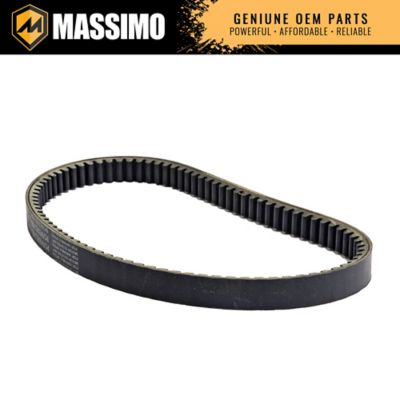
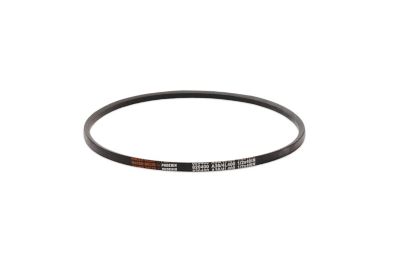
Choosing the right transmission belt comes down to knowing your equipment and the job at hand. V-belts are a staple on everything from garden tractors to hay balers, with their wedge-shaped design gripping tight to pulleys and handling heavy loads without slipping. Serpentine belts, with their wide, grooved surfaces, are common on newer machines and vehicles, powering everything from alternators to hydraulic pumps. Timing belts, those toothed wonders, are all about precision—keeping engines in sync so valves open and close just right. And then there are CVT belts, found in some ATVs and utility vehicles, built for smooth shifting and reliable performance on rough ground. No matter the type, transmission belts take a beating: heat, friction, and tension are always at play, especially during peak mowing or harvest season. That’s why it’s smart to check belts regularly for cracks, glazing, or fraying edges. A little preventive care—making sure the belt tracks straight and is tensioned right—can save a whole lot of headaches down the line. And when it’s time to swap one out, matching the right size and material is key. Most belts are made from tough rubber or polyurethane, often reinforced with internal cords to keep them from stretching out under pressure.
As you work through the summer and into the cooler months, keeping an eye on your transmission drive belts means your equipment stays ready for whatever comes next—whether it’s another round of mowing, prepping the garden for fall, or handling chores that just can’t wait. And if you’re running compressors or other shop gear, don’t forget to check out our selection of
Compressor Belts for a perfect fit and long-lasting performance. A well-chosen, well-maintained transmission belt isn’t just a part—it’s peace of mind for anyone who relies on their tools and machines to keep life moving out here.