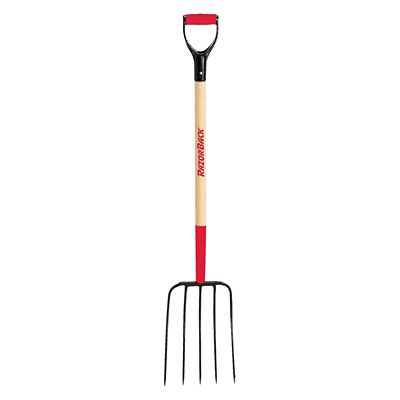
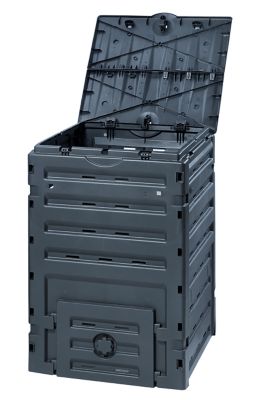
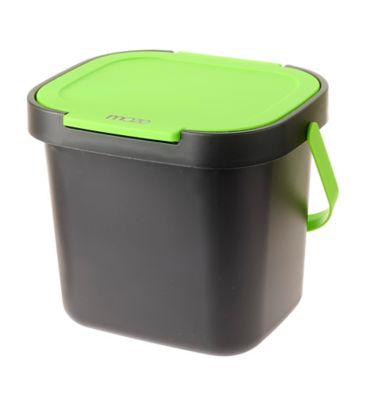
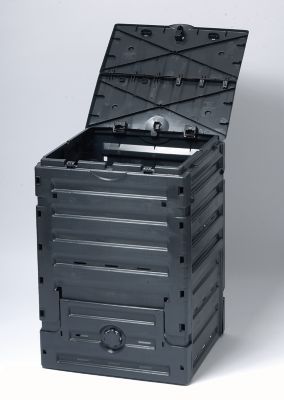
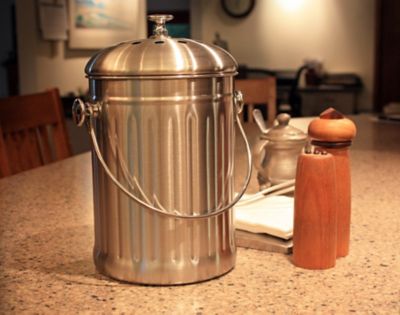
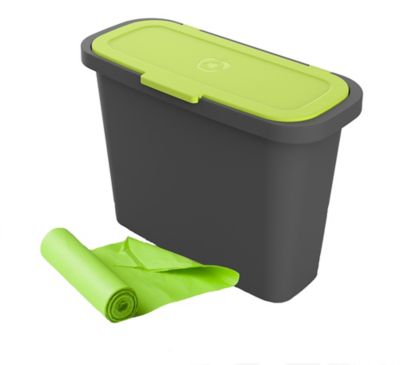
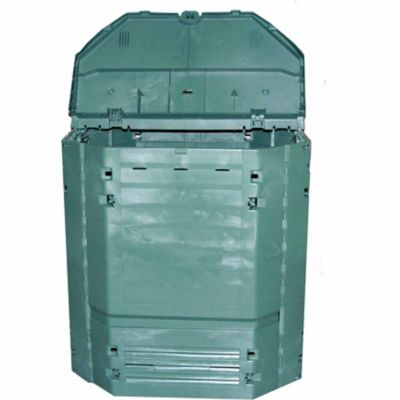
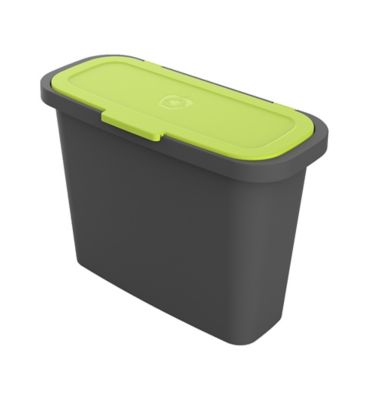
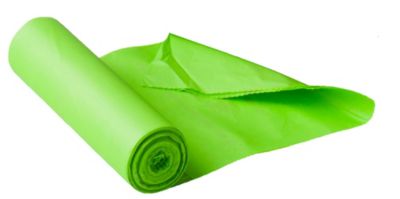
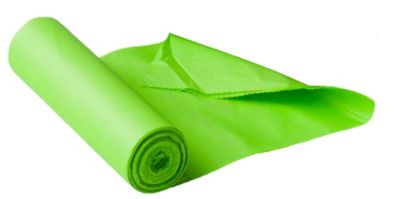
Composting tools make it easier to manage kitchen scraps, yard waste, and other organic materials as they break down into dark, crumbly compost. Whether you keep a small backyard bin, a larger three-bin setup, or a compost tumbler, the right tools help with the everyday work of moving, mixing, measuring, and finishing the pile. A compost crank, sometimes called a corkscrew aerator, has a spiral end that twists down into the pile and pulls material upward as you turn it. This opens pathways for air, which composting microbes need to stay active, and helps blend dry leaves with wetter food scraps. A winged compost aerator works in a similar way: its hinged wings fold as the tool is pushed down, then open to lift and churn material on the way back up. These manual aerators are useful when a pile is too deep or packed down to turn easily with a shovel. A digging fork or pitchfork remains a dependable choice for lifting heavy layers, breaking apart clumps, and turning a larger pile from one section to another. Look for a sturdy handle that feels comfortable in your hands, a strong head suited to repeated use, and a length that lets you work without constantly bending over. If your compost setup is elevated or contained in a smaller bin, a hand tool may be easier to control. For families, gardeners, and anyone who cooks with plenty of fresh produce, a kitchen compost caddy gives food scraps a convenient place to go between trips outside. A compact countertop container can hold vegetable peels, coffee grounds, eggshells, and other suitable organic scraps without sending you back and forth to the compost area after every meal. Ventilation, a secure lid, an easy-to-clean interior, and a comfortable handle are useful features to consider, especially when the caddy is kept near a sink or prep space. During warmer weather, lining the container with a compostable bag or emptying it regularly can help keep odors under control; during cooler months, it may hold scraps a little longer, though frequent emptying is still the cleanest habit. Keep meat, dairy, oils, pet waste, and treated materials out unless your composting method specifically allows them, and follow the accepted materials for your setup.
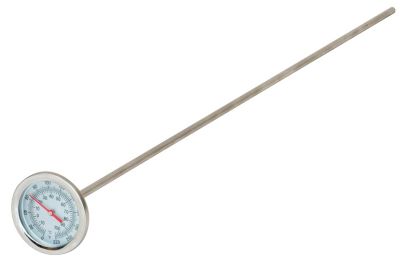
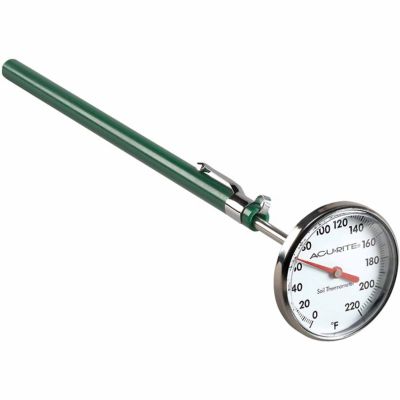
Good composting depends on a balance of moisture, air, and different kinds of organic material, and a few simple tools can help you keep that balance in check. A compost thermometer uses a long probe inserted into the center of the pile to measure its internal temperature. The center is where microbial activity is usually strongest, so a reading there gives a better picture than checking only the surface. Warm temperatures generally indicate that the pile is actively breaking down, while a pile that stays cool may need more nitrogen-rich material, moisture, or turning. A pile that smells sour, feels soggy, or has settled into a dense mat may need more dry leaves, straw, shredded paper, or other carbon-rich material along with an opening of fresh air. Avoid packing compost down; loose layers give water and oxygen room to move. A moisture check is simple: compost should feel about as damp as a wrung-out sponge, not dripping wet and not dusty dry. A compost sifter or mesh screen helps with the final stage by separating fine, finished compost from sticks, corn cobs, nutshells, clumps, and other pieces that need more time. Sifting is especially handy when you want a smooth amendment for seed starting, raised beds, container plants, or a neat layer around established plants. Place the screen over a wheelbarrow, tub, or garden cart, add a manageable amount of compost, and shake or rake the material across the mesh. The finished portion falls through while larger pieces can go right back into the active pile. In a rural yard, these tools may see plenty of use beyond a single compost bin. A fork can move leaves into a pile, an aerator can loosen compacted material, and a screen can help prepare homemade compost for flower beds, vegetable rows, and trees. Choose tool materials that can stand up to damp organic matter and outdoor storage, and rinse off soil and residue when the work is done. A dry storage spot, such as a shed, barn corner, or covered porch, helps protect handles and metal parts between uses.
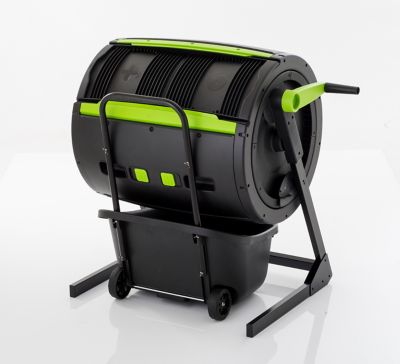
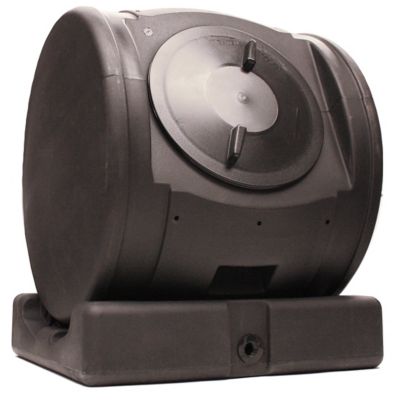
Composting tools can be a practical addition to a gardener’s own setup and a thoughtful gift for someone who enjoys growing vegetables, tending flower beds, or finding useful ways to reduce household waste. They suit first-time composters who need a few basic helpers as well as experienced gardeners who are ready to make their process cleaner and more efficient. A kitchen caddy is a natural choice for a new homeowner, apartment gardener, or family that wants to collect scraps before carrying them to an outdoor bin. An aerator or digging fork makes a helpful gift for someone building a backyard compost system, while a thermometer or sifter is a good fit for a gardener who already has a pile and wants to better understand how it is progressing. For homes with limited outdoor space,
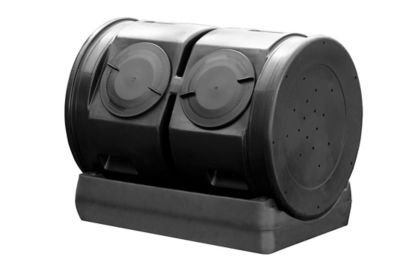
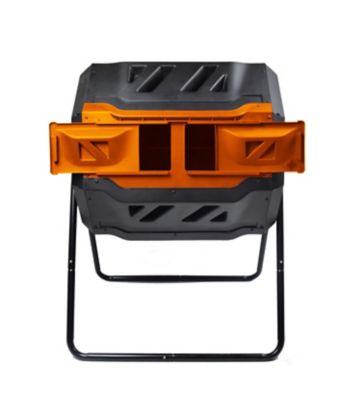
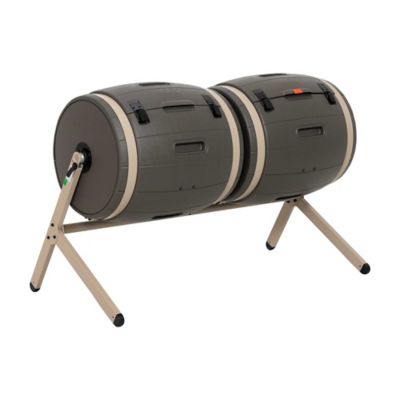
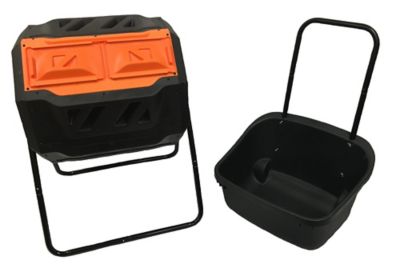
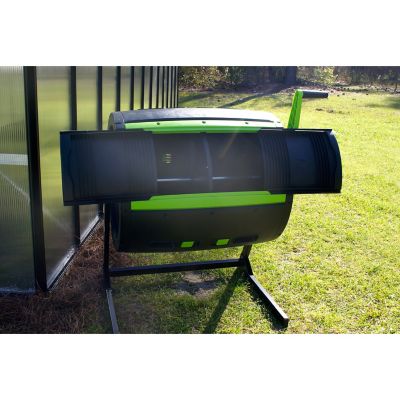
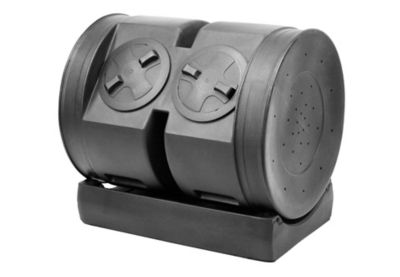
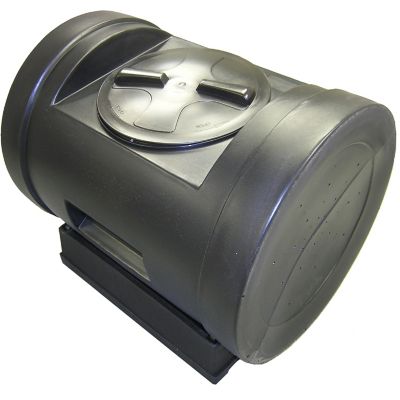
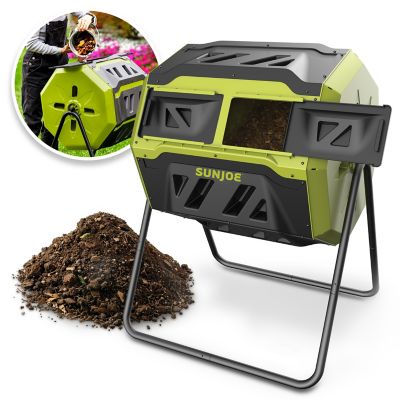
Compost Tumblers can offer a contained way to mix smaller batches, while hand tools remain useful for adding materials, checking moisture, and handling finished compost. As the weather warms, turning and watering may become part of a regular garden routine; through the cooler months, leaves and kitchen scraps can continue building the pile even when decomposition slows. A long-handled tool can save your back when working through a deep pile, while a shorter handle may provide better control in a small bin. Consider the size of your compost area, the amount of material your household produces, the tool’s weight, and whether you prefer lifting, twisting, screening, or measuring by hand. It often helps to keep a small container near the kitchen, an aerating tool by the compost bin, and a fork or shovel where yard cleanup takes place. With a few dependable composting tools close at hand, scraps and fallen leaves become less of a chore and more of a steady source of rich organic matter for the soil.