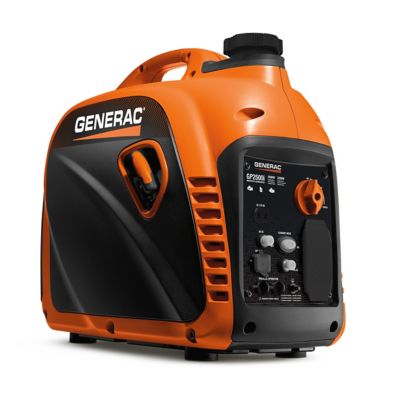
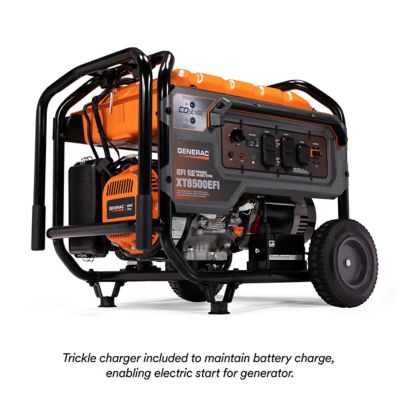
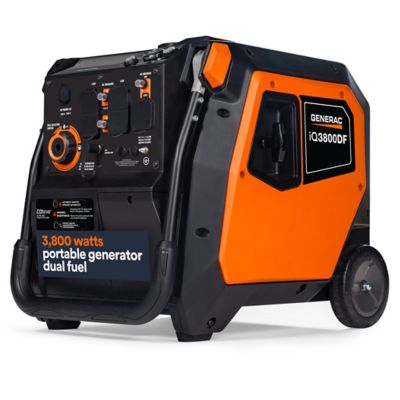
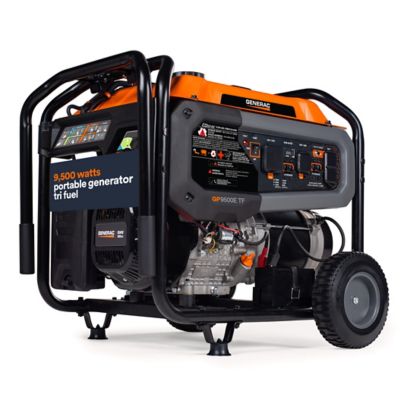
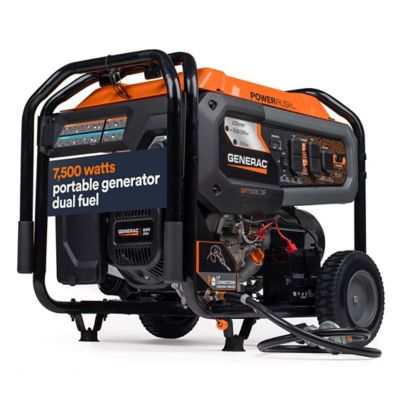
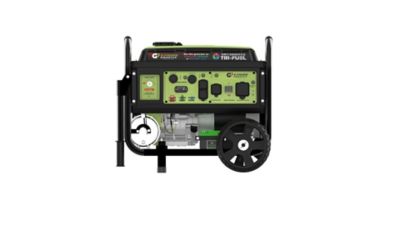
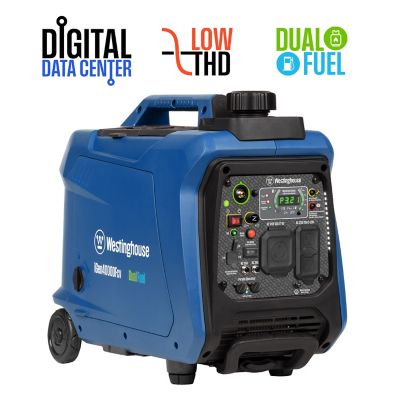
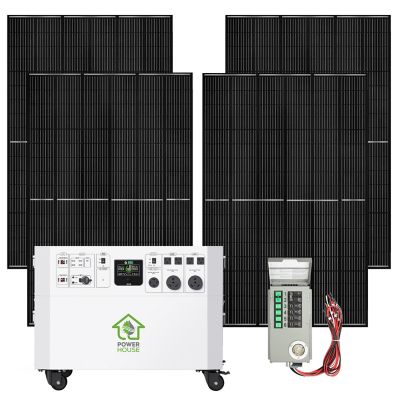
Generators provide dependable backup power when storms, equipment trouble, or an unexpected outage leave a home, barn, shop, or campsite without electricity. For rural families, that extra power can mean more than keeping the lights on. It may help protect food in a refrigerator or freezer, keep a well pump running, support a medical device, power a garage door opener, or keep essential tools and communications available while utility crews work nearby. A generator can also bring comfort during the cooler months, when a short outage may affect heating equipment, or during warmer weather, when fans and cooling systems are needed to make the house livable. The products on this page are suited to a range of backup power needs, from occasional emergency use to more regular support around a property. When comparing options, start by thinking about what truly needs to stay powered. A few lights, a refrigerator, a phone charger, and a sump pump require a different amount of power than a whole home with heating, cooling, well equipment, kitchen appliances, and workshop tools. Checking the starting and running wattage of key appliances can help narrow the choices and prevent the frustration of buying a unit that cannot handle the load. It also helps to consider where the generator will be used, how often it may need to run, how easy it is to move, and whether it will be stored in a garage, shed, utility area, or another protected location. A compact option may fit well for occasional outdoor work or a small cabin, while a larger setup may make more sense for a home, farm office, or shop where reliable power matters day and night.
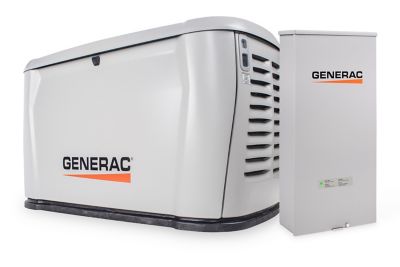
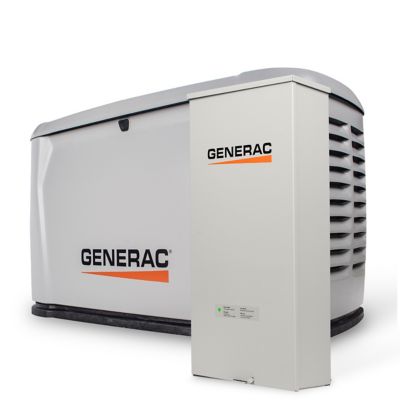
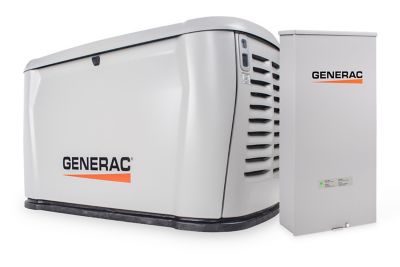
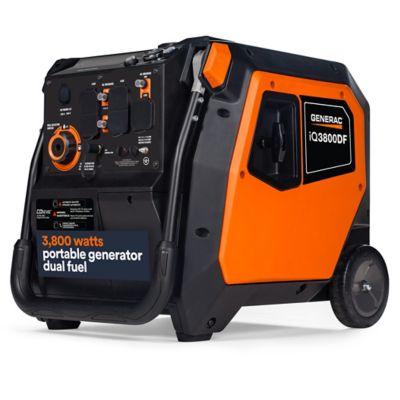
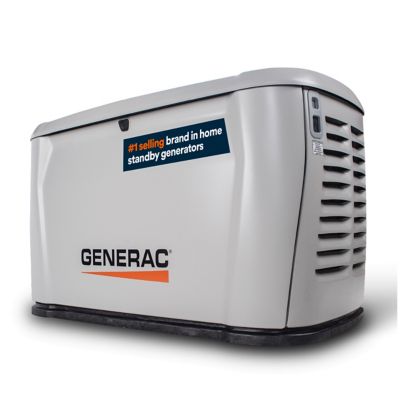
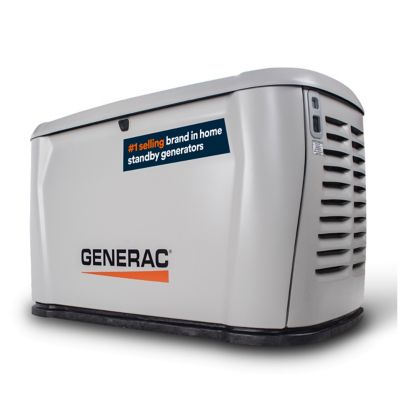
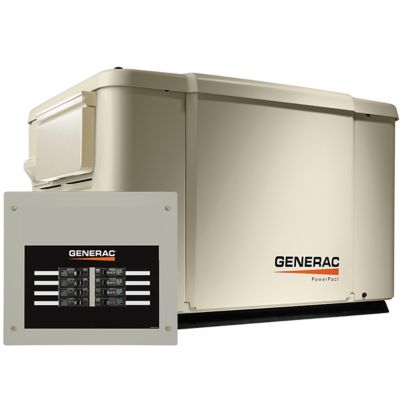
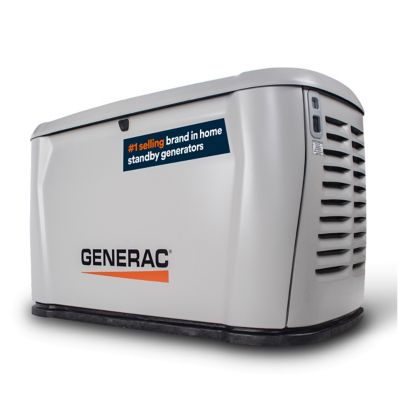
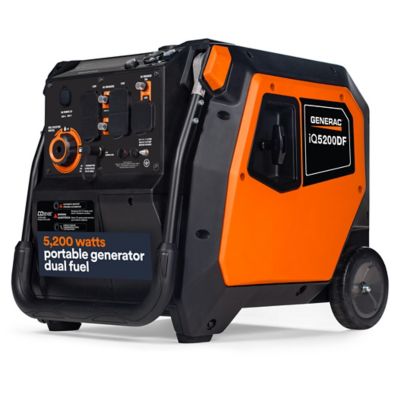
The right setup depends on the property and the people who use it. A portable generator can be useful for homeowners who want flexibility, especially when power is needed in different places around the farm or during outdoor projects. It may run lights and chargers near a work area, help keep a freezer cold during an outage, or provide power at a tailgate, campsite, or hunting cabin. A permanently installed backup system offers a different kind of convenience, with automatic operation and a dedicated connection to selected household circuits or the full home, depending on the installation. Those considering a home backup system can learn more on our page for
Generac Whole House Generators. No matter the style, fuel type and availability deserve a close look. Some households prefer the convenience of a fuel source already used on the property, while others value the ability to store fuel for portable use. Fuel should always be stored in approved containers and handled according to local requirements. Placement matters just as much as output. A running generator belongs outdoors, well away from doors, windows, crawl spaces, and other openings, with plenty of room for exhaust to disperse. Carbon monoxide is colorless and odorless, so a detector inside the home is an important part of a safe backup-power plan. Keep the unit dry, use heavy-duty outdoor-rated cords when appropriate, and follow the manufacturer’s instructions for grounding, connections, refueling, and shutdown. For systems connected to household wiring, a qualified professional should install the proper transfer equipment. This prevents dangerous backfeeding into utility lines and helps make sure the generator and electrical system work together as intended.
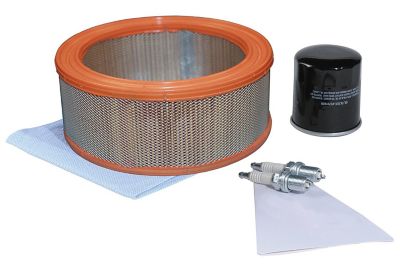
A generator is also a practical gift for someone settling into a rural home, caring for livestock, building a workshop, or preparing a seasonal property for changing weather. It can be a thoughtful choice for new homeowners, grandparents who want extra peace of mind, or family members who live where outages can last longer than expected. Before giving one as a gift, it is worth considering the recipient’s available fuel, electrical needs, storage space, and comfort with routine maintenance. Helpful accessories and supplies can make the setup easier, including weather protection designed for generator use, heavy-duty extension cords, fuel containers, maintenance items, and carbon monoxide detectors. Regular care goes a long way toward keeping backup power ready. Inspect the unit before storing it, check oil and fuel according to the instructions, look for worn cords or loose connections, and run the equipment on the recommended schedule so it does not sit untouched until an emergency arrives. Keep a simple list of the appliances and circuits the generator is intended to support, along with the location of shutoffs, cords, fuel, and safety equipment. During storm season and the cooler stretch of the year, that bit of preparation can save time when the wind is pushing against the windows and the lights suddenly go out. Whether the goal is protecting a freezer full of garden produce, keeping a well pump available, powering a barn light, or maintaining a comfortable place for the family, the products in this collection can help make a backup plan more dependable. Choose the capacity, fuel arrangement, portability, and connection method that fit the property, then keep safety and regular maintenance at the center of the setup.