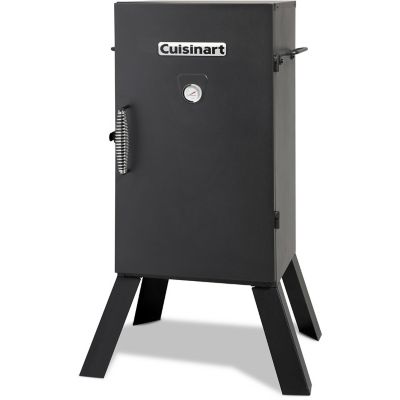
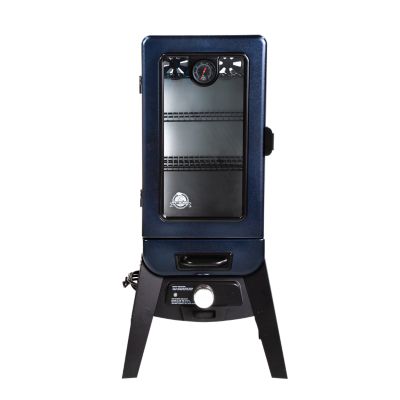
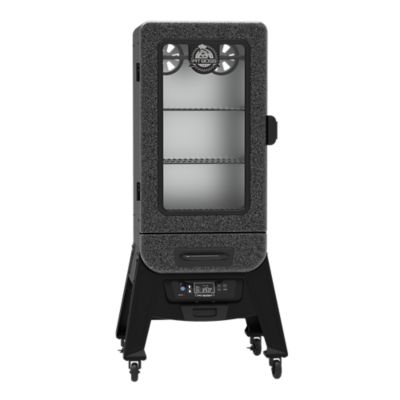
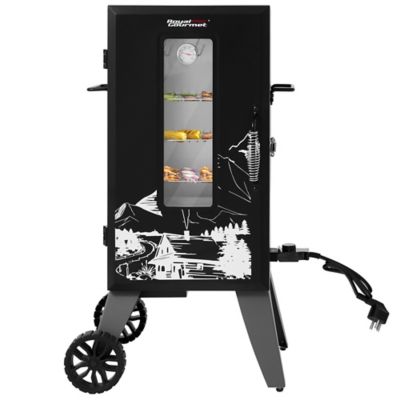
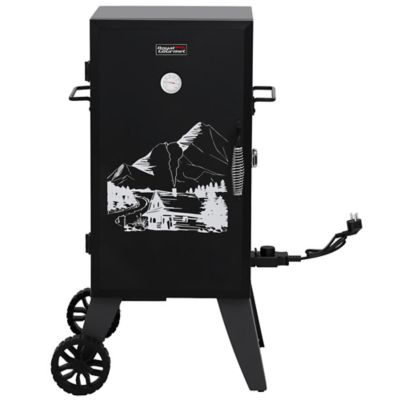
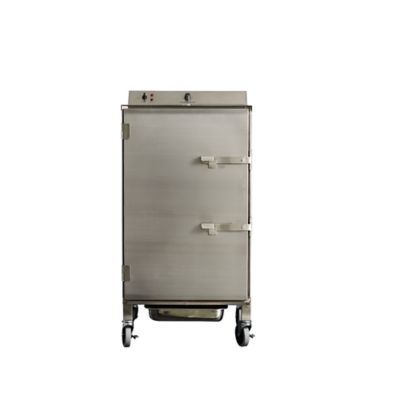
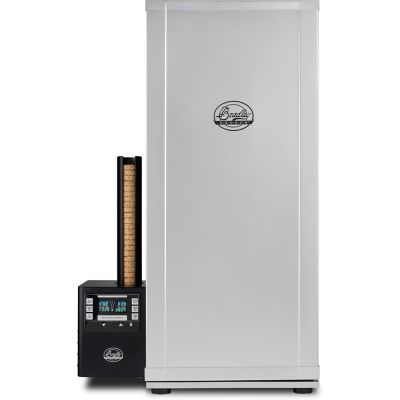
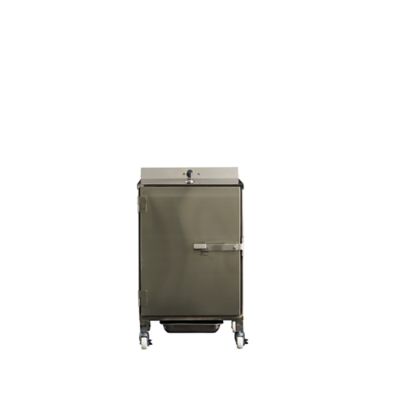
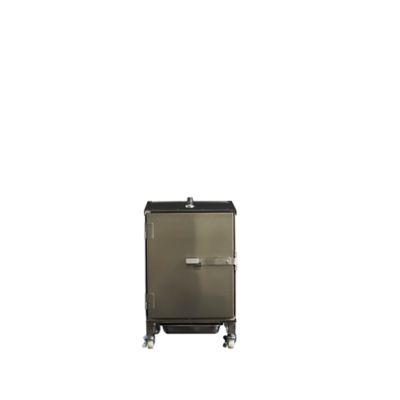
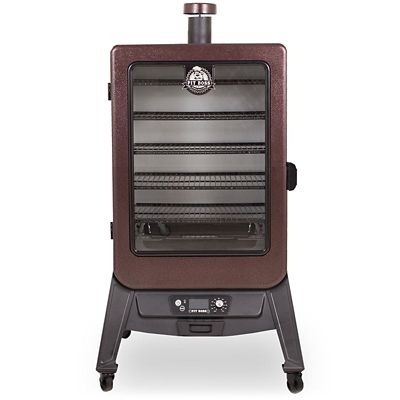
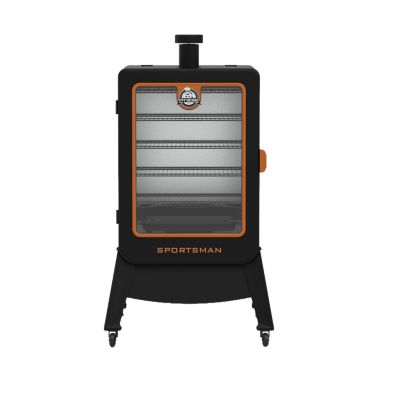
An electric vertical smoker brings slow-cooked barbecue to the backyard without taking up the same floor space as a wide, barrel-style cooker. Its upright cabinet holds cooking racks one above another, making room for several cuts of meat while keeping the footprint manageable. An electric heating element supplies the heat, and wood chips or another manufacturer-approved smoking material add the smoke that gives pork shoulder, ribs, poultry, and other foods their familiar barbecue flavor. That arrangement suits folks who enjoy a long cook but would rather manage a control dial or digital panel than tend a charcoal fire. It also makes sense for someone adding a dedicated smoker alongside a grill: the grill can handle burgers and a quick sear, while the smoker takes care of the slow work. Electric vertical smokers vary in cooking capacity, rack layout, controls, and cabinet construction, so the right fit depends on what usually lands on the supper table. A smaller household may have more use for a compact cabinet with a few easy-to-reach racks, while someone who cooks for family gatherings may appreciate extra space between shelves and room for larger cuts. Total cooking area tells only part of that story. Rack width matters when a full slab of ribs is on the menu, and clearance between racks matters for a whole chicken or a tall roast. Removable shelves can make the interior more flexible, though taking a shelf out also reduces the number of cooking levels. For a practical sense of size, picture the actual meal: a pork shoulder on one rack, a pan of beans below it, and enough open space for heat and smoke to circulate. That picture often says more than a capacity number alone. A cabinet that fits everyday meals comfortably can be a better match than one chosen only for the biggest gathering of the year.
Construction and controls shape how an electric vertical smoker feels from the first load of food to the last bit of cleanup. Steel cabinets are common, with finishes and interior materials differing by model. Stainless steel surfaces can simplify wiping down grease and cooking residue, while coated exterior panels need care that protects their finish from scratches. Insulated walls, a well-fitting door, and a secure latch help hold cooking heat inside the cabinet. Door seals deserve attention, too, since a snug closure helps limit heat and smoke loss around the opening. Some cabinets have a viewing window, which offers a look at the food without opening the door, although smoke residue can cloud the glass over time. Solid-door designs skip that extra surface to clean. Analog controls offer a straightforward approach, while digital panels may provide a set cooking temperature, timer functions, or connections for food probes. Features differ, and a cabinet temperature reading is not the same as the internal temperature of the meat. A food thermometer remains important for checking doneness, especially when cooking poultry or loading several cuts of different sizes. Wood-loading access is another everyday detail worth considering. A separate loader or access door can make adding smoking material less disruptive than opening the main cabinet, when that feature is part of the design. Water pans, drip trays, and grease collection systems also influence the cooking experience. A water pan, where included, adds moisture to the cooking chamber and can help moderate heat swings; it does not replace watching the food or following the smoker’s operating directions. Racks that slide out smoothly, handles with enough room for heat-resistant gloves, and removable trays become especially welcome when a roast is ready and the kitchen counter is waiting. Those small details matter through a long afternoon of cooking, not just when the cabinet is sitting clean on the patio.
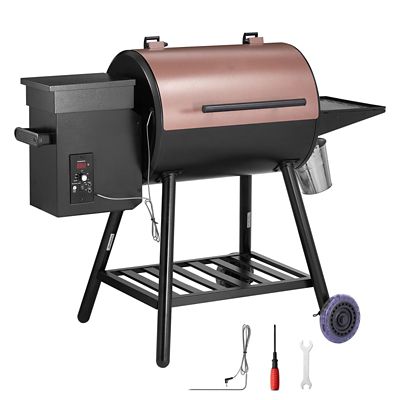
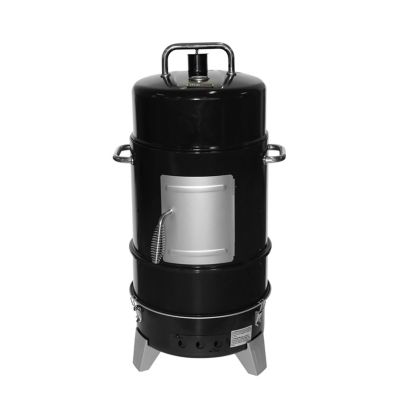
An electric vertical smoker fits best into a cooking setup with a stable, level outdoor surface, the clearances specified by its manufacturer, and access to a suitable electrical outlet. It is an outdoor cooking appliance, not a cooker for a garage, shed, or enclosed porch. The cord location and power requirements are worth checking against the intended spot before settling on a cabinet size. Cooking space and storage space both count: the door needs room to swing open, racks need room to slide out, and a loaded drip tray needs a clear path to the cleanup area. Wheels and side handles can help with repositioning some designs, but an upright cabinet is not automatically built for frequent travel. Folks comparing a home smoking setup with something easier to take along can also consider a
Portable Smoker, with close attention to carrying weight, fuel or power needs, and transport dimensions. For a cabinet that stays near home, thoughtful care helps preserve its finish and keep its working parts in good shape. Once the appliance has cooled and is unplugged, removable racks and pans are generally the main cleanup points, with the manufacturer’s directions setting the method for each material. Grease buildup, food scraps, and ash should not be left to accumulate, and electrical components need protection from water during cleaning. A cover sized to the cabinet can help protect it between cooks, provided the smoker is cool and dry before covering. Replacement-part compatibility, accessible trays, and straightforward rack removal are worth weighing for long-term ownership. These smokers can make a fitting gift for a backyard cook who enjoys feeding the family, a hunter who likes preparing game, or someone ready to move beyond grilling steaks and chops. The best match reflects that person’s space, cooking habits, and willingness to handle cleanup. From a quiet Sunday meal to a table full of relatives, an electric vertical smoker offers room to settle into the steady pace of barbecue, with practical features that make the work more manageable.