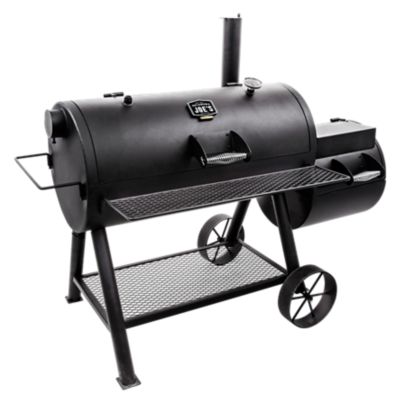
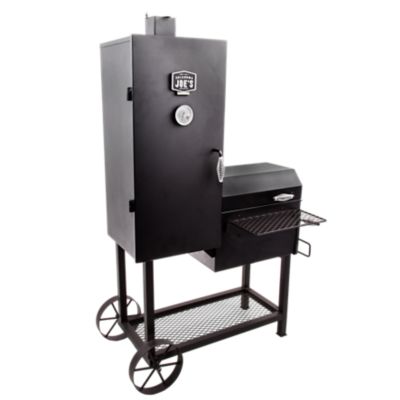
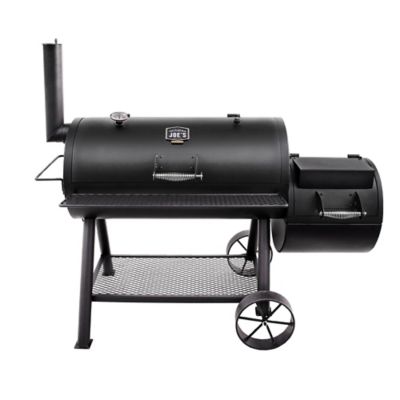
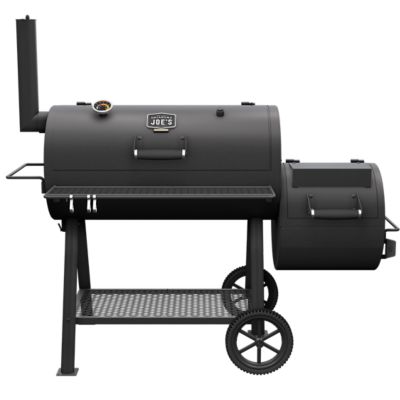
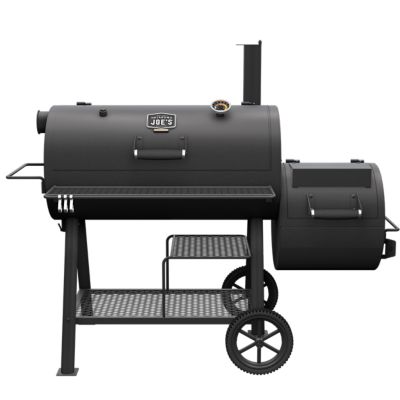
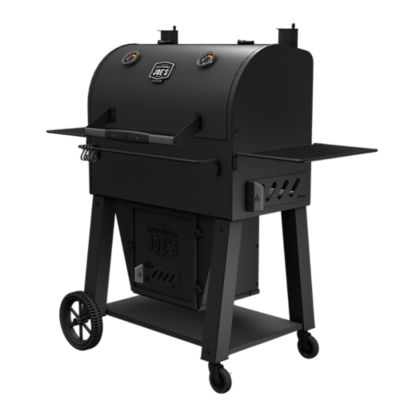
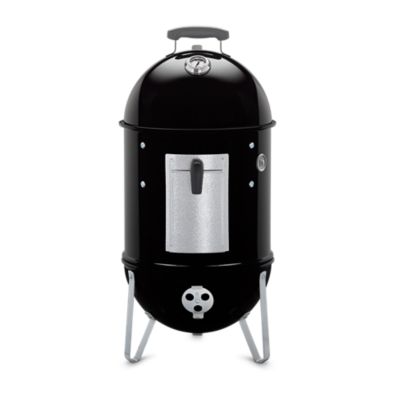
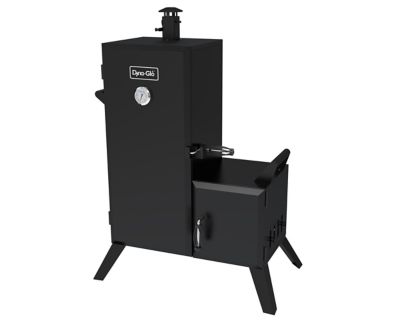
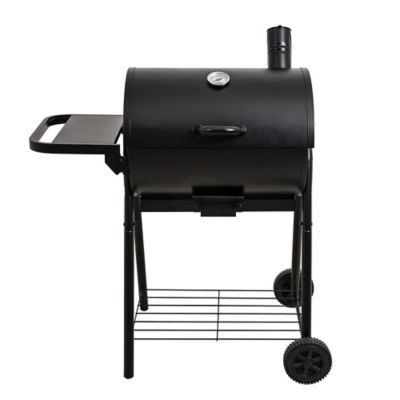
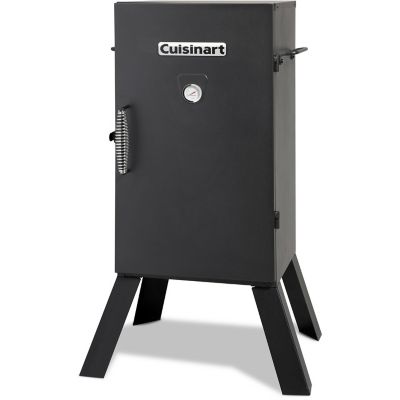
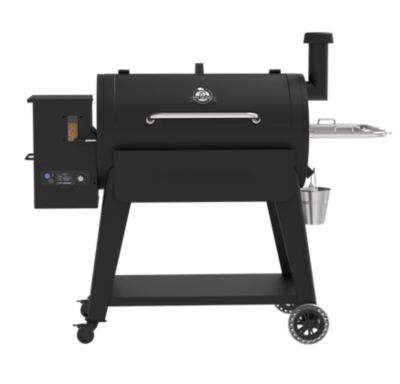
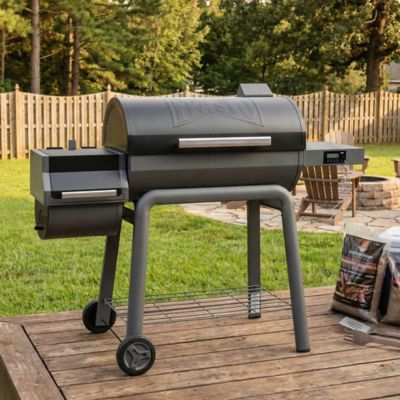
A backyard smoker brings together a steady fire, a roomy cooking chamber and the kind of wood-fired flavor that makes a long cook worth the wait. Offset smokers, charcoal drum smokers and designs with automated fuel controls offer different ways to get there, with the right fit depending on how much food is on the menu and how involved the cook wants to be. An offset smoker pairs a main cooking chamber with a separate firebox, allowing heat and smoke to travel across the food before leaving through the exhaust. That layout gives the cook room to manage a charcoal bed, add wood splits and adjust airflow without opening the main lid every time the fire needs attention. Reverse-flow designs route heat beneath a plate before directing it back across the cooking chamber, helping moderate the heat differences found in a traditional offset layout. Upright drum smokers take a more compact approach, placing the fuel below the cooking space and using intake and exhaust vents to manage the burn. Depending on the design, racks or hanging hooks can accommodate ribs, poultry and larger cuts without requiring a wide cooking chamber. Some charcoal smokers add fan-assisted temperature controls or automated fuel feeding, reducing the amount of hands-on fire tending while still cooking over solid fuel. Those features may require electricity, so power access belongs in the planning along with fuel storage and cooking space. Across these styles, cooking capacity means more than a single square-inch figure. Main cooking space, secondary racks and any grilling area in the firebox may be counted separately or combined in the listed total. A broad cooking grate can suit a whole brisket laid flat, while a taller chamber may better accommodate hanging ribs. Checking grate dimensions, lid clearance and usable rack spacing gives a clearer picture of whether a smoker fits supper for the family or a spread that includes several pork shoulders and a pan of beans.
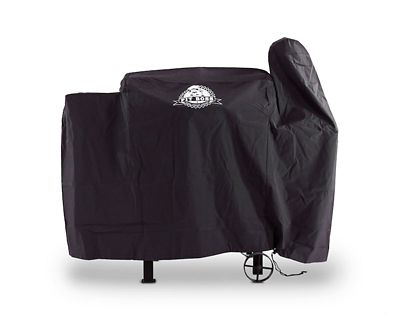
Construction makes a difference in how a smoker feels to operate and how much attention it needs between cooks. Heavy-gauge steel adds weight and helps the cooking chamber hold heat, while well-fitting lids, sound welds and adjustable vents support better control over the fire. Steel thickness is only part of the picture; hinge alignment, handle placement and access to the firebox also affect everyday use. A lid that lifts comfortably and a firebox door that opens without crowding a nearby shelf can matter more during a long cook than an extra rack that rarely gets filled. Grate materials bring their own tradeoffs. Cast iron holds heat well but needs care to limit rust, while porcelain-coated grates offer a smooth cooking surface that needs gentle cleaning to protect the coating. Stainless steel grates resist corrosion, though they still need grease and food residue removed. Built-in temperature gauges provide a useful reference, but a separate grate-level probe can show conditions closer to the food, especially in a wide chamber with hotter and milder areas. Shelves give trays, utensils and gloves a landing spot; sturdy wheels and balanced handles help when moving a heavy cooker across a firm, level surface. Overall dimensions deserve a close look, including space for the lid to open, the firebox door to swing and the cook to work without squeezing past a hot surface. Smokers belong outdoors on a stable, noncombustible surface with the clearances specified by the manufacturer, never inside a garage, barn or other enclosed space. Long-term care also starts with the design. Accessible ash cleanouts, removable grates and reachable grease drains make routine cleanup less of a chore. Once everything has cooled completely, removing ash and grease buildup helps limit corrosion and flare-ups. Dry storage, care for exposed metal and attention to the manufacturer’s seasoning instructions help keep the cooking surfaces ready for the next meal. A properly fitted cover belongs on a cool, dry smoker rather than over trapped moisture.
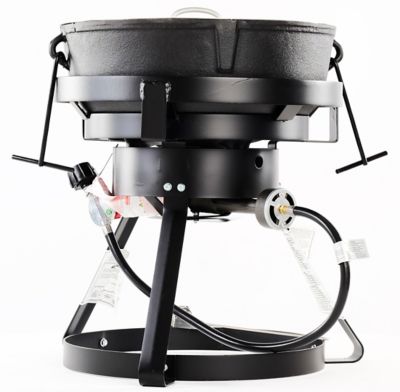
The best match also depends on what a cook enjoys making and where the smoker will do its work. Someone who likes tending a wood fire may appreciate the open-ended control of an offset, along with room to position a brisket away from the strongest heat. A cook who favors a smaller footprint may lean toward a drum design, especially when the meal centers on ribs, chicken or a pork shoulder. Automated controls can suit someone who wants fewer fire adjustments during a long barbecue session, although no control system removes the need to watch the cooker and follow safe food-handling practices. Fuel compatibility matters just as much as layout: charcoal, wood splits, chunks and pellets are not interchangeable across every smoker, and the manufacturer’s directions should determine what goes into the fire. Hardwood choice adds another layer of flavor, with oak offering a familiar barbecue foundation, hickory bringing a stronger smoky character and fruitwoods often lending a milder touch. A clean-burning fire and sensible fuel additions help keep that flavor balanced rather than harsh. For cooks who take their barbecue to a campsite, tailgate or family gathering, a
Portable Smoker can make more sense than a full-size backyard setup, provided its weight, footprint and lifting points suit the trip. Transport planning should include space for fuel and tools, secure placement and enough time for the cooker to cool fully before loading. For a gift, practical fit matters more than sheer size. An experienced pit cook may value generous grate space and direct fire management, while someone getting started may appreciate straightforward controls and easy access for cleaning. Either way, a smoker should suit the recipient’s cooking space, fuel preferences and usual crowd. From a quiet family supper to a backyard table lined with sliced brisket, ribs and smoked vegetables, the right configuration leaves room to cook the food people enjoy without turning every meal into a wrestling match with the equipment.