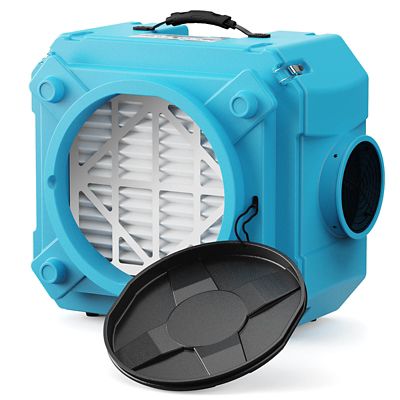
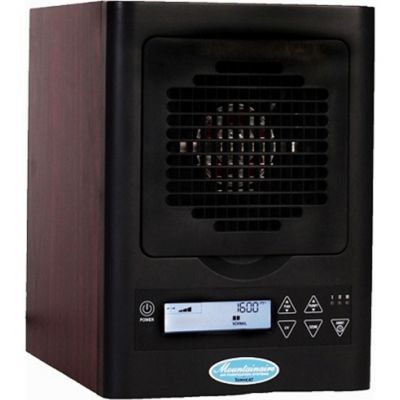
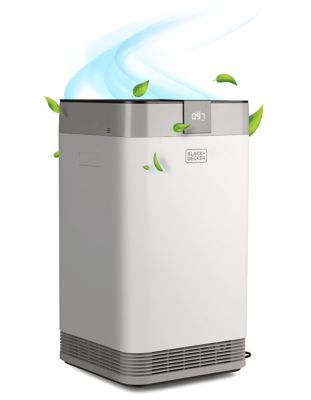
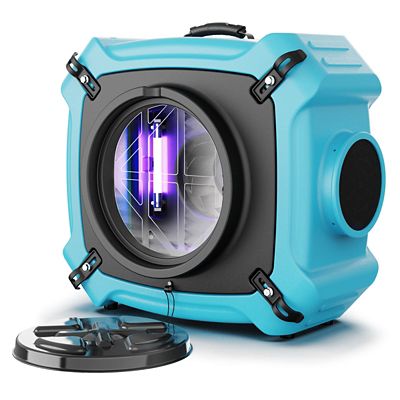
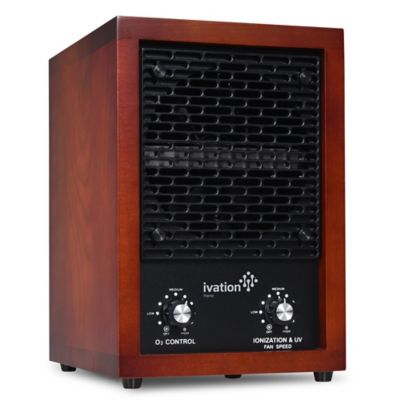
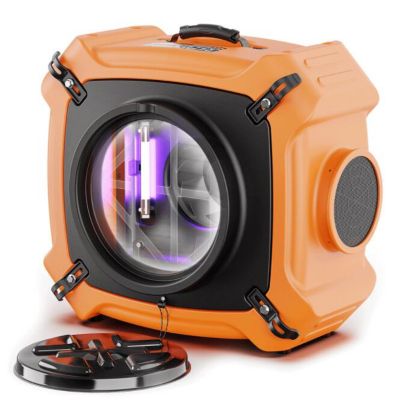
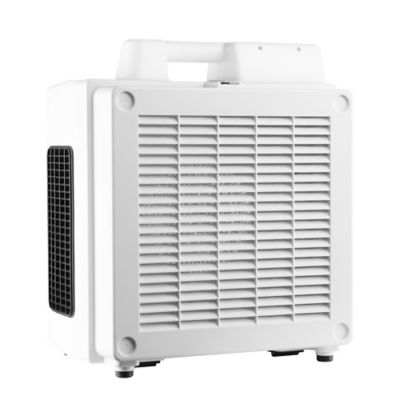
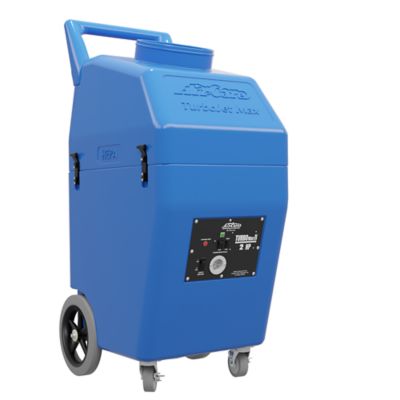
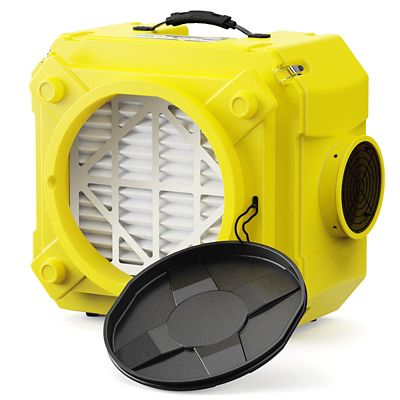
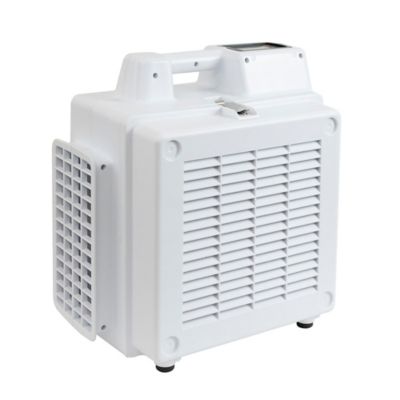
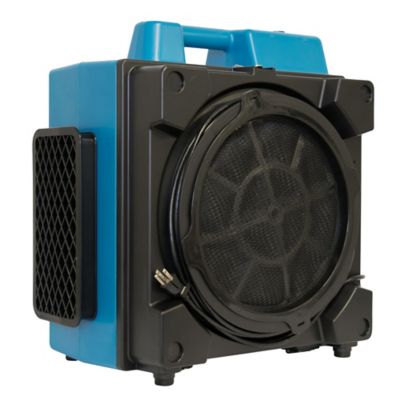
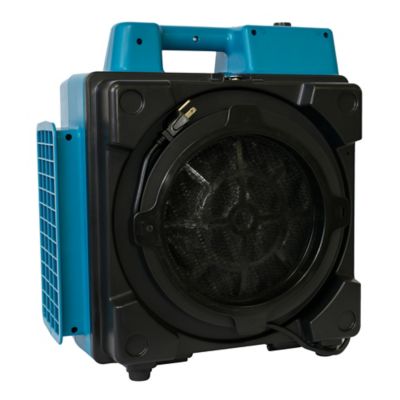
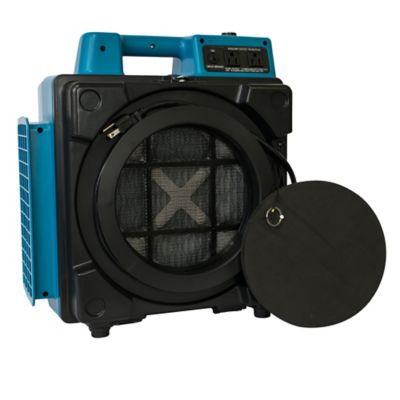
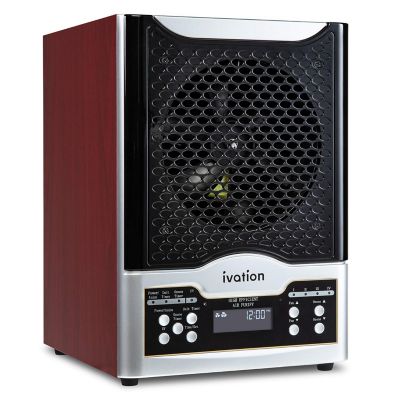
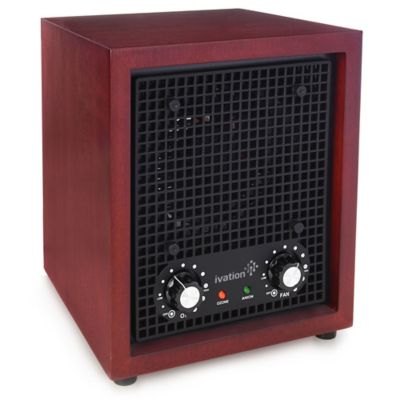
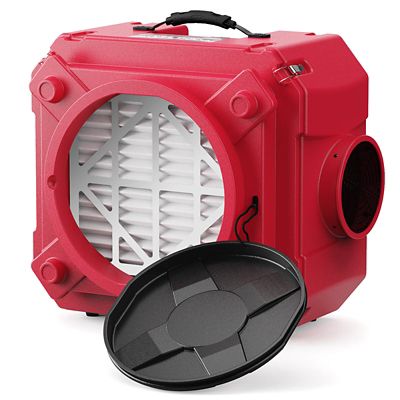
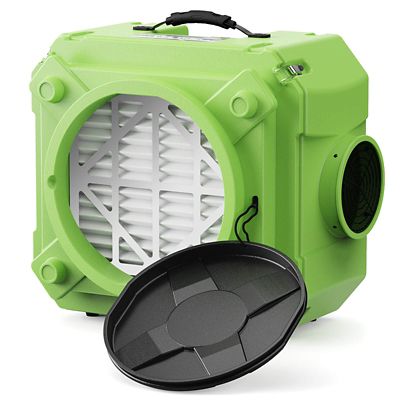
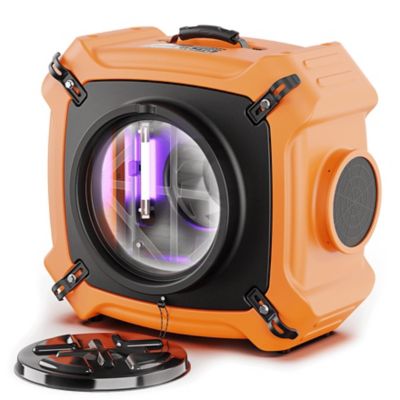
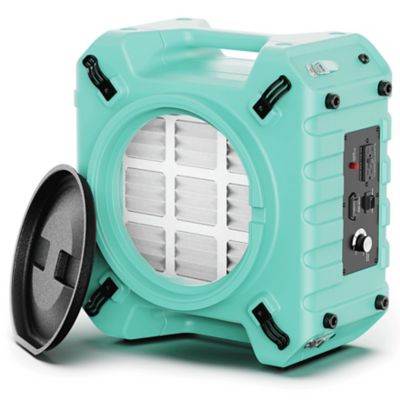
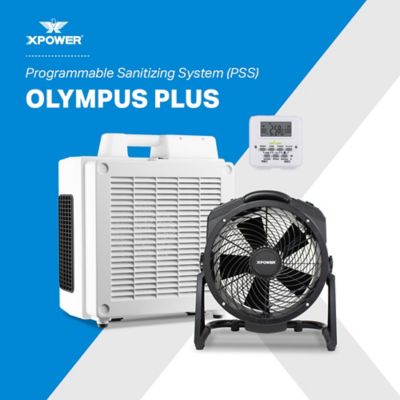
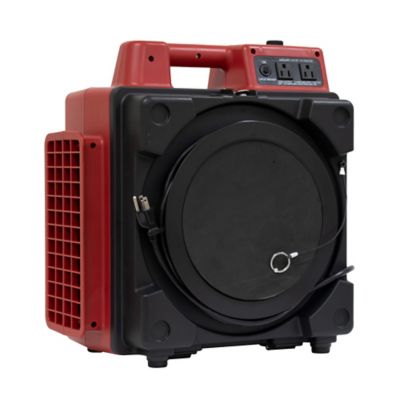
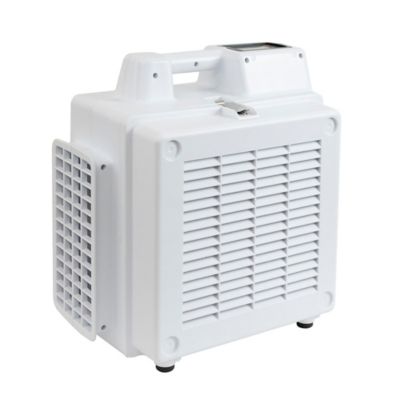
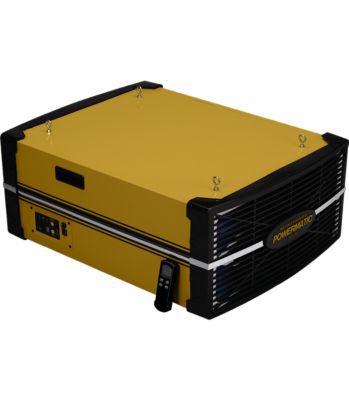
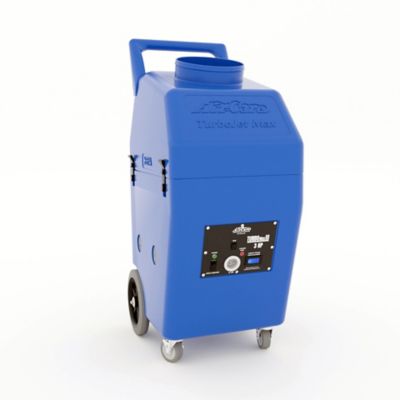
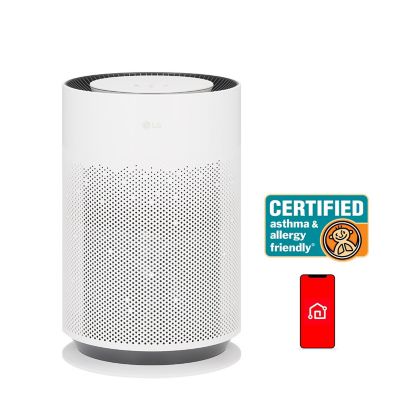
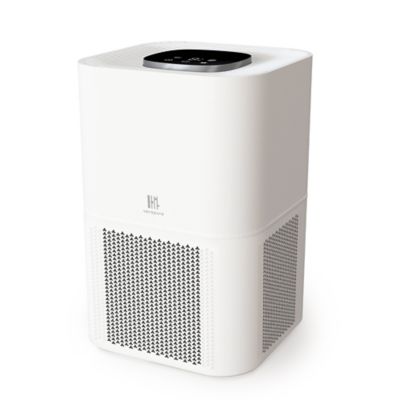
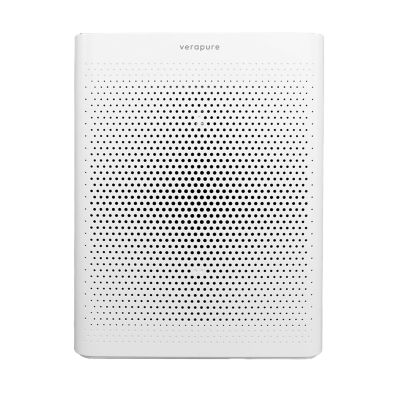
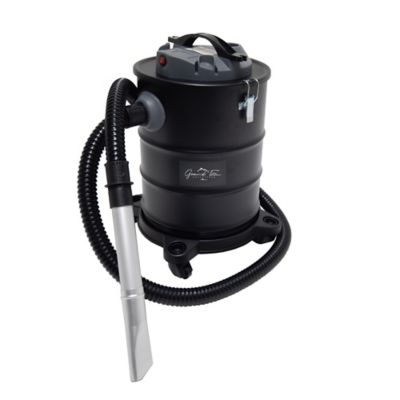
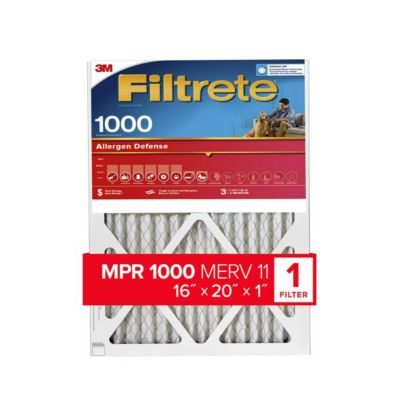
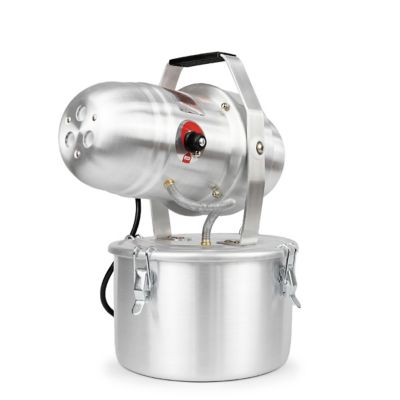
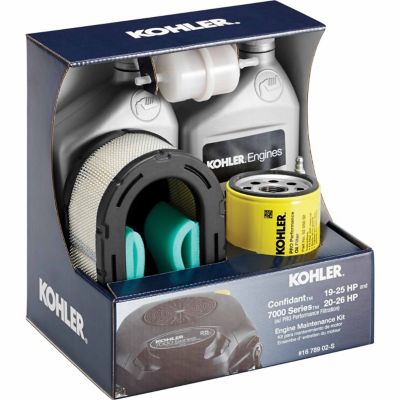
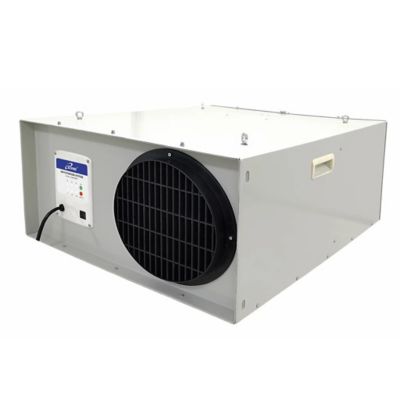
Commercial air cleaners help reduce airborne particles in shared indoor spaces, including offices, retail areas, maintenance shops, classrooms, and warehouses. These systems draw room air through filters, capture certain contaminants, and return filtered air to the space. Depending on their filtration setup, they may target dust, pollen, airborne pet dander, fine particles from smoke, or certain odors and gases. A busy farm office, a repair shop’s front counter, and a large employee break room can all have different filtration needs, even when they share the same building. Commercial air purifiers generally emphasize higher airflow, larger filter capacity, and operation suited to longer workdays, though performance varies by model and configuration. Portable floor units provide flexibility where room layouts change, while wall-mounted and ceiling-mounted systems keep equipment out of walking paths. Duct-connected equipment serves a different role and needs to match the building’s ventilation system. Construction and restoration air scrubbers may offer duct connections and containment-related features that ordinary room purifiers do not. Those distinctions matter: a unit intended to recirculate air in an office is not automatically suited to collecting dust at a saw, controlling welding fumes, or ventilating a paint area. General room filtration supplements housekeeping, ventilation, and source controls rather than taking their place. For shop owners, property managers, school maintenance crews, and folks running a business out of a larger work building, the right category starts with the space and the material floating through it. Dust tracked through a doorway calls for a different approach than solvent vapors. An air cleaner also cannot remove dirt already settled on shelves or floors until that material becomes airborne and reaches the filter. Its job is steady air treatment within its rated capabilities, not a substitute for sweeping practices that limit dust, properly maintained exhaust equipment, or any required workplace protection. That makes commercial air cleaning one part of keeping a working building ready for the people who spend time there.
Filtration stages explain much of what a commercial air cleaner can handle. A prefilter catches larger debris, such as lint and coarse dust, before it reaches the finer filter behind it. That first stage can help keep the main filter from loading too quickly in a space with regular foot traffic or frequent deliveries. A true HEPA filter captures at least 99.97 percent of particles measuring 0.3 microns under specified test conditions, but that filter rating alone does not establish how quickly an entire room gets cleaned. Airflow, cabinet sealing, placement, and operating speed all affect whole-system results. HEPA media addresses particles, not gases. Activated carbon or other sorbent media may help reduce certain odors and gaseous pollutants, including some volatile organic compounds, with results depending on the substance, the amount of media, and contact time. A thin carbon layer does not offer the same gas-holding capacity as a substantial sorbent bed. Neither ordinary particle filtration nor a general odor filter should be treated as protection against carbon monoxide or an oxygen-deficient atmosphere. Room size matters just as much as filter type. Square-foot coverage figures only tell part of the story because ceiling height and the air-change assumptions behind those figures can differ. A high-ceiling warehouse contains far more air than an office with the same floor area. Clean air delivery rate, where reported, helps describe the volume of particle-filtered air a system supplies; fan airflow alone is not necessarily equivalent. For perspective, a 1,000-square-foot room with a 10-foot ceiling contains 10,000 cubic feet of air. Providing six equivalent air changes per hour would require about 1,000 cubic feet per minute of clean air delivery under simplified, well-mixed conditions. That is a sizing illustration, not a universal target. Open doors, connected rooms, ongoing dust sources, and partitions can change what a space needs. In a divided office or a long shop with several enclosed work areas, multiple appropriately sized units may distribute filtered air better than one machine tucked into a corner.
Everyday fit comes down to how the equipment shares space with the work going on around it. In a reception area, sound levels at the intended fan setting may matter as much as the cabinet’s footprint. Near a parts counter, a clear intake and discharge path helps prevent shelving, boxes, or furniture from blocking circulation. In a maintenance building, handles and locking casters can make a portable air cleaner easier to relocate between suitable work areas, provided its weight and the floor surface allow safe movement. Steel cabinets can suit demanding work settings, while molded polymer housings may reduce carrying weight and resist some forms of corrosion; the manufacturer’s environmental ratings still determine where either belongs. Impact resistance, stable footing, protected controls, and secure filter access are practical details for equipment that spends its day around carts, boots, and busy walkways. Wall and ceiling installations need appropriate structural support, electrical access, and enough clearance for filter changes. Power requirements deserve attention, especially when several machines share a circuit with tools or other equipment. Controls can range from straightforward speed settings to timers, filter reminders, and particle sensors. Automatic operation can respond to the conditions a sensor detects, but a particle sensor does not identify every gas or airborne hazard. Care requirements also influence how well a system fits a work routine. Prefilters may need frequent attention in dusty spaces, while main filters and carbon media require replacement according to their condition and the manufacturer’s directions. Washable components should be cleaned only as directed, and HEPA filters should not be washed unless expressly designed for it. Keeping service panels accessible makes those tasks less of a chore. Replacement filter dimensions, seals, and installation direction must match the equipment to prevent air from bypassing the media. For smaller residential rooms rather than shared business spaces,
Home Air Purification covers the household side of air treatment. Commercial settings call for a closer match between filtration performance, room volume, daily operating demands, and the maintenance the building’s crew can carry out consistently.