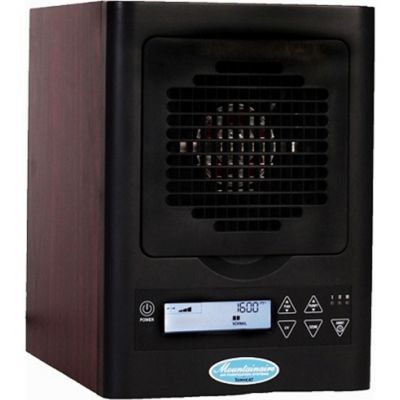
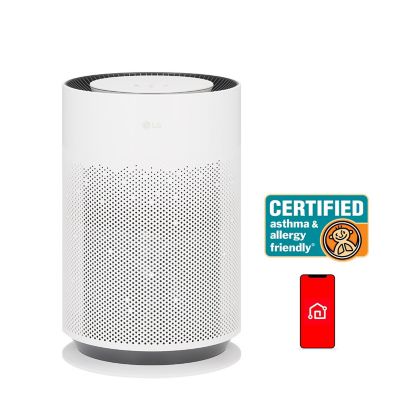
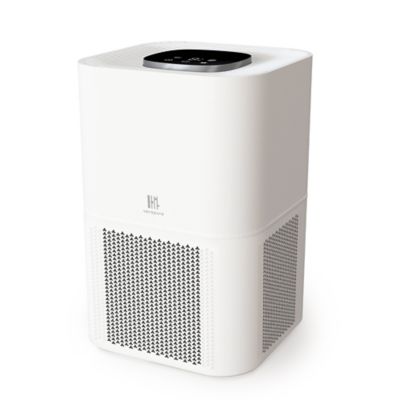
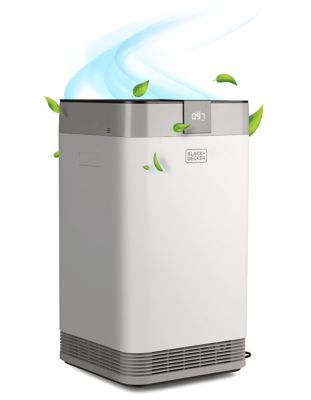
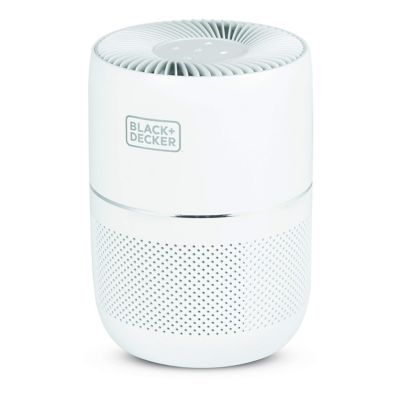
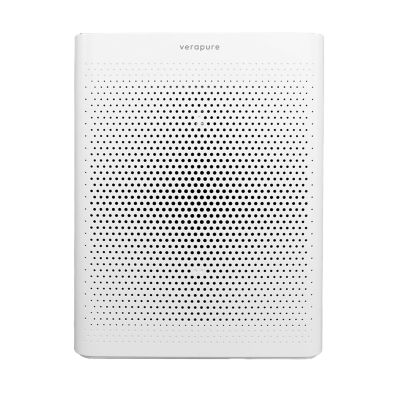
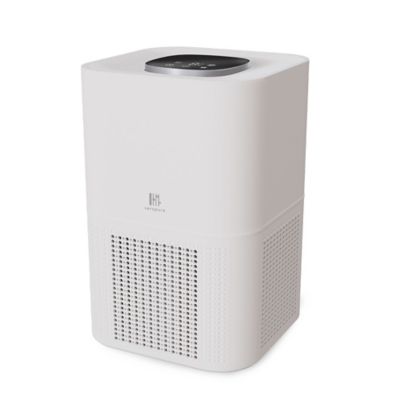
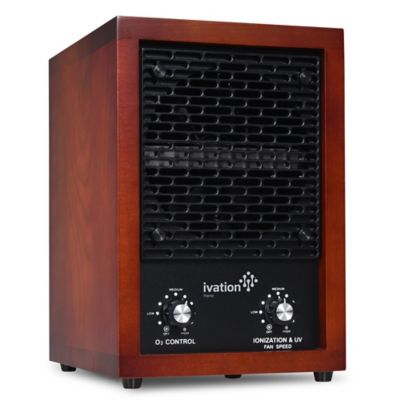
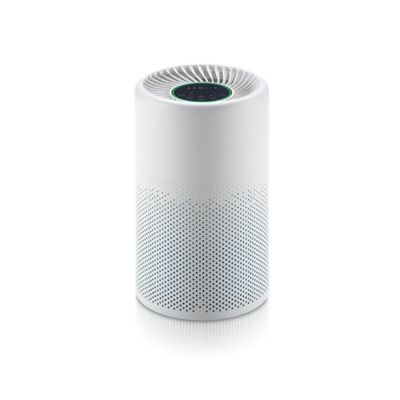
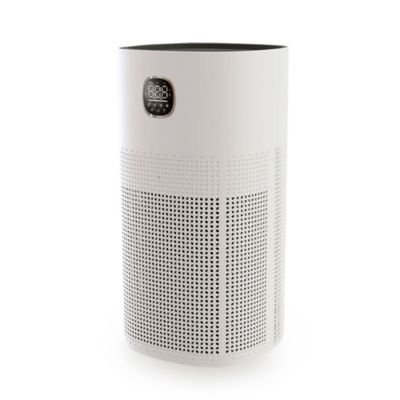
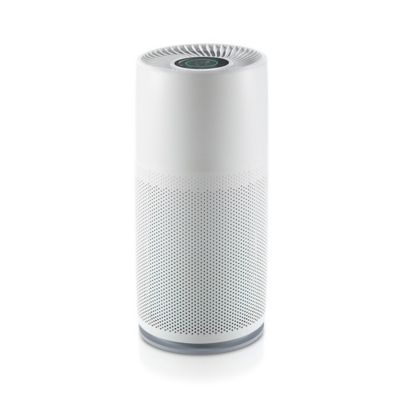
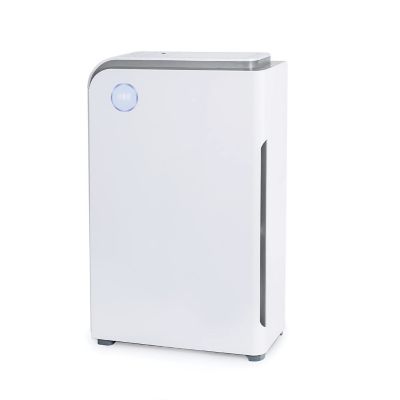
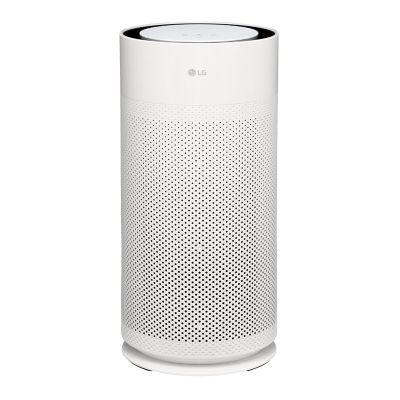
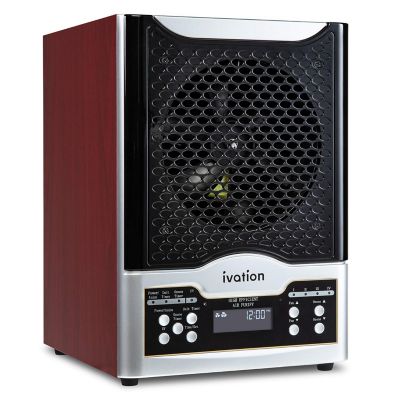
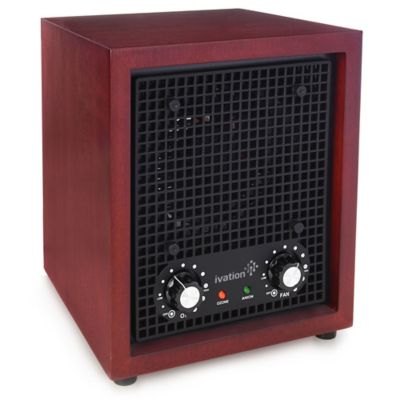
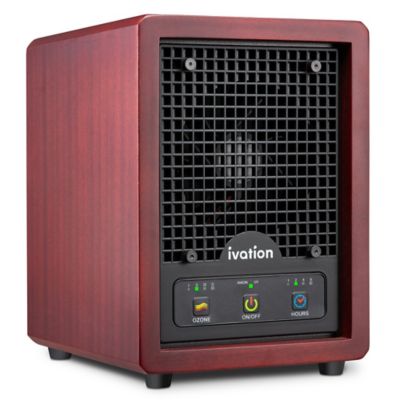
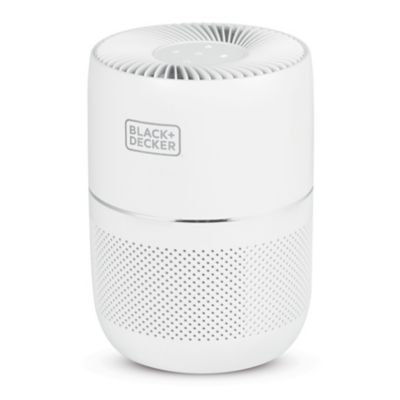
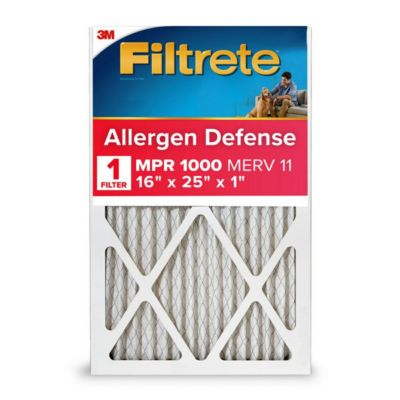
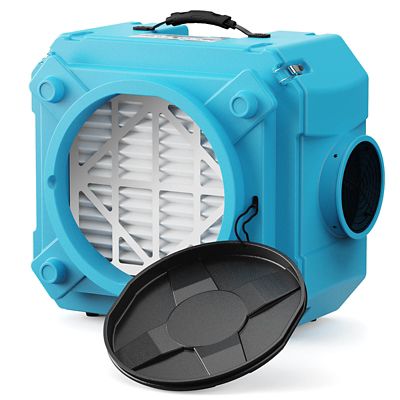
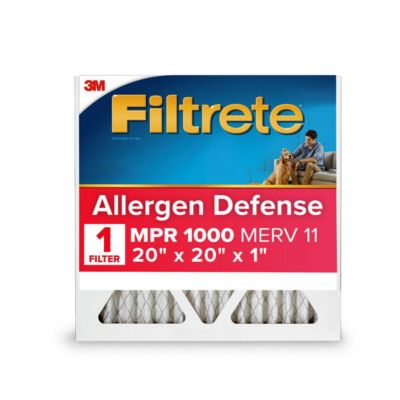
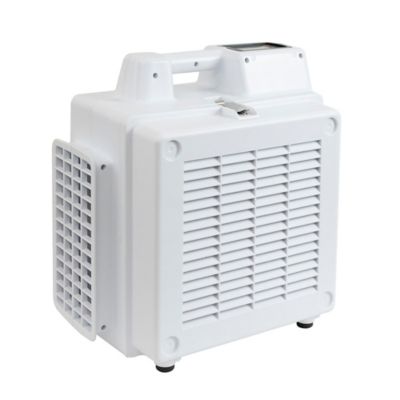
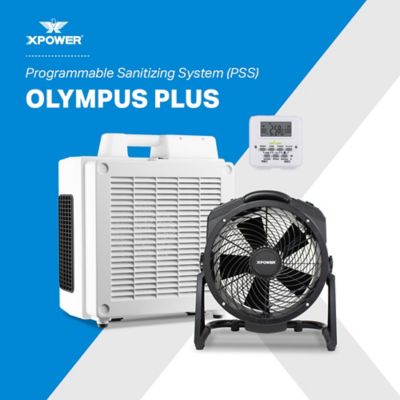
Cleaner indoor air can make a home feel more comfortable, especially when dust, pet hair, pollen, cooking smells, smoke, or musty odors seem to settle in every room. Home air purification products are designed to help freshen the air in bedrooms, living rooms, offices, nurseries, workshops, and other enclosed spaces. Portable room air purifiers are a handy choice when you want to focus on one area at a time. They can be moved from a bedroom at night to a family room during the day, or placed near a pet bed, litter area, entryway, or workbench where airborne dust tends to collect. Whole-house air cleaning systems work differently by connecting with the home’s HVAC ductwork, helping circulate filtered air throughout the house. Choosing between a portable unit and a whole-house setup usually comes down to the size of the space, your heating and cooling system, and the type of air concerns you want to address. Portable units are often a practical fit for renters, smaller homes, guest rooms, and anyone who wants room-by-room control. They can also make a thoughtful gift for a new homeowner, a college student setting up a dorm or apartment, a family with pets, or someone preparing a baby’s nursery. During warmer weather, open windows and outdoor activity can bring in pollen, dust, and grass particles; as the cooler months arrive and homes stay closed up more often, indoor odors and fine particles may become more noticeable. An air purifier can be part of a broader home-care routine that includes regular vacuuming, washing bedding, grooming pets, changing HVAC filters, and keeping moisture under control. It is not a replacement for ventilation, cleaning, or medical care, but it may help reduce airborne particles in the room where it operates. Keep doors and windows closed when using a portable unit for the best results, and place it where air can move freely rather than pushing it against a wall, curtain, or piece of furniture. Families dealing with seasonal allergies, pet dander, household dust, wildfire smoke, or lingering cooking odors may find it useful to run a properly sized unit for several hours or according to the manufacturer’s instructions. People with asthma or other health concerns should ask a health professional about their individual needs, since air purifiers are not intended to diagnose, treat, or prevent illness.
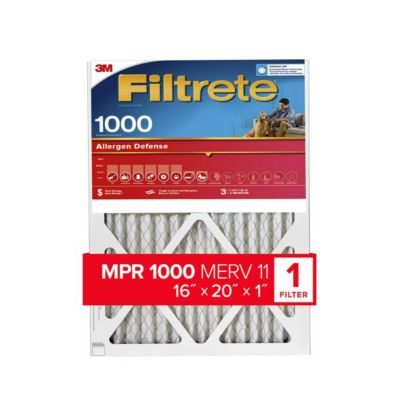
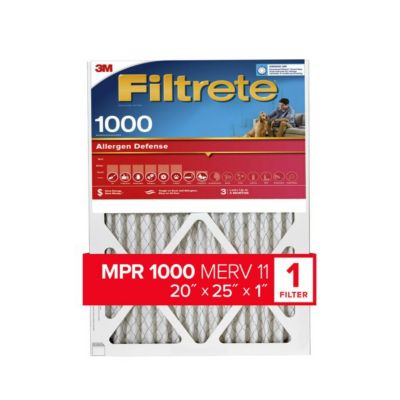
When comparing home air purification products, start with the room’s square footage and choose a model rated for that specific space. A small purifier may work well in a bedroom or office but cannot clean an entire home as effectively as a system designed for a larger area. Look at the clean air delivery rate, recommended room size, noise level, fan settings, controls, and filter replacement costs before making a purchase. A quiet setting can be helpful for light sleepers, nurseries, and home offices, while a stronger fan speed may be useful after cooking, cleaning, or bringing dusty gear in from outside. For fine particles such as dust, pollen, smoke, and pet dander, look for a true HEPA filter; a properly rated HEPA filter can capture up to 99.97% of particles measuring 0.3 microns under test conditions. Many products also include an activated carbon filter or carbon layer to help reduce household odors and certain gases or volatile organic compounds. Carbon works best when there is enough material in the filter to absorb odors, so compare the filter design rather than assuming every carbon layer performs the same way. A washable or vacuumable pre-filter can catch larger hair and lint before they reach the main filter, helping support overall performance and making upkeep easier. Check whether replacement filters are readily available, how often the manufacturer recommends changing them, and whether the unit provides a filter-change indicator. In many homes, the pre-filter needs attention about once a month, while HEPA filters may last roughly six to 12 months and carbon filters may need changing more often, depending on use, smoke, pets, dust levels, and indoor conditions. Always follow the care directions for the specific unit. Avoid products that intentionally release ozone, and use caution with ionizer settings, since ozone can irritate the lungs and is not a good fit for every household. Air purification, air sanitizing, and air humidifying are different functions, so shoppers looking for another type of indoor-air product can browse
Air Sanitizers as well. For everyday use, set the purifier on a firm, level surface, keep cords out of walkways, and give the intake and exhaust vents plenty of clearance. In a farmhouse, garage apartment, or busy family home, small habits make a difference: brush off dusty coats before they come inside, clean pet bedding regularly, and use kitchen or bathroom exhaust fans when appropriate. With the right size, filter combination, and maintenance routine, home air purification products can be a useful part of keeping indoor spaces feeling fresher through changing weather and all the ordinary messes that come with country living.