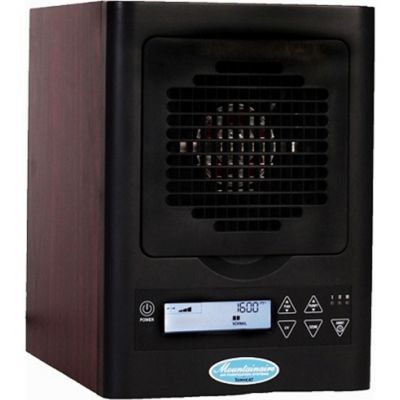
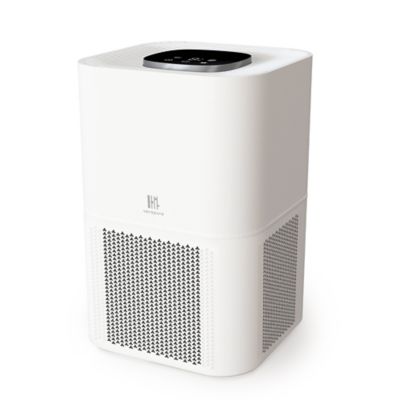
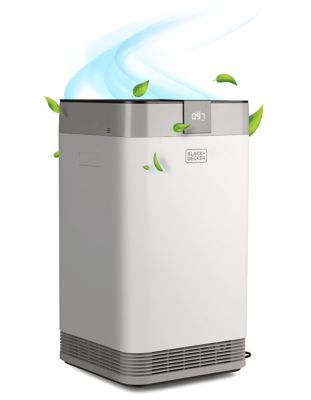
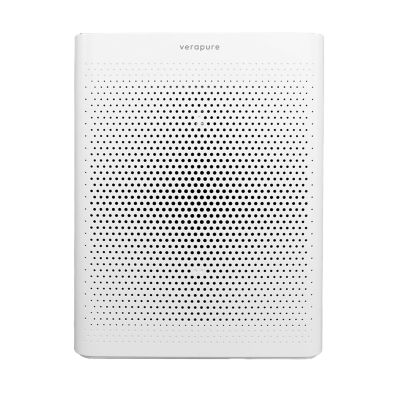
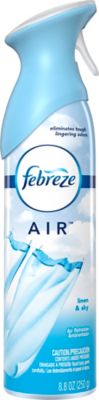
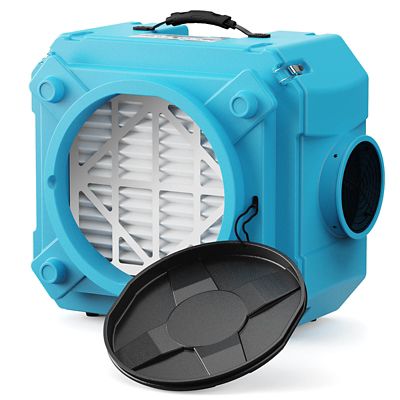
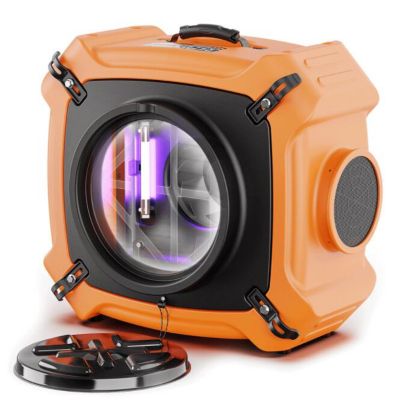
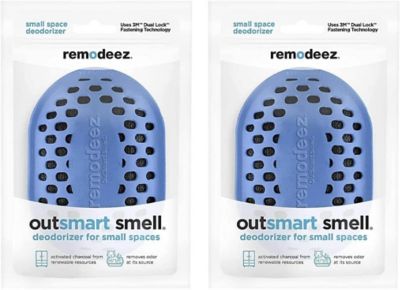
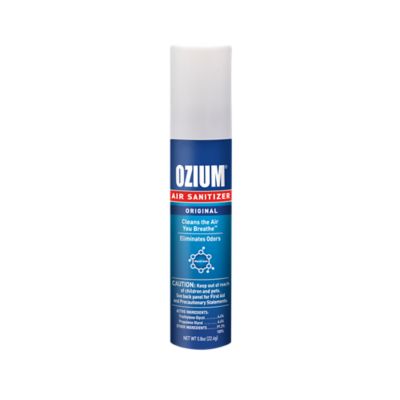
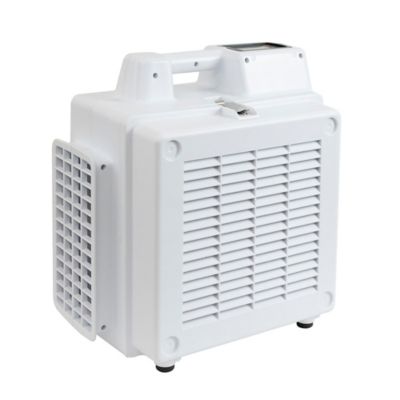
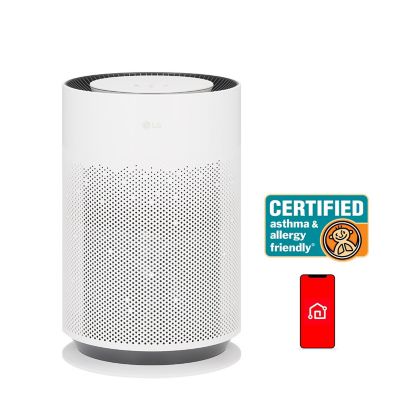
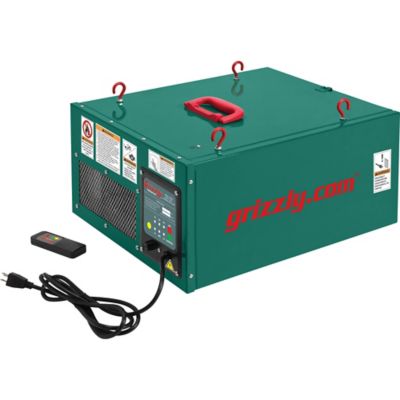
Air sanitizers are made for freshening and treating the air in occupied indoor spaces, especially when lingering odors or seasonal germs are a concern. Unlike a standard air freshener that mainly adds fragrance, an air sanitizer is formulated to address airborne microorganisms or odor-causing germs according to the product label. Some aerosol treatments are tested and labeled to kill a stated percentage of airborne viruses and bacteria, while others are intended mainly to neutralize unpleasant smells. That distinction matters when you are shopping, since “air sanitizer,” “air freshener,” and “air purifier” are not interchangeable terms. An air purifier pulls particles through a filter or other collection system, while an air sanitizer is generally sprayed or dispersed into the room to treat the air directly. For larger work areas, barns, offices, waiting rooms, break rooms, and other high-traffic settings, shoppers may also want to compare these products with
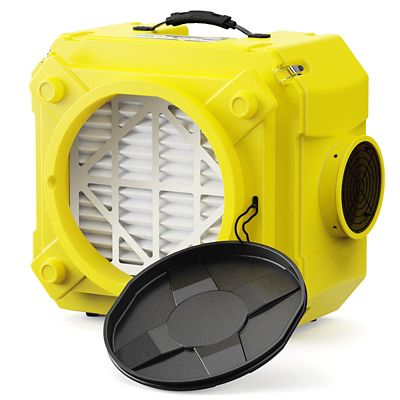
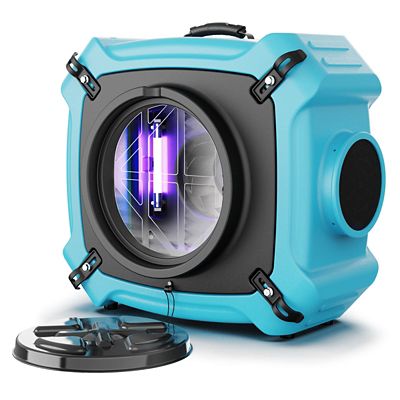
Commercial Air Cleaners, which are built for ongoing air circulation and filtration. Air sanitizers can be useful in homes, farm offices, mudrooms, entryways, workshops, vehicles, and other places where boots, pets, cooking, damp clothing, or everyday activity can leave the air smelling stale. During the cooler months, windows may stay closed more often, allowing odors to hang around longer. A properly selected air treatment can be a handy part of a regular cleaning routine, helping a room feel more comfortable after chores, gatherings, or time spent indoors. It works best alongside practical habits such as taking out trash, washing bedding and pet blankets, cleaning hard surfaces, removing moisture, and keeping ventilation systems maintained. No spray can take the place of cleaning the source of an odor, but the right formula can help freshen the air after that work is done.
When comparing air sanitizers, start with the label and match the product to the space and job at hand. Look for clear directions describing the types of airborne viruses, bacteria, fungi, or odors the formula is designed to address, along with any required contact time, room-size limits, and application instructions. Claims such as “kills 99.9%” only apply to the organisms and conditions listed on the label, so read the fine print rather than assuming one product handles every germ or smell. EPA registration information, approved use directions, warnings, and ingredient details are especially important for products intended to make antimicrobial claims. Choose a spray size that is easy to handle and store, and consider whether a quick-drying formula, a lighter scent, or an unscented option better fits the room. Strong fragrance may be welcome in a utility room or entryway but unpleasant in a bedroom, office, or small enclosed space. If the air sanitizer is being used around pets, horses, poultry, livestock, or children, check the label carefully for directions about removing people or animals, covering food and water containers, and allowing the area to dry or air out before reentry. Never spray directly on an animal, person, food, bedding, or surface unless the label specifically allows it. Keep aerosol cans away from heat, sparks, flames, direct sunlight, and freezing temperatures, and store them where children and animals cannot reach them. Good airflow is important, but avoid spraying into fans, air intakes, electrical equipment, or near an open flame. A small test in an inconspicuous area can help you make sure the product will not leave a residue or affect a finish. For a room with persistent mustiness, first look for a leak, wet insulation, dirty filter, clogged drain pan, or other moisture problem. Treating the air without correcting that source usually gives only temporary results.
Air sanitizers can be a practical addition to a home-care or workplace supply cabinet, particularly for households with pets, families sharing busy spaces, or anyone who spends long hours in a shop, office, tack room, or mudroom. They may also make a thoughtful housewarming gift when paired with other useful cleaning supplies, especially for someone moving into an older home, setting up a home office, welcoming a new pet, or preparing a guest room. A can or bottle is easy to keep near the entryway for use after muddy boots, wet coats, or a full house, while a larger supply can serve a farm office or shared work area. Use these products with realistic expectations: an air sanitizer is not a substitute for a HEPA filter, dust control, HVAC service, handwashing, or professional remediation after smoke, mold, sewage, or chemical exposure. It also should not be used to make an unsafe space safe. Before treatment, remove the odor source when possible, wipe down dirty surfaces, and follow the stated amount rather than adding extra spray. More product does not mean better results and may leave the room overly fragrant or irritating. Used according to the label, air sanitizers can help freshen commonly used spaces and address certain airborne germs and odors, making them a convenient choice as routines shift between outdoor chores and time indoors. Whether you are stocking a utility shelf, preparing a guest area, or looking for a simple way to keep a high-traffic room feeling cleaner, compare the intended use, coverage, scent, safety directions, and storage requirements before choosing an air treatment.