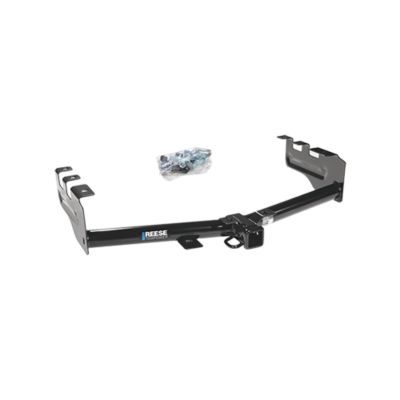
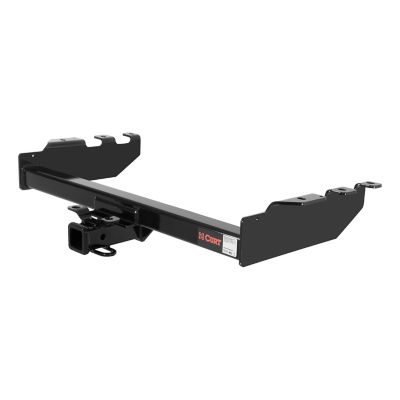
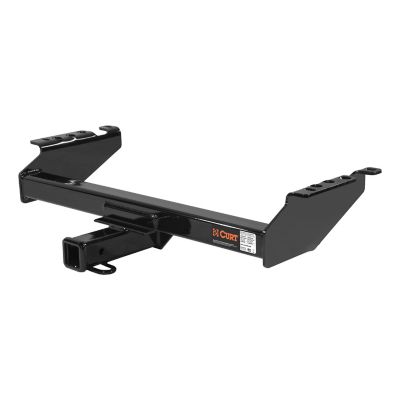
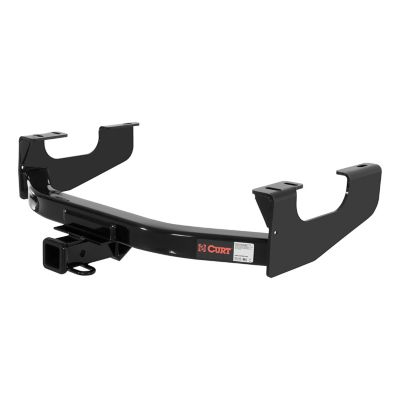
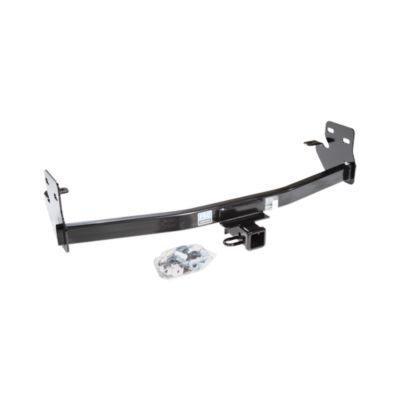
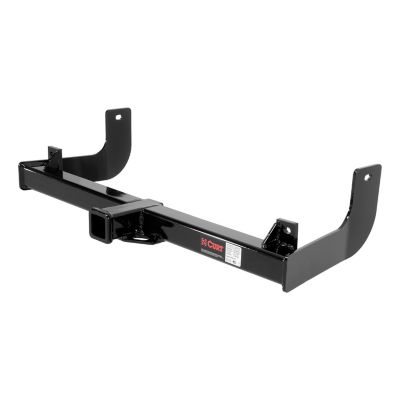
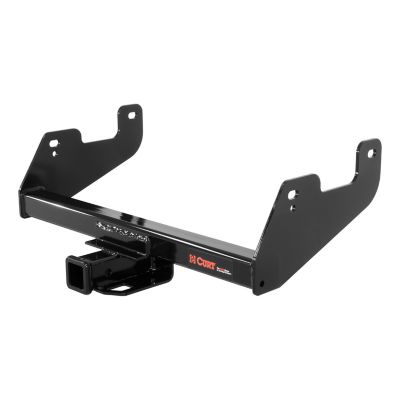
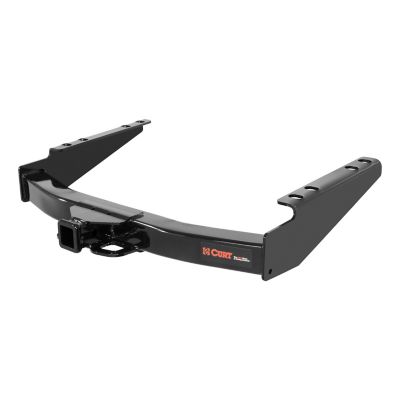
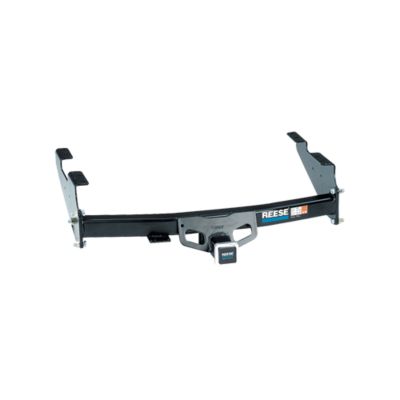
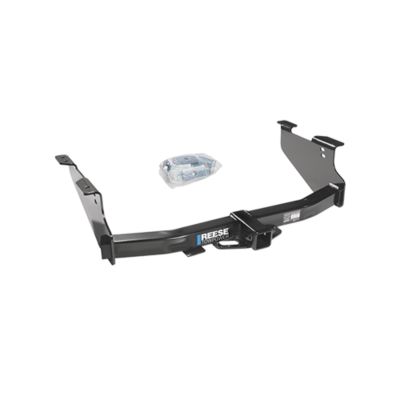
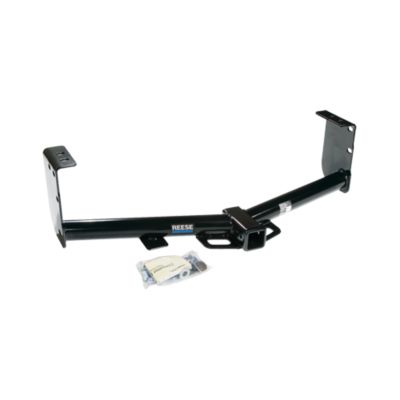
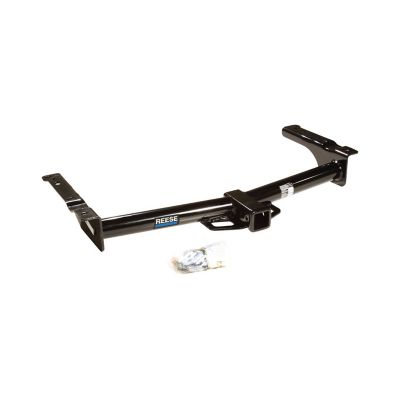
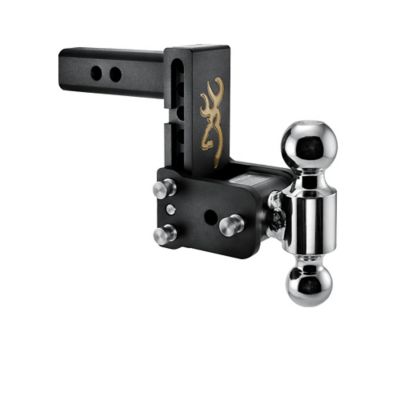
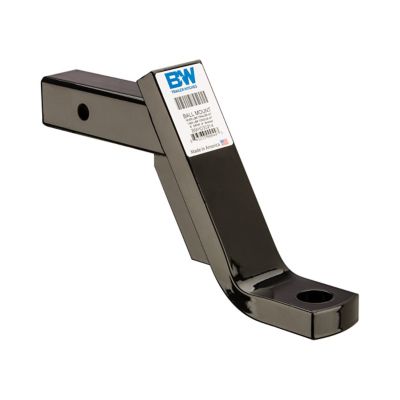
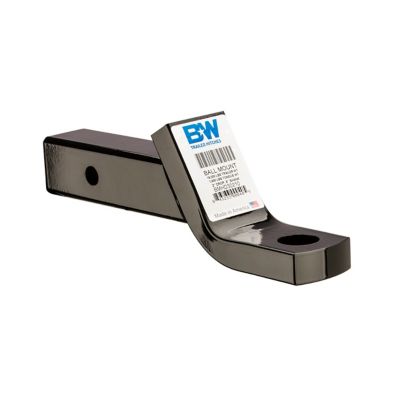
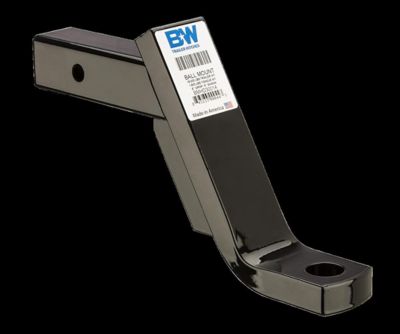
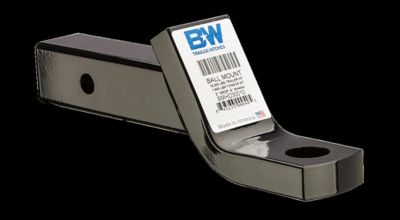
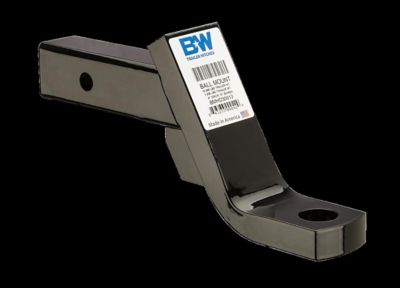
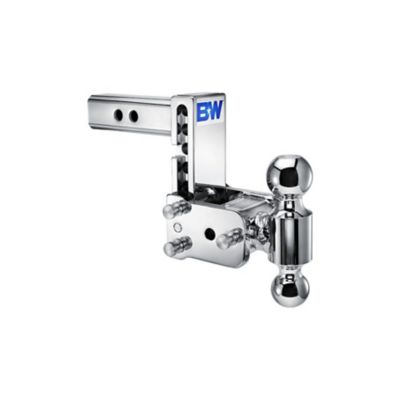
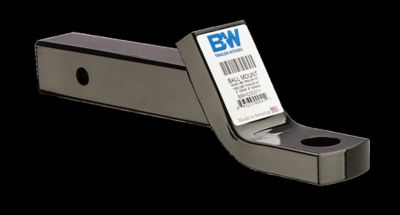
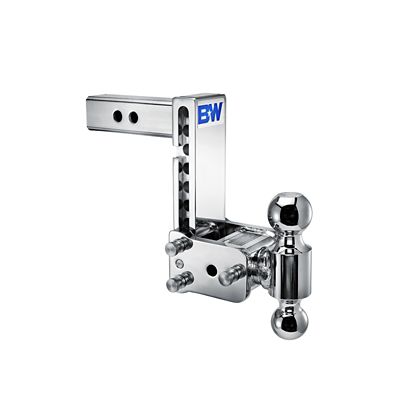
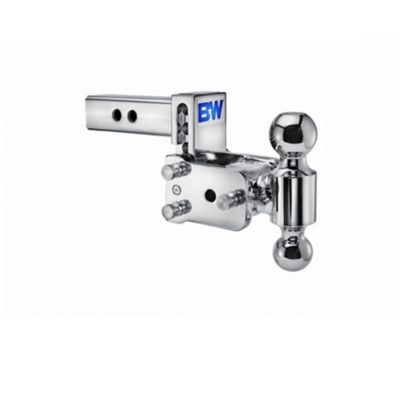
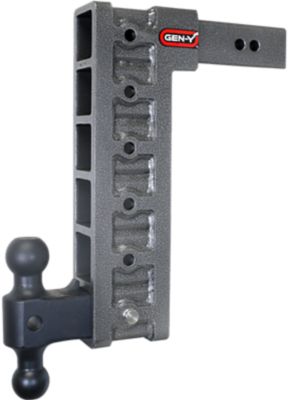
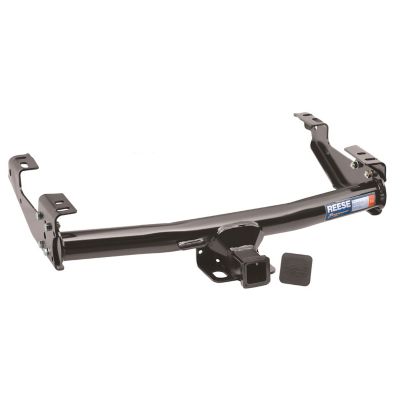
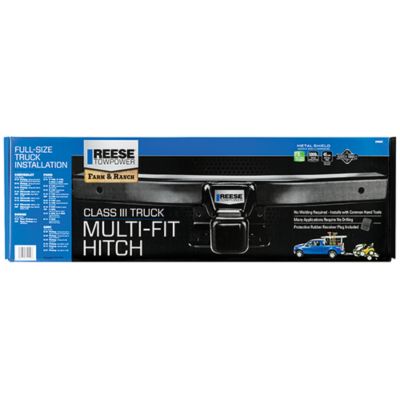
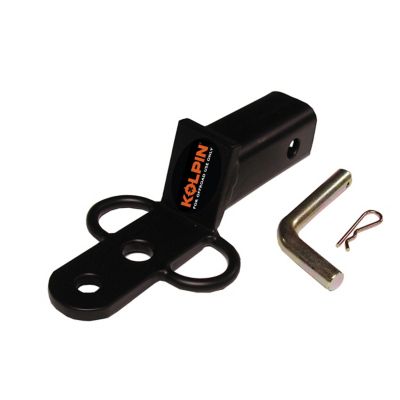
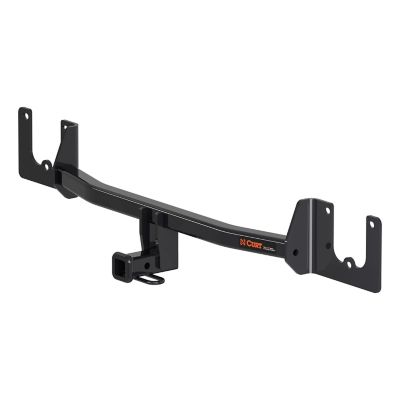
When you’re hauling heavy loads—whether it’s a livestock trailer, a big boat for a weekend on the lake, or a camper for those long road trips—having the right hitch is what keeps everything rolling smooth and safe. That’s where a class 4 hitch comes in handy. Built for heavy-duty towing, a class IV receiver is designed for full-size trucks, commercial vans, and big SUVs, offering the strength and reliability you need when the job calls for it. With a 2-inch by 2-inch receiver opening, these hitches can usually handle up to 10,000 pounds of gross trailer weight and 1,000 pounds of tongue weight, making them a solid pick for folks who need to move more than just the basics. If you’re pairing your class 4 trailer hitch with a weight distribution system, you might even see towing capacities climb up to 12,000 or 14,000 pounds, which opens up a whole world of possibilities for bigger projects or adventures. Whether you’re heading out to the county fair with a couple of horses in tow or bringing the camper out for a weekend in the woods, these hitches are built to stand up to the challenge.
Choosing the right class IV hitch isn’t just about picking something that fits—it’s about making sure it matches your vehicle’s towing capacity and your own needs. Folks who spend their summers hauling hay or equipment from one field to another, or who need to get their boat out on the water as the weather warms up, know how important it is to have a hitch that’s up to the task. The same goes for anyone gearing up for hunting trips or hauling firewood as the days start to cool down. A class 4 receiver hitch makes a practical gift for anyone with a heavy-duty truck or SUV, especially if they’re the kind of person who’s always lending a hand with big jobs or planning the next family camping trip. Installation is usually straightforward, but it’s always a good idea to double-check fitment for your specific vehicle and make sure you’re following safety guidelines—after all, peace of mind is worth its weight in gold when you’ve got a full load behind you. If you’re looking to learn more about the different types of hitches and find the best fit for your towing setup, take a look at our
Trailer Towing Hitches page for more details and helpful resources.
From summer adventures to fall harvests, a class IV hitch is a workhorse that keeps up with the demands of rural life. Whether you’re hauling livestock, moving equipment, or just making sure the family camper is ready for that next big trip, having a reliable class 4 receiver hitch gives you the confidence to tackle whatever the season brings. With sturdy construction and the ability to handle some serious weight, these hitches are trusted by folks who count on their vehicles day in and day out. No matter if you’re a seasoned rancher, a weekend warrior, or someone who just likes to be prepared for anything, investing in the right class 4 trailer hitch means you’re always ready to haul what matters most.